
Biman Bangladesh Airlines Seeks Dry Lease of Three Boeing 787-9 Dreamliners for 2027 Expansion
Biman Bangladesh Airlines is accelerating its long-haul growth by issuing an RFP for three Boeing 787-9 Dreamliners to boost capacity from early 2027.

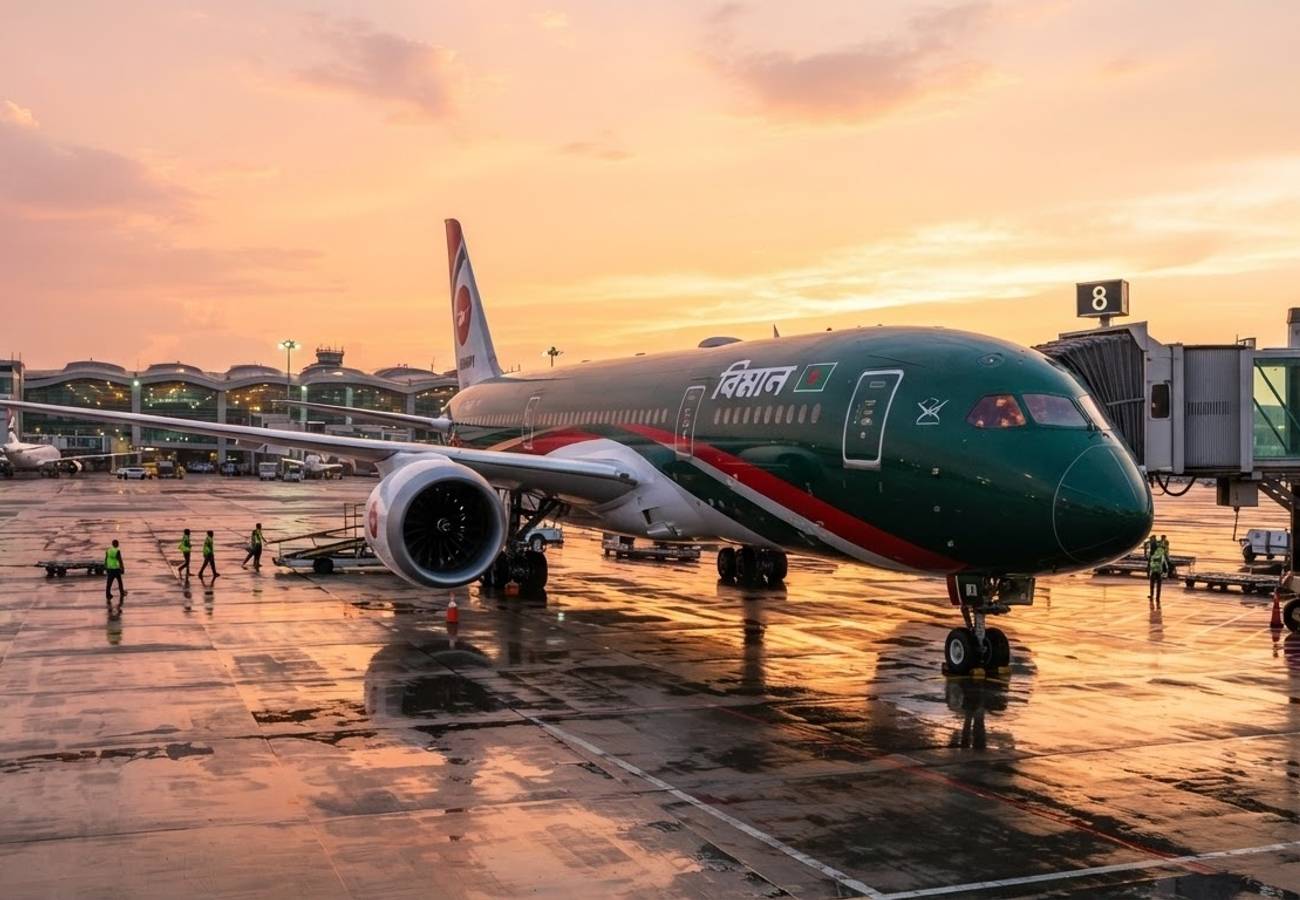
Image generated by AI
Biman Bangladesh Airlines is targeting a significant capacity surge with a request for proposal (RFP) to dry lease three Boeing 787-9 Dreamliners. The move aims to position the flag carrier for a massive long-haul expansion starting January 1, 2027.
The Strategic Shift in Long-Haul Capacity
The Bangladeshi national carrier has officially entered the competitive widebody leasing market to secure three Boeing 787-9 aircraft. Unlike a wet lease, this 72-month dry lease arrangement means the lessor provides only the aircraft; Biman will manage all crew, maintenance, and insurance under its own air operator certificate.
The timing is precise. With an induction target of January 1, 2027—and flexibility extending into late February 2027—Biman is preparing its fleet ahead of the Northern Hemisphere summer peak. This period sees a surge in travel for migrant workers and visiting-friends-and-relatives (VFR) traffic, which forms the backbone of the airline's long-haul revenue.
By opting for the 787-9, a stretched version of the 787-8 already in its fleet, Biman gains superior range and payload. This allows the airline to scale rapidly without the immediate capital expenditure of a direct purchase, providing a hedge against market volatility while updating its fleet technology.
Cultural and Environmental Value
For the traveler, the transition to more 787-9s represents a shift toward higher-efficiency travel. The Dreamliner's composite structure reduces fuel burn and carbon emissions per seat compared to older widebodies, aligning with global pushes toward sustainable aviation.
Beyond the technical specs, this expansion supports the deep cultural links between Bangladesh and its vast expatriate communities in the Middle East, Europe, and North America. By increasing frequencies on these trunk routes, Biman reduces the reliance on third-party hubs, offering a more direct cultural bridge for the Bangladeshi diaspora. The ability to potentially launch one-stop itineraries to North America would be a milestone for the region's connectivity.
Visitor Insider Tips for Dhaka & Long-Haul Travel
Traveling via Dhaka (DAC) requires a bit of local knowledge to navigate efficiently, especially as the airport handles increased widebody traffic.
- Off-Peak Windows: To avoid the heaviest crowds at Hazrath Shahjalal International Airport, aim for flights departing between 10:00 AM and 2:00 PM. The early morning and late-night windows are often congested with Gulf-bound migrant worker flights.
- Local Dining: Before departing, seek out authentic Kacchi Biryani in the city. While airport options exist, the local eateries in Old Dhaka offer the genuine heritage flavors that define the region.
- Cultural Etiquette: When interacting with ground staff and locals, a polite "As-salamu alaykum" goes a long way in establishing rapport.
- Transit Tip: If you are connecting through Dhaka, ensure your transit visa requirements are clear, as regulations can shift quickly. Use official airport taxis or pre-booked ride-sharing apps to avoid the chaos of the arrivals terminal.
Tourism and Aviation Outlook
The success of this RFP depends on a supply-constrained leasing environment. With major lessors currently competing for 787-9 frames, Biman is racing against other emerging market carriers to secure low-cycle aircraft with modern cabin layouts.
In the long term, adding these three jets allows Biman to challenge the dominance of Gulf carriers in the South Asian market. By offering more non-stop options from Dhaka, the airline can capture higher-yield business traffic and increase the attractiveness of Bangladesh as a destination for inbound tourism.
The move reflects a broader regional trend where national carriers are utilizing flexible financing—such as sale-and-leaseback and operating leases—to modernize their fleets without overloading their balance sheets.
A strategic leap toward global connectivity and fleet modernization.
Related Travel Guides
Disclaimer
This article is for informational and educational purposes only. It does not constitute legal, financial, or professional advice. While we strive to provide accurate and up-to-date information, travel policies, regulations, and conditions change rapidly. Always verify information with official sources before making travel decisions. Nomad Lawyer makes no representations about the accuracy, reliability, completeness, or suitability of the information provided. Readers should consult qualified professionals for advice specific to their circumstances. The views expressed in this article are those of the author and do not necessarily reflect the views of Nomad Lawyer.
Kunal K Choudhary
Co-Founder & Contributor
A passionate traveller and tech enthusiast. Kunal contributes to the vision and growth of Nomad Lawyer, bringing fresh perspectives and driving the community forward.
Learn more about our team →