
Beyond Mainstream Waters: The Global Surge in Immersive Expedition Cruising
Expedition cruising is attracting a broader mix of travellers, from Arctic fjords and Antarctica to India's sacred rivers and Patagonia's remote channels. Discover why this immersive style of travel is redefining how people explore the world's most remote regions.

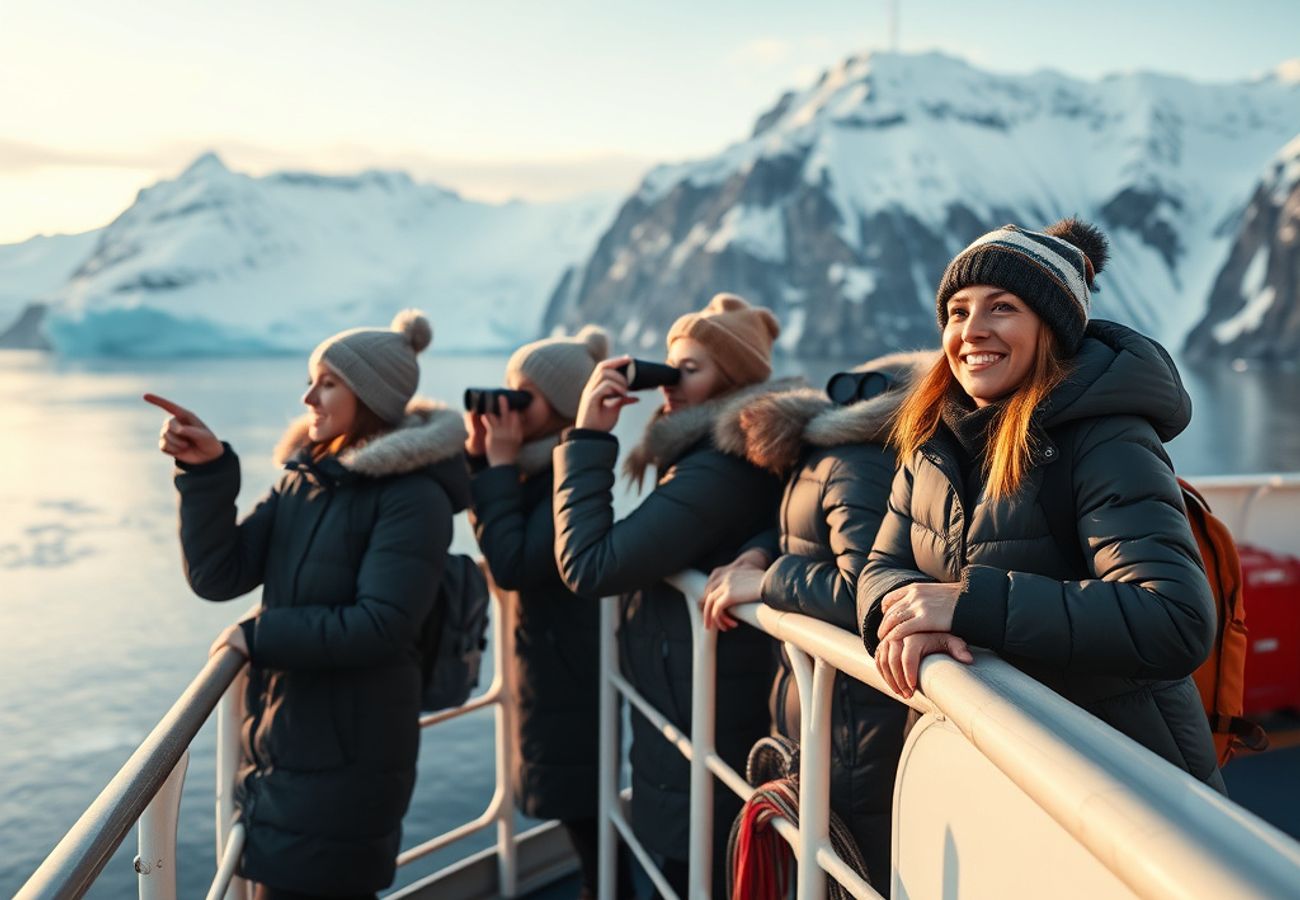
Image generated by AI
Expedition cruising is no longer limited to dedicated birdwatchers, polar enthusiasts or people ticking off remote corners of the map. Over the last few years, a broader mix of travellers has started looking beyond traditional cruise itineraries and towards voyages that spend more time in places where roads are scarce, and daily life still revolves around local landscapes and waterways.
Part of the appeal comes from access. A small expedition vessel can reach Arctic fjords, rainforest tributaries and isolated coastal settlements that would take days to visit independently. One morning might involve walking through an old research station in the High Arctic. Another could begin on the banks of the Ganges as pilgrims gather beside the water. These journeys tend to focus less on onboard entertainment and more on where the ship happens to be that day.
Svalbard, Norway: Arctic Expedition Sailing at the Edge of the Polar World
Longyearbyen often surprises first-time visitors. Despite sitting deep inside the Arctic Circle, it feels like a functioning town rather than an isolated outpost. The main street has a handful of shops, expedition outfitters and public buildings, while snowmobiles frequently outnumber cars during much of the year. Before sailing, many passengers spend time at the Svalbard Museum or walk along the shoreline near the harbour where old mining infrastructure is still visible.
One reason renowned cruises to Svalbard attract such attention is the variety packed into a relatively small area of the Arctic. Ships often venture to Ny-Ålesund, where research stations from several countries sit among buildings linked to early polar expeditions. Further north, voyages may approach the towering face of Monaco Glacier, pass drifting sea ice, or anchor near stretches of coastline where walrus colonies gather. Magdalenefjorden is another regular highlight, with steep mountains dropping directly into the water and seabirds circling overhead throughout the summer season.
The weather remains firmly in charge here. Clear skies can disappear within an hour, and wildlife sightings often determine where ships spend their time.
Antarctica: The Ice Continent Drawing a New Wave of High-Achieving Travellers
Few places feel as detached from everyday life as Antarctica. Days at sea across the Drake Passage eventually give way to enormous ice-covered mountains and quiet bays where there is little evidence of permanent human activity.
Landings commonly take place at sites such as Neko Harbour, where visitors walk across snowy slopes overlooking the bay, and Cuverville Island, home to one of the region's largest gentoo penguin colonies. Port Lockroy remains a favourite stop. The former British research base now operates as a museum and working post office, with visitors queueing to send postcards from one of the world's most remote postal locations.
On board, conversations often drift towards wildlife sightings, glaciology and exploration history. It is not unusual for planned activities to change due to sea ice or weather conditions. In Antarctica, the landscape usually has the final say.
India's Sacred Rivers: Ganges Cruising and Cultural Immersion Through the Subcontinent
India's major rivers support entire communities, and travelling by water reveals details that are easy to miss when moving between cities by road or rail. Along the Ganges, temple bells, ferry crossings, washing ghats and market activity continue from early morning until well after sunset.
The most distinguished India river cruises often focus on the lower Ganges and Brahmaputra regions, where river travel provides access to places that rarely appear on standard itineraries. Murshidabad remains one of the strongest examples. Historic buildings linked to Bengal's nawabs stand near the riverfront, while the area around Hazarduari Palace still attracts local traders and residents going about daily business. Further east, Brahmaputra sailings may include visits to river islands, villages and wildlife areas where boats remain one of the most practical forms of transport. The experience feels closely tied to the river itself, with activity constantly unfolding along the banks.
In Varanasi, narrow lanes behind Dashashwamedh Ghat stay busy throughout the day. Flower stalls, shrines and small workshops sit only a short walk from the water.
The Amazon Basin: River Expedition Sailing Through the World's Greatest Rainforest
The Amazon often leaves the strongest impression through small encounters. A flash of pink from a river dolphin, movement high in the canopy, or the sudden appearance of a caiman during an evening excursion tends to draw attention more effectively than statistics about the rainforest's size.
Around Iquitos, expedition vessels enter narrow tributaries where wooden houses stand above seasonal floodwaters. The Belén Market is one of the area's most interesting places to visit before or after a cruise, with stalls selling regional produce, fish and traditional medicinal plants. Daily life here remains closely connected to the river.
Wildlife spotting requires patience. Guides may point towards a sloth hidden among branches that passengers would otherwise walk straight past. Early mornings often bring flocks of birds feeding near the shoreline, while night excursions reveal an entirely different side of the rainforest. The sounds alone can make it difficult to forget.
Chilean Patagonia: Fjords, Glaciers, and One of the Most Remote Waterways on Earth
Southern Chile contains a maze of channels, islands and fjords that stretches for hundreds of kilometres. Large sections remain inaccessible by road, which makes expedition vessels one of the most practical ways to see the region.
Punta Arenas is often the starting point. Before departure, travellers frequently spend time around Plaza Muñoz Gamero, the waterfront promenade and nearby streets lined with historic buildings from the city's shipping era. Once at sea, the scenery changes. Dense forests cling to steep slopes, glaciers reach down towards the water, and isolated stretches of coastline can pass for hours without any sign of settlement.
The Pia Glacier and Garibaldi Glacier are among the most visited landmarks, though wildlife often steals attention. Dolphins regularly surface alongside vessels, while sea lions gather on rocky outcrops scattered throughout the fjords. Conditions can change several times in a single afternoon. A mountain range hidden by clouds at lunch may be completely visible by dinner.
Is Expedition Cruising Redefining How Professionals Travel?
A growing number of travellers are looking for experiences that place greater emphasis on the destination itself. Expedition cruising answers that demand by reaching places that remain difficult to access and by spending time in environments where wildlife, geography and local communities shape the journey.
Whether sailing through Svalbard's ice-filled fjords, navigating tributaries of the Amazon, visiting historic river towns in India or watching glaciers break into Patagonian waters, these voyages tend to leave passengers with a stronger understanding of the places they visit. As interest continues to grow, expedition cruising is becoming less of a specialist pursuit and more of a recognised way to experience some of the world's most remote regions.
Related Travel Guides
MSC Cruises Meraviglia Returns to Southampton for 2027 UK Deployment
American Cruise Lines Launches American Maverick and Newport Class Ships for New England 2026
10 Best Expedition Cruise Destinations for Remote Adventurers
Disclaimer: Cruise itineraries, wildlife sightings, and access to specific locations vary by season and operator. Always verify current schedules, permits, and travel requirements with your cruise provider before booking.
Disclaimer
This article is for informational and educational purposes only. It does not constitute legal, financial, or professional advice. While we strive to provide accurate and up-to-date information, travel policies, regulations, and conditions change rapidly. Always verify information with official sources before making travel decisions. Nomad Lawyer makes no representations about the accuracy, reliability, completeness, or suitability of the information provided. Readers should consult qualified professionals for advice specific to their circumstances. The views expressed in this article are those of the author and do not necessarily reflect the views of Nomad Lawyer.
Preeti Gunjan
Contributor & Community Manager
A passionate traveller and community builder. Preeti helps grow the Nomad Lawyer community, fostering engagement and bringing the reader experience to life.
Learn more about our team →