
Northern Ethiopia Travel Guide 2026: Aviation Suspensions, Aksum Heritage Access, and Regional Advisory Protocols

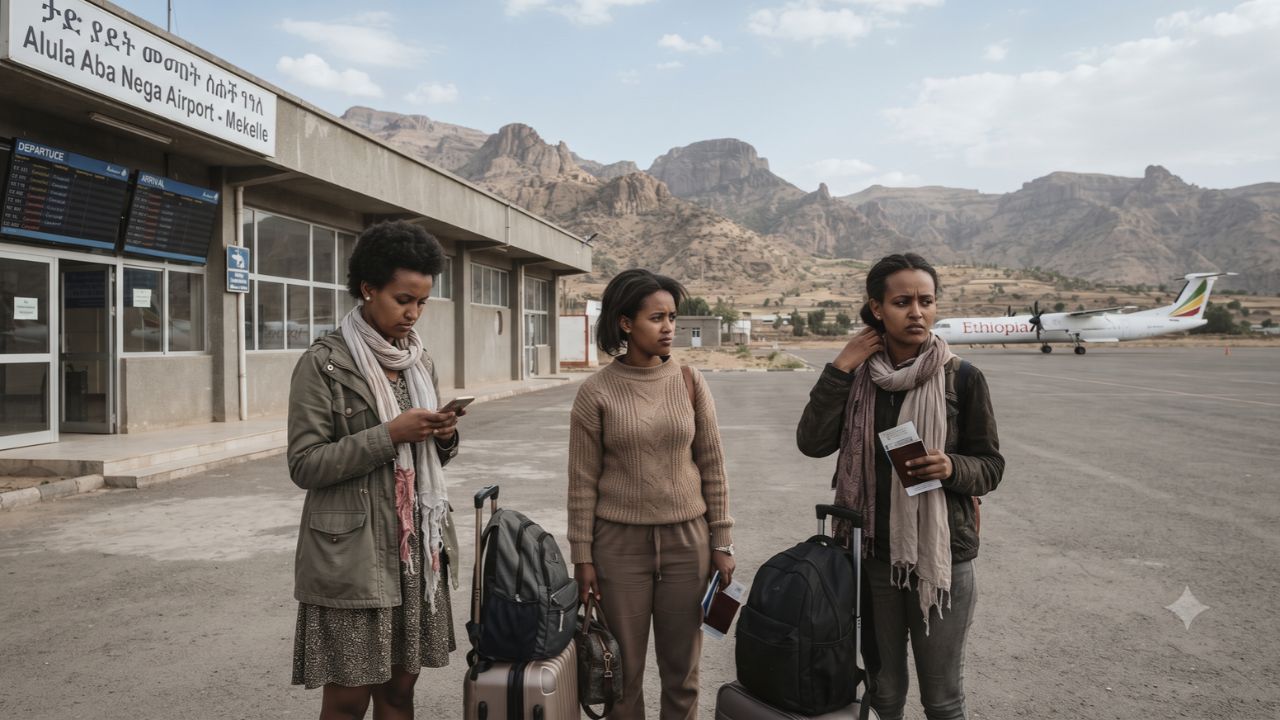
While northern Ethiopia holds over two millennia of unbroken civilization, including the towering monolithic obelisks of Aksum and the ancient rock-hewn sanctuaries of Gheralta, foreign travelers currently face total civilian flight suspensions across Tigray alongside strict airport entry bans in the neighboring Afar region. As verified in regional risk assessments updated on 4 October 2026 by the UK Foreign, Commonwealth and Development Office (FCDO), administrative announcements regarding airfield control do not translate into civilian passenger clearance or insured overland transit corridors.
Independent travelers and cultural tourism operators exploring the Horn of Africa must distinguish between evolving regional security developments and authorized transport corridors. Northern Ethiopia’s travel network functions as an interconnected chain where domestic air links, regional lodge reservations, specialized trekking guides, and 4x4 expedition logistics depend on open transit nodes. When northern regional hubs close to scheduled aviation, attempting unverified overland alternatives across regional boundaries introduces severe safety risks.
Regional Aviation Status: Mekelle, Axum, and Afar Access Controls
Aviation disruptions across northern Ethiopia stem from high-level geopolitical shifts in Tigray. The African Union Commission issued a formal statement on 23 September 2026 addressing the seizure and occupation of airfields across Mekelle, Axum, and Shire, which resulted in the immediate grounding of scheduled commercial passenger flights. Diplomatic mediation led by Olusegun Obasanjo, the AU High Representative for the Horn of Africa, continues to center on the Pretoria Peace Agreement signed on 2 November 2022 and reaffirmed during AU consultations in January 2026.
Despite diplomatic engagements, commercial aviation schedules remain frozen. Compounding the northern transit freeze, Ethiopian administrative directives explicitly prohibit foreign nationals from using regional airports within the Afar region, eliminating nearby hubs like Semera as alternative detour points.
| Regional Hub & Transit Corridor | Operational Status (4 Oct 2026) | Regulatory Authority | Practical Impact for International Travelers |
|---|---|---|---|
| Mekelle Airport (MQX) | Civilian Flights Suspended | Ethiopian Civil Aviation / FCDO Advisory | Complete halt of scheduled passenger arrivals |
| Aksum Airport (AXU) | Civilian Flights Suspended | African Union Monitored Area | No direct air access to UNESCO archaeological zones |
| Shire Airport (SHC) | Civilian Flights Suspended | Regional Security Directive | Western Tigray air transit closed to civilian carriers |
| Afar Regional Airfields (Semera) | Foreign Access Prohibited | Ethiopian Federal Authorities | Neighboring hubs cannot serve as flight substitutes |
| Addis Ababa Bole Hub (ADD) | Fully Operational Nonstop | Ethiopian Airlines Hub | Standard international arrivals and southern domestic routes |
What Makes Northern Ethiopia's Cultural Heritage Irreplaceable
Northern Ethiopia represents one of Africa’s oldest continuous cultural realms. The historic city of Aksum, inscribed on the UNESCO World Heritage Centre List in 1980, served as the heart of the ancient Aksumite Empire from the 1st to the 8th centuries CE. Aksum stands as a monumental record of early global commerce, linking the Mediterranean basin with Greco-Roman trade routes, Southern Arabia, and the Indian subcontinent.
The archaeological treasures of Aksum define the region’s enduring allure:
- Monolithic Granite Stelae: Towering carved obelisks, including the iconic 24-meter Obelisk of Axum and the 33-meter Great Stele, carved from single blocks of solid granite.
- Royal Tombs and Inscriptions: Underground funerary vaults of King Kaleb and King Gebre Meskel, adorned with multilingual inscriptions in Ge'ez, Sabaean, and Ancient Greek.
- Ecclesiastical Heritage: The sacred compound of the Church of Our Lady Mary of Zion, revered in Ethiopian Orthodox tradition as the sanctuary housing the Ark of the Covenant.
- Clifftop Monasteries of Tigray: Hand-carved sandstone churches perched atop vertical peaks in the Gheralta range, such as Abuna Yemata Guh and Debre Maryam Korkor, reached only by sheer rock scrambles.
While these cultural monuments hold immense historical value, heritage preservation and travel planning require verified physical access routes. A historic landmark cannot be experienced safely without certified transport infrastructure and local community stability.
| Heritage Asset & Archaeological Site | Historical Significance | UNESCO Inscription | Current Access Feasibility |
|---|---|---|---|
| Aksum Stelae Field | Heart of Aksumite Empire & royal tombs | Inscribed 1980 | Inaccessible due to aviation freeze |
| Church of Mary of Zion (Aksum) | Spiritual center of Ethiopian Christianity | National Heritage Site | Overland routes restricted |
| Gheralta Rock-Hewn Churches | 5th-century cliffside Orthodox sanctuaries | Candidate Site | Trekking circuits suspended |
| Yeha Great Temple | 8th-century BCE Sabaean tower | Historic Monument | Northern road transit prohibited |
| Lalibela Rock Churches (Amhara) | 12th-century monolithic churches | Inscribed 1978 | Accessible via direct flights from Addis Ababa |
Visitor Insider Tips
- Do Not Attempt Unverified Overland Detours: Never attempt to replace a cancelled flight to Mekelle or Axum by booking private 4x4 road transfers from Gondar, Kombolcha, or Semera. Checkpoints, regional administrative boundaries, and changing security postures make inter-regional highways unpredictable for foreign travelers.
- Verify Direct Airline Booking Status: Online booking engines occasionally display automated placeholder schedules for northern domestic flights. Always confirm operational validity directly with Ethiopian Airlines ticket offices in Addis Ababa before transferring funds.
- Redirect Itineraries to Stable Heritage Hubs: Travelers holding flexible Ethiopian itineraries should re-route toward stable cultural regions in the south and central highlands. Lalibela in the Amhara region, Gondar's royal enclosures, Lake Tana’s island monasteries in Bahir Dar, and the walled Islamic city of Harar Jugol offer world-class cultural immersion with operational flights.
- Secure Written Proof of Cancellations: If your northern itinerary is disrupted, obtain formal cancellation documentation from your tour agency, domestic carrier, and hotel providers. Travel insurance underwriters require specific government advisory citations and carrier cancellation receipts to process full policy claims.
Cultural and Environmental Context
In northern Ethiopia, cultural tourism provides essential economic livelihood for church custodians, local mountain guides, muleteers, and heritage preservation artisans. The prolonged disruption of tourism across Tigray and neighboring regions has placed severe pressure on rural families who depend on respectful cultural exchange.
According to regional development analyses shared by the African Union, sustainable peace and economic rehabilitation in northern Ethiopia rely heavily on the restoration of civil infrastructure, open transport channels, and protected agricultural trade. Responsible international visitors contribute most effectively to Ethiopia by supporting operational cultural communities in secure regions, respecting local Orthodox Christian customs, dressing modestly in religious compounds, and hiring certified local community guides.
FAQ: Visiting Northern Ethiopia & Travel Advisory Rules 2026
Are commercial flights operating to Mekelle and Aksum?
No. All civilian passenger flights serving airports in Tigray, including Mekelle, Aksum, and Shire, remain suspended under official security directives reviewed on 4 October 2026.
Can international tourists fly into Afar airports instead?
No. Ethiopian authorities explicitly restrict foreign nationals from accessing regional airports in the Afar region, meaning Semera cannot be utilized as an alternative entry route.
What should travelers already in Tigray do?
Official government guidance from the UK FCDO advises foreign nationals currently in Tigray to shelter in place, adhere strictly to local administrative rules, and depart via commercial options when deemed safe.
Which Ethiopian heritage destinations remain accessible?
Addis Ababa, the 12th-century rock-hewn churches of Lalibela, the castles of Gondar, the monasteries of Lake Tana in Bahir Dar, and Harar Jugol remain accessible via operating air connections.
True cultural travel honors the safety of local communities and travelers alike, ensuring historic journeys resume only when open skies and peaceful corridors prevail.
Related Travel Guides
Disclaimer
This article is for informational and educational purposes only. It does not constitute legal, financial, or professional advice. While we strive to provide accurate and up-to-date information, travel policies, regulations, and conditions change rapidly. Always verify information with official sources before making travel decisions. Nomad Lawyer makes no representations about the accuracy, reliability, completeness, or suitability of the information provided. Readers should consult qualified professionals for advice specific to their circumstances. The views expressed in this article are those of the author and do not necessarily reflect the views of Nomad Lawyer.
Raushan Kumar
Founder & Lead Developer
Full-stack developer with 11+ years of experience and a passionate traveller. Raushan built Nomad Lawyer from the ground up with a vision to create the best travel and law experience on the web.
Learn more about our team →