
Best Transpacific Airlines in 2026: Premium Comfort Revolutionized
Modern transpacific airlines have transformed long-haul travel from endurance tests into premium comfort experiences. Discover the best transpacific airlines dominating 2026 routes with cutting-edge cabin innovation.

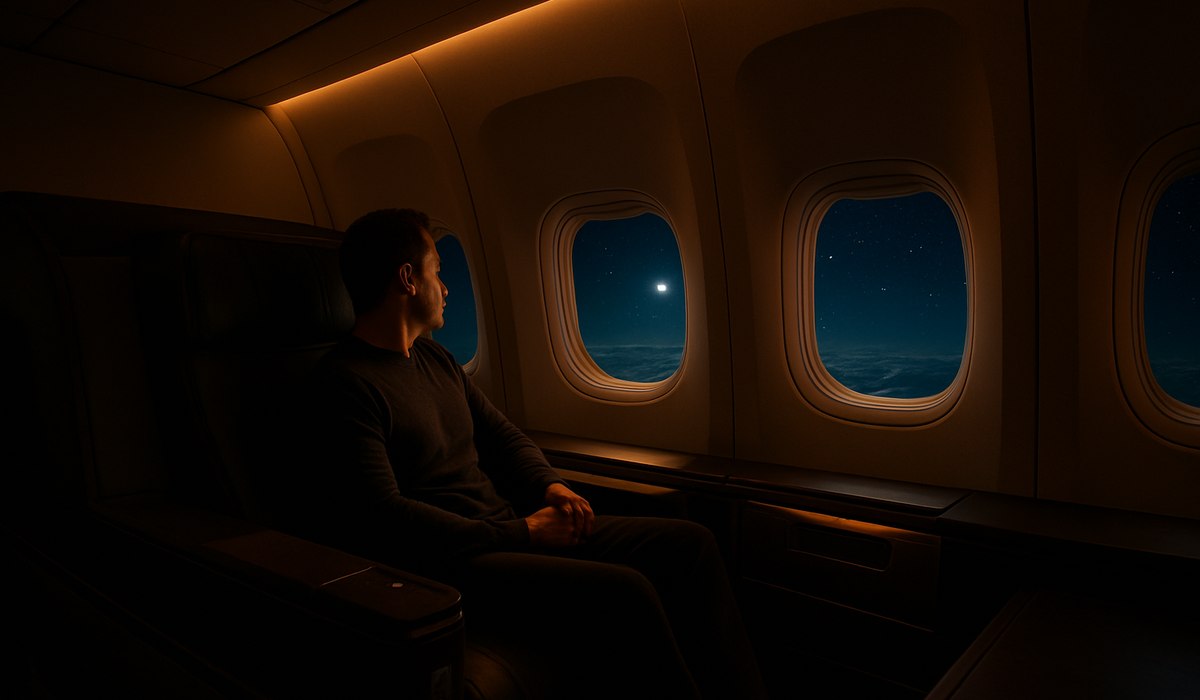
Image generated by AI
The Transpacific Flight Revolution: From Endurance to Experience
Transpacific aviation has undergone a seismic transformation since the early days of ultra-long-haul travel. What once represented a grueling, nearly-12-hour ordeal between the US West Coast and East Asia has evolved into a curated luxury experience. Airlines now compete fiercely on cabin innovation, seat ergonomics, and onboard amenities rather than merely offering survival-level comfort. This shift reflects broader industry recognition that today's business and premium leisure travelers demand more than functional seating—they expect restorative, first-class experiences even at 35,000 feet.
The catalyst for this revolution stems from aircraft technology advances, particularly the Boeing 787 Dreamliner and Airbus A350 platforms. These aircraft feature pressurization systems that reduce cabin altitude sensation, larger windows with dynamic dimming, and improved humidity control. Combined with airline investment in premium cabin retrofits, transpacific travel has fundamentally repositioned itself as an aspirational segment rather than an ordeal to endure. Carriers operating these best transpacific airlines routes now highlight cabin quality as a primary competitive differentiator.
Premium Cabin Features Redefining Long-Haul Comfort
Modern best transpacific airlines compete aggressively on cabin amenities that blur the line between first and business class. Premium cabin seating now features direct aisle access, lie-flat beds in suites, and adjustable lumbar support systems engineered for 10+ hour flights. Leading carriers have invested in companion seat configurations, allowing couples to share adjacent beds—a previously unavailable luxury option on transpacific routes.
Cabin pressure and humidity represent underrated comfort innovations. The 787 Dreamliner maintains cabin altitude equivalent to 6,000 feet rather than the traditional 8,000 feet, significantly reducing fatigue and jet lag symptoms. Humidity levels reach 40-50% versus industry standard 10-15%, combating dehydration that compounds long-haul discomfort. These environmental controls transform the travel experience psychologically and physiologically.
In-flight entertainment systems now offer 4K streaming with hundreds of titles, allowing passengers to curate personalized entertainment for the duration of their flight. Noise-canceling headphones complement advanced cabin insulation. Dining service has elevated beyond standard airline fare—multiple Michelin-trained chefs develop rotating menus using premium ingredients sourced specifically for transpacific routes. Some airlines now offer reservation-style dining where passengers select courses throughout their flight.
Top Airlines Dominating Transpacific Routes
Japan Airlines (JAL) operates multiple daily transpacific services connecting Tokyo Haneda to Los Angeles, San Francisco, and New York. Their flagship premium cabin features spacious suites with direct aisle access and innovative lavatory designs. JAL's cabin crew undergo extensive service training, with an average tenure exceeding 15 years, ensuring consistent premium hospitality across 100+ transpacific flights monthly.
All Nippon Airways (ANA) has positioned itself as the technological innovator among best transpacific airlines. Their 787 Dreamliner fleet includes aircraft with their proprietary cabin pressure system delivering enhanced comfort metrics. ANA operates 80+ transpacific flights weekly, connecting major US metropolitan areas to Tokyo, Osaka, and regional Japanese destinations. Their premium cabin redesign launched in 2025 introduced 1-2-1 seating configurations on select routes.
EVA Air, Taiwan's international carrier, operates one of the largest transpacific networks with 60+ weekly departures. Their business class features shell-style seats with swivel entertainment monitors and adjustable headrests. EVA's cabin crew diversity reflects their multicultural focus, with staff speaking 12+ languages across their transpacific operations. Their premium dining program emphasizes Taiwanese culinary traditions integrated with international preferences.
Starlux Airlines, Taiwan's newer entrant, has rapidly expanded transpacific capacity since 2023. Despite their recent launch, Starlux operates A350 aircraft exclusively—allowing them to bypass the complexity of mixed-fleet operations. Their cabin design prioritizes passenger spacing and lighting psychology, with configurable ambient lighting adapting to circadian rhythms. This technological sophistication appeals to premium passengers willing to explore emerging carriers.
What to Expect on Modern East Asia Routes
Contemporary transpacific flights operate with technological sophistication unimaginable a decade ago. Passengers enjoy real-time flight tracking through FlightAware, allowing family and colleagues to monitor precise flight positions throughout the journey. This transparency extends to air traffic control information accessible via Federal Aviation Administration databases at faa.gov.
Most modern transpacific aircraft feature permanent crew rest areas above main cabin levels, allowing pilots and flight attendants to rotate through rest periods without disturbing passengers. This operational safety feature has reduced crew fatigue and improved overall flight reliability. Modern weather radar systems provide unprecedented storm avoidance capabilities, making transpacific routes safer than comparable transcontinental operations.
Connectivity remains evolving. Leading carriers partner with satellite providers delivering broadband service throughout transpacific flights. However, bandwidth limitations still affect streaming quality. Practical expectations should include video calling reliability during flight, though text-based communication operates seamlessly across most transpacific routes above the Pacific Ocean.
Customs and immigration processing now occurs pre-arrival on select transpacific routes. US-bound passengers complete declaration processing inflight, allowing rapid deplaning and ground processing upon arrival. This innovation represents significant quality-of-life improvement over traditional post-arrival queues stretching 30-45 minutes.
Traveler Action Checklist
Preparing for optimal transpacific flight experiences requires strategic planning beyond typical bookings.
-
Review aircraft specifications before booking—Request 787 Dreamliner or A350 confirmations when available, as these aircraft deliver superior cabin environment control. Contact airlines directly; booking platforms often lack aircraft-specific details.
-
Evaluate premium cabin configurations—Compare seat maps across carriers to verify direct aisle access and companion bed arrangements. Many airlines restrict these premium configurations to first and business cabins.
-
Investigate airline service ratings—Review recent passenger reviews on Skytrax and AirlineQuality.com focusing specifically on transpacific route feedback. Service consistency varies between carriers' transpacific versus domestic networks.
-
Monitor flight status 48-72 hours before departure—Use FlightAware to track weather patterns and potential delays. Transpacific routing avoids typical weather systems, but Pacific storm season impacts route planning October through May.
-
Verify passenger rights policies—Understand airline-specific delay compensation policies via US Department of Transportation. Transpacific delays exceeding 3+ hours trigger specific compensation requirements varying by carrier nationality.
-
Pre-select meals and entertainment—Contact premium cabin crews 48 hours prior to departure for meal customization. Dietary preferences require advance notice for transpacific services.
-
Arrange ground transportation coordination—Book baggage delivery services for lengthy transpacific journeys, allowing hotel check-in without luggage delays. Many premium passengers utilize this convenience, reducing airport time.
Key Data: Transpacific Airline Performance 2026
| Metric | Japan Airlines | ANA | EVA Air | Starlux |
|---|---|---|---|---|
| Weekly Transpacific Flights | 50+ | 80+ | 60+ | 35+ |
| Primary Aircraft | 787, 777 | 787, A350 | 777, A350 | A350 |
| Premium Cabin Seats | 60-80 | 50-70 | 65-85 | 40-50 |
| Average Route Duration | 11h 20m | 11h 15m |
Disclaimer
This article is for informational and educational purposes only. It does not constitute legal, financial, or professional advice. While we strive to provide accurate and up-to-date information, travel policies, regulations, and conditions change rapidly. Always verify information with official sources before making travel decisions. Nomad Lawyer makes no representations about the accuracy, reliability, completeness, or suitability of the information provided. Readers should consult qualified professionals for advice specific to their circumstances. The views expressed in this article are those of the author and do not necessarily reflect the views of Nomad Lawyer.
Preeti Gunjan
Contributor & Community Manager
A passionate traveller and community builder. Preeti helps grow the Nomad Lawyer community, fostering engagement and bringing the reader experience to life.
Learn more about our team →