
Delta Alaska Southwest United Premium Cabins Transform 2026 Air Travel
Major U.S. carriers including Delta, Alaska, Southwest and United are launching premium cabin innovations and strategic route expansions in 2026, with Delta leading the industry shift toward fully enclosed business class suites on long-haul aircraft.

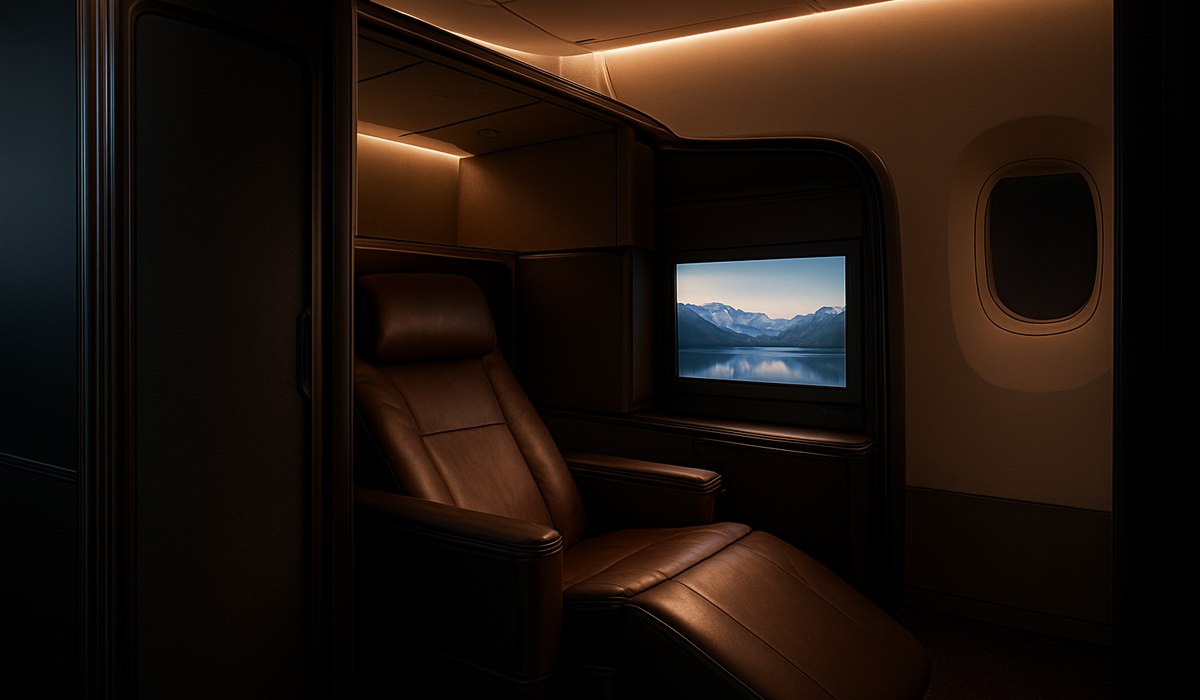
Image generated by AI
Major U.S. Carriers Reshape Premium Air Travel with Suite Launches and Route Expansion
Delta Air Lines, Alaska Airlines, Southwest Airlines, and United Airlines are fundamentally transforming the premium cabin landscape across American aviation in 2026. This week's announcements reveal a coordinated industry shift toward enhanced business class products, strategic long-haul network development, and expanded international connectivity. The changes will directly impact corporate travelers, leisure flyers, and loyalty program members across all four carriers through 2026 and beyond.
Delta's New Generation Delta One Suites Set Industry Standard
Delta Air Lines is aggressively positioning itself as the premium cabin leader with its latest Delta One business class suite innovation. The new fully enclosed suites, rolling out across Delta's Airbus A350-1000 and A330 fleets, feature privacy doors, 4K seatback screens, and premium soft goods designed for transatlantic and transpacific routes.
These suites represent a significant competitive escalation in the delta alaska southwest united premium cabins category, targeting high-value corporate and affluent leisure demand. Delta's investment strategy focuses on core transatlantic markets where lie-flat seating and elevated service standards are essential for capturing market share against United and international competitors. The airline's recent route experiments—including seasonal additions to Marrakech and expanded connectivity from New York and Salt Lake City hubs—create a robust network foundation for these premium products.
Industry analysts highlight how Delta's renewed emphasis on business class suites differentiates the front cabin experience while widening the gap between basic economy and premium tiers. This strategic positioning aligns with partner expectations across joint ventures and multi-carrier alliances, establishing consistent cabin standards for connecting itineraries. For corporate travel departments, Delta's enhanced Delta One product strengthens negotiating leverage and loyalty incentives on high-yield business routes.
Premium Cabin Strategy Across U.S. Carriers
While Delta leads the charge with enclosed suite privacy, other major carriers are pursuing distinct premium cabin strategies aligned with their network strengths and market positioning.
Alaska Airlines complements its operational integration with Hawaiian Airlines by leveraging West Coast premium demand. The April 22, 2026 merger milestone brings Hawaiian branded flights onto Alaska's systems, creating a unified Atmos Rewards loyalty platform while maintaining existing island and transpacific schedules. This merger amplifies Alaska's premium positioning on leisure-heavy Pacific routes.
Southwest Airlines traditionally focused on dense domestic flying, yet recent moves signal premium product curiosity. The airline's summer 2026 long-haul transcontinental service between San Diego and Boston, combined with Caribbean leisure route additions, indicates an emerging willingness to pursue premium demand on thinner, high-yield routes.
United Airlines remains a significant player in the long haul routes premium segment, particularly on transatlantic services where competition with Delta intensifies. The competitive dynamic among these four carriers—each pursuing distinct premium cabin strategies—benefits travelers through product innovation, capacity growth, and network expansion throughout 2026.
Impact on Corporate and Leisure Travelers
Corporate travel managers will experience meaningful changes in premium cabin options and pricing dynamics as these four carriers expand their business class suites deployments. Delta's Delta One suites on A350 and A330 aircraft create new premium endpoints for transatlantic contracts, while enhanced award availability through expanded long-haul routes increases flexibility for business travelers.
Leisure travelers benefit from multiple angles: new nonstop routes reduce connection time and itinerary complexity, while premium cabin improvements at lower price points (through expanded supply) make business class travel more accessible. Alaska's 13 new nonstop routes—including Tulsa and Arcata-Eureka service—open secondary city markets previously requiring connections.
Elite frequent flyers gain expanded earning opportunities across the growing delta alaska southwest united premium cabins portfolios, though route-specific award charts may shift as airlines reallocate aircraft and capacity. Passengers should monitor schedule changes closely, as operational mergers (Alaska-Hawaiian) and new partnerships (Southwest-Philippine Airlines, Southwest-China Air) redistribute award availability and codeshare benefits.
The widening premium cabin differentiation means economy travelers may experience tighter seating and reduced amenities, as airlines concentrate fleet investments in premium revenue generation on long-haul international routes.
Strategic Route Expansion and Network Growth
2026 marks a significant expansion year for all four carriers' international and regional networks. Alaska Airlines' April 2026 service launches to 13 nonstop destinations prioritize secondary U.S. cities and West Coast leisure connectivity, directly enabled by Hawaiian merger integration and Oneworld alliance partnerships.
Southwest's Caribbean expansion and international airline partnerships signal a strategic pivot toward higher-yield leisure and business demand beyond traditional domestic point-to-point flying. The San Diego-Boston transcontinental service represents the carrier's emerging long-haul ambition on premium-capable routes.
Delta's continued investment in long haul routes through Marrakech seasonals and expanded hub connectivity from major metros positions the carrier for sustained premium revenue growth. United's transatlantic network remains central to U.S. premium cabin competition, particularly on routes where corporate demand supports higher premium cabin deployment percentages.
These strategic expansions collectively create more competition on popular business routes and increase available capacity on leisure corridors, benefiting price-sensitive travelers while premium cabin passengers gain enhanced product consistency across networks.
Key Premium Cabin Deployments and Route Changes: 2026 Snapshot
| Carrier | Premium Product | Aircraft | Key Routes | Launch Date |
|---|---|---|---|---|
| Delta | Delta One Suites (Privacy Doors, 4K Screens) | A350-1000, A330 | Transatlantic, Transpacific | Spring 2026 |
| Alaska | Enhanced Premium Cabin (Merger Integration) | Boeing 787, Airbus A321neo | West Coast Leisure Routes | April 22, 2026 |
| Southwest | Premium Cabin Expansion | Boeing 737 MAX, 737-800 | San Diego-Boston, Caribbean | Summer 2026 |
| United | Business Plus/Polaris | Boeing 787, A350 | Transatlantic Core Routes | Existing/Expanded |
| Alaska | New Nonstop Routes | Regional Aircraft | Tulsa, Arcata-Eureka | April-May 2026 |
| Southwest | International Codeshares | All Fleet Types | Caribbean, Central America | Q2 2026 |
What This Means for Travelers
1. Premium cabin demand will intensify on transatlantic and transpacific routes. Book Delta One suites and comparable products 60-90 days in advance to secure preferred cabin configurations, as expanded A350 deployment creates higher availability but stronger competition for premium seat selections.
2. West Coast travelers gain significant route flexibility. Alaska's 13 new nonstop destinations eliminate costly connections, while Hawaiian integration creates seamless premium experiences on Pacific leisure routes. Route your business and leisure trips through Seattle and Portland hubs for optimized award availability.
3. Frequent flyer programs will reallocate award charts across expanding networks. Monitor your airline's award availability tool monthly, as new routes and premium cabin deployments shift point values and seat inventory. Lock in premium awards on legacy routes before charts adjust.
4. Secondary city accessibility expands dramatically. Southwest's Tulsa and Sonoma County service, combined with Alaska's Arcata-Eureka flights, make mid-market markets accessible via nonstop service. Business travelers can reduce ground transportation costs through enhanced regional connectivity.
5. Corporate travel negotiation leverage increases. The competitive premium cabin landscape between Delta, Alaska, Southwest, and United creates pricing flexibility for corporate contracts. Negotiate volume commitments on newly expanded routes and demand guaranteed premium cabin access on long-haul business routes.
Frequently Asked Questions
What is Delta's new Delta One suite and how does it differ from previous business class products?
Disclaimer
This article is for informational and educational purposes only. It does not constitute legal, financial, or professional advice. While we strive to provide accurate and up-to-date information, travel policies, regulations, and conditions change rapidly. Always verify information with official sources before making travel decisions. Nomad Lawyer makes no representations about the accuracy, reliability, completeness, or suitability of the information provided. Readers should consult qualified professionals for advice specific to their circumstances. The views expressed in this article are those of the author and do not necessarily reflect the views of Nomad Lawyer.
Preeti Gunjan
Contributor & Community Manager
A passionate traveller and community builder. Preeti helps grow the Nomad Lawyer community, fostering engagement and bringing the reader experience to life.
Learn more about our team →