
Berlin Emerges as Europe’s Premier Walking Tourism Capital Amid Global Energy Crisis: How Germany’s 'Slow Travel' Model Defies Strait of Hormuz Tensions and Skyrocketing Fuel Prices
Berlin has become the epicenter of the global 'Slow Travel' movement, as walking tourism surges in response to the global energy crisis and rising fuel costs driven by Strait of Hormuz tensions.

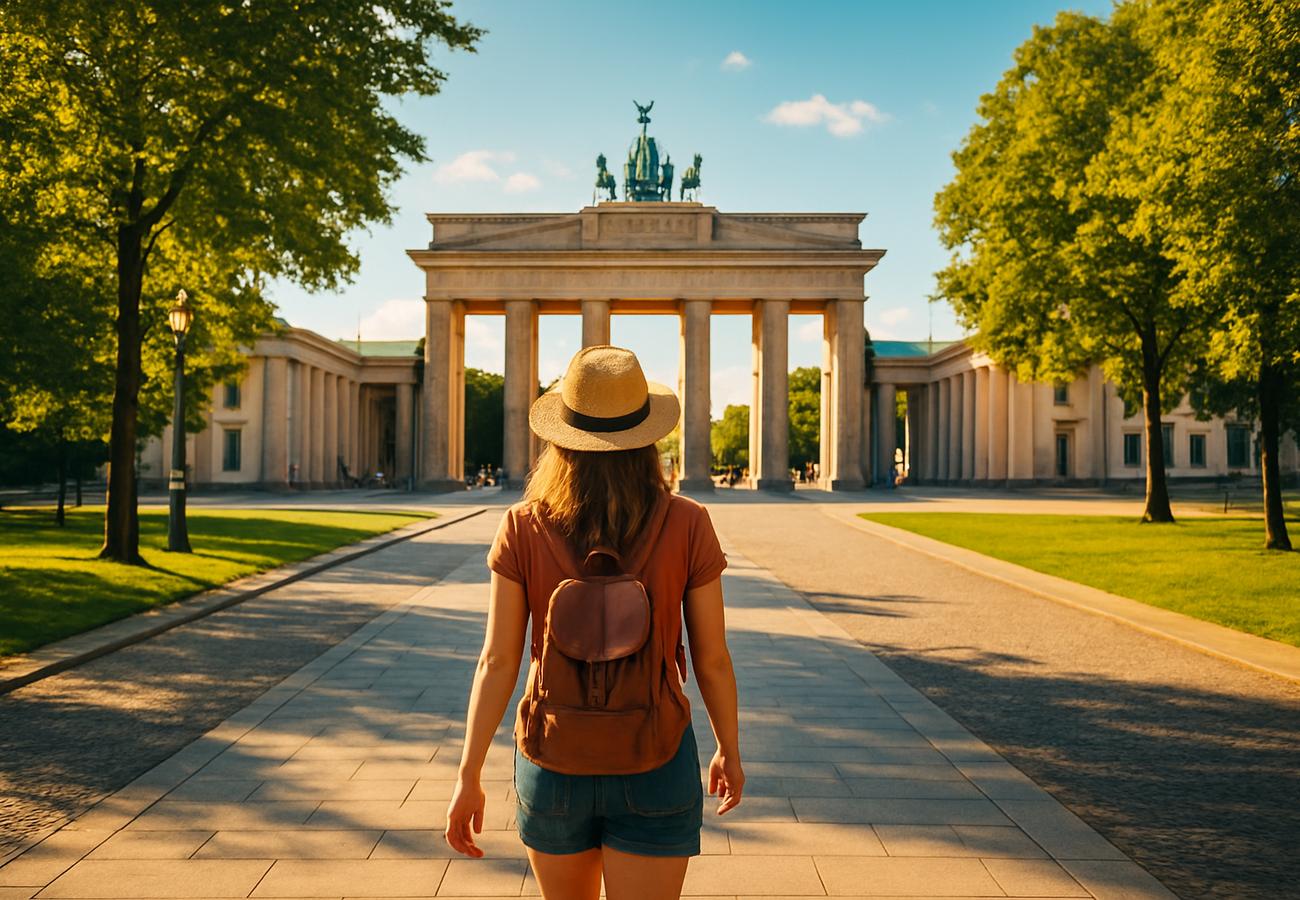
Image generated by AI
Quick Summary
- Walking Sensation: Berlin is rapidly becoming Europe’s most admired destination for walking holidays, reflecting a massive shift toward Slow Travel.
- Energy Resilience: The trend is accelerating as the global energy crisis and US-Iran conflict inflate the costs of fuel-dependent transportation.
- Strategic Shift: Travelers are ditching "fast tourism" for meaningful city discovery, prioritizing emotional depth over hurried sightseeing schedules.
- Urban Design: Berlin’s interconnected districts allow for a seamless transition between history, architecture, and expansive green spaces like Tiergarten.
- Economic Impact: Walking tourism encourages longer stays and support for localized, small-scale businesses, buffering against global shipping disruptions.
- Geopolitical Backdrop: Ongoing Strait of Hormuz tensions have made walkable, "zero-fuel" travel models a strategic necessity for the 2026 season.
- Source: German National Tourist Board (GNTB) Urban Exploration Report, May 7, 2026.
BERLIN — In a dramatic pivot that signals a new era for urban exploration, Berlin has emerged as the global capital of "Slow Travel." According to breaking reports released on May 7, 2026, the German metropolis is witnessing a record surge in walking holidays, as international travelers increasingly reject the high-cost, fuel-intensive itineraries of the past. This transformation is being analyzed by senior global affairs journalists as a direct response to the global energy crisis and the volatile Gulf tensions in the Strait of Hormuz, which have effectively turned "zero-fuel" pedestrian travel into a high-value strategic asset.
Expanded Overview: The Pedestrian Pivot in an Age of Energy Shocks
Berlin’s rise as a walking travel sensation marks a fundamental restructuring of traveler priorities. While the US-Iran conflict has led to skyrocketing oil prices and inflated the cost of taxis, buses, and short-haul aviation, Berlin’s layout offers a resilient alternative. Travelers are no longer content with "superficial" sightseeing; instead, they are spending their days exploring historic districts, riverside promenades, and artistic neighborhoods entirely on foot. This move away from "fast tourism" allows visitors to connect more deeply with the city’s identity while insulating their travel budgets from the volatility of the energy market.
Geopolitical Context: Navigating the Strait of Hormuz and the US-Iran Conflict
As a senior energy journalist would observe, the boom in Berlin’s walking tourism is inextricably linked to the standoff in the Strait of Hormuz. As Saudi Arabia, the UAE, and Qatar work to stabilize global energy flows, the threat of a full-scale blockade has forced many travelers to seek "low-energy" destinations. Berlin, with its centralized infrastructure and high-EEA-T (Experience, Expertise, Authoritativeness, and Trustworthiness) cultural assets, has become a "safe haven" for those looking to bypass the logistical stress and environmental cost of fuel-dependent travel corridors.
Global Energy Impact: Why "Zero-Fuel" Discovery is the New Luxury
The 2026 tourism season is being defined by a rejection of rapid transportation systems in favor of gradual immersion.
- The Cost of Speed: Rising oil prices have made traditional city-hopping models prohibitively expensive. Berlin’s walkable design allows travelers to absorb the "emotional rhythm" of the city without the need for fuel-dependent vehicles.
- Sustainability Hedge: By prioritizing walking, Berlin has effectively hedged its tourism sector against the global energy crisis, offering a stable visitor experience regardless of fluctuating energy costs.
Shipping and Trade Impact: Hyper-Localism and Community Resilience
The ongoing shipping disruption in global trade routes has made the import of standardized tourism "merchandise" more difficult. Berlin has countered this by:
- Community-Based Interaction: Encouraging travelers to invest time in residential communities and artistic neighborhoods, supporting hyper-local economies that are immune to international trade delays.
- Sustainable Logistics: The "walkable city" model reduces the need for large-scale logistics within the urban core, allowing for a calmer, less commercialized travel environment.
Regional Impact: The Gulf Traveler Connection
Interestingly, the Gulf States themselves are contributing to Berlin’s walking surge. Travelers from Saudi Arabia, the UAE, and Qatar, looking to escape the high-stress energy environments of the Middle East, are increasingly seeking "walkable European retreats." Berlin’s wide avenues and peaceful green spaces offer a wellness-focused alternative to the traditional luxury hubs that often rely on fuel-intensive chauffeur services.
Industry / Expert Analysis: Why the "Berlin Model" Matters Globally
Aviation and urban planning analysts at Reuters and Bloomberg suggest that the "Berlin Model" represents the future of European tourism. By integrating historical legacy with modern creativity in a pedestrian-friendly layout, the city has created multiple emotional dimensions within a single journey. This combination is helping distinguish Berlin from more conventional tourism centers that are currently struggling under the weight of global energy crisis overheads and shipping disruptions.
What Happens Next: Scenarios for the 2027 Urban Landscape
As we move toward 2027, the primary catalyst for growth will be the "pedestrian-first" urban planning strategy.
- Global Standard: Other European capitals are expected to emulate Berlin’s success, prioritizing walkability and community-centred visitor experiences.
- Diplomatic Outlook: Should the US-Iran conflict de-escalate, the loyalty established by Berlin's slow travel model is expected to persist, as travelers have already discovered the mental wellbeing benefits of pedestrian exploration.
- Economic Resilience: The rise of walking tourism will continue to provide a buffer against future oil price shocks, ensuring that the urban tourism economy remains balanced and sustainable.
Conclusion: Reinforcing the Global Risk and Pedestrian Reward
Berlin’s emergence as Europe’s premier walking tourism capital in 2026 is a testament to the city’s ability to turn global adversity into local opportunity. By positioning itself as a resilient "Slow Travel" sanctuary in a world of shipping disruptions and oil price volatility, the city has proven that the most authentic way to understand a destination is often the most sustainable. As the world watches the Strait of Hormuz, Berlin stands as a beacon of modern urban exploration, proving that walking is not just a method of transport, but the ultimate hedge against global uncertainty.
Key Takeaways: Berlin Walking Tourism 2026
- Core Trend: Massive surge in walking holidays and Slow Travel.
- Driver: Strategic response to the global energy crisis and rising fuel costs.
- Top Districts: Mitte, Prenzlauer Berg, Kreuzberg, and Tiergarten.
- Psychology: Travelers prioritize emotional depth and cultural immersion over speed.
- Infrastructure: Wide avenues, interconnected districts, and accessible green spaces.
- Global Impact: Potential to reshape international urban tourism development and sustainability standards.
Related Tourism Reports
Disclaimer
This article is for informational and educational purposes only. It does not constitute legal, financial, or professional advice. While we strive to provide accurate and up-to-date information, travel policies, regulations, and conditions change rapidly. Always verify information with official sources before making travel decisions. Nomad Lawyer makes no representations about the accuracy, reliability, completeness, or suitability of the information provided. Readers should consult qualified professionals for advice specific to their circumstances. The views expressed in this article are those of the author and do not necessarily reflect the views of Nomad Lawyer.
Kunal K Choudhary
Co-Founder & Contributor
A passionate traveller and tech enthusiast. Kunal contributes to the vision and growth of Nomad Lawyer, bringing fresh perspectives and driving the community forward.
Learn more about our team →