
Belize Barrier Reef Guide 2026: Best Bases for Snorkeling, Diving, and Atoll Expeditions
A professional analysis of the Belize Barrier Reef, comparing Ambergris Caye, Caye Caulker, and southern mainland bases for first-time visitors seeking optimal snorkeling and diving logistics.

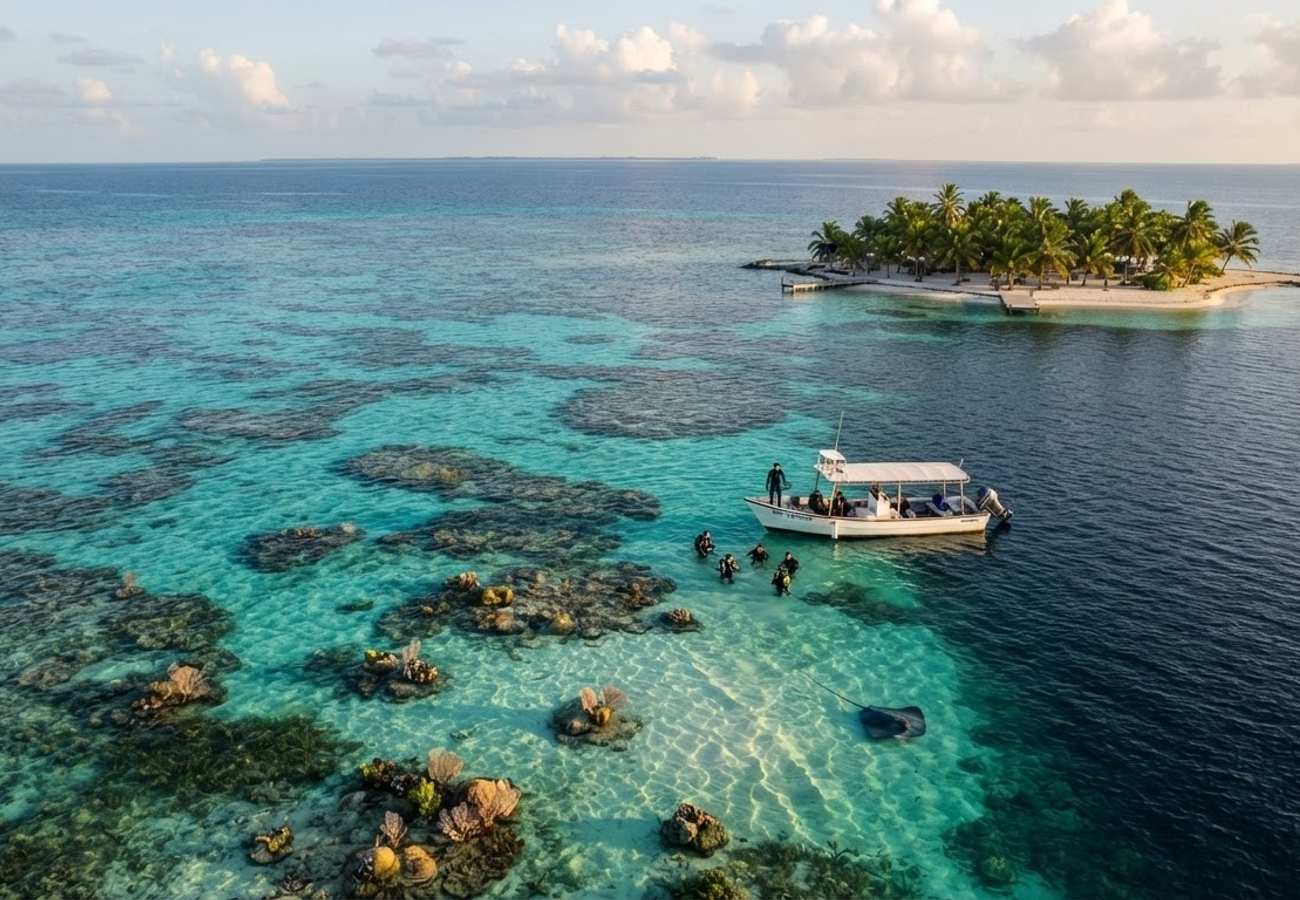
Image generated by AI
The Belize Barrier Reef, stretching roughly 190 miles along the Caribbean coast, serves as the primary natural draw for visitors to Belize. For first-time travelers, the logistical challenge lies in selecting a base that aligns with specific underwater goals—whether that is high-convenience snorkeling or remote atoll diving.
The reef is part of the larger Mesoamerican Reef system, the second largest of its kind globally. While the main barrier reef runs parallel to the coast and provides the sheltered waters used for most tourist excursions, the region also features offshore atolls—Lighthouse Reef, Turneffe Atoll, and Glover’s Reef. These are circular structures rising from deep water, enclosing calm lagoons and offering a more isolated experience.
Accessing these atolls typically requires 1.5 to 3 hours of boat travel from the mainland or northern cayes. Most visitors utilize full-day excursions or stay at all-inclusive lodges located directly on the atolls.
Strategic Base Selection: Hubs and Logistics
Choosing a base determines the accessibility of the reef and the type of infrastructure available. Our analysis of the regional hubs indicates a clear divide between convenience-driven and experience-driven locations.
Ambergris Caye (San Pedro) This is the primary reef hub. It offers the highest concentration of tour operators and upscale hotels. Logistically, it is the most efficient base; dive shops often provide hotel dock pickups, reaching reef sites in 10 to 15 minutes.
- Two-tank dive cost: 120 to 180 US dollars (excluding equipment).
- Half-day snorkel cost: 60 to 90 US dollars per person.
Caye Caulker A smaller, lower-intensity alternative to Ambergris. It is geared toward budget-conscious travelers and those preferring guesthouses and hostels.
- One-day snorkel tours: 80 to 120 US dollars (including lunch and gear).
- Vibe: "Go slow" atmosphere with sand streets.
Southern Mainland (Hopkins, Dangriga, Placencia) These bases provide access to the South Water Caye Marine Reserve, Gladden Spit, and the Silk Cayes. These locations are ideal for travelers combining reef activities with rainforest excursions or Garifuna cultural experiences.
Belize City Primarily a transit hub. While some operators run premium day trips to Turneffe, most visitors use the city solely for transfers to the islands or atoll lodges.
Underwater Activity Breakdown
The experience varies significantly depending on the region and the specific marine reserve visited.
Northern Reef and Hol Chan
The northern section off Ambergris Caye and Caye Caulker is the most accessible. Visibility generally ranges from 15 to 25 meters in calm conditions.
- Hol Chan Marine Reserve: A controlled environment perfect for beginners.
- Shark Ray Alley: A frequent stop for encounters with southern stingrays and nurse sharks.
Southern Reef and Patch Reefs
Trips from Hopkins or Placencia focus on patch reefs and sand cayes near South Water Caye. These sites are less crowded than Hol Chan and offer a "desert island" experience. Observations include healthy coral stands, eagle rays, and occasional large pelagics along the drop-offs.
Specialized Diving
- Beginners: Start with reef dives from Ambergris or Caye Caulker.
- Advanced: Target Turneffe Atoll for topography, Lighthouse Reef for the Blue Hole and steep walls, or Glover’s Reef for expedition-style diving.
Regional Cost and Access Summary
| Base | Primary Reef Access | Typical Snorkel Price | Typical Dive Price | Travel Time to Reef |
|---|---|---|---|---|
| Ambergris Caye | Northern Barrier / Hol Chan | $60 - $90 | $120 - $180 | 10 - 15 Minutes |
| Caye Caulker | Northern Barrier / Hol Chan | $80 - $120 | Variable | 15 - 30 Minutes |
| Southern Hubs | South Water Caye / Silk Cayes | Variable | Variable | Moderate |
| Atolls | Remote Outer Reefs | Package-based | Package-based | 1.5 - 3 Hours |
Why This Matters: Industry Implication
From a logistical perspective, the Belize reef system is not a monolithic destination. For the traveler, the "real impact" is the trade-off between infrastructure and intimacy.
Staying in San Pedro (Ambergris Caye) minimizes friction—you trade tranquility for a high density of services. Conversely, choosing an atoll lodge removes the safety net of town amenities but places the traveler directly on the reef. For first-time visitors, the Hol Chan/Shark Ray Alley circuit acts as a "curated highlight reel," providing high-probability wildlife encounters in a short window. However, those seeking "Information Gain"—meaning a more authentic, less crowded biological experience—should pivot toward the southern bases or the remote atolls.
Forward Outlook
Market trends suggest a growing shift toward "expedition-style" tourism. While the northern hubs will remain the primary entry points, there is increasing demand for the remote atolls. Travelers should expect stricter enforcement of marine reserve rules, including park fees collected in cash by rangers, as Belize continues to prioritize the conservation of the Mesoamerican Reef system.
The choice of base ultimately dictates whether the trip is a luxury vacation or a wilderness expedition.
Related Travel Guides
Disclaimer
This article is for informational and educational purposes only. It does not constitute legal, financial, or professional advice. While we strive to provide accurate and up-to-date information, travel policies, regulations, and conditions change rapidly. Always verify information with official sources before making travel decisions. Nomad Lawyer makes no representations about the accuracy, reliability, completeness, or suitability of the information provided. Readers should consult qualified professionals for advice specific to their circumstances. The views expressed in this article are those of the author and do not necessarily reflect the views of Nomad Lawyer.
Raushan Kumar
Founder & Lead Developer
Full-stack developer with 11+ years of experience and a passionate traveller. Raushan built Nomad Lawyer from the ground up with a vision to create the best travel and law experience on the web.
Learn more about our team →