
Belgium Travel Guide 2026: Medieval Castles, UNESCO Traditions, and Culinary Treasures Across Flanders and Wallonia
Discover Belgium's 3,000 castles, UNESCO-recognized traditions, regional cuisine, and efficient public transport networks. Complete insider guide to authentic Belgian experiences beyond Brussels and Bruges.

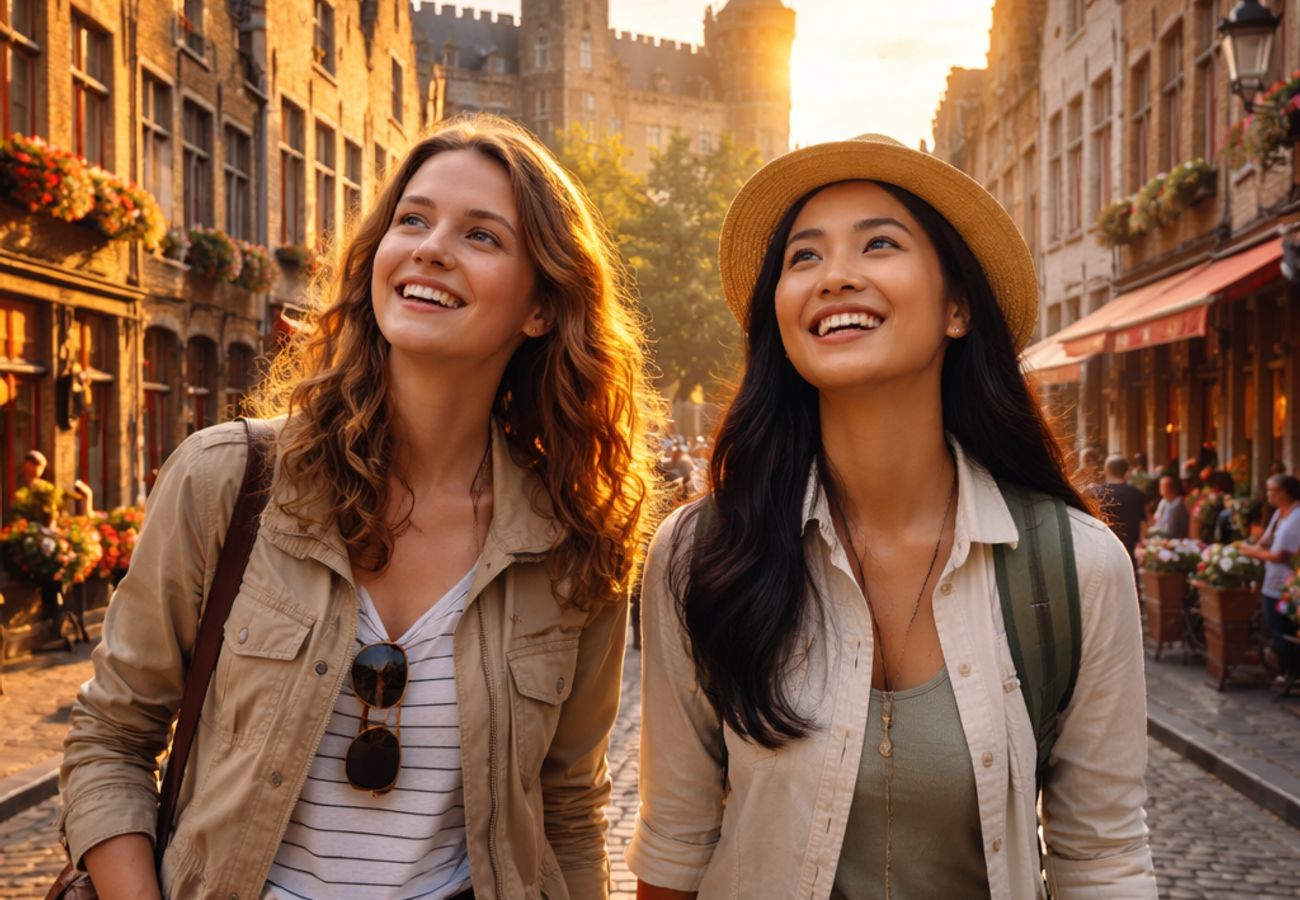
Image generated by AI
Belgium might be compact, but it packs more historical depth, culinary innovation, and cultural authenticity than most destinations twice its size. I've watched countless travelers dismiss Belgium as a quick weekend detour between Paris and Amsterdam—and watched them return, sheepishly admitting they'd massively underestimated the country.
The reality? Belgium is a masterclass in European charm: nearly 3,000 castles, vibrant UNESCO-recognized traditions, world-class regional cuisine, and a public transport system that actually works. Beyond the postcard shots of Brussels and Bruges, the country offers hidden gems, authentic festivals, and lived culture that most tourists never encounter.
Nearly 3,000 Castles: Medieval Fortresses Beyond the Guidebooks
Belgium's castle obsession is real. The country hosts nearly 3,000 castles, each with distinct architectural styles and historical narratives that span centuries.
Bouillon Castle dominates the Semois River valley with imposing medieval walls and rich feudal history. Standing there, the structure feels less like a museum piece and more like a living monument. Vêves Castle, with its dramatic towers dating back to the 14th century, provides tangible connection to feudal times—the kind of place where you can almost hear echoes of historical events.
Then there's Beloeil Castle, often called the Belgian Versailles. The manicured gardens and noble interiors rival any palace in Europe. Unlike crowded French châteaux, you can explore these Belgian fortresses via scenic drives or local trains, combining cultural exploration with nature walks through surrounding landscapes.
Reddit: "The castles in Belgium are criminally underrated. Vêves Castle felt like stepping into a fairy tale without the crowds of Loire Valley." — r/travel
The accessibility matters. Most castles sit within easy reach of major towns, meaning you're not sacrificing half a day to logistics. Public transport connects directly to key sites, and local hiking trails wind through surrounding countryside—turning castle visits into full-day adventures rather than rushed check-offs.
Culinary Excellence: From Street Vendors to Michelin-Starred Tables
Food is not secondary to Belgium travel—it's central to the entire experience. Each region has distinct culinary traditions, and understanding them means understanding Belgian culture itself.
Brussels dominates the luxury end, boasting high-end restaurants and artisanal chocolate shops that justify their reputation. But the real culinary story unfolds elsewhere. Ghent highlights waterzooi—a creamy Flemish stew that tastes like comfort distilled into a bowl. Liège owns coffee culture, traditional meatballs, and sweet Liège waffles that street vendors serve warm with pearl sugar. Ostend, hugging the North Sea, serves impossibly fresh seafood and shrimp that changes your understanding of coastal dining.
Bruges and Antwerp occupy the middle ground—elegant dining without the pretension of Brussels, with regional specialties prominently featured. Walk through any Belgian market (which operate weekly in most towns), and you'll encounter vendors serving frîtes—Belgian fries—with creamy mayonnaise that sets the global standard.
The best culinary experiences aren't reserved for restaurants. Walking through local markets, chatting with vendors, and sampling dishes as locals do creates authentic engagement with Belgian culture. Each meal becomes an opportunity to connect with regional identity—and that's where the real flavor emerges.
Living Traditions: UNESCO Heritage You Can Actually Witness
Belgium preserves remarkable traditions that turn travel into cultural immersion rather than sightseeing.
At Oostduinkerke, visitors witness horseback shrimp fishing—a UNESCO-recognized practice with deep historical roots. This isn't a staged tourist performance; it's genuine tradition maintained by local fishermen who've practiced the method for generations. The practice connects you to centuries of coastal Belgian life in ways that photographs simply can't capture.
Local festivals and weekly markets celebrate music, crafts, and heritage across the country. Small towns and rural villages hold unique seasonal celebrations that rarely appear in mainstream travel guides. Participating in these events connects you with community culture and contemporary Belgian society—not just historical artifacts.
Following Belgium travel guides and engaging directly with residents enriches each visit. You'll discover that modern Belgium seamlessly blends historical preservation with contemporary life. The traditions aren't preserved in amber; they're lived daily.
Navigating Belgium: Public Transport That Actually Works
Belgium's transport infrastructure is a traveler's dream—efficient, affordable, and remarkably straightforward.
Flanders relies on De Lijn buses and trams, while Wallonia uses TEC services. Brussels operates the STIB network, all three integrated into a seamless regional system. Trains efficiently connect major cities, castles, and cultural landmarks, meaning you can hop between Bruges, Ghent, Bouillon, and Liège without renting a car or navigating complicated itineraries.
Walking through historic districts uncovers hidden squares, canals, and architecture that larger cities hide behind tourist crowds. For hikers, Ardennes trails provide scenic routes through forests and countryside—seriously competitive with Alpine alternatives at a fraction of the tourist density.
Combining public transport with walking ensures full immersion while maintaining flexibility. Observing local habits—enjoying coffee at a sidewalk café, exploring markets on foot, cycling through city centers—adds depth to the cultural journey in ways that rushed itineraries never achieve.
Belgium Travel Highlights by Region
The regional breakdown matters, because Belgium isn't monolithic.
Flanders (north) centers on Bruges, Ghent, and Antwerp—medieval market towns, waterzooi, strong beer culture, and De Lijn transport networks. Wallonia (south) owns Bouillon, Vêves, and Liège—castle-dense landscapes, Liège waffles and meatballs, TEC buses, and hiking routes. Brussels combines palace museums, chocolate excellence, and cosmopolitan energy. The Coast around Ostend and Knokke-Heist delivers seafood, shrimp markets, Fort Napoleon heritage, and cycling infrastructure.
Each region offers distinct entry points depending on your interests. Castle enthusiasts prioritize Wallonia. Foodies split time between Ghent and Liège. Culture seekers base themselves in Bruges or Antwerp. Coastal travelers head to Ostend. The beauty is that efficient rail networks mean you're never locked into one region—a 30-minute train ride bridges them all.
Planning Your Belgium Visit: Practical Essentials
Start with medieval castles—Bouillon, Beloeil, and Vêves form a logical triangle. Sample regional cuisine in each city you visit; don't skip markets. Witness UNESCO traditions if timing allows—Oostduinkerke shrimp fishing operates seasonally. Attend city festivals and outdoor markets to experience local culture authentically. Use public transport efficiently while exploring cities on foot. Most importantly: engage with locals. They'll guide you toward experiences that never appear in guidebooks.
Belgium seamlessly blends castles, cuisine, and culture in a compact and genuinely accessible country. Nearly 3,000 castles, coastal seafood, living UNESCO traditions, and efficient transport networks mean you're experiencing authentic Belgian heritage—not a curated version designed for tourists. Whether you're walking medieval city centers, attending regional festivals, or hiking Ardennes trails, Belgium promises a rich, memorable European experience that justifies far more than a weekend.
Belgium isn't underrated—it's just waiting for travelers willing to stay longer than they planned.
Related Travel Guides
Disclaimer
This article is for informational and educational purposes only. It does not constitute legal, financial, or professional advice. While we strive to provide accurate and up-to-date information, travel policies, regulations, and conditions change rapidly. Always verify information with official sources before making travel decisions. Nomad Lawyer makes no representations about the accuracy, reliability, completeness, or suitability of the information provided. Readers should consult qualified professionals for advice specific to their circumstances. The views expressed in this article are those of the author and do not necessarily reflect the views of Nomad Lawyer.
Kunal K Choudhary
Co-Founder & Contributor
A passionate traveller and tech enthusiast. Kunal contributes to the vision and growth of Nomad Lawyer, bringing fresh perspectives and driving the community forward.
Learn more about our team →