
Belgium's Hidden Castle Trail: Medieval Fortresses, UNESCO Traditions, and Culinary Secrets Rewarding Nomads in 2026
Belgium's 3,000 castles, UNESCO shrimp fishing traditions, and regional cuisine create an underrated European escape for digitally mobile travelers seeking culture without crowds.

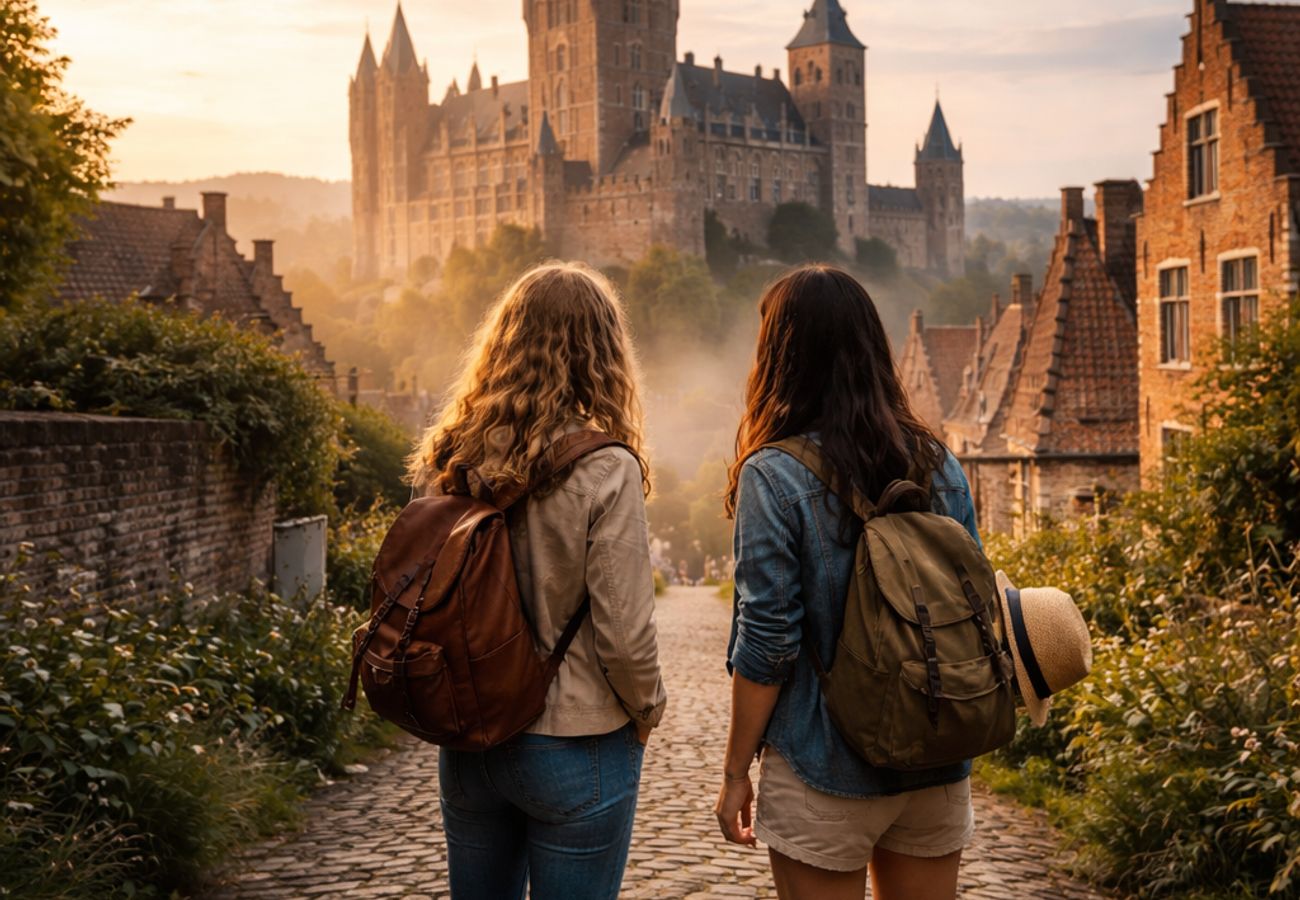
Image generated by AI
I discovered something the mainstream travel blogs overlook: Belgium isn't just Brussels and Bruges. The country harbors nearly 3,000 castles, living UNESCO traditions, and a food culture so distinct it deserves its own passport. For nomads seeking cultural immersion without the overtourism of France or Italy, Belgium delivers European authenticity on a human scale.
The numbers are staggering. Yet most travelers spend 48 hours in Bruges and leave. That's the real tragedy.
The Castle Renaissance: Beyond Picture-Perfect Postcards
Bouillon Castle rises from the Semois River valley like something straight out of a fever dream. Medieval walls dominate the landscape, and the fortress connects you directly to feudal Europe—not through sterile museum displays, but through tangible stone and history. Built in the 11th century, this isn't theatrical reconstruction; it's raw architectural authenticity.
Then there's Vêves Castle, dating to the 14th century with its dramatic towers piercing the Ardennes skyline. Walking through these corridors, you understand why castles defined European power structures for five centuries.
Beloeil Castle—often called the Belgian Versailles—offers a contrasting experience. Manicured gardens and noble interiors reflect aristocratic refinement rather than militant defense. The architecture alone justifies the journey through the Walloon countryside.
The genius move? Rail networks connect these fortresses efficiently, meaning you can combine cultural exploration with scenic train rides. No rental car needed. No highway stress. Just castles, landscapes, and contemplation.
Shrimp Fishing on Horseback: UNESCO's Weirdest Living Tradition
At Oostduinkerke, fishermen still wade into the North Sea on horseback, nets in hand, harvesting shrimp the way their ancestors did centuries ago. This isn't performance tourism. It's an active, UNESCO-recognized practice that locals actually continue.
Reddit: "I watched the horseback shrimp fishing and honestly couldn't believe it was still real. Not a reenactment. Actual guys, actual horses, actual tradition." — r/travel
The practice generates real income for real families. When you purchase their catch at the fish market, you're participating in economic continuity, not just consuming a spectacle. That's the difference between tourism and cultural engagement.
Culinary Geography: Belgium's Edible Map
Food tells the story of a place better than any guidebook.
Brussels commands chocolate supremacy and fine dining temples. But leave the capital. Ghent specializes in waterzooi—a stew so rich and warming it defines comfort food across Flanders. Liège is where you discover coffee culture and tarte à la Liégeoise (a waffle filled with pearl sugar) that converts carb skeptics into believers.
The coast changes everything. Ostend and the fishing villages serve seafood so fresh it arrives at your plate still tasting of salt spray. Walk through the morning fish markets before tourists wake up. Watch vendors sort catches. Negotiate with locals. Eat where fishermen eat.
Belgian fries—frîtes—demand respect. Not fast-food pedestrian cuts, but hand-cut potatoes fried twice in animal fat, served in paper cones with six types of mayonnaise. It's structural engineering meets comfort food. Street vendors serve this better than any restaurant.
Regional Transport Decoded: Moving Like a Local
Belgium's transport infrastructure reads like a novice's dream.
Flanders relies on De Lijn buses and tram networks covering nearly every village. Wallonia uses TEC services (less flashy, equally comprehensive). Brussels operates the STIB metro system—straightforward, efficient, affordable.
Trains connect major cities and castle towns with precision timing. For hikers, the Ardennes trails offer forest routes through Belgium's only mountainous region. For cyclists, Belgium invented infrastructure worship—nearly every town has dedicated bike lanes.
Walking through historic districts uncovers what maps never show: hidden squares, canal-side cafés, architecture speaking centuries of stories. The pedestrian experience is the travel experience here.
The Practical Framework: Planning Your Belgium Immersion
Regional Breakdown at a Glance
| Region | Key Cities | Signature Food | Historic Castles | UNESCO Heritage | Best Transport |
|---|---|---|---|---|---|
| Flanders | Bruges, Ghent, Antwerp | Waterzooi, Belgian beer | Gravensteen, Laarne | Medieval markets, local festivals | De Lijn trams, trains, walking |
| Wallonia | Bouillon, Vêves, Liège | Meatballs, waffles | Bouillon, Vêves | Oostduinkerke horseback shrimp fishing | TEC buses, regional trains |
| Brussels | City center districts | Chocolate, frites | Royal Palace | Art museums, Grand Place | STIB metro, extensive walking |
| Coast | Ostend, Knokke-Heist | Fresh seafood, shrimp | Fort Napoleon | Coastal traditions, fish markets | Trains, local buses, cycling |
This isn't theoretical travel planning. This is tested navigation for someone actually moving through Belgium.
What Actually Matters: The Nomad Advantage
Belgium rewards the traveler who stays longer than three days. Rent an apartment in Ghent or Bruges for two weeks. Learn the café routines. Shop at markets on Tuesday mornings. Attend a local festival. Chat with vendors about regional history.
The country's compactness means you're never more than 90 minutes from a castle, a coastline, or a forest trail. This creates options without decision paralysis—the killer of meaningful travel.
Digital nomads specifically benefit from Belgium's infrastructure. Coworking spaces exist in major cities. WiFi is reliable. Coffee culture is serious. Cost of living remains reasonable compared to France or Germany.
Most importantly: Belgians don't perform their culture for tourists. They live it. That's the unstated promise here.
Belgium doesn't scream at you—it quietly invites you to stay longer and understand deeper.
Related Travel Guides
Disclaimer
This article is for informational and educational purposes only. It does not constitute legal, financial, or professional advice. While we strive to provide accurate and up-to-date information, travel policies, regulations, and conditions change rapidly. Always verify information with official sources before making travel decisions. Nomad Lawyer makes no representations about the accuracy, reliability, completeness, or suitability of the information provided. Readers should consult qualified professionals for advice specific to their circumstances. The views expressed in this article are those of the author and do not necessarily reflect the views of Nomad Lawyer.
Raushan Kumar
Founder & Lead Developer
Full-stack developer with 11+ years of experience and a passionate traveller. Raushan built Nomad Lawyer from the ground up with a vision to create the best travel and law experience on the web.
Learn more about our team →