Belarus Renews Visa Waiver for 38 European States Across Road, Rail and Air Borders

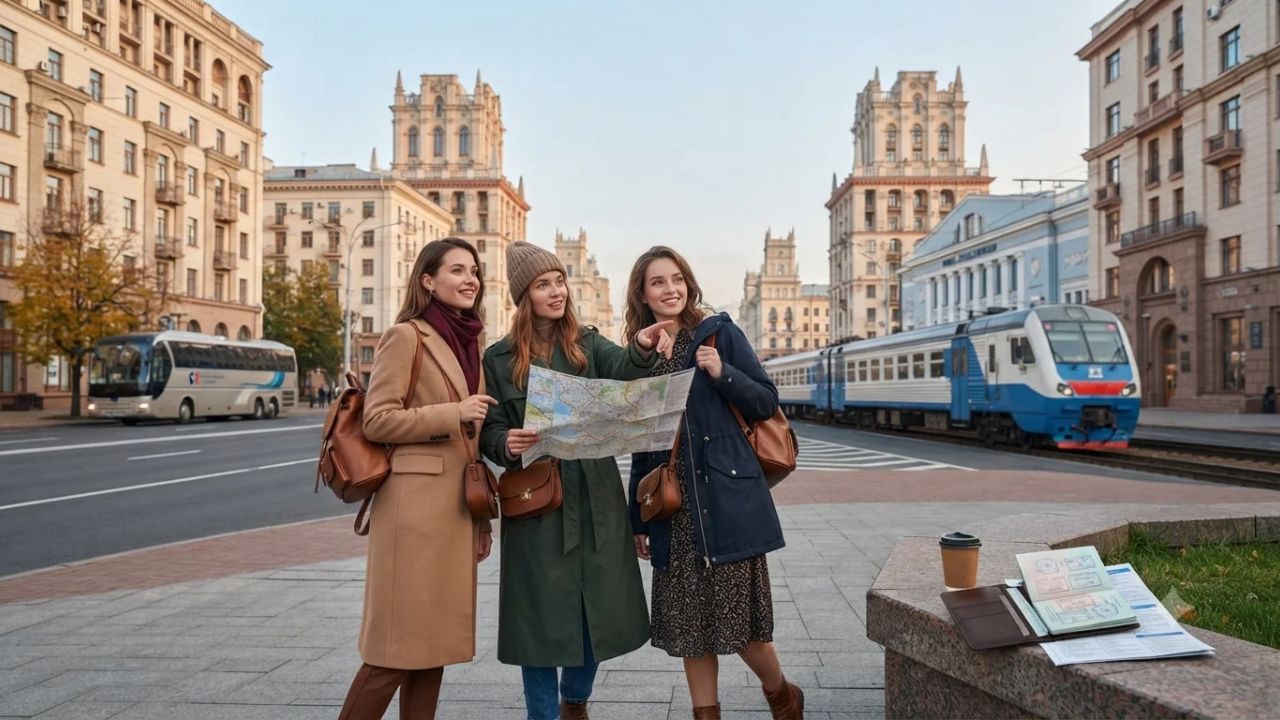
The Government of Belarus has officially extended its unilateral visa-free travel regime for citizens of 38 European nations through December 31, 2027, preserving direct road, railway, and aviation entry privileges across designated international checkpoints. Formally announced by the Belarusian presidency on November 25, 2026, ahead of the policy's scheduled year-end expiration, the decree maintains established stay durations—permitting stays of up to 30 days for 35 European states and up to 90 days for neighboring Poland, Lithuania, and Latvia—while leaving mandatory medical insurance, temporary residence registration protocols, and strict prohibitions on onward travel to Russia fully in force.
The decision to extend the visa-free framework for an additional calendar year highlights Minsk's continued effort to maintain cross-border connectivity and encourage people-to-people exchanges with European neighbors despite severe geopolitical friction and Western sanctions. Originally established in April 2022 as a localized bilateral gesture for citizens of Latvia and Lithuania before expanding to Poland and subsequently incorporating 35 additional continental European states in 2024, the program has recorded over 1.4 million visits by European citizens. However, the extension takes place against a complex security environment characterized by stringent Western government travel warnings, active closures of key land border crossings by Warsaw and Vilnius, and stark warnings regarding the invalidation of standard travel insurance policies.
For international travelers, expatriates, dual citizens, and cross-border families considering journeys to Minsk, Brest, Grodno, or regional commercial hubs, understanding the operational boundaries of this unilateral concession requires a detailed examination of eligible nationalities, strict annual stay ceilings, transit limitations, and consular risks.
| Strategic Policy Dimension | Current Operational Framework | Extension Details (Through Dec 31, 2027) | Critical Traveler Considerations |
|---|---|---|---|
| Eligible Nationalities | 38 designated European states | Unchanged (38 sovereign European countries) | Citizenship-based only; EU residency permits excluded |
| Duration of Stay (Core Tier) | Up to 30 days per entry (35 nations) | Extended without modification | UK, Germany, France, Italy, Spain, etc. |
| Duration of Stay (Regional Tier) | Up to 90 days per entry (Poland, LT, LV) | Extended without modification | Includes Latvian non-citizen passport holders |
| Cumulative Annual Limit | Maximum 90 days per calendar year | Strictly enforced across multiple entries | Prevents unauthorized permanent or long-term residence |
| Approved Points of Entry | Designated road, rail, and airport checkpoints | Maintained across operational border posts | Subject to physical border closures by EU neighbors |
| Medical Insurance Requirement | Mandatory Belarusian or certified policy | Minimum €10,000 emergency medical coverage | Western policies frequently void under FCDO warnings |
| Temporary Registration | Mandatory if staying over 10 business days | Enforced through hotels or regional OGiM offices | Heavy fines and exit bans for non-compliance |
| Transit to Russian Federation | Strictly prohibited via internal border | Absolute legal barrier for third-country fliers | Mutual visa accord excludes unilateral waiver entries |
| Western Travel Advisory Status | Level 4 "Do Not Travel" / "Advise Against" | Unaltered by UK FCDO, US State Dept, Canada | Limited consular protection and detention risks |
Evolution of the Unilateral Concession: From Bilateral Experiment to Continental Policy
The visa-free regime established by Belarus represents one of the most unusual border policies in Eastern Europe. Rather than negotiating reciprocal visa-waiver agreements—the standard diplomatic mechanism governing international travel exemptions—Belarus instituted these privileges unilaterally, without demanding reciprocal access for its own citizens traveling into the European Union.
Chronological Evolution of the Belarusian European Visa-Free Policy:
┌─────────────────────────────────────────────────────────────┐
│ April 2022: Bilateral Launch for Latvia and Lithuania       │
│ - Introduced to facilitate border-region family visits      │
├─────────────────────────────────────────────────────────────┤
│ July 2022: Expansion to Polish Citizens                     │
│ - Land border crossings opened for 90-day visa-free stays   │
├─────────────────────────────────────────────────────────────┤
│ July 2024: Continental Expansion to 35 Additional Nations   │
│ - Extended to UK, Germany, France, and Western Europe       │
│ - Introduced standardized 30-day single-entry limit         │
├─────────────────────────────────────────────────────────────┤
│ November 2026: Comprehensive Extension Through End of 2027 │
│ - Preserves all 38 nations across road, rail, and air ports │
│ - Reaffirms 1.4M+ cumulative traveler milestone             │
└─────────────────────────────────────────────────────────────┘
The motivation behind the policy is multifaceted. Domestically, the Belarusian State Border Committee (Gospogrankomitet) highlights the humanitarian, familial, and economic dividends generated by cross-border visitation. Thousands of families divided by the Belarusian-Polish and Belarusian-Baltic frontiers rely on the waiver for weddings, funerals, and seasonal visits. Economically, European visitors inject foreign currency into regional hotels, sanitariums, private dental clinics, and retail centers.
Diplomatically, the policy serves as a strategic messaging instrument, allowing Minsk to present itself as open to European civil society while deflecting Western accusations of regional isolationism. By issuing the renewal decree more than a month prior to the December 31, 2026 expiration date, the presidential administration has eliminated operational uncertainty for cross-border transport carriers, bus lines, and individual holiday travelers.
The Complete Roster: Which 38 European Nations Qualify
The visa-free extension applies exclusively to citizens holding valid national passports issued by 38 designated European sovereign nations. The exemption is grounded strictly in nationality, rather than geographic origin or residency.
The 38 Eligible European Sovereign Nations:
┌─────────────────────────────────────────────────────────────────────────┐
│ Andorra, Austria, Belgium, Bosnia and Herzegovina, Bulgaria, Croatia,   │
│ Cyprus, Czech Republic, Denmark, Estonia, Finland, France, Germany,     │
│ Greece, Hungary, Iceland, Ireland, Italy, Latvia (including non-citizen │
│ passport holders), Liechtenstein, Lithuania, Luxembourg, Malta, Monaco, │
│ Netherlands, North Macedonia, Norway, Poland, Portugal, Romania,        │
│ San Marino, Slovakia, Slovenia, Spain, Sweden, Switzerland,             │
│ United Kingdom, and Vatican City.                                       │
└─────────────────────────────────────────────────────────────────────────┘
Critical Legal Distinctions in Eligibility
Travelers must pay close attention to the strict legal parameters defining eligibility under the presidential decree:
- Citizenship vs. European Union Residency: Eligibility is tied strictly to holding a valid passport from one of the 38 designated states. A third-country national—such as an Indian, American, Turkish, or Brazilian citizen—who holds a permanent residence card, work permit, or long-term Schengen visa issued by an EU member state (such as Germany or Poland) is not eligible for this visa waiver. Third-country nationals must apply for a standard entry visa or qualifying eVisa through official consular channels.
- Latvian Non-Citizen Status: The decree explicitly includes individuals holding the status of a non-citizen of the Republic of Latvia (nepilsoņa pase). This concession accommodates a substantial demographic of permanent Baltic residents who hold purple non-citizen passports, granting them the same 90-day entry privileges accorded to full Latvian citizens.
- Document Validity: Passports must be genuine, undamaged, and valid for at least 90 days beyond the intended date of departure from Belarus. Emergency travel documents, provisional passports, or collective identity certificates may be refused at land border checkpoints.
Two-Tiered Stay Allowances and Cumulative Annual Limits
The Belarusian visa-free regime does not apply uniform stay allowances across all 38 nations. Instead, it operates a differentiated two-tier framework based on geographic proximity and historical cross-border ties.
Two-Tiered Stay Duration Architecture:
┌─────────────────────────────────────────────────────────────┐
│ TIER 1: REGIONAL NEIGHBORS (Poland, Lithuania, Latvia)      │
│ - Single-Entry Stay Allowance: Up to 90 Days                │
│ - Includes Latvian Non-Citizen Passport Holders             │
│ - Tailored for extended family visits and regional commerce │
├─────────────────────────────────────────────────────────────┤
│ TIER 2: CONTINENTAL EUROPE (35 Nations, including UK)       │
│ - Single-Entry Stay Allowance: Up to 30 Days                │
│ - Applicable to Germany, France, Italy, Spain, etc.         │
│ - Structured for business trips, tourism, and transit       │
└─────────────────────────────────────────────────────────────┘
                               │
                               ▼
┌─────────────────────────────────────────────────────────────┐
│ UNIVERSAL CUMULATIVE CEILING: MAXIMUM 90 DAYS PER YEAR      │
│ - Applies to all 38 nationalities without exception         │
│ - Cumulative total across all entries within a calendar year │
│ - Overstays trigger administrative detention & 5-year bans │
└─────────────────────────────────────────────────────────────┘
The 90-Day Annual Cumulative Ceiling
A critical legal pitfall for frequent visitors is the cumulative annual ceiling. Under Belarusian immigration statutes, no foreign national traveling under the European visa waiver may spend more than a total of 90 days on Belarusian territory within a single calendar year (calculated from January 1 to December 31).
For a Polish or Lithuanian traveler entering under Tier 1, utilizing a single 90-day stay completely exhausts their legal visa-free entitlement for that calendar year. Any subsequent attempt to re-enter Belarus without an official visa prior to the following January 1 will result in denied entry at the border. Similarly, a British or German traveler entering under Tier 2 could execute three separate 30-day trips during a calendar year, but a fourth attempt would breach the cumulative annual limit.
Overstaying the permitted single-entry duration or exceeding the 90-day annual ceiling constitutes an administrative offense under Article 24.35 of the Belarusian Code of Administrative Offenses. Penalties include substantial financial fines (often reaching thousands of Belarusian rubles), formal deportation, and entry bans ranging from one to five years across both Belarus and the Russian Federation.
Mandatory Compliance: Health Insurance and Residence Registration
Entering Belarus without a visa does not exempt foreign travelers from internal administrative compliance. The State Border Committee and the Department of Citizenship and Migration (OGiM) strictly enforce mandatory health insurance and temporary residence registration requirements.
Mandatory Visitor Compliance Framework:
[Border Checkpoint] ──> [Entry Stamp & Migration Card] ──> [Mandatory Health Insurance]
                                                                   │
                                                                   ▼
[Within 10 Days]    ──> [Electronic or Hotel Registration] ──> [OGiM Validation Record]
                                                                   │
                                                                   ▼
[Exit Checkpoint]   ──> [Receipt & Card Inspection]        ──> [Clean Departure Clearance]
1. Mandatory Medical Insurance Coverage
Every foreign national entering Belarus must possess valid medical insurance that satisfies strict statutory criteria:
- Minimum Coverage Limit: The policy must provide a minimum coverage limit of €10,000 (or the equivalent in foreign currency) for emergency medical treatment, hospitalization, and medical repatriation.
- Geographic Validity: The certificate of insurance must explicitly state that its validity encompasses the territory of the Republic of Belarus. Policies stating "Europe" or "Worldwide" are frequently rejected by border officers if Belarus is not explicitly named or recognized as covered.
- Acquiring Compliant Policies: Travelers whose domestic Western insurance policies exclude Belarus due to government travel advisories can purchase official state-approved insurance policies directly at the border. State insurance agencies (such as Belgosstrakh and Beleximgarant) operate service kiosks at all functioning international road and airport border posts, charging modest premiums typically ranging between €1.50 and €3.00 per day of intended stay.
2. Temporary Residence Registration Rules
Foreign citizens staying in Belarus for longer than 10 business days (excluding Sundays, public holidays, and national non-working days) are legally obligated to register their place of temporary residence:
- Hotel and Sanitarium Accommodation: If staying at a licensed commercial hotel, hostel, guest house, or medical sanitarium, the accommodation management automatically registers the guest electronically upon check-in. Travelers must ensure the front desk provides a physical registration slip or stamp on the white Migration Card issued at the border.
- Private Residences and Apartment Rentals: Foreigners residing in private apartments, rented flats, or with family members must register independently within the 10-day window. Registration can be completed online free of charge via the Unified Portal of Electronic Services (portal.gov.by) or in person at the local district Department of Citizenship and Migration (OGiM) accompanied by the property owner.
- Exit Verification: When departing Belarus, border officers inspect the passport, Migration Card, and registration slips. Failure to register within the statutory 10-day limit results in administrative fines and potential delays at the border terminal.
The Absolute Prohibition: The Internal Russia Land Border
Among the most dangerous legal errors a foreign traveler can make is attempting to cross from Belarus into the Russian Federation using the European visa waiver.
While Belarus and Russia form a supranational "Union State" and have historically maintained an open internal administrative border with minimal physical infrastructure, this internal border is legally open only to citizens of Belarus and Russia.
THE CRITICAL BORDER DISTINCTION:
┌─────────────────────────────────────────────────────────────┐
│ SCENARIO A: European Traveler on Belarus Visa Waiver        │
│ Entry: Poland ──> Belarus (Legal via European Waiver)       │
│ Onward: Belarus ──> Russia via Land/Train (STRICTLY ILLEGAL)│
│ Consequence: Criminal border breach, detention, FSB arrest  │
├─────────────────────────────────────────────────────────────┤
│ SCENARIO B: Mutual Visa Recognition Accord (Separate Regime) │
│ Eligibility: Travelers holding valid Russian OR Belarus VISA│
│ Transit: Permitted only through designated international    │
│ checkpoints, road corridors, or commercial air flights      │
│ Exemption Status: Unilateral waivers EXCLUDED from accord   │
└─────────────────────────────────────────────────────────────┘
Why the Waiver Does Not Grant Russian Access
- Lack of International Checkpoints: The road and rail routes connecting Belarus and Russia (such as the M1 highway through Smolensk) do not possess international border crossing infrastructure equipped to process third-country nationals. There are no Russian border officers stationed to issue entry stamps or process migration cards.
- Criminal Violation in Russian Law: Crossing the Belarusian-Russian land border as a third-country citizen without passing through a recognized international port of entry constitutes an illegal border crossing under Article 322 of the Criminal Code of the Russian Federation, punishable by heavy fines, detention, and imprisonment.
- Exclusion from the Mutual Visa Agreement: While Moscow and Minsk signed an intergovernmental agreement on the mutual recognition of visas, that accord applies exclusively to travelers who hold formal, physically issued visas or qualifying eVisas. Unilateral entry waivers enacted independently by Minsk are legally rejected by Russian border authorities.
- Air Travel Restrictions: European travelers cannot board a commercial flight from Minsk National Airport (MSQ) to Moscow, St. Petersburg, or Sochi relying on the visa waiver. Flights between Belarus and Russia operate out of domestic or specialized sectors, and passengers must present valid Russian travel documents or visas prior to boarding.
Western Travel Advisories and Consular Realities
The extension of Belarus's visa waiver creates a sharp divergence between Belarusian immigration policy and Western diplomatic guidance. While Minsk actively promotes visitor entries, virtually every Western government maintains severe, highest-tier travel warnings warning its citizens against traveling to the country.
Western Government Advisory Classifications for Belarus (Nov 2026):
┌─────────────────────────┬─────────────────────────┬─────────────────────────┐
│ United Kingdom (FCDO)   │ United States (State)   │ Canada (Global Affairs) │
│ "Advise Against All     │ "Level 4: Do Not Travel"│ "Avoid All Travel"      │
│  Travel to Belarus"     │ Regional security, war, │ Severe safety, limited  │
│  Invalidates insurance  │ arbitrary detention     │ consular support        │
└─────────────────────────┴─────────────────────────┴─────────────────────────┘
Specific Operational and Legal Risks
Western diplomatic missions—including the British Embassy in Minsk, the US Department of State, and Global Affairs Canada—highlight several specific risks that travelers must weigh before entering the country:
- Arbitrary Detention and Surveillance: Western governments warn that foreign visitors, particularly citizens of NATO member states, face heightened scrutiny by security agencies (KGB). Casual photography of infrastructure, administrative buildings, or rail hubs can lead to questioning or arrest under national security laws.
- Extreme Scrutiny of Electronic Devices: At border checkpoints, Belarusian customs and border officials routinely conduct electronic device inspections. Border agents may demand that travelers unlock smartphones, tablets, and laptops to inspect private communications, social media histories, and news subscriptions. Subscriptions to independent media outlets, human rights channels, or platforms designated as "extremist organizations" by Belarusian courts can result in immediate administrative arrest, fines, and formal deportation.
- Severe Dual-Nationality Risks: Individuals holding dual citizenship (such as Belarusian-British, Belarusian-German, or Belarusian-Polish nationality) are treated exclusively as Belarusian citizens under domestic law. Western embassies cannot provide consular assistance, prevent compulsory military mobilization, or assist dual nationals who are prohibited from leaving the country.
- Voiding of Travel Insurance: Travel against the explicit advice of national foreign offices (such as the UK FCDO) universally invalidates standard international travel insurance policies. If an uninsured traveler suffers a medical emergency or accident in Belarus, private medical evacuation flights to Western European hospitals can easily exceed €35,000 to €80,000, payable entirely out of pocket.
- Limited Consular Extraction Capabilities: Most Western embassies in Minsk operate with severely reduced diplomatic staffing. If a traveler is detained or encounters legal difficulties, consular officers may face prolonged delays or outright refusals when seeking prison visitation access.
Checkpoint Realities: Land Border Congestion and Closures
Although Belarus permits entry across all designated road and rail checkpoints, the practical reality of crossing the border is dictated by the border policies of its European Union neighbors: Poland, Lithuania, and Latvia.
In response to geopolitical instability, migrant flows, and security tensions, neighboring EU states have closed the majority of their historical land border crossings, funneling massive passenger and freight traffic through a handful of remaining bottlenecks.
Current Operational Status of EU-Belarus Land Checkpoints:
┌─────────────────────────────────────────────────────────────┐
│ POLAND - BELARUS BORDER:                                    │
│ - Terespol / Brest: ONLY open passenger car and bus crossing│
│ - Bobrowniki / Berestovitsa: CLOSED to all passenger traffic│
│ - Kuźnica / Bruzgi: CLOSED to all passenger traffic         │
├─────────────────────────────────────────────────────────────┤
│ LITHUANIA - BELARUS BORDER:                                 │
│ - Medininkai / Kamenny Log: Operational (Extensive delays)  │
│ - Šalčininkai / Benyakoni: Operational (Extensive delays)   │
│ - Lavoriškės, Raigardas, Tverečius, Šumskas: ALL CLOSED     │
├─────────────────────────────────────────────────────────────┤
│ LATVIA - BELARUS BORDER:                                    │
│ - Pāternieki / Grigorovshchina: ONLY open passenger border  │
│ - Silene / Urbany: CLOSED to all passenger traffic          │
└─────────────────────────────────────────────────────────────┘
Crossing Times and Operational Friction
- Extreme Transit Delays: With only one passenger crossing functioning between Poland and Belarus (Terespol–Brest), scheduled international buses and private passenger cars routinely endure border wait times ranging from 12 to 36 hours during peak holiday windows. Lithuanian crossings at Medininkai and Šalčininkai experience comparable multi-hour processing queues.
- Passenger Rail Suspensions: Direct international passenger rail services connecting Warsaw, Vilnius, and Riga to Minsk remain entirely suspended. Travelers utilizing public transport must rely on international long-distance motorcoaches (such as Eurolines, Ecolines, or Minsktrans).
- Aviation Constraints: European airspace restrictions prevent direct commercial flights between EU capitals and Minsk National Airport. Travelers arriving by air must fly via third-country aviation hubs, primarily Istanbul (Turkish Airlines / Belavia), Dubai (flydubai / Belavia), Tbilisi, or Yerevan.
- Sudden Border Shutdowns: EU border policies remain highly reactive. Border agencies in Warsaw, Vilnius, and Riga maintain the operational authority to close remaining crossing points with minimal advance notice if security incidents occur along the perimeter.
Strategic Outlook: Balancing Concession with Geopolitical Friction
The extension of the 38-nation visa waiver through the end of 2027 reflects a calculated, long-term policy choice by the Belarusian leadership. Over 1.4 million European visits have demonstrated that despite severe diplomatic confrontation at the governmental level, societal and economic demand for cross-border transit remains deeply entrenched.
For the Belarusian state, the waiver preserves a vital economic valve, supports the national service sector, and maintains an open door toward the European public. Yet for the individual traveler, the policy presents a profound paradox: an official system designed to maximize ease of entry, coexisting alongside an external geopolitical environment characterized by shuttered border posts, electronic device searches, and comprehensive Western travel advisories.
Those who choose to utilize the visa-free concession must proceed with rigorous preparation: verifying single-entry and annual day limits, securing certified medical insurance, registering temporary accommodations punctually, remaining strictly on Belarusian territory without venturing toward Russian borders, and maintaining absolute awareness of local security regulations.
Frequently Asked Questions
Which European countries are eligible for the extended Belarus visa-free regime?
Citizens of 38 European countries are eligible: Andorra, Austria, Belgium, Bosnia and Herzegovina, Bulgaria, Croatia, Cyprus, Czech Republic, Denmark, Estonia, Finland, France, Germany, Greece, Hungary, Iceland, Ireland, Italy, Latvia (including Latvian non-citizen passport holders), Liechtenstein, Lithuania, Luxembourg, Malta, Monaco, Netherlands, North Macedonia, Norway, Poland, Portugal, Romania, San Marino, Slovakia, Slovenia, Spain, Sweden, Switzerland, United Kingdom, and Vatican City.
What is the new expiration date of the visa-free policy?
The Belarusian presidency has extended the visa-free regime through December 31, 2027. The program was previously set to expire on December 31, 2026.
How long can eligible European citizens stay in Belarus without a visa?
The permitted length of stay depends on nationality:
- Citizens of Poland, Lithuania, and Latvia (including Latvian non-citizen passport holders) can stay up to 90 days per entry.
- Citizens of the remaining 35 eligible countries (including the UK, Germany, France, Italy, and Spain) can stay up to 30 days per entry.
Is there an overall annual limit on visa-free stays?
Yes. Regardless of nationality, no traveler may spend more than a cumulative total of 90 days in Belarus under the visa waiver within a single calendar year (January 1 to December 31). Exceeding this limit constitutes an administrative offense subject to fines, detention, and entry bans.
Does the visa waiver permit travelers to cross into Russia from Belarus?
No. The visa waiver is strictly limited to the territory of the Republic of Belarus. Crossing the land border between Belarus and the Russian Federation is illegal for third-country nationals, as there are no international border checkpoints. The bilateral mutual visa recognition agreement applies only to foreign citizens holding physical visas or official eVisas, not unilateral visa waivers.
What are the health insurance requirements for visa-free entry?
All travelers must possess a valid medical insurance policy providing a minimum of €10,000 in emergency medical coverage that explicitly covers the territory of Belarus. If a traveler's foreign insurance policy is not recognized, compliant medical insurance can be purchased at state insurance kiosks located at border checkpoints for a modest daily fee.
What are the temporary residence registration rules for visitors?
Foreign visitors staying in Belarus for more than 10 business days must register their temporary residence. Those staying in commercial hotels or sanitariums are registered automatically by the establishment. Visitors staying in private apartments or residences must register independently via the government electronic portal (portal.gov.by) or at the local Department of Citizenship and Migration (OGiM).
Are all land border crossings between the EU and Belarus open?
No. Poland, Lithuania, and Latvia have closed numerous border posts. Currently, the only operational passenger vehicle border between Poland and Belarus is Terespol–Brest. Lithuania operates two crossings (Medininkai and Šalčininkai), while Latvia operates one (Pāternieki). Travelers face extensive crossing queues that can exceed 12 to 24 hours.
Can travelers enter Belarus by air without a visa?
Yes. Eligible European citizens can enter Belarus visa-free through international airports, primarily Minsk National Airport (MSQ). However, because direct commercial flights between the EU and Belarus are banned, travelers must fly via intermediate hubs such as Istanbul, Dubai, Tbilisi, or Yerevan.
What travel advice do Western governments issue regarding Belarus?
Major Western governments strongly advise against all travel to Belarus. The UK Foreign, Commonwealth & Development Office (FCDO) advises against all travel; the US Department of State maintains a Level 4 "Do Not Travel" advisory; and Canada advises citizens to avoid all travel. These warnings cite regional armed conflict, arbitrary detention risks, electronic device inspections, dual-nationality issues, and the cancellation of standard travel insurance policies.
Related Travel Guides
- Cayman Islands Considers New Electronic Travel Authorisation in Border Overhaul - Examine how biometric eGates and advance digital screening are reshaping Caribbean border processing.
- Canada Records 16.7% Surge in US Visitor Trips as Autumn Growth Extends - Explore how cross-border road travel, aviation expansion, and currency dynamics propelled Canadian inbound travel.
- Canada’s Adventure Tourism Faces Insurance Risks as Parks Canada Cuts Staff - Understand how proposed federal spending reductions and search-and-rescue adjustments impact backcountry tour operators.
- Brazil Beats 2026 Tourism Target With Record Arrivals and Tourist Spending - Explore how international air route expansion and high-yield ecotourism propelled Brazil past its national visitor milestones.
This article is for informational purposes. Flight routes, passenger regulations, visa rules, and transit advisories are subject to change by airlines and aviation authorities. Readers are advised to verify schedules and travel documentation with relevant carriers and border agencies before departure.
Related Stories
Slovenia Restricts New Tourist Visas for Russians but Keeps Essential Travel Open
Montenegro Targets May 2027 for New eVisa Rollout Ahead of Peak Summer Tourist Season