
British Columbia Emerges as Canada's Leader in AI-Driven Tourism
British Columbia has surpassed Ontario and other Canadian regions in integrating artificial intelligence into the travel sector, with Vancouver serving as the

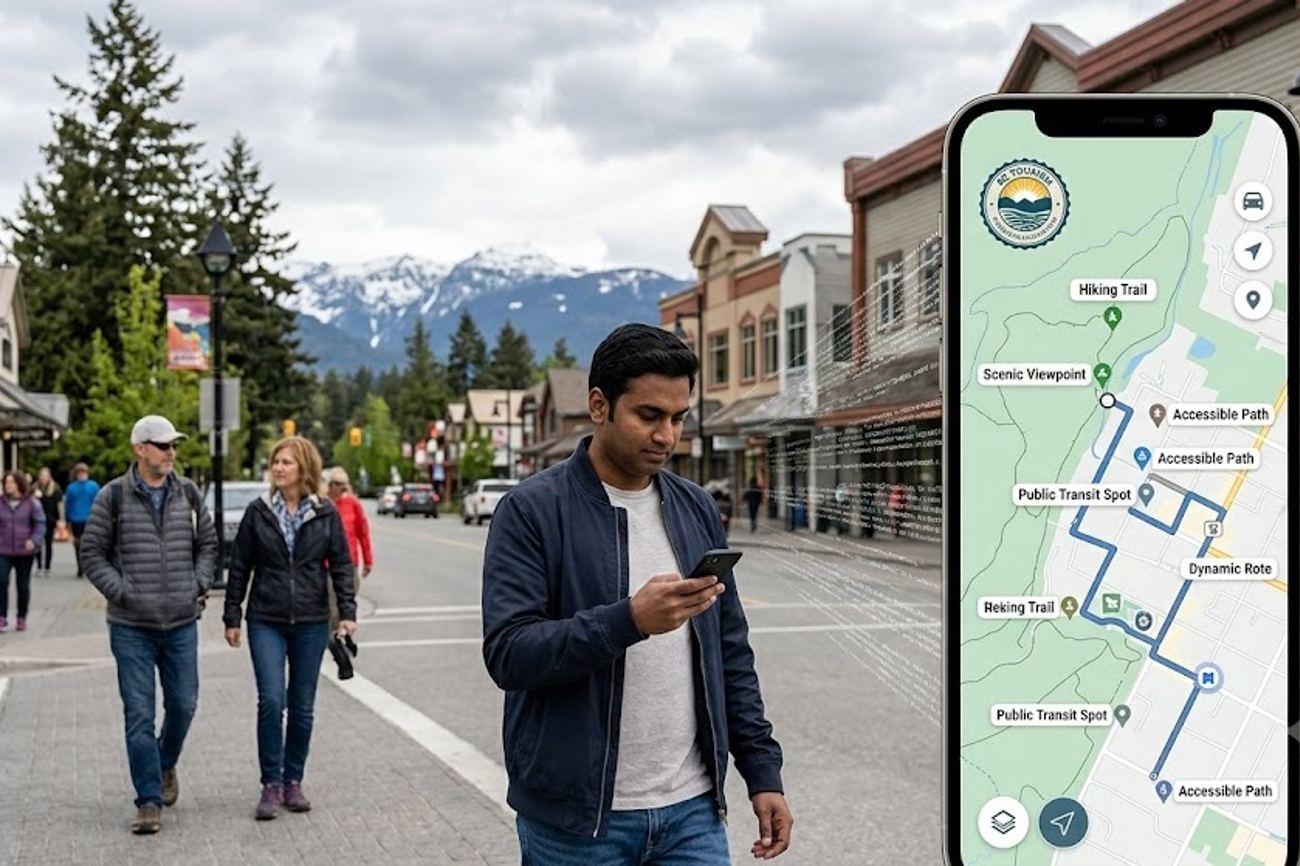
Image generated by AI
The Local Trend Revealed
A significant pivot is occurring across Western Canada. While Toronto has long held the title of the nation's primary tech and tourism hub, British Columbia is now leading a transition toward "Smart Tourism." This isn't merely about chatbots; it is a systemic integration of AI and data platforms to move beyond generic marketing toward hyper-personalized visitor journeys.
Vancouver is the epicenter of this movement. By leveraging a dense ecosystem of tech talent and innovation networks, the city is transforming how international travelers interact with the destination. The shift focuses on predictive demand modeling and AI-powered recommendations that align a traveler's specific interests—whether luxury, culinary, or outdoor adventure—with real-time availability and local offerings.
Cultural & Environmental Value
For the visitor, the real impact of this tech surge is a reduction in "tourism friction." In high-traffic areas like Stanley Park and Granville Island, AI-supported visitor management helps distribute crowds more effectively, reducing the physical strain on urban infrastructure and natural habitats.
This digital evolution extends to the province's cultural heritage. In Victoria, the integration of digital storytelling tools allows for a more immersive exploration of Indigenous tourism offerings and historic landmarks without compromising the integrity of the physical sites. Similarly, in Whistler, AI is being deployed for weather-based travel planning and visitor flow management, ensuring that the surge of adventure tourists does not degrade the alpine environment. This approach balances economic growth with the conservation goals championed by regional environmental bodies.
AI Innovation Impact by Destination:
| Destination | Province | AI Application |
|---|---|---|
| Vancouver | British Columbia | Smart visitor services & digital marketing |
| Victoria | British Columbia | Digital heritage & personalized engagement |
| Whistler | British Columbia | Demand forecasting & outdoor visitor management |
| Kelowna | British Columbia | Smart wine tourism & personalized itineraries |
| Toronto | Ontario | Smart city tech & data-driven planning |
| Montréal | Québec | Digital cultural experiences |
| Québec City | Québec | Immersive heritage tourism |
| Banff/Rockies | Alberta | Sustainable flow management |
| Calgary | Alberta | Business travel innovation & smart events |
| Halifax | Nova Scotia | Digital coastal engagement |
Visitor Insider Tips
To get the most out of BC's tech-forward tourism scene, keep these local nuances in mind:
- The "Shoulder Season" Strategy: Use AI-driven demand forecasting tools to visit Whistler or Kelowna during "shoulder seasons" (late spring or early autumn). You'll find lower rates and significantly shorter queues at top wineries and lifts.
- Indigenous Experiences: When using digital platforms in Victoria, look specifically for certified Indigenous-led tours. These provide the most authentic cultural context and directly support local First Nations economies.
- Dining in Vancouver: Move beyond the top-rated AI lists. Use digital maps to find "pocket neighborhoods" like Mount Pleasant for local craft breweries and independent eateries that avoid the downtown crowds.
- Eco-Etiquette: When visiting the Rockies or BC coast, follow "Leave No Trace" principles. AI may help you find the hidden spot, but local conservation rules regarding wildlife distance are absolute.
Tourism Outlook
The long-term trajectory for British Columbia is a move toward "Regenerative Tourism." By using AI to predict peak loads and personalize experiences, the province is positioning itself to grow its economy without sacrificing its natural assets. This technological edge likely ensures BC will remain the primary gateway for high-spend, tech-savvy international travelers entering North America.
Explore More:
- [Sustainable Travel Guides for Western Canada]
- [The Digital Nomad's Guide to Vancouver Tech Hubs]
- [Indigenous Heritage Sites of British Columbia]
Related Travel Guides
Disclaimer
This article is for informational and educational purposes only. It does not constitute legal, financial, or professional advice. While we strive to provide accurate and up-to-date information, travel policies, regulations, and conditions change rapidly. Always verify information with official sources before making travel decisions. Nomad Lawyer makes no representations about the accuracy, reliability, completeness, or suitability of the information provided. Readers should consult qualified professionals for advice specific to their circumstances. The views expressed in this article are those of the author and do not necessarily reflect the views of Nomad Lawyer.
Preeti Gunjan
Contributor & Community Manager
A passionate traveller and community builder. Preeti helps grow the Nomad Lawyer community, fostering engagement and bringing the reader experience to life.
Learn more about our team →