
Barbados Coastal Dining Guide 2026: Oistins, Holetown, and the Rise of Bajan Seafood Tourism
Barbados is repositioning its coastal towns as premier culinary hubs in 2026, blending authentic Bajan seafood traditions in Oistins with luxury beachfront dining in Holetown to attract food-focused global travelers.

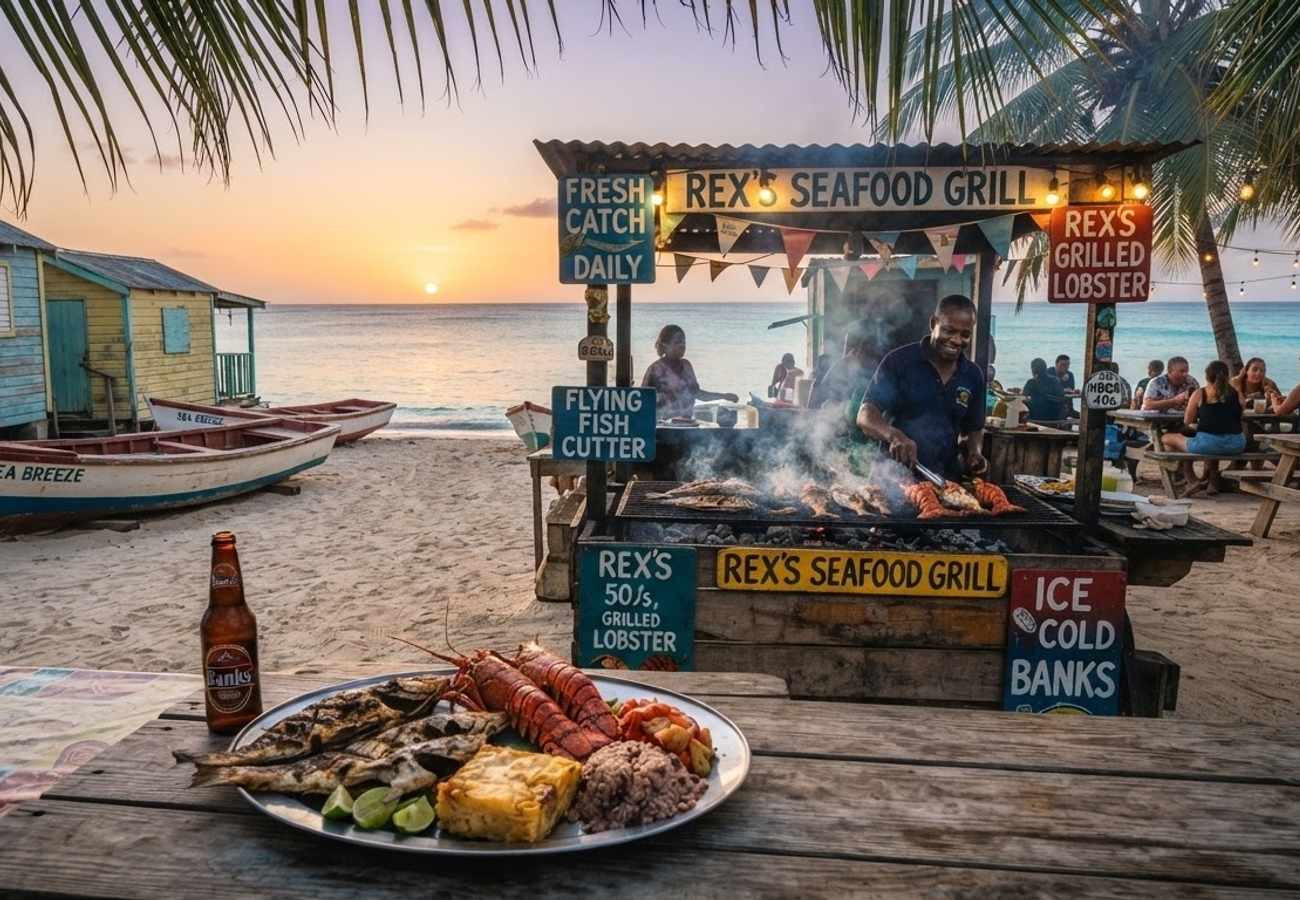
Image generated by AI
Barbados is evolving beyond sun and sand, transforming its coastal villages into high-impact culinary destinations. In 2026, the island is leveraging its deep fishing heritage to attract a new demographic of "food-focused" travelers seeking authentic cultural immersion.
The shift toward culinary tourism is most evident in the strategic positioning of coastal towns. While resorts once dominated the visitor experience, there is a growing demand for local markets, waterfront eateries, and traditional Bajan dishes that define the island's identity. From the rustic energy of the south coast to the refined shores of the west, Barbados is utilizing its seafood offerings as a primary tourism driver.
Regional Breakdown of Barbados Coastal Dining Experiences
The island's gastronomic map is diverse, catering to different traveler profiles based on the desired atmosphere and price point.
| Coastal City / Town | Location | Signature Experience | Must-Try Dishes | Dining Style | Primary Appeal in 2026 | Ideal Traveler |
|---|---|---|---|---|---|---|
| Oistins | South Coast, Christ Church | Waterfront Fish Fry markets | Flying fish cutters, lobster, fish cakes, macaroni pie | Authentic street food | Fusion of fishing heritage, music, and nightlife | Food explorers, budget travelers |
| Holetown | West Coast, Saint James | Premium beachfront sunset dining | Fresh snapper, kingfish, seafood platters | Luxury coastal cuisine | Upscale dining with boutique ocean views | Luxury travelers, couples |
| Speightstown | North-West Coast, Saint Peter | Traditional fishing village cuisine | Cou-cou with flying fish, grilled seafood | Heritage food | Preservation of fishing identity away from crowds | Cultural & slow travelers |
| Bridgetown | South-West Coast | Historic waterfront & Carlisle Bay | Flying fish platters, seafood rice, Bajan snacks | Urban coastal dining | Mix of heritage and cruise tourism accessibility | Cruise & first-time visitors |
| St. Lawrence Gap | South Coast | Beach bars & evening seafood | Fish tacos, Caribbean fusion | Casual nightlife dining | Integration of entertainment and sunset meals | Young travelers, nightlife seekers |
| Bathsheba | East Coast | Coastal village eateries | Fresh fish, local snacks | Rustic island cuisine | Dramatic scenery and surfing culture | Adventure travelers, surfers |
| Paynes Bay | West Coast | Casual seaside food spots | Fish cakes, cutters, grilled seafood | Relaxed beach dining | Easy access to fresh food and swimming | Families, beach lovers |
| Crane Beach | South-East Coast | Atlantic-view resort dining | Seafood platters, rum-based drinks | Scenic coastal dining | Natural beauty combined with high-end dining | Couples, resort guests |
| Martin’s Bay | East Coast | Community fish fry events | Red snapper, baked macaroni pie | Community-based | Authentic village food culture and traditions | Authentic experience seekers |
| Rockley | South Coast | Beachfront casual eateries | Fish tacos, grilled fish | Informal coastal dining | Blend of shopping, nightlife, and relaxed vibes | Families, independent travelers |
The Strategic Shift Toward Culinary Tourism
The rise of Barbados as a beach food powerhouse in 2026 is not accidental. It is the result of three converging trends: the demand for authentic local flavors, the desire for ocean-integrated experiences, and a broader movement toward cultural discovery.
Modern travelers are increasingly treating meals as a core part of their itinerary rather than a secondary necessity. By highlighting dishes like the national favorite—flying fish with cou-cou—Barbados is showcasing a culinary history shaped by African, Indigenous, and British influences. This move away from generic international resort menus allows the island to offer a "sense of place" that is difficult to replicate.
Oistins: The Heart of Bajan Fishing Culture
Oistins remains the undisputed seafood capital of the island. Its success lies in its refusal to sanitize the experience; it remains a functioning fishing community where tourism exists alongside daily industry.
The Oistins Fish Fry is the focal point of this experience. The appeal is rooted in simplicity: seafood is grilled or fried with traditional Bajan spices and served with staples like rice and peas or macaroni pie. The "flying fish cutter"—fried fish served in Bajan salt bread—continues to be a top draw for visitors seeking the most genuine taste of the island.
Luxury Evolution in Holetown
While Oistins captures the rustic spirit, Holetown represents the sophisticated evolution of Bajan dining. Situated on the "Platinum Coast," this area caters to those seeking a seamless blend of luxury accommodation and high-end gastronomy.
The dining scene here integrates local ingredients with global culinary techniques. The focus is on the aesthetic experience—fresh seafood platters enjoyed against the backdrop of turquoise waters and Caribbean sunsets. This segment proves that Bajan cuisine can scale from street food to fine dining without losing its regional essence.
Heritage Preservation in Speightstown
Speightstown serves as the antithesis to the high-energy atmosphere of the south coast. As a historic trading and fishing community, it offers a "slow travel" alternative. By focusing on heritage food experiences, Speightstown preserves the island's traditional coastal identity, attracting visitors who prefer quiet authenticity over tourist hubs.
Barbados has successfully turned its coastline into a living menu, where every town offers a different chapter of the island's culinary story.
Related Travel Guides
Disclaimer
This article is for informational and educational purposes only. It does not constitute legal, financial, or professional advice. While we strive to provide accurate and up-to-date information, travel policies, regulations, and conditions change rapidly. Always verify information with official sources before making travel decisions. Nomad Lawyer makes no representations about the accuracy, reliability, completeness, or suitability of the information provided. Readers should consult qualified professionals for advice specific to their circumstances. The views expressed in this article are those of the author and do not necessarily reflect the views of Nomad Lawyer.
Raushan Kumar
Founder & Lead Developer
Full-stack developer with 11+ years of experience and a passionate traveller. Raushan built Nomad Lawyer from the ground up with a vision to create the best travel and law experience on the web.
Learn more about our team →