
Bali Leads Southeast Asian Staycation Boom 2026: Outpacing Phuket, Langkawi, and Boracay
Bali has emerged as the primary hub for Southeast Asian staycations in 2026, surpassing rivals like Phuket and Boracay by integrating wellness, culture, and remote-work infrastructure.

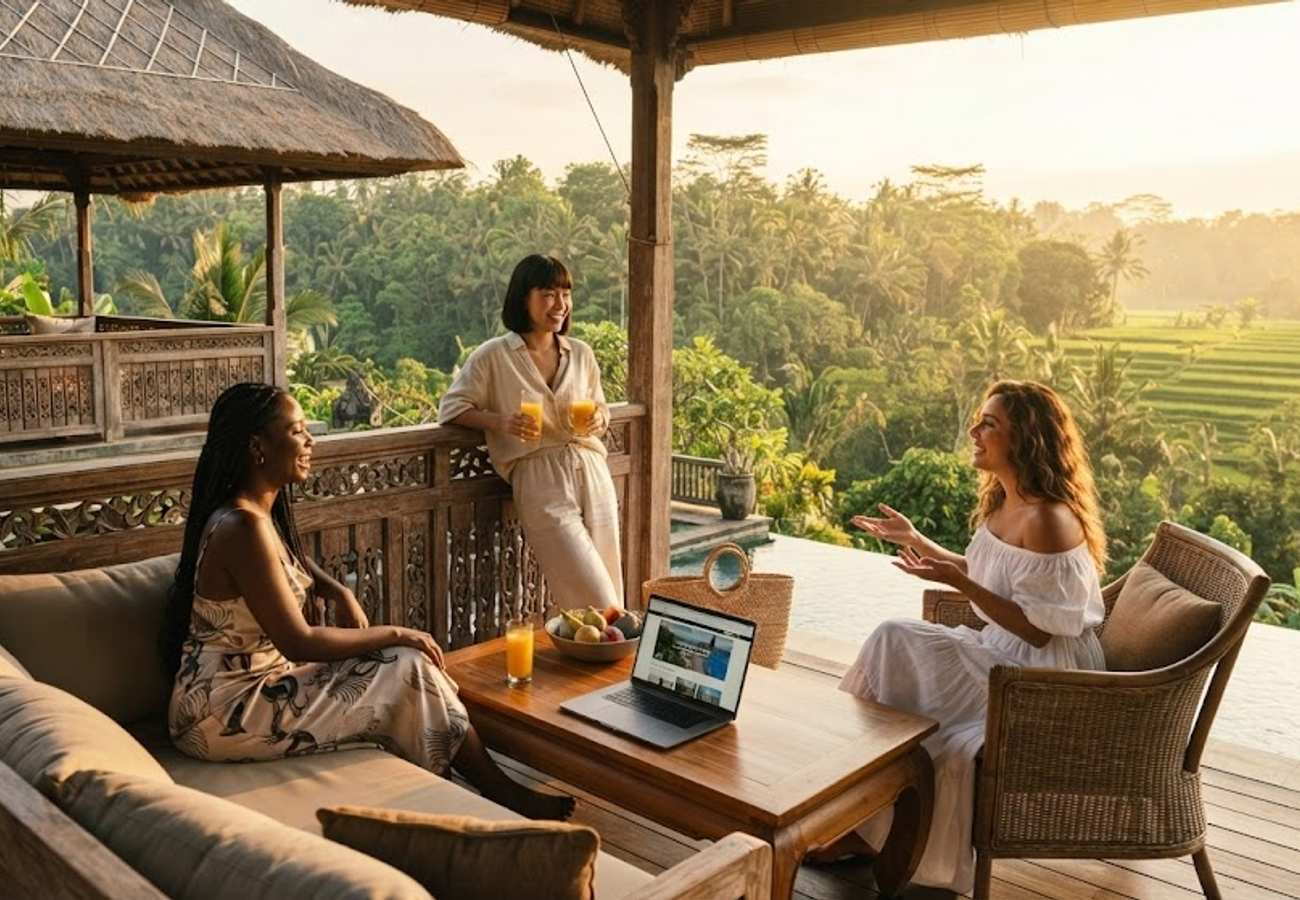
Image generated by AI
Bali is dominating the Southeast Asian tourism sector in 2026, shifting the regional preference from short-term beach holidays toward extended, experience-driven staycations.
The island has effectively decoupled its value proposition from simple coastal tourism. While competing destinations rely heavily on sun-and-sand models, Bali has engineered a multi-dimensional ecosystem that integrates luxury hospitality, spiritual wellness, and professional infrastructure. This strategic diversity has allowed it to outperform established hubs such as Phuket, Langkawi, and Boracay in attracting long-haul visitors and the growing "slow travel" demographic.
The Diversification Advantage: Bali vs. Regional Competitors
Industry data indicates that the modern traveler no longer selects destinations based solely on geography. The shift toward "destination depth" has given Bali a competitive edge. Unlike its neighbors, Bali offers a variety of distinct regional identities within a single island:
- Nusa Dua: High-end luxury resorts and beachfront corporate hospitality.
- Canggu: Creative hubs, surfing, and a burgeoning digital nomad community.
- Ubud: The global epicenter for wellness, spirituality, and traditional arts.
- Uluwatu: Premier surfing and dramatic cliffside landscapes.
In contrast, Phuket remains a powerhouse for marine activities and nightlife but lacks the same level of integrated cultural immersion. Langkawi offers serenity and geopark attractions but operates on a smaller lifestyle scale. Boracay continues to lead in white-sand beach quality, yet it lacks the infrastructure required to support the extended stays that Bali now facilitates.
Comparative Destination Analysis
The following breakdown highlights the primary drivers of tourism for the leading Southeast Asian island destinations in 2026.
| Destination | Primary Draw | Core Strength | Limitation for Long-Stays |
|---|---|---|---|
| Bali | Holistic Experience | Integrated Culture & Wellness | High density in hubs like Canggu |
| Phuket | Marine & Nightlife | Scale and Infrastructure | Resort-centric model |
| Langkawi | Nature & Peace | Geoparks and Tranquility | Smaller lifestyle ecosystem |
| Boracay | Beach Aesthetics | World-class white sand | Limited non-beach activities |
The Wellness and Cultural Integration Engine
A critical factor in Bali's ascent is the seamless integration of culture into the commercial tourism experience. While Phuket and Langkawi offer cultural sites as "attractions" to be visited, Bali treats culture as an environment. Traditional architecture, daily ceremonies, and community practices are embedded into the accommodation and dining sectors.
The growth of wellness tourism has further solidified this lead. Ubud, specifically, has transitioned from a village to a global wellness brand. The island's offering now includes:
- Specialized yoga and meditation retreats.
- Nature-based spiritual tourism.
- Boutique wellness resorts and organic cuisine.
This ecosystem attracts a higher-spending demographic that prioritizes mental wellbeing and personal development over traditional sightseeing.
Infrastructure for the Remote Lifestyle
The 2026 travel landscape is defined by the blur between leisure and professional life. Bali has outperformed regional rivals by providing the specific infrastructure required for "workations."
The availability of private villas, high-speed connectivity, and a dense network of co-working facilities in areas like Canggu and Ubud allows professional travelers to maintain their routines while residing in a holiday environment. This capability is largely absent in Boracay and less developed in Langkawi, making Bali the default choice for the remote-work elite.
Redefining Luxury in 2026
Luxury tourism in Bali has evolved beyond five-star hotels. Market trends show a pivot toward "authentic luxury," characterized by:
- Privacy: High-end private villas integrated into jungle or coastal settings.
- Personalization: Bespoke wellness journeys and curated cultural experiences.
- Exclusivity: Boutique retreats that offer seclusion without sacrificing connectivity.
Bali has ceased to be a mere destination and has become a comprehensive lifestyle ecosystem.
Related Travel Guides
Disclaimer
This article is for informational and educational purposes only. It does not constitute legal, financial, or professional advice. While we strive to provide accurate and up-to-date information, travel policies, regulations, and conditions change rapidly. Always verify information with official sources before making travel decisions. Nomad Lawyer makes no representations about the accuracy, reliability, completeness, or suitability of the information provided. Readers should consult qualified professionals for advice specific to their circumstances. The views expressed in this article are those of the author and do not necessarily reflect the views of Nomad Lawyer.
Kunal K Choudhary
Co-Founder & Contributor
A passionate traveller and tech enthusiast. Kunal contributes to the vision and growth of Nomad Lawyer, bringing fresh perspectives and driving the community forward.
Learn more about our team →