
Akasa Air Expands Fleet to 40 Aircraft with New Boeing 737 MAX Delivery to Accelerate Indian Aviation Growth in 2026
Akasa Air has officially inducted its 40th aircraft, a Boeing 737 MAX 8-200, marking a significant scale-up in its fleet expansion strategy within four years of operation.

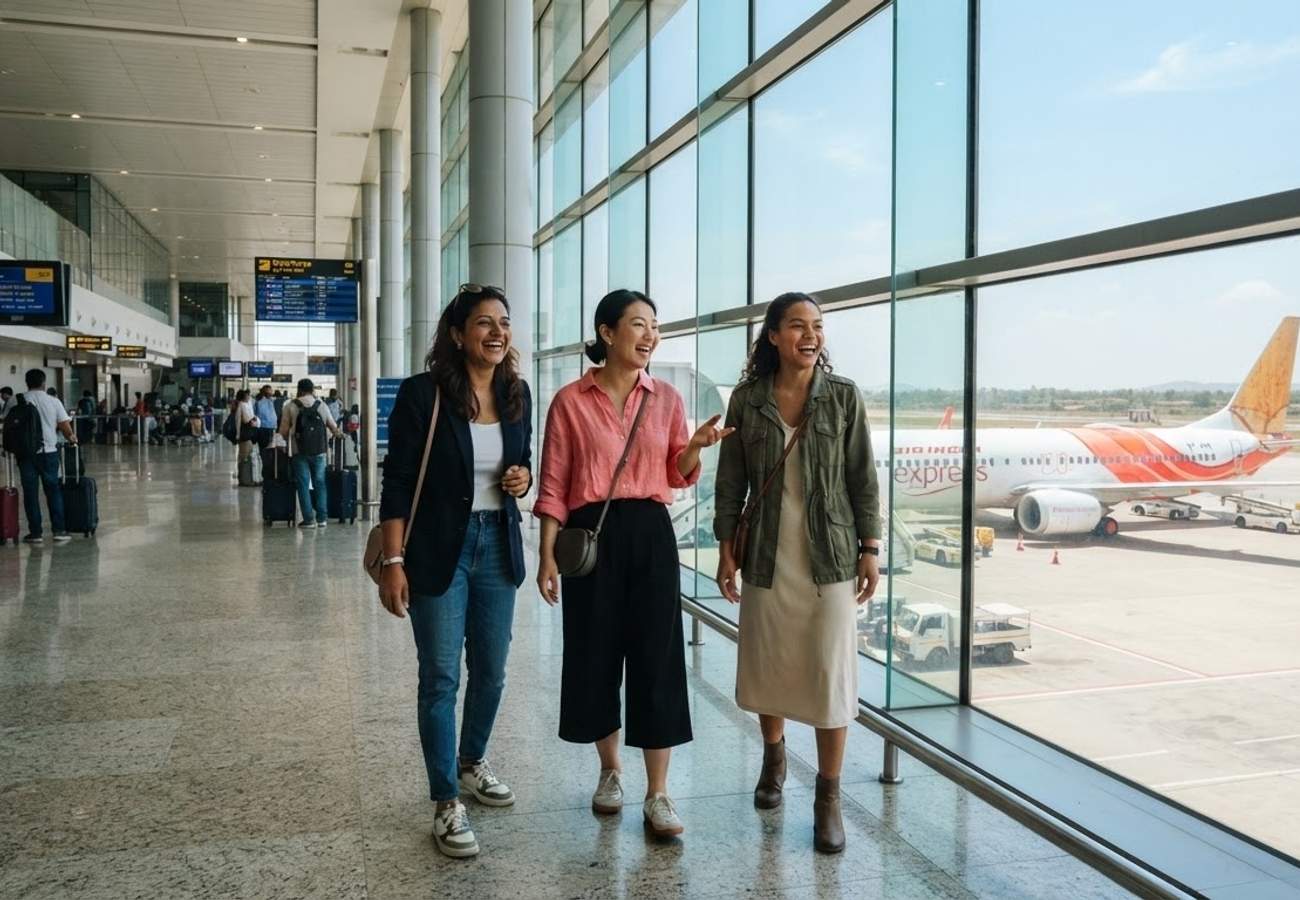
Image generated by AI
[Bengaluru, July 6, 2026] — Akasa Air has reached a significant operational benchmark by inducting its 40th aircraft into its fleet, a move that accelerates the carrier's aggressive growth trajectory in the Indian domestic and international markets. The arrival of the new Boeing 737 MAX 8-200 marks the ninth aircraft delivery for the airline in the 2026 calendar year, signaling a rapid scaling of capacity less than four years after the company began commercial flights.
The airline is currently executing a massive procurement strategy to capture the rising demand for air travel within the South Asian region. By increasing its fleet size, Akasa Air is positioning itself to compete more effectively with established legacy carriers and other low-cost operators. This expansion is part of a broader corporate objective to elevate the brand's global standing and operational footprint.
Boeing 737 MAX Delivery Route and Arrival in Bengaluru
The newest addition to the fleet, identified by the registration code VT-YBQ, officially arrived at Kempegowda International Airport (BLR) in Bengaluru on July 3, 2026. The aircraft's transit from the Boeing production facility in Seattle, USA, involved a multi-leg delivery journey that included strategic stops in Reykjavik, Iceland, and Cairo, Egypt.
This delivery process is a standard but complex operation for new aircraft inductions, ensuring that the airframe is tested across various climates and altitudes before entering active commercial service. The arrival of VT-YBQ underscores the airline's ability to manage a high frequency of deliveries, as the carrier has already integrated nine new planes into its operations since the start of 2026.
Cabin Specifications and Passenger Experience Enhancements
The Boeing 737 MAX 8-200 is not merely a capacity increase but a targeted upgrade in passenger comfort. According to technical specifications, the aircraft is outfitted with Safran Z200 seating. These seats are designed to balance high-density seating requirements with ergonomic support, featuring specialized backrests and improved cushioning to reduce traveler fatigue on medium-haul flights.
To meet the needs of the modern digital traveler, Akasa Air has integrated dual charging capabilities into the cabin. Each seat is equipped with both USB-C and USB-A ports, ensuring compatibility with a wide range of electronic devices. Additionally, the seating configuration allows for a four-inch recline, a detail aimed at improving the overall onboard experience compared to standard low-cost carrier configurations.
Fleet Growth Data and Order Book Status
The current induction of the 40th aircraft is a small fraction of the airline's total long-term commitment to Boeing. Industry reports indicate that Akasa Air maintains a massive order book intended to sustain growth over the next several years.
| Fleet Metric | Detail |
|---|---|
| Total Aircraft Order Book | 226 Boeing 737 MAX |
| Current Total Fleet Size | 40 Aircraft |
| Remaining Aircraft to be Delivered | 186 Aircraft |
| Deliveries in Calendar Year 2026 | 9 Aircraft |
| Delivery Timeline for Remaining Fleet | Next 6 Years |
| Primary Aircraft Model | Boeing 737 MAX 8-200 |
| Registration of Latest Aircraft | VT-YBQ |
Strategic Objectives and Global Ambitions
The rapid expansion of the fleet is intrinsically linked to Akasa Air's long-term growth strategy. By steadily increasing the number of available seat kilometers (ASK), the airline is expanding its route network to reach more underserved cities in India and increasing its presence in international markets.
The carrier has publicly stated its ambition to be ranked among the top 30 airlines globally by the end of the current decade. Achieving this goal requires not only a large fleet but also a high level of operational efficiency and a consistent passenger experience. The investment in newer, fuel-efficient Boeing 737 MAX aircraft is expected to lower operating costs per seat, allowing the airline to maintain competitive pricing while improving margins.
Impact on the Indian Aviation Sector
The aggressive scaling of Akasa Air is contributing to a more competitive environment within the Indian aviation market. As the airline adds 186 more aircraft over the next six years, the increased capacity is likely to stimulate demand for air travel by providing more frequency and options for passengers.
This growth occurs during a period of significant infrastructure development across Indian airports. The addition of high-capacity, modern aircraft like the 737 MAX 8-200 helps the industry transition toward more sustainable aviation practices, as these aircraft offer better fuel efficiency and lower emissions compared to older generation narrow-body jets.
Why This Matters: The Broader Aviation Perspective
The scale of Akasa Air's expansion—moving from zero to 40 aircraft in under four years—is an anomaly in traditional aviation growth patterns. Typically, airlines scale more conservatively to manage debt and operational risk. However, the decision to maintain an order book of 226 aircraft suggests a high-conviction bet on the Indian middle class's propensity for air travel.
From an industry standpoint, this rapid induction highlights a critical reliance on Boeing's delivery pipeline. Any delays in the 737 MAX production line could potentially stall Akasa's trajectory toward its "Top 30" goal. Conversely, the successful delivery of nine aircraft in the first half of 2026 demonstrates a stabilized supply chain. For the passenger, this translates to more choices and potentially lower fares due to increased competition. For the industry, it signals that India remains the primary growth engine for global aviation, attracting massive capital investment in hardware and infrastructure.
Akasa Air continues to challenge the established order of Indian skies with a relentless pace of fleet acquisition.
Related Travel Guides
Disclaimer
This article is for informational and educational purposes only. It does not constitute legal, financial, or professional advice. While we strive to provide accurate and up-to-date information, travel policies, regulations, and conditions change rapidly. Always verify information with official sources before making travel decisions. Nomad Lawyer makes no representations about the accuracy, reliability, completeness, or suitability of the information provided. Readers should consult qualified professionals for advice specific to their circumstances. The views expressed in this article are those of the author and do not necessarily reflect the views of Nomad Lawyer.
Kunal K Choudhary
Co-Founder & Contributor
A passionate traveller and tech enthusiast. Kunal contributes to the vision and growth of Nomad Lawyer, bringing fresh perspectives and driving the community forward.
Learn more about our team →