
Top Bali Alternative Destinations 2026: Comparing Costs and Growth in Vietnam, Thailand, and Indonesia
Analysis of the 2026 shift in tropical tourism as travelers migrate from Bali to emerging hubs like Da Nang, Phuket, and Lombok for better value and fewer crowds.

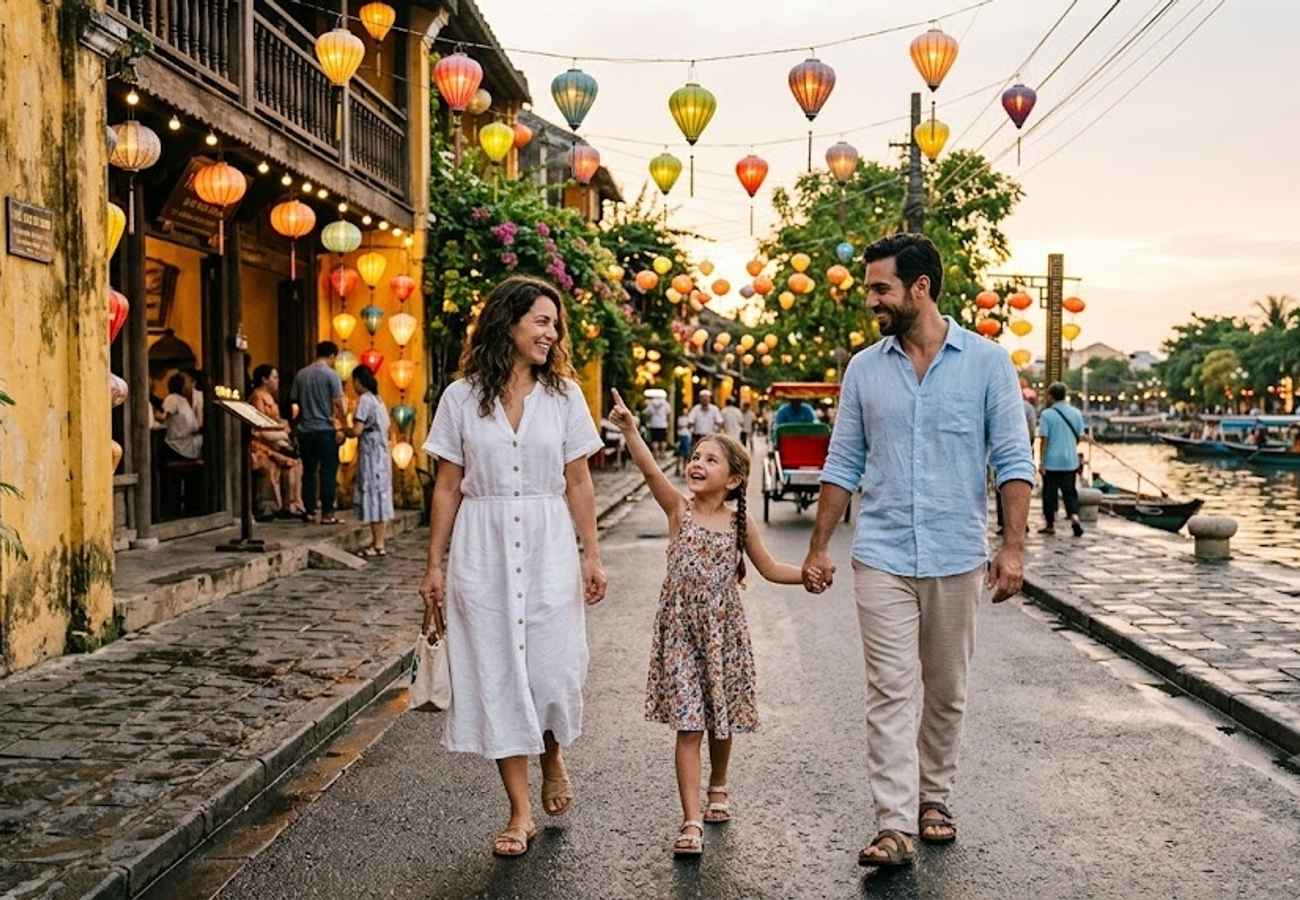
Image generated by AI
Headline Options:
- Factual/News: Tropical Tourism Shift 2026: Vietnam, Thailand, and Lombok Emerge as Primary Alternatives to Bali for Global Travelers
- Curiosity-Gap: Is Bali Overcrowded? The New Tropical Hotspots Offering Luxury and Culture Without the Crowds in 2026
- Problem-Solving: How to Find Bali-Style Tropical Escapes in 2026: A Guide to Lower-Cost Alternatives in Asia
The era of the singular "it" destination is ending. As Bali faces the pressures of overtourism and rising costs, a strategic shift toward high-value, low-density tropical alternatives is redefining leisure travel for 2026.
The 2026 Tropical Travel Shift
International travel behavior is undergoing a fundamental transformation. While Bali remains a premier global brand, travelers are increasingly prioritizing authenticity, sustainability, and cost-efficiency. This shift is not a decline in Bali's appeal but a diversification of the tropical market.
Our analysis indicates that travelers are now seeking "Bali-style" amenities—wellness retreats, beachfront luxury, and rich cultural immersion—in destinations that have not yet reached peak saturation. This has created a surge in growth for secondary hubs across Asia and the Indian Ocean.
Comparative Analysis of Emerging Tropical Hubs
The following data outlines the primary alternatives currently capturing the market share previously dominated by Bali.
| Alternative Destination | Country | Primary Appeal in 2026 | Target Traveler | Cost Level | Key Growth Factor |
|---|---|---|---|---|---|
| Da Nang & Hoi An | Vietnam | Beaches, heritage, and affordable luxury | Digital nomads, couples | Budget to Mid-range | 12M+ international visitors in H1 2026 |
| Phuket & Krabi | Thailand | Island hopping, nightlife, and resorts | Families, honeymooners | Mid-range to Luxury | Strong TAT connectivity & infrastructure |
| Lombok | Indonesia | Waterfalls, surfing, and raw nature | Sustainability seekers | Budget to Mid-range | Positioned as "Bali before mass tourism" |
| Palawan | Philippines | Limestone cliffs and lagoons | Adventure travelers | Budget to Mid-range | New island tourism product development |
| Langkawi | Malaysia | Rainforests and duty-free luxury | Wellness, families | Mid-range | National tourism growth initiatives |
| South Coast | Sri Lanka | Wildlife, surfing, and heritage | Backpackers, long-stay | Budget to Mid-range | Multi-experience destination growth |
| Okinawa | Japan | Diving and unique island culture | Premium travelers | Mid-range to Luxury | Major global tourism growth market |
| Mauritius | Mauritius | Exclusive multicultural resorts | Luxury honeymooners | Luxury | High demand for exclusive escapes |
| Zanzibar | Tanzania | Historic Stone Town and marine life | Luxury adventure | Mid-range to Luxury | Rising alternative tropical demand |
| Madeira | Portugal | Volcanic hiking and ocean views | Active travelers | Mid-range | Sustainable outdoor tourism surge |
Regional Breakdown: The New Powerhouses
Vietnam: The Strategic Competitor Vietnam has positioned Da Nang and Hoi An as the strongest direct competitors to the Bali experience. Da Nang provides the high-end coastal infrastructure, while Hoi An offers the cultural depth. Data from the Vietnam National Authority of Tourism shows a significant spike in arrivals, with over 12 million international visitors recorded in the first half of 2026 alone.
Thailand: The Infrastructure Leader Phuket and Krabi leverage superior international connectivity. While Phuket caters to the luxury and entertainment segment, Krabi attracts those seeking a slower pace. The Tourism Authority of Thailand (TAT) has successfully segmented these markets to ensure that luxury travelers and budget explorers can coexist without the congestion seen in southern Bali.
Lombok: The Internal Alternative For those who desire the Indonesian aesthetic without the crowds, Lombok is the primary beneficiary. It offers a "time-capsule" experience, providing the same volcanic landscapes and surfing conditions as Bali but with a focus on sustainable, low-impact tourism.
Passenger Advisory: Navigating Alternative Destinations
For the affected traveler moving away from traditional hubs, this shift requires a different approach to planning and legal protections.
Rebooking and Connectivity Our analysis of regional flight patterns shows that while major hubs like Phuket have high frequency, emerging spots like Palawan or Lombok may have more volatile schedules.
- Advice: When booking flights to emerging destinations, verify if the carrier is subject to EU261/2004 (for EU departures) or US DOT guidelines. In the event of a cancellation on a route to a "secondary" destination, airlines may struggle to find immediate alternatives, making travel insurance with "trip interruption" clauses essential.
Cost Management While these destinations are marketed as "lower cost," inflation in 2026 has impacted regional transport.
- Advice: Use local currency for transit and avoid "airport-fixed" taxi rates. In Vietnam and Thailand, utilize verified ride-sharing apps to ensure transparent pricing and avoid the overcharging common in high-growth tourism zones.
Digital Nomad Rights With Da Nang and Langkawi attracting more remote workers, travelers should verify the specific "Digital Nomad" visa requirements for 2026, as many of these countries are updating their residency laws to capture long-term stay revenue.
Industry Analyst View
The migration toward these alternatives is a symptom of "tourism maturity." When a destination reaches the level of saturation seen in Bali, the market naturally fragments. We are seeing a transition from "Mass Tourism" to "Precision Tourism," where travelers select destinations based on specific metrics: crowd density, cost-per-luxury-unit, and environmental impact.
The investment in infrastructure by the governments of Vietnam, Thailand, and Malaysia suggests that these are not temporary trends but a permanent restructuring of the Southeast Asian travel map.
The tropical landscape is expanding; the luxury is no longer exclusive to the most famous names.
Related Travel Guides
Disclaimer
This article is for informational and educational purposes only. It does not constitute legal, financial, or professional advice. While we strive to provide accurate and up-to-date information, travel policies, regulations, and conditions change rapidly. Always verify information with official sources before making travel decisions. Nomad Lawyer makes no representations about the accuracy, reliability, completeness, or suitability of the information provided. Readers should consult qualified professionals for advice specific to their circumstances. The views expressed in this article are those of the author and do not necessarily reflect the views of Nomad Lawyer.

Preeti Gunjan
Contributor & Community Manager
A passionate traveller and community builder. Preeti helps grow the Nomad Lawyer community, fostering engagement and bringing the reader experience to life.
Learn more about our team →