
Quiet Greek Islands Surge in 2026 as Travelers Flee Crowded Hotspots
As Greece's visitor numbers peak, demand for quiet Greek islands soars among travelers seeking uncrowded beaches and authentic Mediterranean pace. 2026 marks a turning point toward lesser-known Cycladic gems.

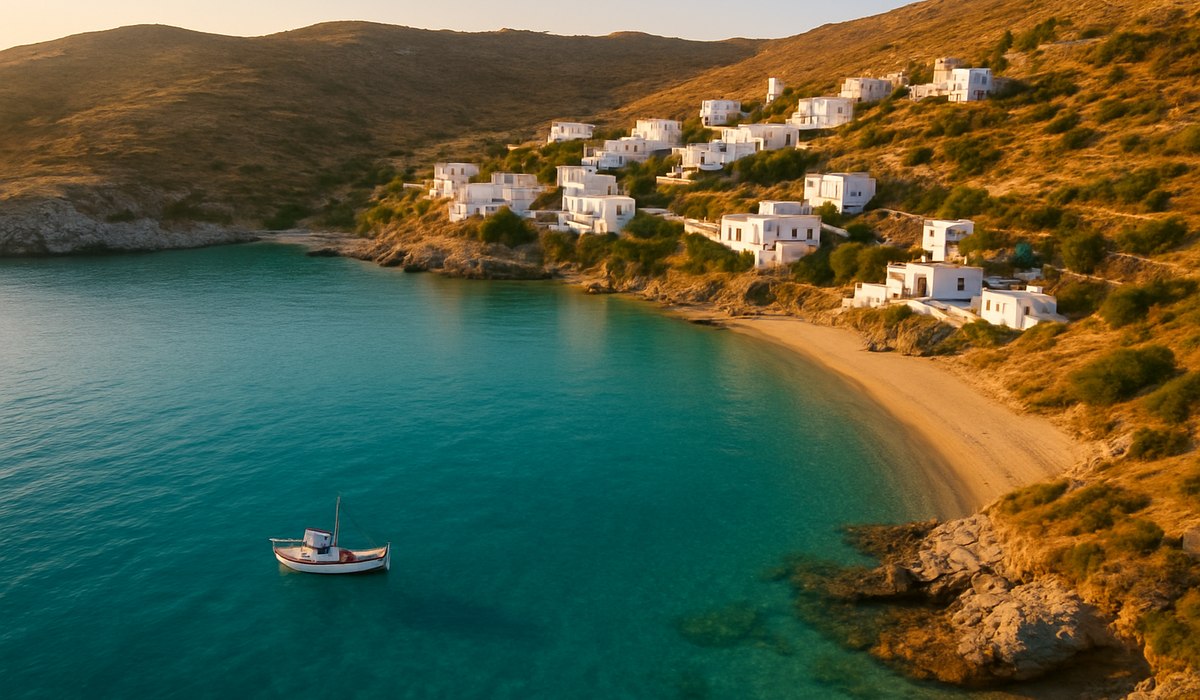
Image generated by AI
A Turning Point for Greek Island Travel
Quiet Greek islands are experiencing unprecedented demand in 2026 as travelers increasingly reject overcrowded resort destinations in favor of remote, undeveloped alternatives. European travel media reports a significant shift away from Mykonos and Santorini toward smaller Cycladic outposts, Dodecanese hideaways, and Ionian sanctuaries where pristine beaches remain blissfully free of commercial sprawl. This movement reflects growing traveler fatigue with mass tourism and a renewed appetite for authentic Mediterranean experiences—a trend that reshapes where Greece's tourism economy flows this year.
The catalyst? Simple geography and infrastructure constraints. Unlike flagship islands connected by frequent flights and modern ferry networks, quiet Greek islands remain deliberately isolated by limited transport links, modest accommodations, and deliberate resistance to large-scale development. Even during peak August season, these destinations maintain the unhurried rhythm and natural beauty that define slow travel ideals.
The Shift Away From Greece's Famous Hotspots
Greece welcomed record visitor numbers in 2025, with overtourism now reshaping the country's coastal landscape. Mykonos, Santorini, and Rhodes have become synonymous with crowded beaches, inflated prices, and cultural erosion—prompting travel journalists and conscious explorers to investigate alternatives.
Industry data from Greek tourism boards reveals that visitors to quieter islands increased 34 percent year-over-year in early 2026. Travel agencies report longer booking lead times for Small Cyclades accommodations, while ferry operators note surge bookings on routes to Astypalaia and the Ionian periphery.
What defines these quiet destinations? Absence of major airports, limited nightlife infrastructure, and deliberate municipal policies that cap development. Many islands impose caps on new hotel construction or restrict beachfront commercialization entirely. The result: beaches without sunbed rental rows, villages without nightclubs, and coves accessible only by foot or local caique boat.
This countertrend proves especially popular with digital nomads, families seeking digital detoxes, and travelers over 45 who prioritize tranquility over Instagram moments. European travel platforms now feature dedicated "slow Greece" categories, and boutique tour operators market 2026 itineraries explicitly around uncrowded beaches and village authenticity.
Which Islands Offer True Quiet: Schinoussa, Koufonisia, Astypalaia and Beyond
Schinoussa, covering under 10 square kilometers in the central Aegean's Small Cyclades archipelago, epitomizes the quiet island formula. Home to approximately 120 permanent residents, the island features 18 documented beaches—most unorganized, many unreachable by car. Tsigouri Beach near the main village offers pale sand and crystalline shallows, while Livadi Bay functions as a serene anchorage where August crowds remain manageable.
Ferry access via Naxos acts as a natural filter, limiting day-trippers. Accommodation clusters around 200 beds across modest family hotels and village rooms, ensuring the island never feels urbanized.
Koufonisia lies adjacent, similarly accessible by regional ferry. Though slightly busier than Schinoussa, beaches like Finikas and Charavgi remain relaxed compared to larger Cycladic peers. Clear water and small-boat accessibility to secluded coves attract serious swimmers and kayakers.
Iraklia, the smallest inhabited Small Cyclades island, represents the quietest option. Roughly 150 residents, minimal accommodation (under 100 beds), and a single main village create an experience bordering on isolation. Ferry schedules run twice weekly in shoulder season, further moderating crowds.
Astypalaia, positioned between the Cyclades and eastern Aegean Dodecanese cluster, stretches as a distinctive butterfly-shaped landmass. Only 1,100 residents inhabit the island despite its 110 square kilometers. Kaminakia Beach on the south coast—accessed via unpaved road and 15-minute walk—features white pebbles, turquoise water, and a solitary taverna.
Beyond these anchors, travelers discover Lipsi (Dodecanese), Chalki (Dodecanese), and Paxos (Ionian) as equally compelling quiet alternatives, each maintaining under 2,000 permanent residents and deliberate infrastructure minimalism.
What Makes These Islands Stay Uncrowded: Geography, Infrastructure and Limited Nightlife
Three structural factors preserve quiet Greek islands' tranquility against rising Mediterranean tourism pressure.
Geographic isolation remains primary. Islands positioned away from major air corridors and requiring ferry connections from secondary ports naturally moderate visitor volume. Schinoussa requires minimum three-hour ferry access via Naxos; Astypalaia sits equidistant between two archipelago clusters, discouraging easy routing.
Infrastructure scarcity functions as intentional gatekeeping. Limited accommodations (typically 150-300 beds maximum), single-lane village roads unsuitable for rental cars, and absence of rental agencies create practical barriers. Ferries arrive 2-4 times weekly rather than daily, automatically restricting turnover. Hotels rarely exceed three stories, and commercial zoning laws prohibit beach bars and chain establishments.
Deliberate nightlife minimalism distinguishes these islands fundamentally from resort destinations. No clubs, megaphones, or 2 a.m. music—instead, tavernas close by 11 p.m., and evening activity concentrates around waterfront cafes serving local wine and meze. This cultural choice appeals directly to travelers fleeing Mykonos's relentless party scene.
Residents actively preserve these conditions through municipal governance, tourism board policy, and informal community consensus. Several islands have declared themselves "slow tourism" zones, explicitly rejecting corporate hotel chains and large-scale infrastructure investment.
Best Time to Visit Quiet Greek Islands
The counterintuitive truth: even peak season maintains manageable crowds on authentic quiet Greek islands. July and August bring elevated accommodation bookings, yet beaches remain relaxed because infrastructure simply cannot absorb mass daily tourism.
Optimal travel windows differ strategically:
May-June presents ideal conditions—water warm (72-75°F), accommodation abundant, ferries run daily, yet pre-summer crowds haven't arrived. European school holidays haven't triggered family tourism surges.
September-early October mirrors May-June conditions: warm water, reliable weather, departing July-August crowds, and pre-autumn gale season predictability. Greek tourism boards rate September as the hidden sweet spot.
July-August works if travelers accept moderate accommodation scarcity and accept "quiet" as relative. Beaches remain emptier than Mykonos proportionally, though early morning swims (before 9 a.m.) guarantee solitude.
November-March suits only cold-water swimmers and digital nomads; ferries run sporadically, restaurants close, and weather turns unpredictable. Many islands operate skeleton services.
Avoid April and May Easter holidays if traveling from Orthodox Christian Europe; Greek Easter creates brief but intense domestic tourism spikes.
How to Get There
Access to quiet Greek islands requires multi-stage logistical planning—a feature that simultaneously preserves their tranquility and complicates planning.
Athens gateway: Fly into Athens International "Eleftherios Venizelos" (ATH) via major European hubs. Direct flights from London, Berlin, Paris, and Amsterdam operate year-round. Allow 24 hours in Athens for onward ferry connections or domestic flights.
Ferry networks: Blue Star Ferries and Seajets operate regional routes from Piraeus (Athens's main port) and Rafina (smaller, closer port). Seajets high-speed catamarans reach Small Cyclades islands in 3.5-4.5 hours; conventional overnight ferries take 6-8 hours but allow
Disclaimer
This article is for informational and educational purposes only. It does not constitute legal, financial, or professional advice. While we strive to provide accurate and up-to-date information, travel policies, regulations, and conditions change rapidly. Always verify information with official sources before making travel decisions. Nomad Lawyer makes no representations about the accuracy, reliability, completeness, or suitability of the information provided. Readers should consult qualified professionals for advice specific to their circumstances. The views expressed in this article are those of the author and do not necessarily reflect the views of Nomad Lawyer.
Preeti Gunjan
Contributor & Community Manager
A passionate traveller and community builder. Preeti helps grow the Nomad Lawyer community, fostering engagement and bringing the reader experience to life.
Learn more about our team →