
Bahrain Joins WTTC as Destination Partner: Dilmun Heritage and Cultural Tourism Guide 2026

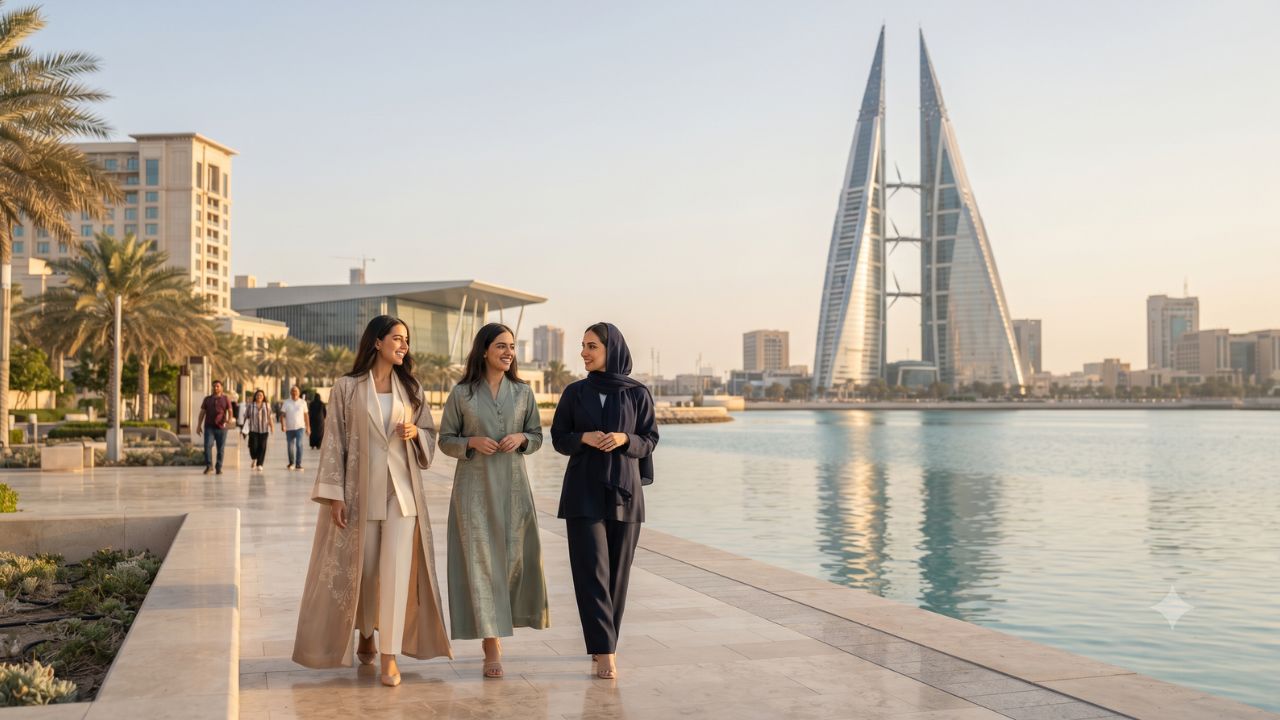
While neighboring Gulf metropolises compete to build artificial mega-islands and record-breaking skyscrapers, the island kingdom of Bahrain preserves an unbroken cultural lineage spanning more than 5,000 years, anchored by three UNESCO World Heritage Sites that predate almost every modern city in the region. By joining the World Travel & Tourism Council (WTTC) as an official Destination Partner following its participation in the 26th WTTC Global Summit in Valletta, Malta, the archipelago is formally signaling that its tourism future belongs to deep heritage, archaeological preservation, and authentic Arabian hospitality.
The strategic agreement between the Bahrain Tourism & Exhibitions Authority (BTEA) and the World Travel & Tourism Council opens direct access to global tourism research, investment dialogues, and executive networks. As destination competition intensifies across the Middle East, Bahrain is distinguishing itself by highlighting historical depth rather than manufactured spectacles. BTEA oversees an interconnected tourism framework spanning air transport, accommodation, convention facilities, and heritage trails, ensuring that visiting international travelers experience both modern conveniences and ancient cultural roots.
Bahrain Enters the WTTC Global Network: Positioning Dilmun Heritage on the World Stage
Bahrain's entry into the WTTC network follows high-level deliberations at the 26th WTTC Global Summit in Valletta, Malta, where international ministers and tourism leaders convened to address sustainable destination growth. For the Kingdom, transitioning into an active Destination Partner allows state planners to integrate global sustainability benchmarks into domestic hospitality developments while presenting its unique island identity to high-yield travelers in Europe, the Americas, and Asia.
The Kingdom's strategy avoids one-dimensional mass tourism. Instead, it balances high-value leisure travel with large-scale meetings, incentives, conferences, and exhibitions. Facilities like Exhibition World Bahrain attract multinational congresses, creating steady demand for hotels, private transport operators, and independent restaurants. Crucially, business travelers are encouraged to extend their itineraries into cultural journeys, exploring historic quarters and coastal dhow yards before departure.
Beyond Modern Skylines: The Living Legacy of Dilmun, Natural Pearls, and Ancient Ports
What makes Bahrain completely distinct within the Arabian Peninsula is its ancient role as the sweet-water crossroad of regional trade. More than five millennia ago, the Bronze Age Dilmun civilization governed merchant fleets moving copper, lapis lazuli, and timber between the kingdoms of Mesopotamia and the Indus Valley. That monumental legacy remains palpable across the island today.
The Kingdom is home to three designated UNESCO World Heritage Sites, each reflecting an extraordinary chapter of human adaptation:
- Qal'at al-Bahrain (Bahrain Fort): Positioned on the northern shoreline, this ancient tell rises above centuries of archaeological strata. Below the 16th-century Portuguese fortress walls lie excavated residential compounds, public palaces, and military barracks representing the ancient capital and primary seaport of Dilmun.
- Pearling, Testimony of an Island Economy: Centered in historic Muharraq, the 3.5-kilometer Pearling Path winds through narrow pedestrian alleyways framed by coral-stone architecture, wind-tower merchant residences, and historic mosques. The trail honors centuries of seafaring divers who gathered the Gulf's most prized natural pearls long before oil discoveries transformed the region.
- Dilmun Burial Mounds: Spanning 21 archaeological sites across the western plateau, thousands of prehistoric tumuli dating from 2050 to 1750 BCE form one of the densest and most visually striking Bronze Age cemeteries in the ancient world.
Beyond formal monuments, traditional craftsmanship endures. In the village of A'ali, multi-generational potters throw clay pots inside kilns embedded directly into prehistoric mound structures, while dhow shipwrights in Muharraq continue shaping teak sailing hulls using hand tools and centuries-old marine blueprints.
Bahrain's Cultural Tourism Portfolio: UNESCO Landmarks, Heritage Quarters, and Visitor Details
| Landmark / Quarter | Historical Era | UNESCO Recognition | Signature Visitor Experience | Insider Travel Advice |
|---|---|---|---|---|
| Qal'at al-Bahrain (Bahrain Fort) | 2300 BCE to 16th Century CE | Inscribed 2005 | Walking the excavated Dilmun seaport tell and seaside fortress battlements | Visit at 16:30 for golden-hour coastal lighting; seaside museum on-site |
| Pearling Path (Muharraq) | 19th to early 20th Century | Inscribed 2012 | Exploring restored coral-stone merchant homes like Beit Sheikh Isa and Siyadi | Follow the architectural walkway on foot; open daily from morning until sunset |
| Dilmun Burial Mounds Field | 2050 to 1750 BCE | Inscribed 2019 | Examining thousands of preserved prehistoric burial hills in A'ali and Karzakkan | Best combined with a visit to A'ali's traditional pottery workshops |
| Bab Al Bahrain & Manama Souq | 1940s Architecture / Historic Souq | National Heritage | Weaving through spice alleys, textile shops, and historic coffee houses | Stop at Haji Cafe for traditional breakfast; bargain politely on saffron |
| Al Jasra Handicrafts Centre | Traditional Craft Heritage | National Centre | Observing wood carving, palm weaving, and traditional model ship crafting | Closed Fridays morning; exceptional for buying authentic local gifts |
Visitor Insider Tips: Experiencing Bahrain Like a Resident
- Optimal Travel Window: Plan your visit between November and March, when daily temperatures average a comfortable 20°C to 25°C, making walking tours through Muharraq and archaeological excavations outdoors exceptionally pleasant.
- Mastering Muharraq on Foot: Avoid attempting to drive through Muharraq's historic quarters. Park at the modern multi-story garages near the Pearling Path Visitor Centre and explore the winding coral-stone alleyways on foot to uncover hidden courtyards and artisan studios. Detailed historical walking maps can be obtained from Bahrain Tourism and Exhibitions Authority.
- Coffee and Dining Etiquette: When offered traditional Arabic gahwa (lightly roasted coffee spiced with cardamom and saffron), accept the small handleless cup with your right hand. Take two to three small cups; when finished, gently shake the cup from side to side before handing it back to the host.
- Regional Culinary Specialties: For breakfast, head into Manama Souq to Haji Cafe for eggs with tomatoes, balaleet (sweet vermicelli with an omelet), and warm freshly baked flatbread. For lunch or dinner, order Machboos (fragrant spiced rice prepared with lamb or fresh local hamour fish), followed by warm Halwa Bahraini served with black tea.
- Bypassing Causeway Traffic: If arriving overland from Saudi Arabia across the King Fahd Causeway, avoid traveling on Thursday afternoons or Saturday evenings when weekend traffic generates lengthy delays at border immigration checkpoints.
Cultural Stewardship and Marine Environmental Conservation
Balancing modern economic development with the preservation of ancient heritage requires rigorous state commitment. Bahrain's historic urban fabric—characterized by porous coral stone, gypsum plaster, and delicate teak shutters—requires specialized restoration techniques to withstand high summer humidity and marine air salinity.
In coastal waters, preserving ancient pearl oyster beds has driven progressive environmental policies. The Kingdom strictly regulates recreational scuba diving and commercial operations around the northern oyster banks, allowing marine ecosystems to recover while maintaining Bahrain's historic connection to pearl diving. Certified operators now guide visitors on eco-conscious pearling expeditions where travelers snorkel over shallow reefs, collect wild oysters, and keep any pearls they find.
By expanding its international profile through WTTC collaboration, Bahrain ensures that global tourism growth supports local communities directly. Independent artisans, historians, and hospitality workers benefit from high-yield cultural tourism that values authentic Gulf traditions, ensuring that the legacy of Dilmun remains vibrant for centuries to come.
FAQ: Visiting Bahrain 2026
What are Bahrain's three UNESCO World Heritage Sites?
Bahrain features Qal'at al-Bahrain (ancient Dilmun seaport fort), the Pearling Path in Muharraq (historic pearling architecture), and the Dilmun Burial Mounds (Bronze Age necropolises).
How do I get around Bahrain as an independent traveler?
Ride-hailing apps like Uber and local taxis provide convenient point-to-point transit across Manama and Muharraq, while renting a car is recommended for reaching the Dilmun Burial Mounds and southern coastal desert attractions.
What is the dress code for visiting cultural sites in Bahrain?
While Bahrain is progressive, modest clothing covering shoulders and knees is recommended when walking through historic souqs, residential neighborhoods, and archaeological heritage parks.
Do international visitors need a visa for Bahrain?
Citizens from over 60 nations can obtain an electronic visa (eVisa) online or an on-arrival visa at Bahrain International Airport for short tourism stays.
In the quiet coral-stone lanes of Muharraq and the windswept ramparts of Qal'at al-Bahrain, the Kingdom proves that true Arabian heritage endures not in glass towers, but in five thousand years of shared human memory.
Related Travel Guides
- Bahrain to Malaysia Aviation Corridor: Gulf Air Launches Direct Kuala Lumpur Route and Travel Guide 2026
- Bahrain Targets Global Expansion as 2024 Tourism Revenue Hits BD1.9 Billion
- Bahrain to Host International Tourism Investment Forum 2027 With UN Tourism to Unlock Global Hospitality Projects and Future Growth
Disclaimer
This article is for informational and educational purposes only. It does not constitute legal, financial, or professional advice. While we strive to provide accurate and up-to-date information, travel policies, regulations, and conditions change rapidly. Always verify information with official sources before making travel decisions. Nomad Lawyer makes no representations about the accuracy, reliability, completeness, or suitability of the information provided. Readers should consult qualified professionals for advice specific to their circumstances. The views expressed in this article are those of the author and do not necessarily reflect the views of Nomad Lawyer.
Raushan Kumar
Founder & Lead Developer
Full-stack developer with 11+ years of experience and a passionate traveller. Raushan built Nomad Lawyer from the ground up with a vision to create the best travel and law experience on the web.
Learn more about our team →