
Bahrain Tourism Surges Downward with 28% Drop in Q1 2026
Bahrain's tourism sector records a nearly 28% decline in international visitor arrivals in the first quarter of 2026. Read travel updates.

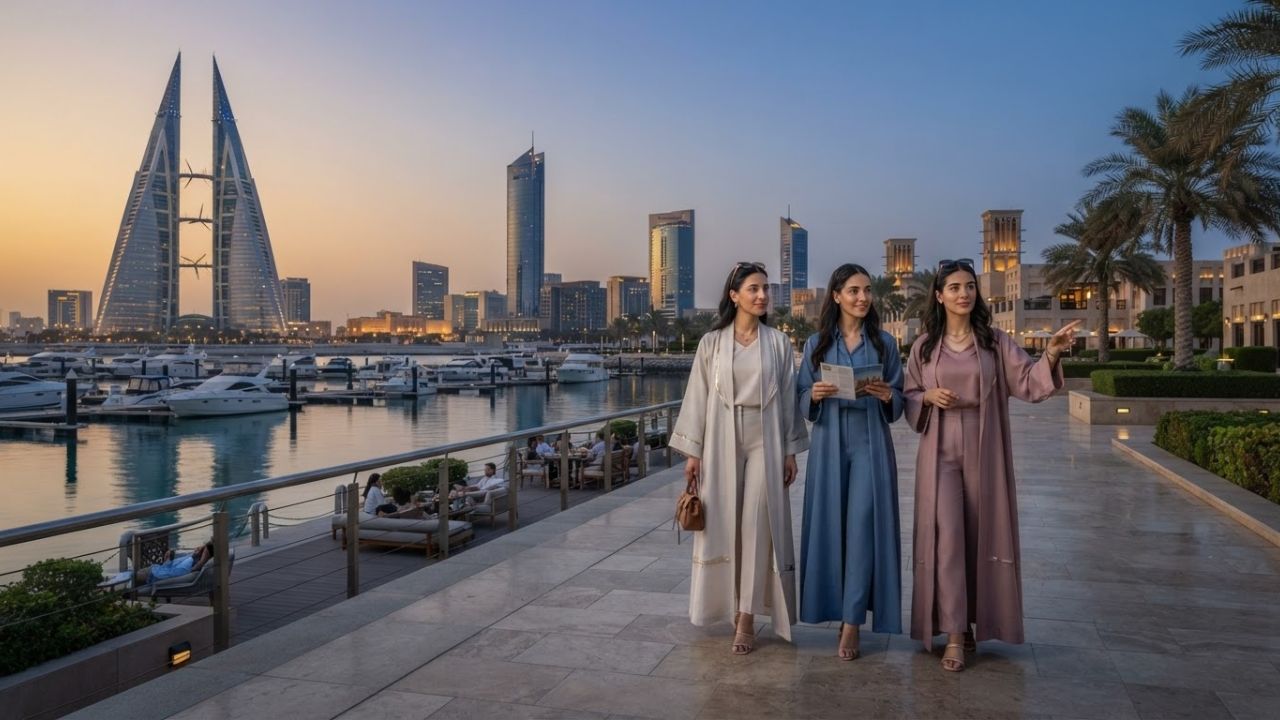
Image generated by AI
According to reports from international tracking databases, Bahrain's tourism sector faced a significant contraction in early 2026, with international arrivals dropping by almost 28% year-on-year.
The latest figures compiled by the global monitoring agency indicate that international arrivals nosedived by 27.8% between January and March 2026 compared to the same period of the previous year. Specifically, UN Tourism data shows a 27.7% decline, making this one of the sharpest contractions among destinations in the Arabian Gulf. The downward trend highlights changing travel dynamics, regional uncertainty, and rising competition from neighboring markets like Dubai, Saudi Arabia, and Qatar. To reverse the decline, regional authorities are shifting focus toward market redistribution, unique heritage campaigns, and high-value cultural tourism.
The Q1 slowdown represents a major setback for the kingdom's efforts to promote itself as a premier destination for business and leisure travel. As travelers compare destinations based on flight connectivity, accommodation value, and safety perceptions, Bahrain has struggled to maintain the strong visitor momentum needed to support its growth goals. While the current situation presents clear difficulties, it also serves as a catalyst for local operators to update their travel offerings. By implementing targeted digital marketing and improving tourist infrastructure, Bahrain can rebuild its visitor base while ensuring long-term economic resilience.
Bahrain Post-Q1 Inbound Slump Reveals Intensifying Gulf Market Competition
The data showing a 27.7% decline in international tourist arrivals during the first quarter of 2026 highlights the sensitive nature of the Gulf travel market. In recent years, neighboring countries have aggressively expanded their tourism sectors, investing billions in luxury resorts, mega entertainment projects, and airline networks. Dubai continues to dominate regional leisure travel, while Saudi Arabia is rapidly building new attractions, and Qatar is using major international events to attract visitors. This competitive environment has left smaller destinations like Bahrain struggling to retain their share of inbound travelers.
To illustrate the key metrics and factors behind Bahrain's recent performance, the following table summarizes the operational data and market challenges:
| Tourism Metric | Performance Data & Details | Primary Market Challenges & Drivers |
|---|---|---|
| Growth Decline Period | January to March 2026 | First quarter slowdown in seasonal visitor arrivals |
| Year-on-Year Drop | 27.8% (or 27.7% in border registries) | Sharpest contraction recorded among Gulf destinations |
| Data Authority | UN Tourism statistics | Monitored through global travel dashboards |
| Regional Competition | Dubai, Saudi Arabia, and Qatar | Competitors investing heavily in infrastructure and events |
| Key Affected Sectors | Leisure, business, and hospitality | Impacted hotel occupancy, restaurants, and retail venues |
| Primary Target Solution | BTEA heritage and event promotion | Diversifying the visitor base, improving connectivity |
Regional Uncertainty and Dependence on Neighboring Gulf Visitors
A major factor influencing Bahrain's tourism decline is the wider uncertainty affecting the Middle East travel environment. Because tourism demand is highly sensitive to consumer confidence, regional geopolitical concerns can prompt travelers to postpone holidays or choose destinations they consider more stable. For Bahrain, this effect is particularly significant because many international visitors include the country as part of broader regional travel plans. When regional travel slows down, the impact on Bahrain's inbound arrivals is immediate.
Additionally, Bahrain has historically relied on a high volume of visitors from neighboring Gulf Cooperation Council (GCC) markets, who travel for short weekend trips and leisure shopping. This high level of dependence means that shifts in regional travel patterns quickly impact the local economy. A reduction in short-term leisure visits immediately affects hotel occupancy, restaurants, and shopping malls. Industry analysts suggest that developing a more diversified visitor base, particularly from European and Asian markets, will be essential to reduce the impact of regional travel shifts in the future.
Highlighting Bahrain's Cultural Identity and Luxury Island Experiences
Despite the recent downturn, Bahrain possesses distinct cultural and historical assets that differentiate it from other Gulf destinations. The kingdom is home to several UNESCO World Heritage sites, including the ancient Qal'at al-Bahrain (Bahrain Fort) and the historic Pearling Path in Muharraq. These landmarks offer travelers an authentic look at the region’s pre-oil history, trading traditions, and architecture. Promoting this rich cultural heritage is central to the kingdom's long-term tourism strategy.
In addition to cultural heritage, Bahrain offers premium waterfront developments, beach resorts, and marine activities. The country's island geography allows visitors to participate in sailing, diving, and visits to pristine offshore sandbars like Jarada Island. By combining luxury hospitality with unique historical and marine experiences, Bahrain can appeal to cultural travelers, families, and wellness tourists seeking a more relaxed, less commercialized alternative to neighboring urban centers.
The Strategic Path Forward for BTEA and the Tourism Workforce
To rebuild visitor demand, the Bahrain Tourism and Exhibitions Authority (BTEA) is working to expand the country's international marketing campaigns and improve air connectivity. Collaborating with regional airlines to offer competitive fares and increase flight frequencies to key international hubs is a primary goal. Additionally, the kingdom is hosting more international corporate meetings, conferences, and sporting events to boost business tourism, which helps maintain hotel occupancy during off-peak seasons.
Supporting local tourism operators and training the hospitality workforce in digital skills is also essential to improve service standards. By helping local businesses implement advanced booking platforms and data-driven marketing, the country can better align its offerings with the expectations of modern travelers. This collaborative approach ensures that the benefits of tourism growth support local businesses and communities, establishing a sustainable foundation for the future of Bahrain's travel sector.
Why This Matters (Information Gain & Experience)
For the traveler, this means that Bahrain represents a highly attractive, uncrowded, and culturally rich alternative in the Gulf region. Visiting historic neighborhoods like Muharraq or exploring the Bab Al Bahrain souq during the pleasant winter months (November to March) offers a more relaxed and authentic experience compared to neighboring mega-cities. From a logistical standpoint, the drop in visitor numbers may lead hotels and tour operators to offer premium packages and competitive pricing, making a luxury holiday in Manama more affordable.
Additionally, choosing to support local businesses in the traditional souqs and hiring local Bahraini guides directly contributes to the community's economic recovery. Engaging with local hosts, tasting traditional dishes like machboos (spiced rice) and regional halwa sweets, and exploring desert heritage sites like the Tree of Life provides a richer, more meaningful travel experience. It allows visitors to practice responsible, culturally respectful travel that directly supports the local economy while discovering a unique side of the Arabian Gulf.
Related Travel Guides
Disclaimer
This article is for informational and educational purposes only. It does not constitute legal, financial, or professional advice. While we strive to provide accurate and up-to-date information, travel policies, regulations, and conditions change rapidly. Always verify information with official sources before making travel decisions. Nomad Lawyer makes no representations about the accuracy, reliability, completeness, or suitability of the information provided. Readers should consult qualified professionals for advice specific to their circumstances. The views expressed in this article are those of the author and do not necessarily reflect the views of Nomad Lawyer.
Raushan Kumar
Founder & Lead Developer
Full-stack developer with 11+ years of experience and a passionate traveller. Raushan built Nomad Lawyer from the ground up with a vision to create the best travel and law experience on the web.
Learn more about our team →