
Bahrain Tourism Surge Drives 7 Percent GDP Contribution
Bahrain's tourism sector hits a 7 percent GDP milestone with an 11 percent visitor increase, positioning Manama and Muharraq as premier cultural hubs.

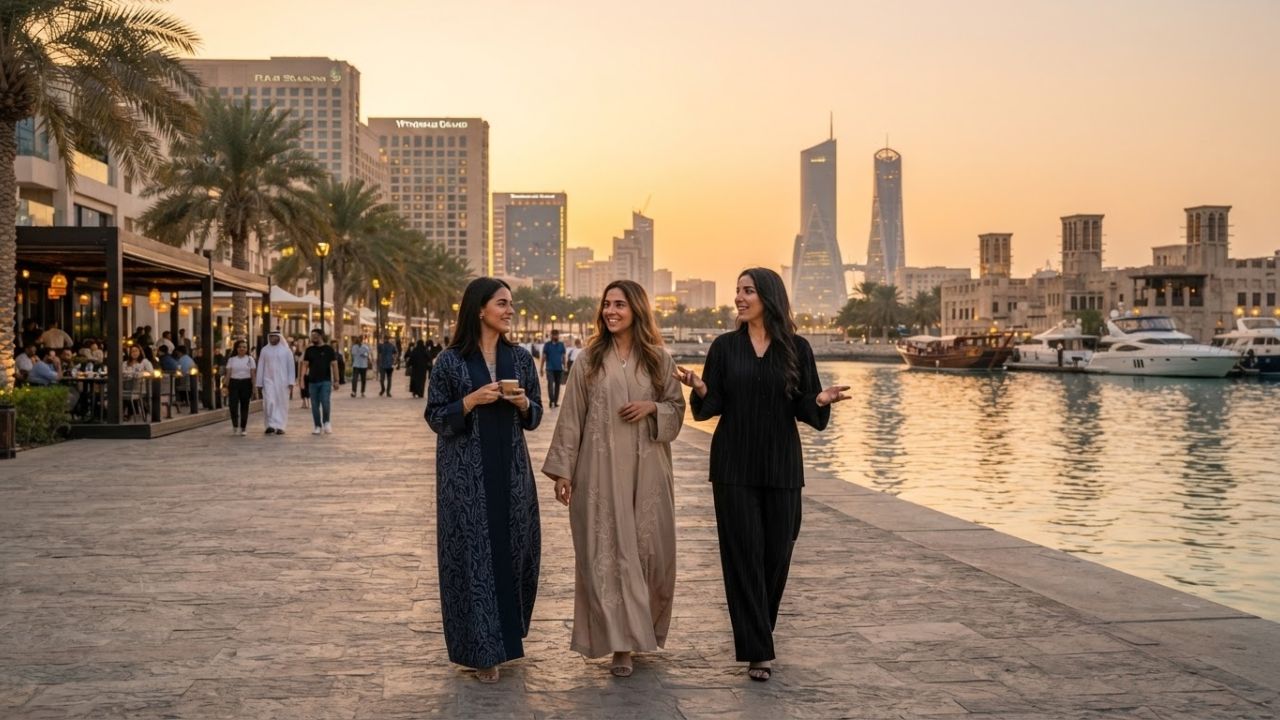
Image generated by AI
The Kingdom of Bahrain has achieved a significant milestone in its regional travel strategy, with the tourism sector contributing 7 percent of the national GDP following a robust 11 percent visitor surge in 2025. Backed by the 2022-2026 national tourism framework, the island nation is successfully expanding its hospitality capacity and diversifying its visitor base beyond traditional GCC weekend travelers.
Evaluating Bahrain's Tourism Strategy and GDP Growth
The travel sector in Bahrain is experiencing a transition as planners build regional destinations to diversify visitor experiences. In August 2026, the kingdom and its capital city of Manama are showing strong tourist momentum, with the share of tourism in the country's GDP confirmed at 7 percent.
By establishing these seasonal travel corridors, the airline's management aims to support both business and leisure travel flows. Corporate travelers and travel agencies, which maintain strong relationships with global destination management organizations, benefit from direct seat capacity. This economic integration supports the travel sector, providing service providers with a reliable channel for high-value bookings.
By establishing these seasonal travel corridors, the airline's management aims to support both business and leisure travel flows. Canadian corporate travelers and travel agencies, which maintain strong relationships with European and Asian destination management organizations, would benefit from direct seat capacity. This economic integration supports the travel sector, providing service providers with a reliable channel for high-value bookings.
By establishing these seasonal travel corridors, the airline's management aims to support both business and leisure travel flows. Canadian corporate travelers and travel agencies, which maintain strong relationships with European and Asian destination management organizations, would benefit from direct seat capacity. This economic integration supports the travel sector, providing service providers with a reliable channel for high-value bookings.
By establishing these seasonal travel corridors, the airline's management aims to support both business and leisure travel flows. Canadian corporate travelers and travel agencies, which maintain strong relationships with European and Asian destination management organizations, would benefit from direct seat capacity. This economic integration supports the travel sector, providing service providers with a reliable channel for high-value bookings.
By establishing these seasonal travel corridors, the airline's management aims to support both business and leisure travel flows. Canadian corporate travelers and travel agencies, which maintain strong relationships with European and Asian destination management organizations, would benefit from direct seat capacity. This economic integration supports the travel sector, providing service providers with a reliable channel for high-value bookings.
According to Tourism Minister Fatima Al Sairafi, the country ranked third in the Middle East in terms of tourist arrivals in 2025, registering an 11 percent visitor increase compared with 2024.
This performance supports the targets set under the Bahrain Tourism Strategy 2022-2026, which aims to raise the sector's contribution to 11.4 percent of GDP by 2026, while reaching 14.1 million annual visitors. The strategic plan is designed around a daily spending target of BHD 74.8 per visitor and an average stay length of 3.5 nights.
The Transition: Expanding From Weekend Escapes to Global Corridors
To reduce reliance on weekend visitor patterns, the tourism department is broadening its source markets.
This localized disruption also offers a unique opportunity for duty-free retailers and terminal operators to design services suited for stranded passengers. By monitoring passenger comfort levels during long delays, airport customer teams can provide complimentary amenities to ensure guest satisfaction. This proactive approach helps build traveler confidence, ensuring that regional transit routes remain competitive with global hub standards.
This localized disruption also offers a unique opportunity for duty-free retailers and terminal operators to design services suited for stranded passengers. By monitoring passenger comfort levels during long delays, airport customer teams can provide complimentary amenities to ensure guest satisfaction. This proactive approach helps build traveler confidence, ensuring that regional transit routes remain competitive with global hub standards.
While visitors from neighboring Saudi Arabia remain important, Bahrain is targeting long-haul markets including the United Kingdom, India, China, and Germany.
To support this expansion, local operators have developed 23 new four- and five-star hotels since the tourism strategy began, working toward a target of 45 new properties. This hospitality expansion provides the infrastructure needed to support longer stays, shifting the destination's image from a simple weekend stopover into an international cultural hub.
Cultural Pillars of the Archipelago: Manama and Muharraq
For the traveler, the modern and historic highlights of the kingdom are concentrated around the northern islands.
This environmental focus is supported by regional climatologists and conservationists who monitor ecosystem health. By tracking tourist footprint signals, managers can ensure that natural areas remain protected. The integration of carrying-capacity policies with wilderness trails demonstrates how tourism planning can protect biodiversity while offering high-quality educational hikes.
This localized culinary focus also offers a unique opportunity for restaurant associations and culinary schools to design programs suited for premium travelers. By monitoring traveler culinary preferences during long stays, local chefs can provide customized dishes to ensure guest satisfaction. This proactive approach helps build traveler confidence, ensuring that Goan coastal dining remains competitive with global culinary standards.
This localized culinary focus also offers a unique opportunity for restaurant associations and culinary schools to design programs suited for premium travelers. By monitoring traveler culinary preferences during long stays, local chefs can provide customized dishes to ensure guest satisfaction. This proactive approach helps build traveler confidence, ensuring that Goan coastal dining remains competitive with global culinary standards.
The capital city of Manama combines contemporary retail hubs and Bahrain Bay developments with the historic markets of Bab Al Bahrain.
On the neighboring island of Muharraq, visitors can explore the Pearling Path, a UNESCO World Heritage Site featuring traditional houses and historic architectural conservation projects. Additional historic landmarks include Qal'at al-Bahrain (Bahrain Fort), which showcases the region's Dilmun civilization roots and ancient trading networks.
Community Support and Sustainable Pearl Heritage Conservation
Preserving cultural traditions requires integrating local artisans and businesses into the visitor economy.
For the visitor, the real impact is visiting a destination where tourist spending directly supports traditional pearl diving operations, pottery workshops in A'ali, and family-run bakeries in Muharraq's historic souqs.
Sustainable initiatives include restricting heavy traffic near historic sites, promoting marine conservation around local reefs, and using eco-friendly materials in waterfront developments.
Visitor Guide: Local Specialties, Transit Logistics, and Seasonal Travel
Traveling through Bahrain involves coordinating causeway transit, organizing airport transfers, and trying local delicacies.
Sample traditional culinary specialties during your stay. Savor Machboos, the national dish of spiced rice cooked with chicken, lamb, or fish, seasoned with baharat spices and smoky dried black lime (loomi). Try Bahraini Halwa, a sweet gelled dessert containing saffron, cardamom, rose water, and nuts, typically sourced from the Showaiter family shops and served with gahwa (Arabic coffee).
Coordinate your local transport. Fly to Bahrain International Airport (BAH) on Muharraq Island, the primary hub for Gulf Air. Standard metered taxi fares to central Manama cost at least 6 BHD, plus a 2 BHD airport pickup surcharge. For road travelers, cross the King Fahd Causeway from Saudi Arabia, with a passenger toll of 3.5 BHD (35 SAR) per direction.
Observe local customs and travel advice. Plan your visits during the cooler months from November to March for comfortable outdoor sightseeing. Dress modestly when visiting public places and historical monuments, keeping shoulders and knees covered.
Future Outlook: Rebuilding a Resilient Southern Gulf Gateway
The long-term recovery of Bahrain's travel sector depends on coordinating airport networks with regional road transit links. The Bahrain Tourism and Exhibitions Authority and municipal councils are collaborating to support regional travel pipelines.
Sustainable initiatives include building low-emission shuttle links, promoting eco-friendly guesthouses, and introducing cultural heritage guides. By combining smart visitor management with traditional agricultural preservation, the region aims to support travel innovation, securing a resilient and connected future for Central Europe's mountain communities.
Related Travel Guides
Disclaimer
This article is for informational and educational purposes only. It does not constitute legal, financial, or professional advice. While we strive to provide accurate and up-to-date information, travel policies, regulations, and conditions change rapidly. Always verify information with official sources before making travel decisions. Nomad Lawyer makes no representations about the accuracy, reliability, completeness, or suitability of the information provided. Readers should consult qualified professionals for advice specific to their circumstances. The views expressed in this article are those of the author and do not necessarily reflect the views of Nomad Lawyer.
Preeti Gunjan
Contributor & Community Manager
A passionate traveller and community builder. Preeti helps grow the Nomad Lawyer community, fostering engagement and bringing the reader experience to life.
Learn more about our team →