
Azerbaijan Emerges as Top Autumn Hotspot for Russian Travelers
Azerbaijan records an 18% increase in hotel booking demand from Russian tourists for autumn 2026, driven by affordable luxury and ease of access.
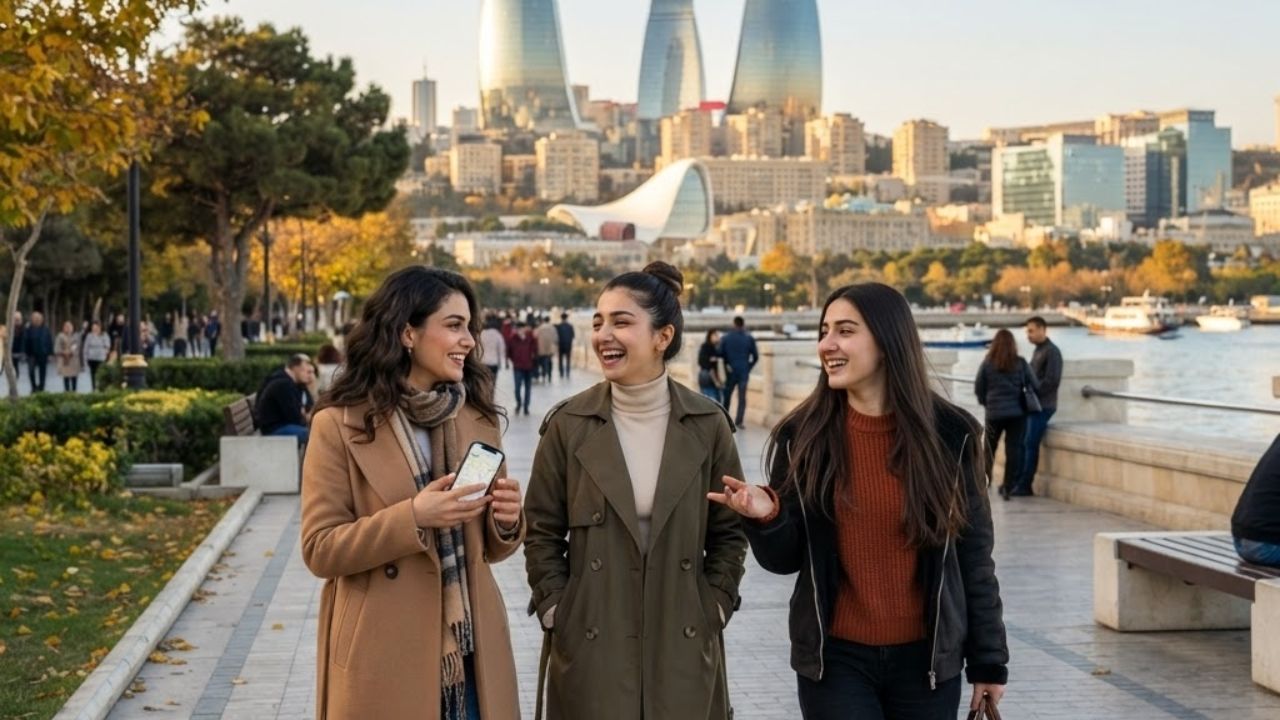
Image generated by AI
Recording an 18% increase in hotel booking demand for autumn 2026 compared to last year, Azerbaijan is establishing itself as a preferred international destination for Russian travelers.
The rise in demand highlights a significant shift in regional outbound travel patterns, with tourists prioritizing practical travel logistics, affordable luxury, and simplified entry requirements. Positioned between Europe and Asia, the Caucasus nation offers a combination of modern urban infrastructure, historic Silk Road monuments, and diverse climate zones. Direct flight connections and competitive hotel pricing have made it a convenient alternative to traditional European destinations, which have experienced substantial declines in visitor interest.
The Local Trend Revealed: Regional Air Corridor Growth
The growth of Azerbaijan's tourism sector is driven by the relocation of flight capacities and the expansion of direct air corridors from Russian metropolitan hubs. According to reports from the State Tourism Agency of the Republic of Azerbaijan and the Azerbaijan Tourism Board (ATB), Baku's Heydar Aliyev International Airport (GYD) serves as the primary gateway for incoming visitors. The availability of direct flights prevents the need for complex multi-leg journeys, allowing travelers to coordinate autumn weekend breaks and wellness retreats easily.
Shifting Outbound Corridors in the Regional Travel Market
The redirecting of travel demand to the South Caucasus is closely connected with broader macroeconomic shifts and transit restrictions. As flight options to Western Europe remain limited and expensive, destinations with direct air links and simplified entry requirements gain a significant market advantage. Azerbaijan's electronic visa system (ASAN Visa) enables Russian citizens to secure entry permits online within three business days, reducing travel planning friction.
Furthermore, the favorable exchange rate between regional currencies makes dining, accommodation, and transport in Baku highly cost-effective compared to traditional European capitals. The geographic proximity of Baku—located a short three-hour flight from Moscow—makes it ideal for short autumn weekend escapes. This combination of affordability, accessibility, and ease of planning has allowed Azerbaijan to capture a larger share of the outbound travel market, especially during the seasonal shoulder periods.
The following table provides a comparative breakdown of hotel booking growth and declines across major outbound destinations during this transition:
| Destination Territory | Autumn 2026 Booking Trend (%) | Primary Travel Market Role | Key Tourist Attraction Focus |
|---|---|---|---|
| Greece | +109% increase | Fastest-growing overseas market | Coastal resorts and cultural heritage |
| Cyprus | +100% increase | Strong beach resort demand | Mediterranean sea holiday packages |
| Serbia | +75% increase | European non-visa hub | Urban cultural tours and historic cities |
| Turkey | +60% increase | Major regional beach gateway | All-inclusive coastal wellness resorts |
| Azerbaijan | +18% increase | Fast-growing Caucasus gateway | Baku architecture, Caspian Sea, and mountains |
| Italy | -59% decrease | Traditional European segment | Historical sightseeing and fine art |
| France | -65% decrease | Western European destination | Urban sightseeing and luxury shopping |
| Germany | -73% decrease | Central European market | Business travel and historic castles |
| UAE | -74% decrease | Gulf transit and shopping hub | Modern architecture and desert tours |
| Spain | -82% decrease | Mediterranean beach destination | Summer coastal resorts and nightlife |
Cultural and Environmental Value: Empowering Rural Craft Communities
For the visitor, the real impact is the opportunity to engage in sustainable cultural preservation outside the capital city. While Baku remains the primary gateway, tourism agencies are promoting regional travel to historic mountain villages like Lahij and Sheki. Famous for their preserved cobblestone streets and centuries-old copper and silk guilds, these villages allow travelers to buy directly from local artisans, supporting the regional economy.
The cultural heritage of Azerbaijan is deeply rooted in its history as a vital crossroads of the ancient Silk Road. In the capital, the historic core of Baku—the Walled City, the Palace of the Shirvanshahs, and the Maiden Tower—is recognized as a UNESCO World Heritage site, showcasing a unique blend of Arabic, Persian, and Ottoman architectural styles.
Further inland, the town of Sheki is home to the Palace of Sheki Khans, famous for its ornate brickwork, murals, and shebeke—intricate wooden window frames fitted with hand-blown stained glass assembled without glue or nails. By visiting these historic monuments, international travelers support the conservation of traditional construction crafts and help fund restoration programs managed by the Ministry of Culture, preserving these unique architectural achievements for future generations.
By staying in family-owned guesthouses (ev-qonaq evi) and hiring local guides certified by the national tourism directorate, visitors help distribute capital directly to rural households. This support encourages the preservation of traditional crafts, including hand-hammered copperware and silk weaving, while protecting the natural scenery of the Greater Caucasus mountains from high-density commercial developments.
Visitor Insider Tips: Navigating Azerbaijan Responsibly
Exploring Azerbaijan’s cultural attractions and historic cities requires local insight:
- Navigating Baku's Inner City: Explore the walled Inner City (Icherisheher), a UNESCO World Heritage site, early in the morning (around 8:30 AM) to experience the historic streets before tour groups arrive.
- Respecting Cultural Etiquette: When visiting mosques or traditional rural shrines, dress conservatively. Women must cover their heads and shoulders, and everyone must remove their shoes at the entrance. In traditional markets like Yashil Bazar, polite bargaining is expected, but modern retail centers use fixed prices.
- Sampling Culinary Specialties: Try Plov (saffron-infused rice cooked with lamb, chestnuts, and dried fruits), Dushbara (tiny lamb dumplings served in a clear broth), and fresh Lula Kebab. Drink hot black tea served in pear-shaped glass cups (Armudu) accompanied by local fig or walnut jams.
- Under-the-Radar Spot: Visit the mud volcanoes and ancient petroglyphs at Gobustan National Park, located about 60 kilometers south of Baku, which showcases prehistoric rock carvings dating back 40,000 years.
Tourism Outlook: Infrastructure and Visa Streamlining
The long-term outlook for Azerbaijan's tourism sector is supported by the simplification of electronic visa procedures (ASAN Visa) for over 90 nationalities, allowing travelers to secure entry permits online within three business days. As the State Tourism Agency continues to invest in transport links, hotel infrastructure, and wellness resorts in regions like Naftalan and Gabala, the country is well-positioned to maintain its growth trajectory, establishing the Caucasus as a major year-round transit and holiday destination.
Key Takeaways
- Demand Growth: Azerbaijan recorded an 18% increase in hotel booking demand among Russian travelers for autumn 2026.
- European Declines: Traditional European destinations saw significant decreases in demand, with Spain dropping 82% and Germany 73%.
- Airlift Connectivity: Heydar Aliyev International Airport in Baku serves as a primary hub, with direct flights from Russian cities.
- Visa Simplification: The electronic ASAN Visa system allows visitors to secure entry permits online within three business days.
FAQ
Do Russian citizens need a visa for Azerbaijan?
Yes, travelers must check current visa agreements; eligible passport holders can secure an electronic ASAN Visa online prior to departure.
What is the best currency to use in Azerbaijan?
The official currency is the Azerbaijani Manat (AZN). Foreign cash can be exchanged at bank branches and authorized exchange offices in Baku.
When is the best time to visit Baku?
The autumn months of September to November offer pleasant, cooler temperatures (around 15°C to 25°C), making it ideal for sightseeing.
Related Travel Guides
Disclaimer
This article is for informational and educational purposes only. It does not constitute legal, financial, or professional advice. While we strive to provide accurate and up-to-date information, travel policies, regulations, and conditions change rapidly. Always verify information with official sources before making travel decisions. Nomad Lawyer makes no representations about the accuracy, reliability, completeness, or suitability of the information provided. Readers should consult qualified professionals for advice specific to their circumstances. The views expressed in this article are those of the author and do not necessarily reflect the views of Nomad Lawyer.