
Routes Avelo Airlines: 10 Emptiest Flights Hit Only 27% Capacity
Avelo Airlines' struggling route network reveals critical capacity challenges in 2026, with its emptiest routes operating at just 27% occupancy despite five years of commercial operations and stagnant passenger growth.

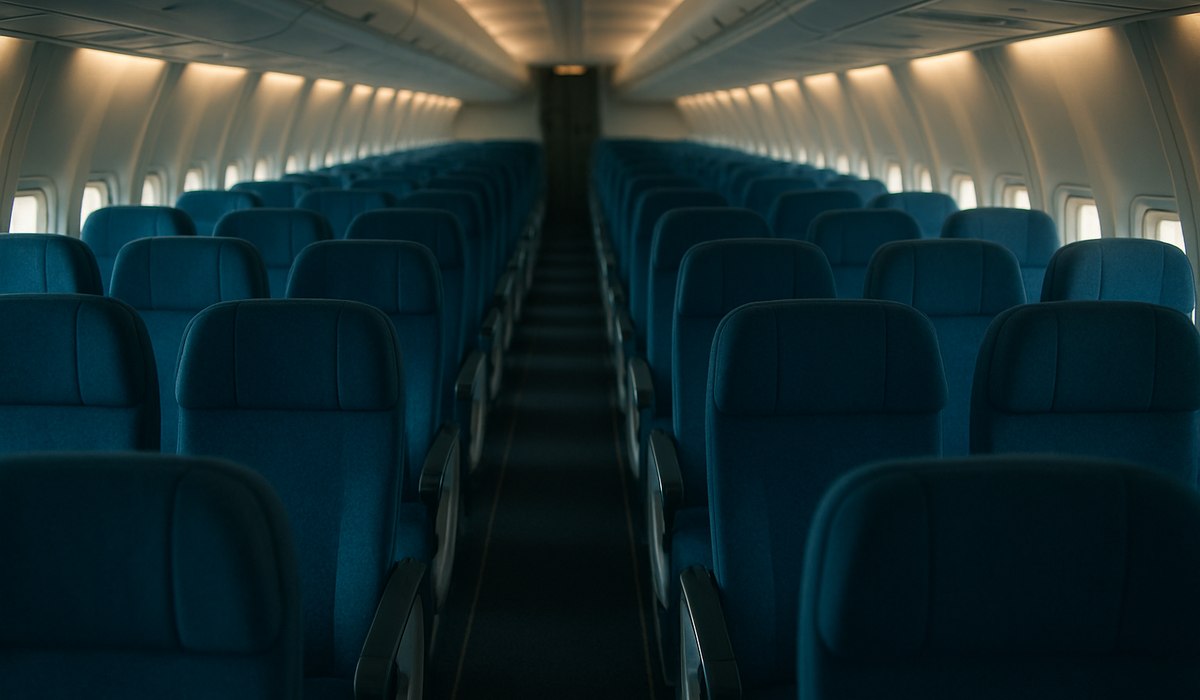
Image generated by AI
Avelo Airlines' Route Performance Crisis: The Numbers Behind the Emptiest Flights
Avelo Airlines continues to struggle with operational efficiency across its domestic network, new data reveals. Five years after launching its first revenue-generating flight, the carrier faces mounting capacity challenges that threaten expansion ambitions. According to data compiled from 2025 US Department of Transportation records, routes Avelo Airlines operates are revealing significant passenger demand shortfalls, with the airline's 10 emptiest routes operating at merely 27% occupancy rates.
The Boston-based carrier has expanded incrementally despite serving nearly 2.6 million passengers in 2025—a growth of just 342,000 travelers compared to 2023. This modest 15% increase over two years underscores fundamental headwinds in Avelo's business model. Industry analysts attribute the stagnation to route selection missteps, competitive pressure from legacy carriers, and regional market saturation. When examining routes Avelo Airlines maintains, several patterns emerge indicating where the airline's strategic planning has faltered most severely.
The emptiest flights expose operational vulnerabilities that burden the carrier's financial performance. Fuel costs, crew scheduling, and ground operations remain fixed expenses regardless of passenger loads, making sub-30% occupancy rates unsustainable long-term. For travelers considering Avelo for upcoming trips, understanding which routes perform worst offers valuable insight into service reliability and potential operational changes.
Why Avelo's Capacity Utilization Remains Stagnant
Load factors—the percentage of available seats filled on flights—represent the airline industry's primary efficiency metric. Avelo's poorest-performing routes demonstrate load factors well below the 80% threshold considered healthy for domestic carriers. This stagnation reflects multiple interconnected challenges within the airline's operational strategy.
Competition from larger carriers dominates most markets where Avelo attempts service. United Airlines, American Airlines, and Southwest Airlines offer greater frequency, loyalty programs, and schedule convenience on overlapping routes. Additionally, Avelo's limited fleet size restricts its ability to scale operations or reposition aircraft to underperforming markets quickly. The carrier's focus on secondary airports—while reducing landing fees—simultaneously limits passenger accessibility, as travelers often prefer major hubs.
Scheduling inefficiencies compound capacity problems. Routes Avelo Airlines maintains frequently operate outside peak travel windows, generating lower demand. Seasonal fluctuations hit the carrier disproportionately hard on leisure-dependent routes lacking business travel support. Without sufficient diversification across leisure and business segments, Avelo remains vulnerable to demand volatility.
According to the FAA, regional carrier performance metrics in 2025 showed Avelo lagging peers in load factor consistency. This data underscores structural challenges requiring strategic intervention beyond simple route adjustments. Industry observers question whether Avelo's current operational model supports profitable growth or merely sustains existing unprofitable routes through investor patience.
The Routes Struggling Most: A Detailed Breakdown
Data analysis of routes Avelo Airlines operates reveals geographic clustering of underperformance. Several leisure-dependent markets show particularly weak demand, with loads falling below 40% during off-season months. These include routes connecting smaller coastal markets, mountain resort destinations, and secondary cities lacking strong corporate presence.
New England routes constitute a significant portion of Avelo's underperforming network, despite the airline's Boston headquarters location. This geographic irony suggests that Avelo's home-base advantage fails to translate into sufficient local demand to sustain marginal routes. Winter seasonal patterns intensify this vulnerability, as leisure travel demand drops sharply in northern markets during the first quarter.
Mid-Atlantic and Southeast regional connections also appear frequently among the lowest-performing routes Avelo Airlines maintains. Routes from secondary Virginia airports, North Carolina markets, and smaller Florida destinations consistently report occupancy rates between 25% and 35%. These markets present particular operational challenges due to limited passenger bases and insufficient business travel demand.
The airline's expansion into western markets has similarly underperformed expectations. Routes from secondary California airports and smaller Nevada markets show weak initial demand development. Avelo's late entry into these markets meant competing against entrenched carriers with established networks and customer loyalty programs. Without differentiation through pricing or service quality, Avelo struggles to gain meaningful market share.
Industry observers monitoring aircraft utilization via FlightAware report frequent schedule adjustments on underperforming routes. These changes—reducing frequency or swapping larger aircraft for smaller regional jets—indicate management recognition of persistent capacity challenges. However, reactive scheduling adjustments alone prove insufficient to reverse systemic demand weakness.
What Low Load Factors Mean for Avelo's Expansion Plans
Expansion becomes increasingly difficult when existing operations generate insufficient profits to fund new routes. Avelo's stagnant passenger growth directly constrains capital available for fleet acquisition or new market entry. Investors scrutinize unit economics intensely, knowing that marginal routes cannot support sustainable growth trajectories.
The carrier's reliance on secondary airports—while reducing operating costs initially—creates expansion limitations. Most attractive secondary airport slots remain available precisely because larger carriers abandoned them due to insufficient demand. Avelo's presence essentially fills vacuums left by more sophisticated competitors, which may indicate fundamental market weaknesses rather than opportunities.
Financial pressure mounting from low-margin routes forces difficult strategic choices. Avelo must simultaneously optimize existing operations and develop new revenue sources. This tension often results in underinvestment in either category, preventing competitive breakthrough. Without dramatic operational improvements or market consolidation, current expansion plans appear optimistic relative to financial realities.
Route profitability directly influences aircraft deployment decisions. As routes Avelo Airlines prove unprofitable, management redirects limited aircraft to emerging opportunities. This creates a churn dynamic where new routes open while marginal existing routes close. For passengers, such instability reduces service reliability and encourages usage of competitors offering more stable networks.
The US Department of Transportation monitors carrier financial health and service stability metrics. Avelo's metrics increasingly warrant attention, particularly regarding potential service disruptions. Recent industry consolidation and restructuring suggest that carriers with fundamentally challenged business models face difficult futures.
Traveler Action Checklist
If you book travel on Avelo Airlines, take these protective steps to minimize disruption risk:
-
Check real-time load factors on flights you're considering via FlightAware before purchasing tickets, as routes below 40% occupancy face higher cancellation risks.
-
Book with maximum flexibility by selecting refundable fares or purchasing travel insurance that covers airline insolvency, protecting against potential service cessation.
-
Monitor route announcements through Avelo's official website and email alerts, as low-demand routes may be discontinued with minimal advance notice.
-
Verify schedule consistency by checking FlightAware historical data for your chosen route to identify seasonal cancellations or frequent delays.
-
Review ticket protections under DOT regulations, ensuring you understand rebooking options if your flight faces cancellation or significant schedule changes.
-
Consider alternative carriers when booking leisure travel on Avelo's secondary routes, as service interruptions could strand you without convenient rebooking options.
-
Document all booking confirmations including emails, screenshots, and confirmation numbers, simplifying compensation claims if service disruptions occur.
What This Means for Travelers
Avelo Airlines' capacity challenges create several practical implications for nomadic professionals and leisure travelers. Route instability increases travel planning complexity, as historically reliable services may face sudden discontinuation. This uncertainty encourages travelers to build redundancy into itineraries when using Avelo, avoiding situations where service disruption creates unforeseen complications.
Capacity constraints paradoxically may benefit budget-conscious travelers through increased promotional pricing on underperforming routes. Airlines frequently discount fares significantly on routes facing load factor challenges, creating booking opportunities for flexible travelers. However, this discount advantage must balance against reliability concerns and potential service discontinuation.
Business travelers face particular risks when dependent on Av
Disclaimer
This article is for informational and educational purposes only. It does not constitute legal, financial, or professional advice. While we strive to provide accurate and up-to-date information, travel policies, regulations, and conditions change rapidly. Always verify information with official sources before making travel decisions. Nomad Lawyer makes no representations about the accuracy, reliability, completeness, or suitability of the information provided. Readers should consult qualified professionals for advice specific to their circumstances. The views expressed in this article are those of the author and do not necessarily reflect the views of Nomad Lawyer.
Kunal K Choudhary
Co-Founder & Contributor
A passionate traveller and tech enthusiast. Kunal contributes to the vision and growth of Nomad Lawyer, bringing fresh perspectives and driving the community forward.
Learn more about our team →