
Australind Train Service Returns to Western Australia With New Locally Built Diesel Fleet in 2026
The Australind rail link between Perth and Bunbury resumes operations in 2026, debuting a modern fleet of locally manufactured diesel multiple-units to replace 1980s-era railcars.

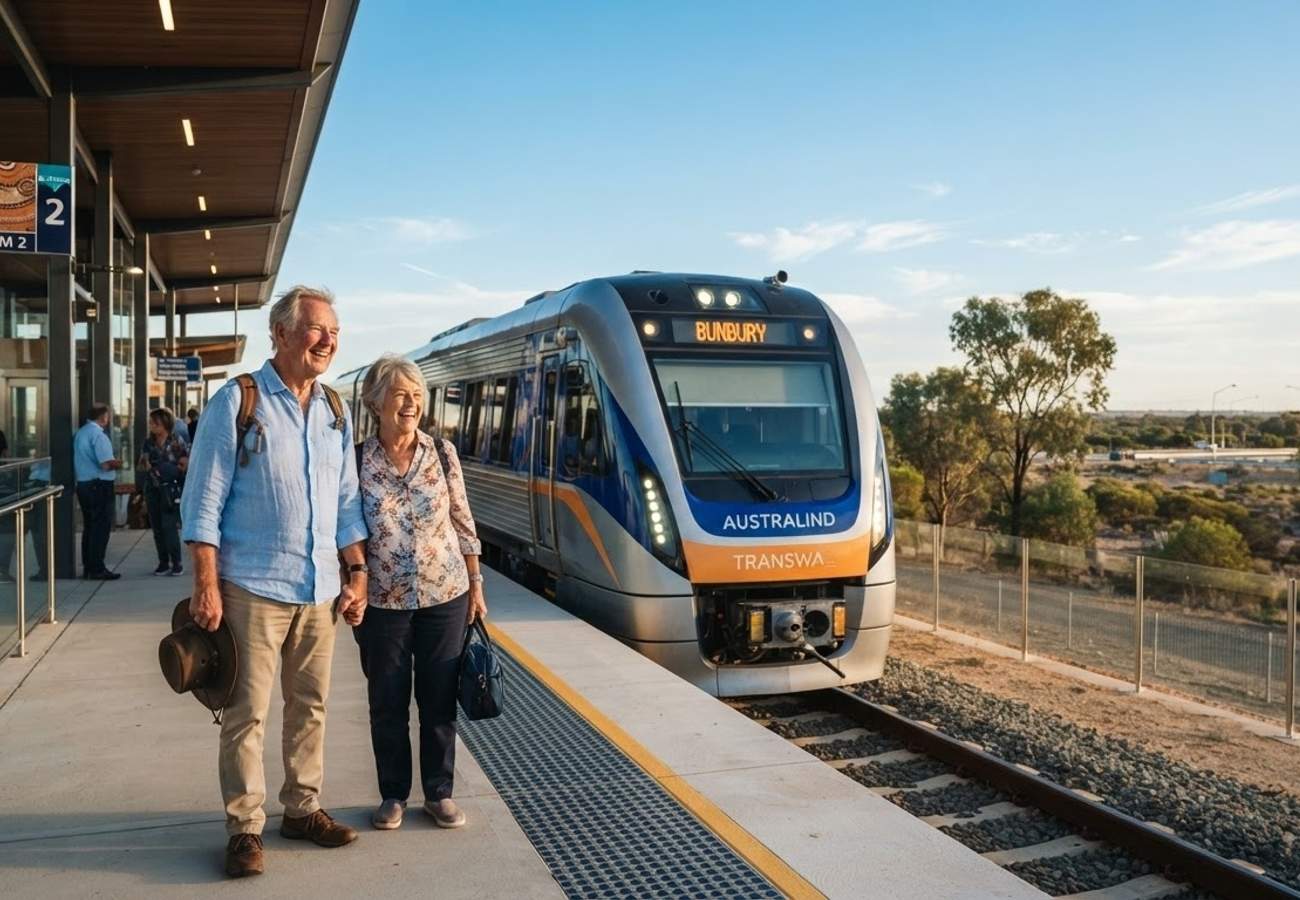
Image generated by AI
The restoration of the Australind train service marks a pivotal shift in Western Australia's regional connectivity. After a period of suspension that forced passengers to rely on road-based coach alternatives, the rail link between Perth and Bunbury is back in operation, debuting a fleet of modern diesel multiple-units (DMUs).
The first of these new trains officially entered passenger service in late June 2026. This rollout is not merely a replacement of rolling stock but a strategic investment in regional infrastructure, utilizing trains manufactured locally at Alstom’s Bellevue facility in Western Australia.
Modernizing the Perth–Bunbury Corridor
The transition to the new fleet addresses a critical reliability gap. The previous railcars, which had been the backbone of the route since 1987, had exceeded their operational lifespan, making maintenance increasingly difficult and impacting service consistency.
The new DMUs are specifically engineered for the 167-kilometre journey between Perth and Bunbury. By shifting from 40-year-old technology to contemporary engineering, the service aims to meet modern passenger expectations for speed, comfort, and uptime.
Key Technical and Operational Specifications:
- Route: Perth to Bunbury (approximately 167 kilometres).
- Manufacturing Site: Alstom’s Bellevue Railcar Manufacturing Facility, WA.
- Fleet Type: Diesel Multiple-Units (DMUs).
- Rollout Status: First of four trains active as of late June 2026; remaining units entering service in stages.
- Legacy Replacement: Replaces the 1987-era fleet.
Enhanced Passenger Experience and Accessibility
The 2026 Australind fleet introduces significant interior upgrades designed to accommodate a diverse range of travelers, from daily commuters to international tourists.
The new cabins prioritize accessibility and utility. Dedicated zones for wheelchairs and bicycles ensure that the service is inclusive and supports multi-modal travel. For the modern professional and leisure traveler, the integration of USB-C charging ports and updated lighting systems transforms the journey into a productive or relaxing experience.
Economic and Tourism Implications for the South West
The return of the rail service provides a substantial boost to the South West region. Bunbury serves as a primary economic and tourism hub, famous for its marine life and coastal attractions. Reliable rail access reduces the dependency on private vehicles, making the region more accessible for weekend travelers from Perth.
From an economic standpoint, the decision to build these trains at the Bellevue facility supports local supply chains and preserves high-skilled manufacturing jobs within Western Australia. This creates a circular economic benefit: government investment in transport leads to local industrial growth, which in turn facilitates easier movement of people and goods across the state.
Service Comparison: Legacy vs. Modern Fleet
| Feature | Legacy Fleet (1987–2026) | New Australind Fleet (2026) |
|---|---|---|
| Manufacturing | Imported/Older Generation | Locally built at Bellevue, WA |
| Charging | Limited/None | Integrated USB-C ports |
| Accessibility | Basic/Dated | Dedicated wheelchair & bike spaces |
| Reliability | High maintenance due to age | New-generation diesel units |
| Interior | 1980s design | Modern, passenger-focused layout |
Future Service Projections
The Western Australian Government has indicated that the current rollout is only the first phase. As the remaining three trains complete their rigorous testing and enter active service, the government plans to increase service frequency.
This expansion is expected to further integrate the South West into the broader state transport network, providing students, workers, and tourists with a predictable and sustainable alternative to highway travel.
The return of the Australind signifies a new era of regional mobility, blending local industrial capability with modern transit needs.
Related Travel Guides
Disclaimer
This article is for informational and educational purposes only. It does not constitute legal, financial, or professional advice. While we strive to provide accurate and up-to-date information, travel policies, regulations, and conditions change rapidly. Always verify information with official sources before making travel decisions. Nomad Lawyer makes no representations about the accuracy, reliability, completeness, or suitability of the information provided. Readers should consult qualified professionals for advice specific to their circumstances. The views expressed in this article are those of the author and do not necessarily reflect the views of Nomad Lawyer.
Raushan Kumar
Founder & Lead Developer
Full-stack developer with 11+ years of experience and a passionate traveller. Raushan built Nomad Lawyer from the ground up with a vision to create the best travel and law experience on the web.
Learn more about our team →