
Noosa and Yulara Pioneer Australia's Shift to Regenerative Travel
Noosa and Yulara lead Australia's shift to regenerative travel in 2026, balancing visitor volumes with ecological preservation and Indigenous stewardship.

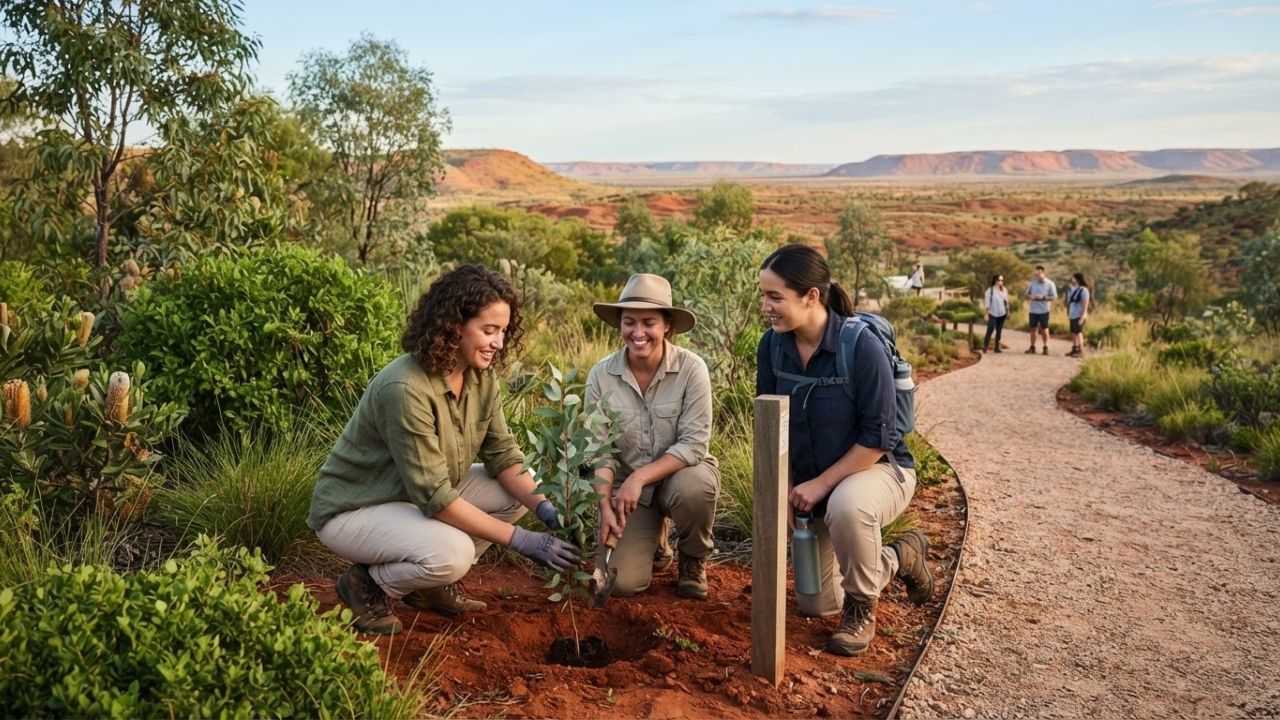
Image generated by AI
Australia's premier destinations are redefining the visitor economy in 2026, with Noosa in Queensland and Yulara in the Northern Territory pioneering community-led models of regenerative travel. By prioritizing ecological restoration and Indigenous stewardship, these regions demonstrate how strict local guidelines can actively heal overtourism impacts.
The Modern Overtourism Crisis in Coastal and Outback Hubs
The international travel sector is experiencing a transition as destinations adapt to high visitor volumes. For decades, Australia has marketed its unique environments, attracting millions of visitors. However, this success has strained municipal infrastructure. Small coastal enclaves and remote outback settlements have faced visitor numbers that exceed their local carrying capacities, placing pressure on waste management systems, road networks, and community services.
By establishing these seasonal travel corridors, the airline's management aims to support both business and leisure travel flows. Corporate travelers and travel agencies, which maintain strong relationships with global destination management organizations, benefit from direct seat capacity. This economic integration supports the travel sector, providing service providers with a reliable channel for high-value bookings.
By establishing these seasonal travel corridors, the airline's management aims to support both business and leisure travel flows. Canadian corporate travelers and travel agencies, which maintain strong relationships with European and Asian destination management organizations, would benefit from direct seat capacity. This economic integration supports the travel sector, providing service providers with a reliable channel for high-value bookings.
In addition to infrastructure pressure, the growth of short-term holiday rentals has reduced the long-term housing supply. Essential workers in hospitality, education, and health have faced housing affordability challenges, leading to labor shortages. This has prompted a shift toward regenerative travel and community-led solutions that seek to restore local ecosystems and support resident populations.
Noosa's Ten-Year Blueprint: Balancing Biosphere and Local Lifestyle
Noosa, located in South East Queensland, is a UNESCO Biosphere Reserve that has faced significant day-tripper traffic and residential conversion.
This localized disruption also offers a unique opportunity for duty-free retailers and terminal operators to design services suited for stranded passengers. By monitoring passenger comfort levels during long delays, airport customer teams can provide complimentary amenities to ensure guest satisfaction. This proactive approach helps build traveler confidence, ensuring that regional transit routes remain competitive with global hub standards.
To manage these challenges and prepare for the 2032 Brisbane Olympic and Paralympic Games, the Noosa Shire Council endorsed a 10-year Destination Management Plan (DMP) titled "For the Love of Noosa" in late 2025.
Developed in consultation with over 2,900 residents, business operators, and visitors, the DMP focuses on low-impact, high-value visitation. Noosa Mayor Frank Wilkie noted that shifting to a regenerative approach in marketing and community programs aims to leave the region in a better state. Key initiatives include introducing dynamic parking programs to manage traffic near the national park, investing in active travel networks, and launching a Regenerative Agriculture Program in the hinterland to support local food production.
Technology and Monitoring: Queensland's Reforest Platform
Noosa's environmental initiatives are supported by digital monitoring tools.
This environmental focus is supported by regional climatologists and conservationists who monitor ecosystem health. By tracking tourist footprint signals, managers can ensure that natural areas remain protected. The integration of carrying-capacity policies with wilderness trails demonstrates how tourism planning can protect biodiversity while offering high-quality educational hikes.
This localized culinary focus also offers a unique opportunity for restaurant associations and culinary schools to design programs suited for premium travelers. By monitoring passenger dining preferences during long stays, local chefs can provide customized dishes to ensure guest satisfaction. This proactive approach helps build traveler confidence, ensuring that Canadian urban dining remains competitive with global culinary standards.
The Reforest platform, backed by the Queensland Government's Ignite Ideas initiative, allows visitors to track and fund local reforestation projects. Following a pilot program with Visit Sunshine Coast and Noosa Landcare, the platform is expanding across the state.
Additionally, the council's public dashboard allows residents and visitors to track metrics such as waste reduction, public transport usage, and reforestation progress in real-time, improving transparency and community trust.
Yulara and Uluru-Kata Tjuta: A Landmark Model of Indigenous Ownership
In the Australian Outback, Yulara and the adjacent Uluru-Kata Tjuta National Park demonstrate the role of Indigenous-led destination management.
The foundation of this model was the 1985 Handback, when the Australian Government returned the title deeds of the 512-square-mile national park to the Anangu people, the traditional custodians who have cared for the land for over 30,000 years. October 2025 marked the 40-year anniversary of this event. The park is managed through a joint structure between the Anangu and Parks Australia, with the Board of Management featuring a clear Anangu majority of 8 Aboriginal members. All decisions are guided by Tjukurpa, the traditional law and knowledge system of the region.
Respectful Immersion: From Climbing to Cultural Storytelling
The transition from climbing Uluru, which was permanently closed in 2019, to cultural immersion has changed the visitor experience in Yulara.
Visitors are encouraged to participate in base walks, rock art tours, and dot-painting workshops at the cultural center. In 2026, the launch of the Uluru-Kata Tjuta Signature Walk offers a multi-day hiking experience with zero-footprint, eco-conscious lodgings.
Additionally, the "Wintjiri Wiru" nocturnal show uses over 1,100 luminous drones to project traditional Anangu stories into the night sky. Developed with Anangu artists, the show narrates stories in the Pitjantjatjara and Yankunytjatjara languages without permanent physical impact on the environment.
Re-Engineering Destination Economics and Environmental Metrics
Regenerative travel policies aim to keep tourism revenue within regional economies.
In Noosa, rates on short-term rentals help fund affordable housing projects. In Yulara, the Kulata Academy Cafe supports training at the National Indigenous Training Academy, providing career paths for young Indigenous Australians.
Data from late 2025 and 2026 shows that these policies have increased average lengths of stay and per-capita spending, while environmental metrics show reduced vehicle emissions in Noosa and lower water consumption in Yulara.
Visitor Guide: Regional Specialties, Park Entry, and Indigenous Etiquette
Visiting Noosa and Yulara involves planning transport, purchasing permits, and respecting local cultural rules.
Sample traditional culinary specialties during your stay. In Noosa, order fresh Moreton Bay bugs (flathead lobsters) at local restaurants. In Yulara, try native ingredients, or bush tucker, such as lemon myrtle, wattleseed, and desert quandong, at resort dining venues. Visit the Kulata Academy Cafe in Yulara Town Square for fresh sandwiches and coffee.
Plan your transport and permits in advance. In Noosa, use the Translink public transport network, which offers public bus fares across the Sunshine Coast for a flat rate of 50 cents per trip. In Yulara, buy your Uluru-Kata Tjuta National Park pass online before arrival; a standard adult 3-day pass is $38.
Respect Anangu cultural protocols within the national park. Observe all signage indicating sacred sites, and do not photograph or video details of Uluru where prohibited by Tjukurpa law.
Future Outlook: Rebuilding a Balanced Horizon for 2032
The long-term development of tourism in Noosa and Yulara depends on maintaining community-led management models. The upcoming 2032 Brisbane Olympic and Paralympic Games will test these frameworks.
By establishing dynamic parking, active transit links, and zero-footprint eco-lodges, both regions are building resilient systems. This management approach aims to protect Australia's natural and cultural assets, ensuring a sustainable future for local communities and travelers.
Related Travel Guides
Disclaimer
This article is for informational and educational purposes only. It does not constitute legal, financial, or professional advice. While we strive to provide accurate and up-to-date information, travel policies, regulations, and conditions change rapidly. Always verify information with official sources before making travel decisions. Nomad Lawyer makes no representations about the accuracy, reliability, completeness, or suitability of the information provided. Readers should consult qualified professionals for advice specific to their circumstances. The views expressed in this article are those of the author and do not necessarily reflect the views of Nomad Lawyer.
Raushan Kumar
Founder & Lead Developer
Full-stack developer with 11+ years of experience and a passionate traveller. Raushan built Nomad Lawyer from the ground up with a vision to create the best travel and law experience on the web.
Learn more about our team →