
Australia Aviation Shake-Up Defeats Travel Chaos as Virgin Australia, Qantas, and Emirates Brace for Sydney’s 45 Million Passenger Surge
Breaking airline news: A massive aviation shake-up across Australia is aggressively defending against travel chaos as carriers battle a 45 million passenger surge and severe Boeing 737 MAX 10 delays.

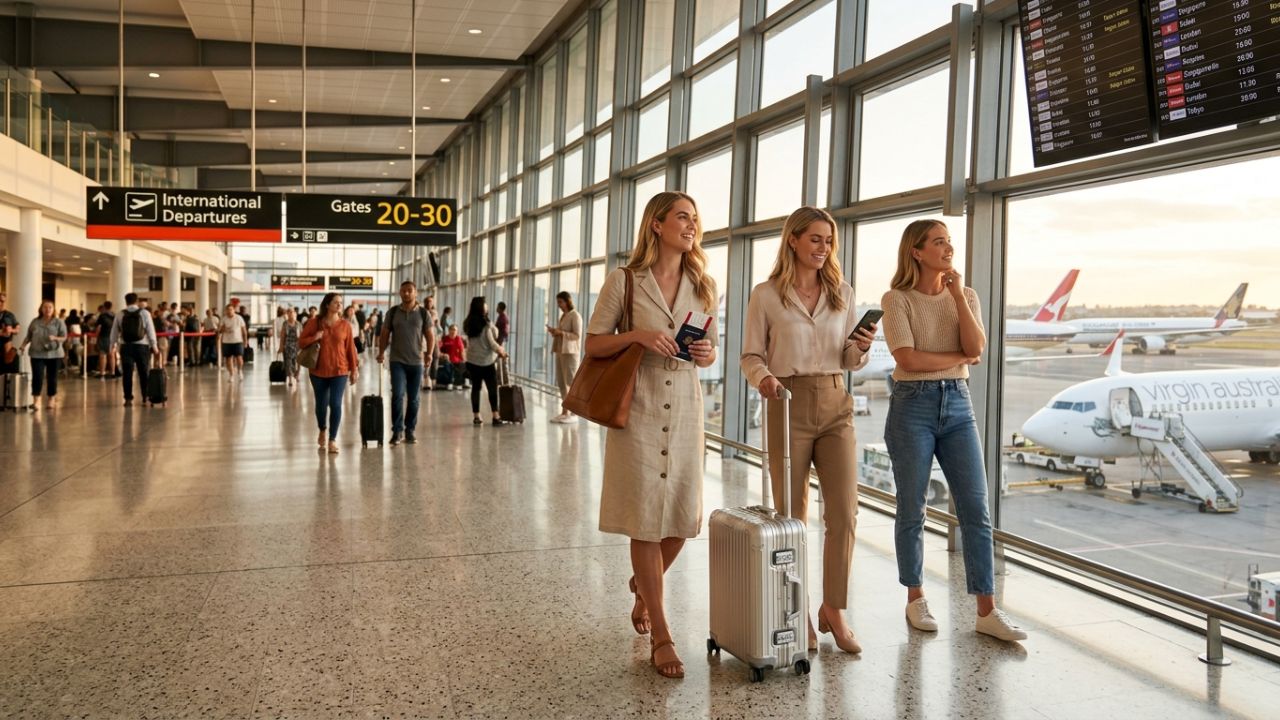
Image representing the intense 2026 Australia aviation shake-up, where massive carriers including Virgin Australia, Qantas, Jetstar, and Emirates are executing aggressive fleet expansions to manage Sydney's 45 million passenger surge and completely defeat systemic travel chaos despite massive Boeing 737 MAX 10 delays. (Image Credit: Australian Aviation Tracking Network)
Australia Aviation Shake-Up Defeats Travel Chaos as Virgin Australia, Qantas, and Emirates Brace for Sydney’s 45 Million Passenger Surge
A Massive Alliance of Global Carriers Executes Aggressive Capacity Expansions to Defend Against Systemic Hub Breakdowns Amidst Crippling Boeing Delays
The entire South Pacific aviation grid is currently undergoing an unprecedented, high-velocity structural transformation. According to the latest breaking airline news and highly analytical aviation updates, the highly anticipated "Australia Aviation Shake-Up 2026" has officially gone into absolute overdrive. Confronted by an incredibly massive tourism boom that threatens to completely overwhelm national infrastructure, a powerful coalition of dominant carriers—led explicitly by Virgin Australia’s aggressive Commercial Strategy and heavily supported by the Qantas Group, Jetstar, Emirates, Singapore Airlines, and Air New Zealand—is executing a massive capacity expansion. This highly calculated, multi-airline offensive is actively designed to prevent total travel chaos across the continent as passenger volumes surge toward absolute record highs, with Sydney alone brutally bracing to process a staggering 45 million passengers annually.
However, this massive operational expansion is being incredibly complicated by severe, systemic supply chain failures in the global aerospace manufacturing sector. The delayed certification of the highly anticipated Boeing 737 MAX 10 has forced airlines, particularly Virgin Australia, into a desperate scramble to adjust fleets and maximize the utilization of older aircraft. Because global tourist volumes from massive international markets are aggressively accelerating, any failure by these airlines to adequately expand their seating capacity would mathematically guarantee severe airport disruptions, rolling delays, and devastating flight cancellations across the entire Australian domestic and international grid. By aggressively optimizing their networks and pushing their existing fleets to the absolute limit, these carriers are fighting a high-stakes battle to successfully stabilize one of the fastest recovering travel destinations in the entire Asia-Pacific region.
Section-Wise Breakdown: The Architecture of the 2026 Aviation Shake-Up
The highly detailed operational and scheduling data definitively exposes the massive structural adjustments occurring across the Australian aviation sector:
The 45 Million Passenger Surge at Sydney Airport The absolute epicenter of this operational crisis and subsequent network expansion is Sydney. As Australia’s primary international gateway, Sydney does the vast bulk of the heavy lifting in processing massive international inbound flights. Current Australian transport industry forecasts explicitly project that Sydney will absorb nearly 45 million passengers annually over the 2026/2027 period. This incredible surge is being driven by a massive, simultaneous explosion in both strong inbound Asian tourism and highly accelerated demand for domestic travel. Because Sydney operates with strict curfews and tight operational windows, a failure to optimize airline networks moving in and out of the hub would immediately trigger catastrophic terminal gridlock. To avoid this, carriers like Qantas, Singapore Airlines, and Emirates are aggressively utilizing wide-body aircraft to maximize the sheer number of passengers they can extract from the congested hub during every single departure window.
The Boeing 737 MAX 10 Crisis and Fleet Adjustments The most critical bottleneck in this massive capacity expansion strategy is the ongoing global delay of the Boeing 737 MAX 10. Virgin Australia and several other carriers had heavily staked their domestic and regional growth models on this high-capacity, incredibly fuel-efficient narrow-body aircraft. However, with absolutely no final certification issued for the jet, the earliest expected delivery for Virgin Australia has been brutally pushed to late 2027, with an official entry into commercial service delayed until 2028. This massive delay violently restricts fleet planning. Airlines are actively forced to operate much older fleets far longer than expected and are desperately forced to grow capacity through the expensive, inefficient upgrades of existing airframes rather than the seamless addition of new aircraft.
Driving the Post-Pandemic Tourism Boom Despite the agonizing hardware delays, the Australia Aviation Shake-Up is successfully capturing massive inbound tourism revenue. The strong recovery of the Australian tourism sector is being aggressively fueled by a massive influx of visitors from New Zealand, India, China, the UK, and the United States. Driven by increased global disposable income and the massive expansion of direct international flight routes, airlines are pushing their networks into absolute overdrive. Singapore Airlines is utilizing a premium transit hub model to funnel high-value European traffic into Australia, while Air New Zealand completely dominates the incredibly lucrative Trans-Tasman network.
Flight Details: The Factual Airline Capacity Overview
To provide exact, factual clarity on how these incredibly dominant airlines are battling the passenger surge, aviation analysts have mapped their specific network strategies. The following factual matrix details the precise breakdown of the Australian capacity expansion:
Factual Key Airline Capacity Overview (Australia Focused)
| Airline | Capacity Strategy | Key Focus Routes | Impact on Australia Aviation Shake-Up 2026 |
|---|---|---|---|
| Virgin Australia | Fleet renewal with Boeing 737 MAX 10 | Domestic + Southeast Asia | Increased capacity with cost benefits |
| Qantas | Widebody + domestic expansion | US, UK, Asia | Premium international recovery |
| Jetstar | Low-cost expansion | Domestic + Asia leisure routes | Increased travel via low fares |
| Emirates | Long-haul via Dubai hub | Europe, Middle East | Strong inbound tourism via Dubai connections |
| Singapore Airlines | Premium transit hub model | Asia-Europe-Australia | High-value international tourism traffic |
| Air New Zealand | Trans-Tasman network focus | Australia–New Zealand | Growth in short-haul tourism demand |
Data reflects the confirmed operational strategies executed by major international and domestic carriers to manage the massive passenger surge across the Australian aviation market. (Source: Australian Transport Industry Data)
Passenger Impact: Navigating the Capacity Crunch
For the traveling public navigating Sydney, Melbourne, Brisbane, and highly utilized Regional Airports, this massive airline shake-up translates into highly volatile operational conditions. Because airlines are desperately forced to utilize older aircraft due to the Boeing MAX delays, passengers may experience sudden, highly frustrating aircraft substitutions on their specific routes. The incredible demand for seats is also triggering intense pricing fluctuations; while massive low-cost expansion by Jetstar drives fares down, the absolute scarcity of peak-season seating guarantees highly expensive last-minute tickets. To avoid becoming entangled in localized travel chaos, passengers are absolutely required to book well in advance during peak periods (summer, holidays, and major sporting events) and aggressively monitor their flight status for unannounced schedule updates as carriers constantly adjust their 2026/2027 routing matrices.
Industry Analysis: The Future of the Asia-Pacific Corridor
Aviation analysts closely monitoring the structural expansion of the Australian aviation grid emphasize that this multi-carrier offensive is completely redefining long-haul connectivity. Despite the frustrating uncertainty caused by the Boeing 737 MAX 10 certification delays, the massive deployment of wide-body aircraft by Qantas and Emirates ensures that the continent remains highly accessible to the massive global markets. When the MAX 10 finally enters service in 2028, it will provide the ultimate operational solution: massive capacity expansion paired with incredible fuel efficiency, ensuring absolute compatibility with existing narrow-body fleets. Until then, the brutal operational coordination between these carriers remains the absolute strongest defense against systemic failure in the South Pacific.
Conclusion: A Resilient, High-Volume Network
The incredible, highly coordinated Australia Aviation Shake-Up of 2026 proves definitively that massive international carriers possess the sheer operational agility required to defeat systemic travel chaos. Despite being severely handicapped by the devastating delays of the Boeing 737 MAX 10, Virgin Australia, Qantas Group, Jetstar, Emirates, Singapore Airlines, and Air New Zealand have successfully altered passenger capacity to absorb a staggering 45 million passengers at Sydney Airport alone. By relentlessly maximizing the utilization of their existing fleets and deeply integrating their international hubs, these carriers have successfully shielded the Australian tourism boom from the highly destructive airport disruptions that cripple less adaptable markets. (Source: Australian Transport Industry Data via Nomad Lawyer)
Key Takeaways
- Massive Passenger Surge: The Australian aviation market is experiencing a massive explosion in demand, with Sydney Airport projected to hit a staggering 45 million passengers annually.
- The Boeing 737 MAX 10 Crisis: Severe global certification delays mean Virgin Australia will not receive its highly anticipated 737 MAX 10 aircraft until late 2027, with service entry delayed to 2028.
- Massive Multi-Airline Expansion: A powerful coalition including Virgin Australia, Qantas, Jetstar, Emirates, Singapore Airlines, and Air New Zealand are aggressively expanding capacity to defeat localized travel chaos.
- Tourism Explosion: The incredible surge in capacity is actively feeding a massive tourism boom driven by inbound traffic from New Zealand, India, China, the UK, and the US.
- Fleet Flexibility Required: Because new aircraft are delayed, airlines are forced to operate older fleets longer and upgrade existing airframes to successfully handle the massive passenger volume.
✈️ Frequently Asked Questions (Factual Aviation Strategy Data)
What exactly is the "Australia Aviation Shake-Up 2026"? It indicates a massive, highly strategic expansion executed by Virgin Australia, Qantas Group, Jetstar, Emirates, Singapore Airlines, and Air New Zealand, driven by exploding demand and critical fleet renovations.
How many passengers is Sydney Airport expected to handle annually during this surge? Forecasts explicitly indicate that Sydney Airport will reach nearly 45 million passengers each year as domestic and international travel aggressively expands.
Why is the Boeing 737 MAX 10 aircraft so strategically important for Virgin Australia? The aircraft offers massive seating capacity, significantly greater fuel efficiency, and seamless compatibility with existing fleets, making it highly critical for domestic Australian and regional Southeast Asian routes.
When is Virgin Australia officially expected to receive its first Boeing 737 MAX 10? Due to severe global certification delays, the earliest expected delivery has been pushed to late 2027, with an official entry into commercial service planned for 2028.
How does the MAX 10 delay actively impact the airlines' current operational strategy? Airlines are desperately forced to operate older fleets longer than expected, aggressively rework their fleet expansion plans, and grow capacity through expensive upgrades to existing aircraft rather than adding new airframes.
Which specific international markets are driving the massive Australian tourism boom? The incredible demand is being driven by a massive influx of inbound tourism from New Zealand, India, China, the United Kingdom, and the United States.
What specific operational strategy is Emirates executing to support the Australian market? Emirates is actively utilizing a long-haul strategy via its massive Dubai hub to funnel incredibly strong inbound tourism from Europe and the Middle East directly into Australia.
What specific operational strategy is Qantas utilizing during this expansion? Qantas is executing an aggressive wide-body and domestic expansion strategy focused on the US, UK, and Asia to capture massive premium international recovery traffic.
🌍 Related Travel Guides & Flight Resources
- Navigate Airport Disruptions Like a Pro Master the art of surviving unexpected travel chaos with our expert strategies.
- Breaking Airline News & Evasion Routes Stay ahead of the delays with our real-time aviation updates and route intelligence.
- Global Flight Cancellation Defense Grid Essential legal rights and compensation tactics when your flight goes down.
Zealand has been officially sourced from Australian transport industry data as of June 15, 2026. NomadLawyer does not guarantee the absolute accuracy or current validity of the information provided and assumes no liability for sudden aircraft equipment swaps, unpredictable schedule changes, last-minute flight cancellations, or any financial consequences resulting from the use of this analytical content. Passengers are strongly advised to constantly verify their flight status directly through the airline's official mobile application.*
Disclaimer
This article is for informational and educational purposes only. It does not constitute legal, financial, or professional advice. While we strive to provide accurate and up-to-date information, travel policies, regulations, and conditions change rapidly. Always verify information with official sources before making travel decisions. Nomad Lawyer makes no representations about the accuracy, reliability, completeness, or suitability of the information provided. Readers should consult qualified professionals for advice specific to their circumstances. The views expressed in this article are those of the author and do not necessarily reflect the views of Nomad Lawyer.
Kunal K Choudhary
Co-Founder & Contributor
A passionate traveller and tech enthusiast. Kunal contributes to the vision and growth of Nomad Lawyer, bringing fresh perspectives and driving the community forward.
Learn more about our team →