
Atlas Ocean Voyages Upgrades Digital Platform for Cruise Expansion
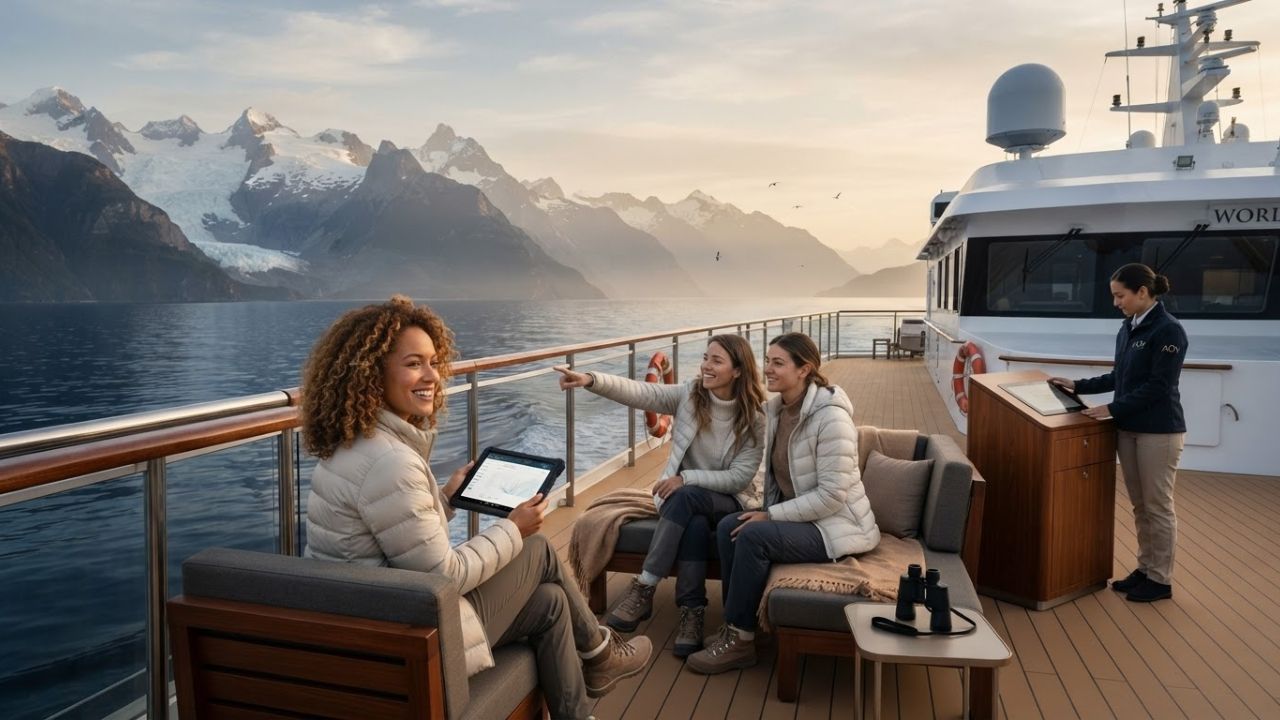
Image generated by AI
Atlas Ocean Voyages is expanding its digital infrastructure by adopting Versonix's Seaware digital platform, paving the way for the 2028 debut of the Atlas Adventurer. The software integrates reservations, inventory management, guest profiles, and voyage operations into a unified system, supporting the cruise line's growing fleet and the premium standards expected by modern luxury travelers.
By automating reservation processes and consolidating guest preferences, the cruise line aims to reduce operational complexity and deliver a more tailored travel experience. As demand for luxury expedition travel continues to rise worldwide, investing in scalable technology provides a flexible foundation for managing complex itineraries in remote polar and warm-weather environments.
The Local Trend: Smart Technology in Expedition Cruising
Expedition cruising has shifted from a niche adventure segment to a highly sophisticated travel sector. Modern travelers expect personalized itineraries, flexible bookings, and seamless digital service throughout their journey. The adoption of the Seaware platform represents this trend, helping the company transition from separate operational systems to an integrated, data-driven framework.
For luxury cruise lines operating small-capacity ships like the World Navigator, World Traveller, and World Voyager (each catering to fewer than 200 guests), efficiency is essential. Polar voyages require coordination across weather forecasting, regional permit acquisition, and wildlife viewing guidelines. A consolidated management system allows onboard expedition leaders and shore-based teams to share real-time updates and adjust routes dynamically, ensuring that guest services remain responsive even in the most remote areas.
In addition, this digital solution improves travel agent relationships by providing travel advisors with instant access to cabin availability, pricing, and shore excursions. By making the booking process easier for trade partners, the company can accelerate reservation volumes and support its expanding fleet operations.
Environmental Stewardship and Marine Conservation
Expedition operators must balance passenger experiences with environmental protection, particularly in sensitive regions like Antarctica and the Arctic. Atlas Ocean Voyages coordinates its polar itineraries with the International Association of Antarctica Tour Operators (IAATO) and the Association of Arctic Expedition Cruise Operators (AECO) to manage visitor flows and prevent environmental impact.
To minimize carbon emissions and protect marine habitats, the cruise line's vessels utilize hybrid propulsion systems and dynamic positioning technologies. Dynamic positioning allows captains to hold a vessel's coordinates using thrusters instead of dropping heavy metal anchors, preserving delicate seabed ecosystems and cold-water corals. By integrating these marine navigation systems with scheduling tools on the Seaware platform, operators can optimize speed and route efficiency, reducing fuel consumption across global itineraries.
Community Integration: Supporting Remote Micro-Economies
A key component of sustainable expedition travel is the economic integration of remote ports of call. When visiting coastal towns in South America, the Mediterranean, or northern communities in Norway, the cruise line partners with local cooperatives to source provisions, hire regional guides, and organize cultural exchanges.
For example, when departing from Ushuaia, Argentina—the primary gateway to Antarctica—the vessels load fresh produce from regional agricultural associations and stock local Argentine wines. This operational coordination ensures that a significant share of tourism spending remains within the host communities, supporting regional suppliers and local farmers.
In addition, this model supports community conservation projects. Many budget travelers choose to participate in volunteer beach cleanups and environmental education programs run by local non-profit organizations. By choosing eco-tours and buying local goods, travelers contribute to the preservation of these unique coastal ecosystems and support local small business owners.
Traditional Gastronomy: Regional Culinary Specialties
Explorations of remote expedition regions allow travelers to experience traditional dishes prepared using local ingredients:
- Patagonian Lamb (Ushuaia, Argentina): Slow-roasted whole lamb seasoned with garlic, rosemary, and sea salt, traditionally cooked over open wood fires in Tierra del Fuego. The slow-roasting process gives the meat a tender texture and smoky flavor. It is a traditional first course in southern Argentina, often served with regional vegetables.
- Traditional Gravlaks (Lofoten, Norway): Fresh salmon cured with a mix of salt, sugar, and fresh dill, served thinly sliced with a sweet mustard dill sauce on rye bread. It is a classic Nordic starter that highlights regional fishing traditions and is enjoyed during local festivals.
- Empanadas Fueguinas (Tierra del Fuego): Baked pastries filled with shredded crab meat, green onions, and local herbs, representing the coastal heritage of southern Argentina. The filling is simmered slowly to create a savory, aromatic pastry that is a popular snack.
- Stockfish Stew (Lofoten Islands): Dried cod (tørrfisk) rehydrated and simmered in a rich tomato, onion, and potato broth, highlighting a historic export of northern Norway. The dish represents a staple of coastal Norwegian home cooking.
- Centolla (Southern King Crab): Sweet, tender king crab meat harvested from the cold waters of the Beagle Channel, served chilled with fresh lemon juice and homemade mayonnaise, showcasing southern Patagonian marine traditions.
- Reindeer Stew (Tromso, Norway): A traditional Sami dish featuring tender reindeer meat simmered with mushrooms, juniper berries, sour cream, and fresh herbs, representing the cultural heritage of northern Scandinavia. The stew is traditionally served hot during the winter season, offering a rich and comforting meal.
- Arctic Char (Svalbard, Norway): Fresh Arctic char pan-seared with butter, lemon, and local herbs, presenting a delicate and savory seafood option sourced from the pristine waters of the high Arctic.
Visitor Insider Tips: Traveling Responsibly in Polar Regions
To ensure a safe, respectful, and environmentally conscious polar expedition, consider these practical guidelines:
- Follow IAATO Wildlife Viewing Rules: When landing in Antarctica, maintain a minimum distance of 5 meters (15 feet) from penguins and seals. If animals alter their behavior or show signs of alertness, slowly back away. Do not block wildlife pathways between the sea and nesting colonies.
- Execute Biosecurity Protocols: Before going ashore in polar environments, passengers must vacuum their clothing and sanitize boots in dedicated washing stations to prevent the accidental introduction of non-native plant seeds or pathogens.
- Check Expedition Itinerary Flexibility: Expedition cruise schedules are subject to change due to weather and sea ice. Embrace the "expedition spirit" and trust the decisions of your captain and expedition leader to prioritize safety and environmental protection.
- Verify Regional Baggage Limits: While the Seaware platform simplifies your ticket management, check the baggage weight limits for charter flights to embarkation hubs like Ushuaia or Punta Arenas, as they are often stricter than commercial flights.
- Refrain from Single-Use Plastics: Bring a reusable insulated water bottle. Atlas Ocean Voyages provides refill stations onboard to minimize plastic waste, helping preserve pristine marine environments from microplastic pollution.
Outlook: The Future of Expedition Cruising
The adoption of the Seaware platform and the upcoming 2028 debut of the Atlas Adventurer demonstrate how digital innovation supports luxury cruise expansion. By combining operational efficiency with environmental management, expedition cruise lines are positioning themselves for resilient, long-term growth.
Future developments will focus on the expansion of real-time digital booking systems for shore excursions, the integration of artificial intelligence for weather and sea ice forecasting, and the development of sustainable tourism programs that protect local ecosystems and cultural heritage. By balancing guest experiences with ecological protection, the expedition travel sector aims to ensure that remote polar and coastal environments remain healthy and open for future exploration.
Related Travel Guides
Disclaimer
This article is for informational and educational purposes only. It does not constitute legal, financial, or professional advice. While we strive to provide accurate and up-to-date information, travel policies, regulations, and conditions change rapidly. Always verify information with official sources before making travel decisions. Nomad Lawyer makes no representations about the accuracy, reliability, completeness, or suitability of the information provided. Readers should consult qualified professionals for advice specific to their circumstances. The views expressed in this article are those of the author and do not necessarily reflect the views of Nomad Lawyer.