
Asia Wedding and Honeymoon Tourism Realigns: Bali and Japan Surge as Thailand Confronts Yield Deficits

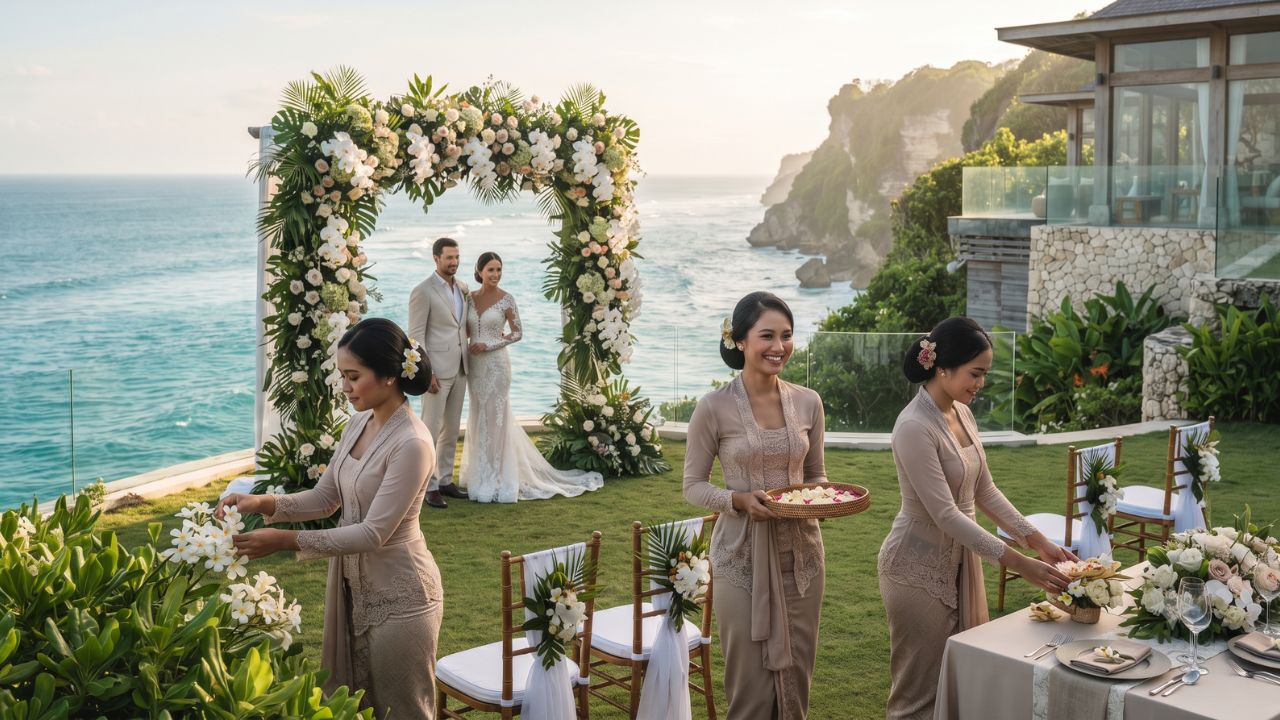
A 15.8% annual expansion propelled Japan to a historic 42,683,600 international visitors in 2025, while Bali eclipsed its pre-crisis highs with 6,948,754 foreign arrivals, exposing a profound divergence across Asia's luxury wedding and romance travel sector. Concurrently, Thailand suffered a 7.23% drop in international inbound traffic down to 32,974,321 visitors, demonstrating that regional tourism recovery is no longer moving in unison. For couples and multi-generational wedding parties coordinating ceremonies across the continent, these macro-level arrival shifts govern venue access, hotel room-block leverage, and aviation pricing across premier wedding markets.
Behind the headline visitor statistics lies an uneven realignment of airline route allocations, luxury inventory absorption, and statutory marriage requirements. While the romantic imagery of cliffside Uluwatu chapels, Maldivian overwater bungalows, and Kyoto garden sanctuaries continues to dominate social media campaigns, hospitality operators are navigating vastly different occupancy realities. The destination wedding market—a segment characterized by elevated per-guest expenditures, extended planning horizons, and non-negotiable operational standards—now demands meticulous financial and logistical scrutiny from prospective couples.
Regional Tourism Inbound Divergence Across Primary Wedding Hubs
The five-year comparative cycle between 2021 and 2025 illustrates how individual destinations engineered disparate structural recoveries. In 2021, severe border closures reduced Bali to a nominal 51 direct international entries, whereas the Maldives maintained an open-corridor framework that welcomed 1,321,937 travelers. Over the subsequent four years, regional aviation networks restored capacity at differing cadences, producing vastly uneven commercial conditions for hospitality suppliers.
According to data compiled from the Japan National Tourism Organization (JNTO), foreign arrivals in Japan escalated from 245,862 in 2021 to 25,066,350 in 2023, before surging past 36,870,148 in 2024 and establishing an all-time peak of 42,683,600 in 2025. This visitor density has placed extreme pressure on traditional garden venues in Kyoto and premium hotel ballrooms in Tokyo. Conversely, the Tourism Authority of Thailand documented a deceleration from 35,545,714 arrivals in 2024 to 32,974,321 in 2025, following earlier recoveries from 427,869 in 2021, 11,153,026 in 2022, and 28,150,016 in 2023.
In the Indian Ocean, the Maldives Ministry of Tourism registered consistent headline growth, progressing from 1,675,303 entries in 2022 and 1,878,543 in 2023 up to 2,046,615 in 2024 and 2,246,516 in 2025—a 69.9% gain over 2021 totals. However, underlying operational metrics tell a more complicated story: the average length of stay across Maldivian resorts dropped from 8.8 days in 2021 to 7.0 days in 2025. In Indonesia, Statistics of Bali Province reported direct foreign entries growing from 2,155,747 in 2022 to 5,273,258 in 2023, 6,333,360 in 2024, and 6,948,754 in 2025, reflecting a 9.7% annual rise that has saturated key coastal transit corridors.
Five-Year International Arrival Trajectories Across Major Wedding Markets
The following empirical data highlights official government arrival metrics from 2021 through 2025 across Asia's leading romance and wedding corridors:
| Destination Market | 2021 Foreign Arrivals | 2022 Foreign Arrivals | 2023 Foreign Arrivals | 2024 Foreign Arrivals | 2025 Foreign Arrivals | 2024–2025 Percentage Shift | Five-Year Growth Multiple |
|---|---|---|---|---|---|---|---|
| Japan | 245,862 | 3,832,110 | 25,066,350 | 36,870,148 | 42,683,600 | +15.8% | 173.6x |
| Bali, Indonesia | 51 | 2,155,747 | 5,273,258 | 6,333,360 | 6,948,754 | +9.7% | 136,250x |
| Maldives | 1,321,937 | 1,675,303 | 1,878,543 | 2,046,615 | 2,246,516 | +9.8% | 1.70x (+69.9%) |
| Thailand | 427,869 | 11,153,026 | 28,150,016 | 35,545,714 | 32,974,321 | -7.23% | 77.1x |
| India | Not Listed | 6,440,000 | 9,520,000 | Available via Dashboard | 9,150,000 | -3.89% (vs 2023) | Baseline Dependent |
Sources: Compiled from Japan National Tourism Organization (JNTO), Maldives Monetary Authority, Statistics of Bali Province, Thailand Ministry of Tourism and Sports, and India Ministry of Tourism official records.
Venue Topography, Cultural Assets, and Wedding Logistics
Each Asian destination presents distinct geographic and administrative conditions for multi-day wedding parties:
- Bali, Indonesia: The island segments into distinct geographic zones. Uluwatu commands coastal cliffs ideal for sunset ceremonies; Ubud provides highland rainforest river settings and terraced rice paddies; Nusa Dua and Sanur house expansive beachfront resorts capable of hosting 200-plus attendees. Regional cuisine features nasi campur, satay lilit, and lawar.
- Maldives: Built upon isolated atoll geography, this market relies on private-island resort buyouts, overwater pavilions, and isolated sandbanks. Culinary traditions incorporate mas huni and garudhiya alongside five-star international catering. Marine transfers require coordinated speedboats or seaplane charters from Velana International Airport.
- Thailand: Offering versatile resort geography, Phuket delivers integrated coastal event spaces, Krabi showcases limestone karst formations and Railay Beach backdrops, while Bangkok provides high-capacity luxury hotel ballrooms. Catering draws from pad Thai, tom yum, and regional green curries.
- Japan: Centered on historic temples, shrines, and traditional gardens in Kyoto, urban hotel suites in Tokyo, and subtropical beaches in Okinawa. Banquets emphasize kaiseki, sushi, soba, and tempura, requiring rigid scheduling around spring cherry blossom and autumn foliage peaks.
- India: Celebrated for grand-scale heritage properties, including royal palaces and forts in Udaipur and Jaipur, beachfront compounds in Goa, and tranquil backwater estates in Kerala. Regional menus range from Rajasthani dal baati churma to Goan seafood curries and Kerala sadhya feasts.
- Sri Lanka: Combining Dutch colonial fortifications in Galle Fort with coastal properties in Bentota and central tea estates in Kandy. Culinary offerings feature regional rice and curry, hoppers, string hoppers, and kottu roti.
Expert Analysis: Destination Wedding Yields, Length-of-Stay Compression, and Legal Nuances
The divergence in national arrival volumes creates stark contrasts in how resort revenue managers price wedding contracts. In markets experiencing record inbound pressure such as Japan, hoteliers face negligible incentive to discount room blocks or waive venue exclusivity fees. For travelers booking this route, the direct consequence is severe compression in negotiating leverage, mandatory food-and-beverage minimums, and strict contractual attrition penalties that penalize wedding hosts if guest attendance drops below initial projections.
Conversely, Thailand's 7.23% annual volume correction has prompted resort clusters in Phuket and Koh Samui to aggressively court multi-day celebratory groups. Because wedding parties generate substantial ancillary revenue through banquet buyouts, spa bookings, and airport ground handling, Thai properties are unbundling packages and offering value-added concessions. The pricing pressure this creates means destination planners can secure extended venue access windows, complimentary villa upgrades, and flexible deposit refund schedules that remain impossible in high-demand markets like Tokyo or Bali.
In the Maldives, the contraction of average visitor stays from 8.8 days to 7.0 days reflects changing consumer booking habits and escalating per-diem room rates. Resort operators face higher guest turnover costs and unpredictable occupancy gaps between weekly charter arrivals. To stabilize room nights, properties frequently attach mandatory minimum-night requirements—often requiring a four-to-six-night stay for entire wedding party room blocks. When coupled with compulsory inter-island transfer fees for seaplanes and speedboats, total guest travel costs escalate rapidly.
From an administrative perspective, international couples must distinguish between ceremonial celebrations and legally binding civil marriages. Under Maldivian law, resort ceremonies conducted for foreign tourists are strictly symbolic; foreign nationals cannot register a legally valid civil union on resort islands. Couples celebrating in the Maldives must complete legal civil marriage paperwork in their home jurisdiction or an administrative transit hub prior to departure. Similar statutory verifications apply across Indonesia, Thailand, Sri Lanka, and India, where local civil registration procedures demand specific sworn affidavits of eligibility, religious documentation, and consular authentications before local authorities recognize the union.
Key Takeaways
- Arrival Records Versus Corrections: Japan established an unprecedented high of 42.68 million foreign arrivals in 2025 (+15.8%), and Bali grew to 6.95 million (+9.7%), whereas Thailand contracted 7.23% to 32.97 million.
- Shortening Stay Lengths in Luxury Atolls: Maldivian annual arrivals rose to 2.25 million, but average guest length of stay contracted from 8.8 days to 7.0 days over the five-year tracking cycle.
- Negotiating Leverage Realignment: Softening arrivals across Thailand present significant cost-saving opportunities for wedding groups, contrasting sharply with firm rate resistance in Japan and South Bali.
- Symbolic Versus Civil Marriage Status: Ceremonies held in the Maldives are strictly symbolic under domestic law; foreign couples must execute legal registrations within their home legal systems.
- Logistical Transport Dependencies: Island destinations enforce substantial ancillary expenses, from seaplane transfers in the Maldives to complex multi-hour road corridors in southern Bali.
FAQ: Asian Wedding and Honeymoon Travel 2026
Can foreign couples legally marry at a resort in the Maldives?
No. Wedding ceremonies conducted for international tourists at Maldivian resorts are purely symbolic and carry no legal validity under Maldivian law. Couples must register their civil marriage in their home country or another legal jurisdiction.
How does Bali's visitor volume affect wedding planning timelines?
With Bali welcoming 6.95 million direct foreign visitors in 2025, popular cliffside venues in Uluwatu and private villas in Ubud require reservations 12 to 18 months in advance to secure preferred dates and guest room blocks.
Why are wedding groups finding better package terms in Thailand?
Thailand recorded a 7.23% decline in international visitor arrivals during 2025. This volume dip prompted luxury resort operators in Phuket and Krabi to offer competitive rates, flexible deposit policies, and expanded package inclusions to secure bookings.
What causes unexpected budget escalation for destination weddings in Asia?
Hidden expenses often stem from compulsory island transfers via speedboat or seaplane, local government tourism levies, mandatory venue exclusivity fees, currency exchange fluctuations, and non-refundable room-block attrition penalties.
[Strategic wedding travelers look beyond glossy resort photography to evaluate inbound visitor volumes, legal registration rules, and transit overhead before committing capital to overseas venues.]
Related Travel Guides
- Yemen Level 4 Warning Escalates: US State Department Mandates Hostage and DNA Leave-Behind Protocols
- Middle East Travel Advisory Escalates: US Issues Level 3 Warning for Saudi Arabia Amid Drone and Missile Risks
- China Targets North American Corporate Travel: Six Premier MICE Destinations Unveiled at IMEX America 2026
Disclaimer
This article is for informational and educational purposes only. It does not constitute legal, financial, or professional advice. While we strive to provide accurate and up-to-date information, travel policies, regulations, and conditions change rapidly. Always verify information with official sources before making travel decisions. Nomad Lawyer makes no representations about the accuracy, reliability, completeness, or suitability of the information provided. Readers should consult qualified professionals for advice specific to their circumstances. The views expressed in this article are those of the author and do not necessarily reflect the views of Nomad Lawyer.
Raushan Kumar
Founder & Lead Developer
Full-stack developer with 11+ years of experience and a passionate traveller. Raushan built Nomad Lawyer from the ground up with a vision to create the best travel and law experience on the web.
Learn more about our team →