
Asia Tourism Boom Reshapes Global Travel with Focus on Culinary Tourism, Local Spirits, and Authentic Culture, Urging Visitors to Respect Regional Customs: Everything You Need to Know
Asia's tourism industry enters a new phase of growth as culinary tourism, traditional spirits, and authentic cultural experiences reshape global travel trends.

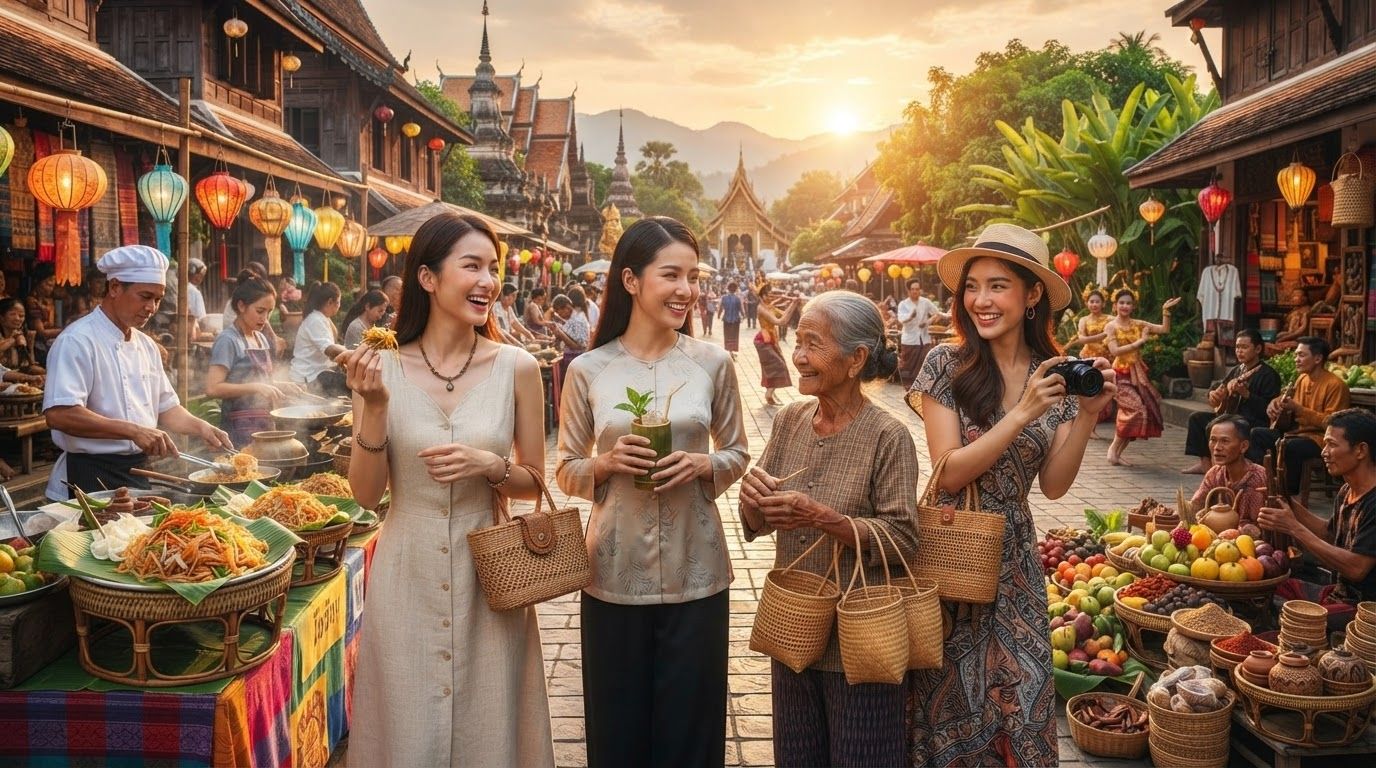
Image generated by AI
Published on July 16, 2026
The Asia tourism boom is undergoing a profound structural evolution as international travelers increasingly prioritize immersive cultural encounters, regional culinary journeys, and heritage beverage experiences over standard sightseeing itineraries. This shift is prompting destinations throughout the continent to showcase local customs and traditions, urging global tourists to align their travel habits with regional rules and local practices to ensure sustainable, safe, and deeply enriching adventures.
Quick Summary
- Shifting Traveler Preferences: Modern tourists are moving away from passive sightseeing in favor of immersive heritage, food, and beverage experiences.
- Economic Boost to Communities: The Asia tourism boom is actively benefiting small businesses, farmers, and artisans, promoting both economic development and cultural conservation.
- Rise of Heritage Spirits: Guided tours, educational tastings, and centuries-old distilling traditions are emerging as key attractions for international visitors.
- Government Infrastructure Investment: Authorities across Asia are expanding airports and transit networks while encouraging responsible travel and eco-preservation.
- Regulatory Compliance: Travelers are advised to check alcohol consumption laws and cultural norms before departing to guarantee a safe trip.
Context and Background: The Drivers Behind the Asia Tourism Boom
The international travel market is experiencing a significant shift in traveler preferences, with more people moving away from crowded urban centers and generic vacation plans. According to data compiled by the World Tourism Organization (UN Tourism), modern travelers are increasingly seeking authentic connections with the history, art, and communities of the destinations they visit.
Across Asia, this changing mindset is driving a new phase of hospitality growth. Hotels, restaurants, and tour operators are responding by curating specialized itineraries that emphasize cultural discovery. Rather than promoting only luxury products, these businesses are highlighting the unique, historical identities of their home countries.
Event and Incident Details: How the Asia Tourism Boom is Transforming Regional Travel
A key example of this trend is the rapid rise of food and beverage festivals. In coastal Miri, Sarawak, a major culinary festival showcased chefs plating tapas-style dishes against a backdrop of mountains and sea, illustrating the strong growth of Malaysia culinary tourism.
This transformation is also supported by the Pacific Asia Travel Association (PATA), which notes that traditional beverages are becoming central to cultural storytelling. Tourism operators are introducing international visitors to centuries-old distilling techniques and locally sourced ingredients. Guided tastings, heritage tours, and educational walks are now key components of the travel experience, helping visitors understand customs, agricultural heritage, and family traditions that have been preserved for generations.
| Cultural Travel Component | Primary Focus | Beneficiaries |
|---|---|---|
| Traditional Spirits | Centuries-old distilling techniques, heritage tastings, local ingredients | Local distilleries, farming families, heritage guides |
| Culinary Journeys | Street food markets, regional recipes, cooking workshops | Local markets, small family restaurants, food tour operators |
| Community Engagement | Art, local festivals, artisan partnerships | Craftspeople, transportation providers, rural guides |
Risk and Impact: Navigating Local Regulations and Cultural Protection
While the expansion of tourism brings substantial benefits, it also presents challenges that travelers and operators must navigate carefully:
- Regulatory Compliance: Different regions have strict and varying regulations regarding alcohol consumption that travelers must research and follow.
- Cultural Preservation: The influx of international visitors can put pressure on delicate community traditions if not managed respectfully.
- Environmental Impact: Increased foot traffic at natural attractions requires careful visitor management to prevent ecological damage.
- Safety Concerns: Relying on uncertified guides or unregulated businesses can lead to poor experiences or safety hazards.
What Authorities Are Saying: Policy Adaptations and Respect for Traditions
Tourism boards and regional governments are actively encouraging visitors to respect local customs and protect natural landmarks. Officials emphasize that sustainable travel is a shared responsibility between destinations and the visitors they host.
Government bodies are investing heavily in improving infrastructure, upgrading airports, enhancing transit networks, and expanding public facilities to make travel easier. At the same time, authorities urge tourists to choose licensed tour operators and support locally owned businesses to ensure that the economic benefits of the Asia tourism boom are shared fairly.
Practical Traveler Advice: Tips for an Authentic and Responsible Journey
For travelers looking to plan an immersive cultural trip across Asia, hospitality experts recommend the following steps:
- Conduct Pre-Arrival Research: Learn about the specific traditions, history, and social etiquette of your destination before you depart.
- Understand Local Alcohol Laws: Check the rules and cultural expectations regarding alcohol consumption in each city or region you visit.
- Hire Licensed Tour Operators: Use reputable, certified businesses to ensure safe, high-quality, and authentic travel experiences.
- Support the Local Economy: Choose locally owned guesthouses, dine at neighborhood markets, and purchase directly from local artisans.
- Respect Natural Sites: Follow environmental guidelines to protect coastal areas, mountains, and heritage landmarks.
Broader Context: The Socio-Economic Integration of Travel Across Asia
The economic impact of the Asia tourism boom extends far beyond airlines and international hotel chains. When tourists engage in culinary and beverage tourism, they directly support:
- Local Agriculture: Farmers and growers supply fresh ingredients for regional dishes and traditional spirits.
- Small Family Businesses: Independent restaurants and neighborhood markets gain direct access to tourist spending.
- Transportation Providers: Regional drivers and boat operators see increased demand for transit to off-the-beaten-path locations.
This integrated approach helps create jobs in rural and coastal areas, demonstrating that tourism can support both economic development and cultural conservation simultaneously.
What to Expect Next / Looking Ahead: The Future of Asian Destinations
As the global travel market becomes increasingly competitive, destinations across Asia will continue to focus on their unique cultural assets. Travelers can expect to see more partnerships between luxury resorts and local artisans, as well as an increase in curated food and heritage beverage tours.
Governments will likely continue upgrading infrastructure to accommodate growing visitor numbers while implementing stronger measures to protect environmental and cultural resources. By prioritizing authentic, high-quality experiences over high-volume mass tourism, the region is positioning itself for resilient, long-term growth.
Conclusion: A New Era of Personal and Immersive Discovery
The evolving travel landscape in Asia offers global tourists unparalleled opportunities for genuine cultural discovery. By embracing local traditions, respecting community guidelines, and choosing responsible businesses, visitors can enjoy richer, more memorable journeys. Ultimately, this new era of travel benefits both the curious traveler and the local communities that keep these traditions alive.
FAQ: The Asia Tourism Boom and Cultural Travel
What is driving the new tourism trends in Asia?
Modern travelers are moving away from standard sightseeing to seek authentic cultural experiences, including traditional cooking methods, regional food festivals, and heritage spirit tastings.
How does culinary tourism benefit local communities in Asia?
Culinary tourism directs spending to farmers, street food vendors, local transport providers, and small family-owned restaurants, boosting regional employment and supporting cultural conservation.
Why is it important to check alcohol regulations when traveling in Asia?
Alcohol regulations vary widely across Asian countries and states. Checking local laws and respecting regional customs ensures travelers avoid legal issues and respect local standards.
What should I look for when booking a cultural tour in Asia?
Always select licensed tour operators and responsible local businesses to guarantee a safe, informative, and ethical travel experience that supports the local community.
Related Travel Guides
- Tivoli Hotels Unveils Palazzo 1880 Lecce to Redefine Luxury Travel in Italy, Opening a Five-Star Baroque Cultural Retreat in Puglia: New Travel Alert
- European Commission Introduces Guidelines for Sustainable Tourism in Europe, Unlocking Hidden Wildlife Sanctuaries for Global Travelers: New Travel Alert
- Asian Aviation Hubs Prepare for Flight Disruptions as High-Speed Rail Networks Expand, Prompting Shift in Regional Travel: Latest Update
Disclaimer
This article is for informational and educational purposes only. It does not constitute legal, financial, or professional advice. While we strive to provide accurate and up-to-date information, travel policies, regulations, and conditions change rapidly. Always verify information with official sources before making travel decisions. Nomad Lawyer makes no representations about the accuracy, reliability, completeness, or suitability of the information provided. Readers should consult qualified professionals for advice specific to their circumstances. The views expressed in this article are those of the author and do not necessarily reflect the views of Nomad Lawyer.
Kunal K Choudhary
Co-Founder & Contributor
A passionate traveller and tech enthusiast. Kunal contributes to the vision and growth of Nomad Lawyer, bringing fresh perspectives and driving the community forward.
Learn more about our team →