
Architecture Tourism Boom 2026: Most Unusual Buildings from USA to Chile Driving Regional Travel
Unusual architectural landmarks across the Americas are triggering a surge in specialized tourism, with unique structures in the US, Mexico, and South America becoming primary travel drivers.

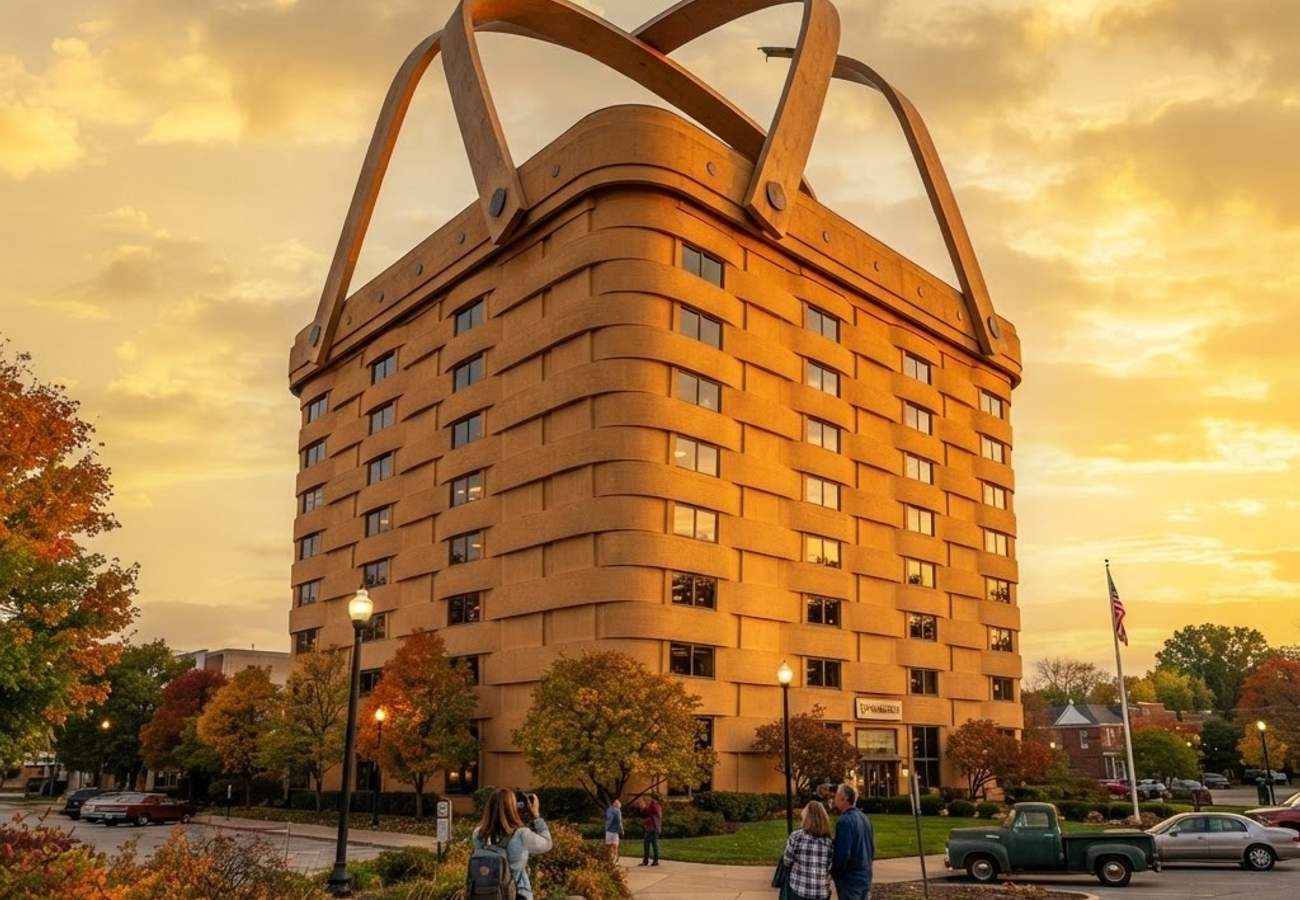
Image generated by AI
Architectural anomalies across the Americas are evolving from mere curiosities into high-value tourism assets. In 2026, "weird architecture" is driving a significant surge in regional travel, transforming ordinary urban corridors into primary destinations.
The shift toward architecture-centric travel reflects a broader trend where travelers prioritize "photogenic" and narrative-driven destinations. From the "duck architecture" of the United States to the surrealist structures of South America, these buildings serve as physical manifestations of local culture, identity, and corporate history.
2026 Regional Tourism and Architecture Economic Indicators
The scale of this trend is supported by significant economic data across the North American corridor. The following figures highlight the capacity for architectural landmarks to capture international visitor spending.
| Market / Industry | 2026 Indicator | Impact on Architecture Tourism |
|---|---|---|
| United States Tourism | 70.5 million projected intl. visitors | Massive visitor pool for unusual landmarks |
| US Architecture Profession | 116,000 licensed architects | Large-scale creative ecosystem |
| US Architecture Firms | 205,000 employees | Substantial economic sector for design |
| US Construction Value | US$693 billion | High economic value surrounding design |
| Canada Tourism Spending (Q1) | C$28.4 billion | Strong expenditure supporting cultural sites |
| Canada Tourism Employment (Q1) | 695,900 jobs | Broad economic impact of tourism sector |
| Canada Tourism GDP Share (Q1) | 1.80% | Measurable national economic contribution |
| Mexico Intl. Tourists (Jan–May) | 20.4 million | One of the region's largest visitor markets |
| Mexico Intl. Tourism Growth | +5.3% year-on-year | Continued momentum for cultural attractions |
| Mexico Foreign-Exchange Income | US$15.9 billion | Financial importance of international visitors |
Landmark Case Studies: Architecture as a Destination
Across the Americas, specific structures have transitioned from functional buildings to global icons. These examples demonstrate how bold design creates an immediate "visual hook" for travelers.
The Longaberger Basket Building (Newark, Ohio, USA)
Completed in 1997, this seven-storey headquarters for the Longaberger Company is a primary example of "duck architecture"—where the building's form mimics its function. The wicker-style exterior includes handles equipped with heating systems to prevent ice accumulation during Ohio winters. Despite changes in company ownership, the structure remains a critical roadside attraction.
WonderWorks (Orlando, Florida, USA)
Integrating narrative into design, WonderWorks features an upside-down structure meant to simulate a laboratory transported by a tornado from the Bermuda Triangle. In the competitive Orlando market, the architecture functions as the primary advertisement, capturing visitors before they even enter the facility.
Haines Shoe House (Hallam, Pennsylvania, USA)
Built in 1948 by Mahlon Haines, this 25-foot, five-floor residence shaped like a shoe was originally a commercial advertisement. The interior is mapped to the shoe's anatomy, with the living room in the toe and the kitchen in the heel. It exemplifies how early 20th-century commercialism has evolved into cultural heritage tourism.
Community Bookshelf (Kansas City, Missouri, USA)
The Kansas City Public Library utilizes its exterior wall to mimic a giant row of books. By transforming a functional façade into a playful urban statement, the library has become a top-rated unusual building, proving that civic infrastructure can drive tourism when paired with creative design.
Traveler Logistics Guide: Navigating Architectural Tours
From a ground-level perspective, the best way to navigate these disparate landmarks is through a "hub-and-spoke" itinerary. Many of these sites, such as the Longaberger Basket or the Haines Shoe House, are located outside major city centers, requiring specific logistics.
Optimal Connection Strategies:
- Rental Logistics: For US East Coast and Midwest architecture tours, a rental vehicle is mandatory. Sites like the Haines Shoe House are not serviced by high-frequency public transit.
- Digital Transit Tools: Use regional apps for real-time traffic updates, as many "weird" buildings are located on secondary roads where construction can cause significant delays.
- Timing: To avoid crowds at high-visibility sites like WonderWorks, schedule visits for Tuesday through Thursday. Weekend peaks in Orlando can extend wait times significantly.
- Customs & Documentation: For those expanding tours into Mexico and Chile, ensure your digital travel authorizations (such as updated visa requirements for 2026) are processed at least 14 days prior to departure to avoid border delays.
Infrastructure and Regional Impact
The rise of architecture tourism is not merely a trend for photographers; it is a strategic economic driver. By leveraging unusual landmarks, smaller municipalities—such as Newark, Ohio, or Hallam, Pennsylvania—can capture a portion of the international tourist spend that typically bypasses them in favor of major metropolitan hubs.
This "decentralization" of tourism helps distribute economic benefits across a wider geographic area, supporting local hospitality and service sectors. As destinations in the Americas continue to invest in bold, identity-driven design, architecture will increasingly function as a primary engine for regional economic growth.
Bold design is no longer a luxury; it is a strategic asset for global destination competitiveness.
Related Travel Guides
Disclaimer
This article is for informational and educational purposes only. It does not constitute legal, financial, or professional advice. While we strive to provide accurate and up-to-date information, travel policies, regulations, and conditions change rapidly. Always verify information with official sources before making travel decisions. Nomad Lawyer makes no representations about the accuracy, reliability, completeness, or suitability of the information provided. Readers should consult qualified professionals for advice specific to their circumstances. The views expressed in this article are those of the author and do not necessarily reflect the views of Nomad Lawyer.
Raushan Kumar
Founder & Lead Developer
Full-stack developer with 11+ years of experience and a passionate traveller. Raushan built Nomad Lawyer from the ground up with a vision to create the best travel and law experience on the web.
Learn more about our team →