
China Tourism to Brazil Surges 73% in 2026 as São Paulo and Rio Lead Global Growth
Chinese visitor arrivals to Brazil have skyrocketed by 73.3% in 2026, signaling a massive shift in South America's tourism dynamics as long-haul Asian travel outpaces traditional regional growth.

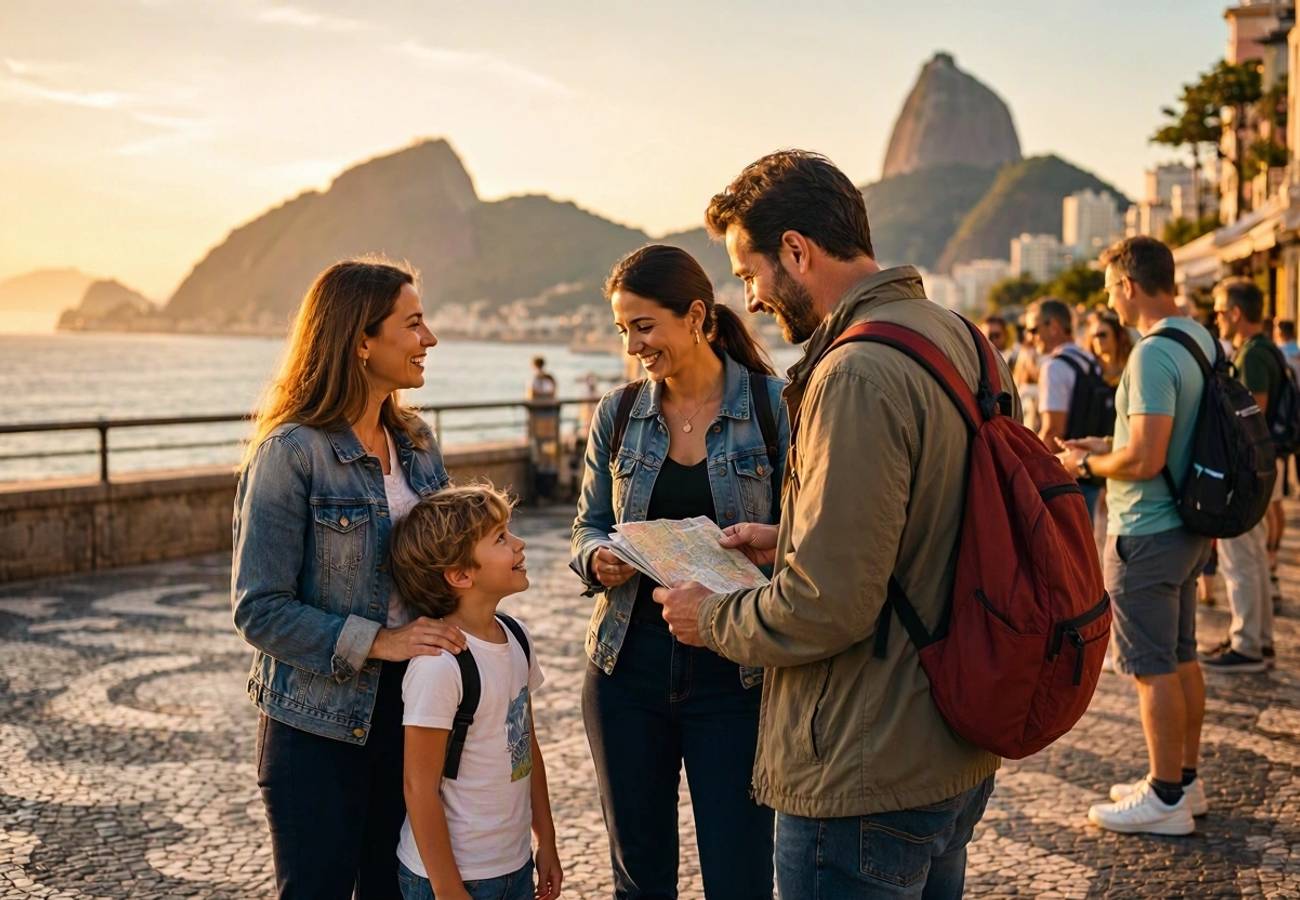
Image generated by AI
Between January and August 2026, Chinese visitor arrivals to Brazil grew by a staggering 73.3%, meaning the number of Chinese tourists in just eight months has already surpassed the total for the entire previous year. This isn't just a statistical bump; it is a fundamental restructuring of how the world accesses South America's largest economy. While the sheer volume of visitors is still dominated by neighbors like Argentina, the velocity of growth from Asia is rewriting the playbook for Brazilian hospitality and aviation.
The Asian Pivot in South American Travel
The current surge is the result of a calculated effort to diversify Brazil's visitor base. For decades, the country relied on the "Southern Cone" circuit—Argentina, Chile, and Uruguay. However, 2026 has seen the emergence of a high-velocity long-haul engine. Between January and August 2026, Brazil welcomed 113,228 Chinese visitors, a massive leap from the 65,319 recorded during the same window in 2025.
This growth is fueled by the "2026 Brazil–China Year of Culture," a series of high-profile promotional campaigns and art showcases in Beijing that have moved Brazil from a distant curiosity to a primary destination for Chinese tour operators. Additionally, optimized interline agreements through European and North American hubs have reduced the friction of one of the world's longest flight paths.
What Makes Brazil's Current Growth Unique
Unlike the steady, incremental growth seen in the U.S. or European markets, the Chinese segment is characterized by multi-destination itineraries and higher per-visitor spending. While regional travelers often stick to the coast or border towns, long-haul visitors are pushing deeper into the interior, blending corporate interests with leisure.
The infrastructure is currently centering around two massive gravitational poles: São Paulo and Rio de Janeiro. Together, these two hubs handle 55.1% of all international arrivals. São Paulo acts as the logistical brain, with Guarulhos International Airport (GRU) processing the bulk of the long-haul traffic from Asia and Europe. Rio de Janeiro remains the emotional heart, drawing the crowds to the beaches of Ipanema and the heights of Christ the Redeemer.
International Arrival Metrics (Jan–Aug 2026)
The following data illustrates the contrast between the high-volume regional markets and the high-growth international segments.
| Source Market | Visitor Arrivals | Market Share | Primary Travel Characteristic |
|---|---|---|---|
| Argentina | 2,244,297 | 34.8% | Regional volume leader; road & air |
| Chile | 547,601 | 8.5% | Urban & coastal demand |
| United States | 514,128 | 8.0% | Business, VFR, and Amazon ecotourism |
| Portugal | 199,700 | Air Only | Shared language & heritage gateway |
| France | 162,700 | Air Only | High-spend cultural & eco-tourism |
| China | 113,228 | +73.3% Growth | Emerging long-haul growth engine |
Visitor Insider Tips
If you are planning a trip to Brazil during this growth phase, avoid the "tourist bubbles" of the two major cities to find the real rhythm of the country.
- The Gateway Strategy: Use São Paulo as your landing pad for business or shopping, but head to Rio for the iconic vistas. If you want to avoid the crowds of Copacabana, look into the quieter beaches of the West Zone (Zona Oeste).
- Regional Gems: Don't overlook the South. Paraná is the gateway to the Iguaçu Falls, one of the world's most breathtaking natural wonders. It is far less chaotic than the city centers of the Southeast.
- Transport Hacks: Within São Paulo, avoid peak hour traffic (7 AM - 10 AM and 5 PM - 8 PM) at all costs. Use ride-sharing apps rather than hailing cabs on the street for better pricing transparency.
- Etiquette: Brazilians are warm and tactile. A firm handshake is standard, but in social settings, a light touch on the arm or a hug is common. When dining, remember that lunch is the main meal of the day, often featuring a "Prato Feito" (fixed plate).
Cultural and Environmental Context
The influx of over 3.5 million visitors into just two states creates a complex tension between economic gain and urban sustainability. While the US$7.4 billion in international revenue (Jan–Aug 2026) provides a massive boost to the treasury, the pressure on Rio's infrastructure is palpable.
The shift toward ecotourism—particularly in the Amazon and the southern highlands—is a double-edged sword. While it encourages the preservation of biodiversity over industrial farming, the increase in long-haul flights contributes to a higher carbon footprint per visitor. Local communities in Paraná and Rio Grande do Sul are increasingly integrating sustainable practices to ensure that the 14.8% market share held by the south doesn't lead to the degradation of their natural landscapes.
FAQ: Visiting Brazil 2026
What is the best time to visit Brazil? December to March is peak summer, ideal for beaches and Carnival, but expect high prices and crowds. May to September offers milder weather and is better for exploring the Amazon or the southern cities.
Do I need a visa for Brazil? Visa requirements vary by nationality. Citizens of the US, Canada, and Australia have faced changing requirements recently. Always check the official Visit Brazil portal or your local consulate for the latest 2026 mandates.
How do I get from São Paulo to Rio de Janeiro? The fastest way is a short domestic flight (approx. 1 hour). For a more scenic route, high-end coach buses take about 6 hours and are surprisingly comfortable.
Is it safe for solo travelers? Yes, but situational awareness is key. Stick to well-lit areas, avoid displaying expensive jewelry or cameras in crowded urban centers, and use registered transport apps.
Brazil is no longer just a regional destination; it is becoming a global crossroads where the East meets the South.
Related Travel Guides
Disclaimer
This article is for informational and educational purposes only. It does not constitute legal, financial, or professional advice. While we strive to provide accurate and up-to-date information, travel policies, regulations, and conditions change rapidly. Always verify information with official sources before making travel decisions. Nomad Lawyer makes no representations about the accuracy, reliability, completeness, or suitability of the information provided. Readers should consult qualified professionals for advice specific to their circumstances. The views expressed in this article are those of the author and do not necessarily reflect the views of Nomad Lawyer.
Naina Thakur
Contributor & Travel Specialist
Travel enthusiast and legal writer covering visa regulations, responsible tourism, and cultural journeys across global destinations.
Learn more about our team →