Why Antalya Deserves More Than a Beach Holiday with Its Remarkable Roman Sites and Ancient Wonders

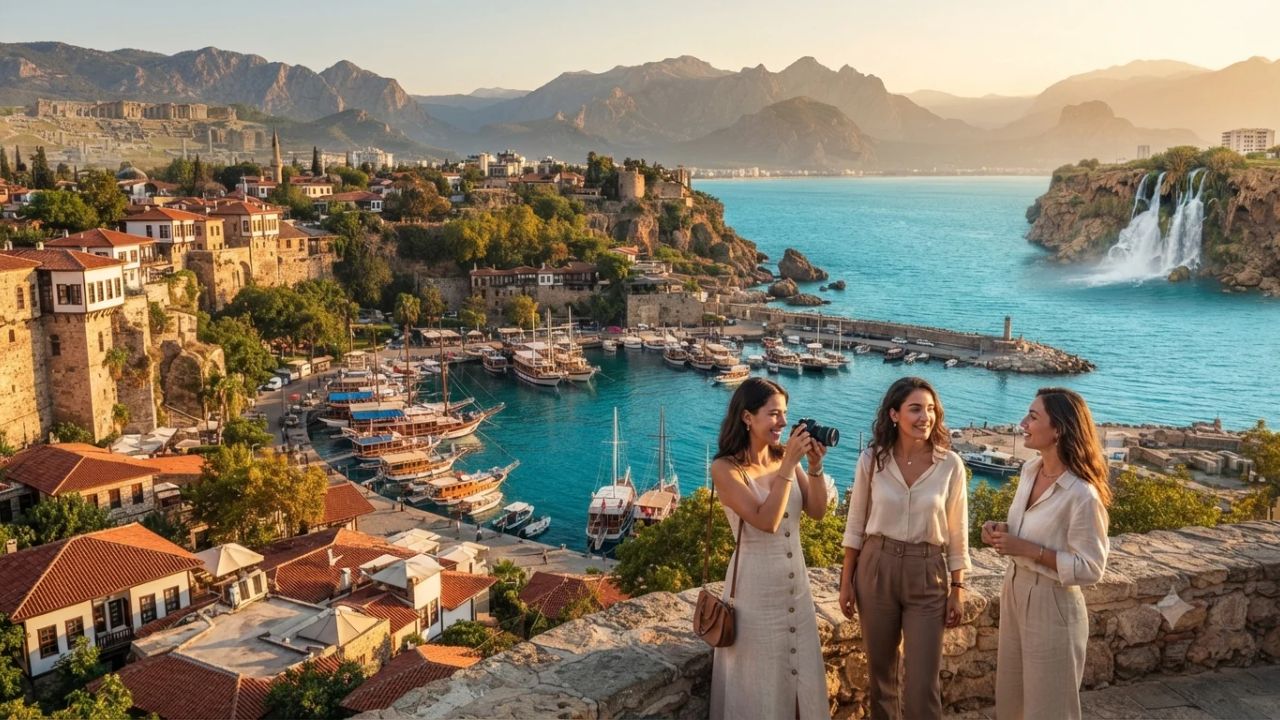
Türkiye’s premier Mediterranean gateway of Antalya is redefining its global tourism profile, challenging its longstanding reputation as an exclusively all-inclusive beach resort corridor through an ambitious cultural and eco-adventure renaissance. Encompassing over 630 kilometers of turquoise coastline backed by the rugged limestone peaks of the Taurus Mountains, the province blends remarkably preserved Greco-Roman archaeological settlements—including the monumental 12,000-seat Aspendos Theatre, the sprawling ruins of Perge, and the maritime harbors of Phaselis—with dramatic geological wonders such as the Düden and Kurşunlu waterfalls. Supported by modern aviation infrastructure at Antalya Airport, which processed 34.84 million passenger movements across the first ten months of 2026 and is expanding toward an 82-million passenger annual capacity, Antalya presents international travelers with an integrated multi-dimensional Mediterranean itinerary combining classical antiquity, canyoning, and coastal leisure.
For decades, international holidaymakers viewed Antalya through the narrow lens of seaside relaxation, confining their visits to self-contained luxury resorts in Belek, Lara, Kemer, and Side. While the region’s sun-drenched climate and pristine Blue Flag beaches remain world-renowned, focusing solely on resort enclaves overlooks one of the Mediterranean basin's densest concentrations of classical civilization. The fertile coastal plain of Pamphylia and the mountainous strongholds of Lycia and Pisidia left an extraordinary legacy of Hellenistic city gates, Roman colonnaded avenues, monumental aqueducts, and clifftop amphitheatres. As global travelers increasingly seek enriching experiential journeys that combine cultural education with outdoor recreation, Antalya stands out as an accessible destination where deep history and natural landscapes intersect within short driving distances.
========================================================================================
ANTALYA TOURISM & HERITAGE BENCHMARK SCORECARD (2026 PROFILE)
========================================================================================
Geographic Scope                 Antalya Province (Southern Mediterranean Coast, Türkiye)
Total Coastline Length           630 Kilometers (Spanning Gazipaşa to Kaş)
Primary Mountain System          Taurus Mountains (Beydağları Range; Peaks >3,000m)
Ancient Historical Regions       Pamphylia, Lycia, Pisidia, and Cilicia Trachea
Core Urban Heritage Hub          Kaleiçi (Historic Quarter, Hadrian's Gate, Roman Harbour)
Premier Classical Monument       Aspendos Roman Theatre (Capacity: ~12,000 Spectators)
Aviation Gateway                 Antalya Airport (AYT / LTAI; Terminals 1, 2 & Domestic)
Jan–Oct 2026 Passenger Volume   34.84 Million Movements (28.62M Int'l / 6.22M Domestic)
Airport Expansion Masterplan     Fraport TAV Concession Expanding to 82 Million Capacity
Heritage Pass Option             MuseumPass The Mediterranean (€90; Valid 7 Days)
Key Natural Monuments            Lower Düden Falls (40m sea drop), Upper Düden, Kurşunlu
Wilderness Adventure Hub         Köprülü Canyon National Park (Köprüçay River Rafting)
Tourist Visa Regime              Visa-Free for UK/EU Citizens (Up to 90 Days in 180 Days)
========================================================================================
Source: Ministry of Culture & Tourism of Türkiye, DHMI Airport Authority Filings (2026).
========================================================================================
The Classical Triangle: Imperial Architecture Across Pamphylia and Lycia
The geographic expanse surrounding the Gulf of Antalya served as a crossroads for major Mediterranean powers, including the Hittites, Persians, Greeks, Romans, Byzantines, Seljuks, and Ottomans. Unlike many European archaeological sites where monuments exist in isolation, Antalya’s classical assets remain embedded in evocative natural topographies.
========================================================================================
OFFICIAL ENTRANCE CHARGES & SIGHTSEEING MATRIX (MINISTRY OF CULTURE & TOURISM)
========================================================================================
Archaeological Site / Monument   Civilization / Era       Official Ticket Distance from City
----------------------------------------------------------------------------------------
Perge Ancient City               Hellenistic & Roman      €11.00          18 km northeast
Aspendos Theatre & Acropolis     Roman Empire (2nd c. AD) €15.00          45 km east
Phaselis Ancient City & Harbours Lycian & Roman Maritime  €10.00          58 km southwest
Olympos Ancient Ruins & Beach    Lycian League / Pirates  €10.00          80 km southwest
Termessos Mountain Fortress      Pisidian High Altitude   €3.00           34 km northwest
Patara Ancient Parliament & DunesLycian League Capital    €15.00          220 km west
Myra Rock-Cut Tombs & Theatre    Lycian & Greco-Roman     €13.00          140 km southwest
Karain Paleolithic Cave DwellingsPaleolithic Era (Stone)  €5.00           30 km northwest
----------------------------------------------------------------------------------------
Curated Three-Site Package       Perge + Aspendos + Phaselis = €36.00 Standard Total
MuseumPass The Mediterranean     Covers 40+ Sites across Antalya/Muğla = €90.00 (7 Days)
========================================================================================
Kaleiçi: The Living Ottoman and Roman Citadel
The natural starting point for any cultural exploration is Kaleiçi, Antalya’s historic quarter enclosed within ancient defensive sea walls. The district's eastern entryway is crowned by Hadrian’s Gate (Üçkapılar), a triple-arched marble triumphal gateway constructed to commemorate the visit of Roman Emperor Hadrian in 130 AD. Passing beneath its carved coffered ceilings and walking across grooved stone pavements worn smooth by Roman chariot wheels leads into a maze of cobblestone lanes lined with restored Ottoman-era timber-frame mansions (konaklar).
Kaleiçi terminates at the ancient Roman Harbour, a sheltered marina positioned beneath limestone sea cliffs that has operated continuously as a commercial anchorage since the 2nd century BC. Towering over the district is the Yivli Minare Mosque (Fluted Minaret), a 38-meter brick and turquoise-tiled landmark erected in 1230 by the Seljuk Sultan Alaaddin Keykubad I, exemplifying the harmonious layering of Islamic and classical architectural traditions.
Perge: The Imperial City of Saint Paul and Apollonius
Situated 18 kilometers northeast of central Antalya lies Perge, the ancient capital of Pamphylia. First settled in the Bronze Age and mentioned in the Hittite treaty of 1235 BC, Perge blossomed under Roman imperial rule into a regional metropolis celebrated for its monumental civic planning.
Visitors entering through the twin round Hellenistic city towers encounter a monumental colonnaded avenue spanning over 300 meters, bisected by an engineered central water channel designed to cascade cool mountain spring water through the heart of the city. Notable architectural landmarks include:
- The Roman Stadium: Among the best-preserved athletic arenas in the ancient world, accommodating 12,000 spectators with vaulted substructures that once housed shops and gladiator holding areas.
- The Southern Roman Baths: A sprawling civic bathing complex featuring intact hypocaust heating arches, caldariums, and marble-lined swimming pools that reflect the wealth of Pamphylian patricians.
- The Roman Theatre: A 15,000-seat structure adorned with intricate carved marble reliefs depicting Dionysian myths. Note: As of late 2026, the theatre structure is undergoing structural restoration under the Turkish Ministry of Culture and Tourism's heritage revitalization initiative; travelers should verify viewing platform access on arrival.
Aspendos: The Pinnacle of Roman Acoustic Engineering
Located 45 kilometers east of Antalya along the Eurymedon River (modern Köprüçay), Aspendos is universally recognized for possessing the most complete and acoustically perfect Roman theatre surviving anywhere in the world. Designed by the local Greek architect Zenon during the reign of Emperor Marcus Aurelius (161–180 AD), the theatre was dedicated to the gods of the city and the imperial family.
========================================================================================
ASPENDOS ROMAN THEATRE: ARCHITECTURAL SPECIFICATIONS
========================================================================================
Architectural Feature            Engineering Metric & Historical Detail
----------------------------------------------------------------------------------------
Architect of Record              Zenon (Son of Theodoros; Dedicated to Marcus Aurelius)
Original Construction Era        Circa 161–180 AD (Antonine Period of Roman Empire)
Spectator Seating Capacity       Approximately 12,000 Spectators across 41 Tiers
Cavea Diameter                   96 Meters (Semicircular Auditory Bowl)
Scaenae Frons (Stage Wall)       Intact Two-Tier Facade with 40 Columns and Niches
Acoustic Engineering Principle   Reflective Parabolic Seating Bowl & Enclosed Parodoi
Historical Preservation Driver   Converted into a Seljuk Caravanserai Palace in 13th c.
Modern Cultural Role             Home of Annual International Aspendos Opera & Ballet
========================================================================================
The theatre’s preservation is extraordinary because its monumental two-story stage wall (scaenae frons) remains fully erect to its original roofline. In the 13th century, Seljuk rulers recognized the structural beauty of the amphitheatre and used it as a roadside palace and caravanserai, maintaining its masonry rather than pillaging its stones for building lime. Today, standing at the uppermost tier of the 41 rows of limestone benches, visitors can hear the sound of a dropped coin on the central orchestra floor with pristine acoustic clarity.
Beyond the theatre, the Aspendos upper acropolis preserves the remains of a massive Roman market basilica, a monumental nymphaeum (public fountain), and one of the most sophisticated inverted siphon aqueduct systems engineered in antiquity, carrying water across a two-kilometer valley via stone pressure towers.
Phaselis: Pine-Shrouded Harbours of the Lycian Coast
For travelers seeking to combine archaeological exploration with swimming, Phaselis delivers an unmatched coastal experience 58 kilometers southwest of Antalya. Founded in the 7th century BC by Rhodian colonists on a small peninsula jutting into the Mediterranean, Phaselis operated three distinct natural anchorages: the Northern Harbour, the Protected Naval Harbour, and the Southern Harbour.
Today, visitors walk through fragrant Aleppo pine groves along an expansive paved Roman avenue lined with shop foundations, an agora, and bathhouses. The central avenue opens directly onto tranquil, shallow coastal coves where ancient stone quay foundations sit partially submerged beneath crystal-clear turquoise waters. Swimmers can swim directly alongside sunken ancient breakwaters before relaxing under the shade of pine trees overlooking the distant summit of Mount Tahtalı.
Termessos: The Defiant Eagle's Nest of the Pisidian Mountains
For hikers and adventurous travelers, Termessos offers a stark contrast to coastal ruins. Positioned 34 kilometers northwest of Antalya at an altitude of 1,050 meters inside Güllük Dağı National Park, Termessos was founded by the warlike Solyms, an indigenous Pisidian tribe. The city’s mountain defenses were so formidable that when Alexander the Great marched through the region in 333 BC, he surveyed the sheer canyon approaches and opted to bypass the city, comparing it to an eagle’s nest that would cost too many soldiers to besiege.
The site remains largely unexcavated, enveloped in wild maquis and cedar trees. Walking along rugged mountain trails brings explorers to a magnificent 4,000-seat amphitheater perched precipitously over a 1,000-meter drop into the Pamphylian plain. Surrounding the theater are vast underground rainwater cisterns, a monumental necropolis containing hundreds of overturned stone sarcophagi carved with warrior shields, and defensive ramparts integrated directly into sheer limestone cliff faces.
Traveler Advisory: The Antalya Archaeological Museum, historically recognized as one of the world's premier repositories of classical Roman sculpture excavated from Perge, is currently undergoing comprehensive structural refurbishment and modernization. Visitors should consult official Ministry updates regarding temporary exhibitions or reopening timelines.
Geological Marvels: Cascading Waterfalls and Karst Caverns
Antalya’s unique topography—where the permeable limestone plateau of the Taurus Mountains collides with the Mediterranean coastline—creates an exceptional hydrological network of natural springs, karst sinkholes, and waterfalls.
========================================================================================
ANTALYA WATERFALL EXPEDITION GUIDE
========================================================================================
Natural Attraction    Drop Height  Geological Setting             Travel Time from Centre
----------------------------------------------------------------------------------------
Lower Düden Waterfall 40 Meters    Sea cliff into Mediterranean   15 Minutes (8 km east)
Upper Düden Waterfall 15 Meters    Karst gorge with hidden caves  25 Minutes (12 km north)
Kurşunlu Waterfall    18 Meters    Dense pine forest canyon       30 Minutes (20 km northeast)
Manavgat Waterfall    4 Meters     Wide river cascade & rapids    60 Minutes (75 km east)
========================================================================================
Lower Düden: The Marine Cascade
Lower Düden Waterfall (Karpuzkaldıran) is one of the most distinctive coastal waterfalls in Eurasia. Originating from mountain karst springs, the Düden River traverses underground channels before emerging on the cliffs east of Lara Beach, where it plunges 40 meters straight over vertical travertine cliffs directly into the Mediterranean Sea.
Travelers can admire the falls from two distinct vantage points:
- The Cliffside Park Promenade: A well-maintained municipal park in Lara equipped with viewing cantilever platforms, walking paths, and evening illumination, where visitors can feel the cool spray rising from the waves below.
- Marine Excursion Boats: Small cruise vessels departing regularly from the Old Roman Harbour in Kaleiçi motor eastward along the dramatic cliffline, allowing passengers to view the roaring falls and its permanent maritime rainbows directly from sea level.
Upper Düden and Kurşunlu: Forest Shaded Retreats
Located inland within a residential nature reserve, Upper Düden Waterfall flows through a deep, mossy canyon. A unique natural feature is the cavern situated behind the primary water curtain, accessible via carved stone spiral staircases that allow visitors to gaze through cascading torrents of water from inside the rock.
Further east along the Aksu plain, Kurşunlu Waterfall Nature Park encompasses a seven-pool cascade connected by walking paths, wooden footbridges, and pine forest trails. Shaded by ancient plane trees, wild laurels, and blooming water lilies, Kurşunlu provides a tranquil sanctuary during the heat of mid-summer, supporting diverse birdlife, freshwater turtles, and endemic aquatic plants.
Active Wilderness and Alpine Recreation: Taurus Mountain Adventures
Beyond classical ruins and coastal promenades, Antalya functions as a premier hub for outdoor adventure sports. The Taurus Mountain range rises steeply behind the shoreline, ascending to elevations above 3,000 meters and creating dramatic alpine microclimates within minutes of the coast.
========================================================================================
OUTDOOR ADVENTURE DESTINATIONS ACROSS ANTALYA PROVINCE
========================================================================================
Adventure Activity           Primary Location            Operational Feature
----------------------------------------------------------------------------------------
White-Water River Rafting    Köprülü Canyon Nat'l Park   Class II & III rapids; 14 km run
Canyoning & Ziplining        Tazı Canyon & Goynuk Canyon Vertical canyon walls >200m high
Alpine Aerial Tramway        Mount Tahtalı (Olympos)     Sea level to 2,365m in 10 minutes
Long-Distance Trekking       The Lycian Way Trail        540 km marked coastal hiking route
Sea Kayaking                 Kekova Sunken City          Paddle over submerged Lycian ruins
Paragliding Flights          Adrasan & Tahtalı Summit    Tandem descents to coastal beaches
========================================================================================
Köprülü Canyon National Park: White-Water and Canyoning
Situated 85 kilometers northeast of central Antalya, Köprülü Canyon National Park encompasses a dramatic 14-kilometer canyon gorge carved by the ice-cold, emerald waters of the Köprüçay River. The river provides an established venue for organized white-water rafting, suitable for both novice families and experienced paddlers negotiating Class II and Class III rapids.
Rafting expeditions navigate beneath the Oluk Bridge, an intact single-arch Roman stone bridge constructed in the 2nd century AD that spans 27 meters across the gorge at a dizzying height above the rapids. In recent years, adventure tourism has expanded into Tazı Canyon (Eagles Canyon), an awe-inspiring geological rift with vertical rock walls soaring over 200 meters, offering panoramic viewpoints that attract hikers, photographers, and mountaineers.
Mount Tahtalı: Sea to Sky via Aerial Tramway
Rising directly behind the coastal resort of Kemer, Mount Tahtalı (ancient Mount Olympos) dominates the western skyline of Antalya at an elevation of 2,365 meters (7,759 feet). The Olympos Teleferik aerial cableway transports passengers from its base station at 726 meters to the snow-dusted mountain summit in approximately 10 minutes. The ascent traverses fragrant cedar forests before breaking through the tree line into dramatic alpine scree. From the panoramic observation deck, visitors enjoy 360-degree views stretching across the entire Gulf of Antalya, with opportunities for tandem paragliding flights that descend from the alpine summit directly onto the sandy beaches of Tekirova below.
Aviation and Infrastructure: Decoding Antalya’s 34.8M Passenger Movements
Antalya’s capacity to support diverse international tourism relies on its world-class aviation gateway. As Türkiye’s second-busiest airport and one of the premier holiday gateways in the Mediterranean, Antalya Airport (AYT) serves as the primary logistical artery for incoming international tourists.
========================================================================================
ANTALYA AIRPORT (AYT) PASSENGER TRAFFIC BENCHMARKS: JAN–OCT 2025 VS. 2026
========================================================================================
Passenger Traffic Category       Jan–Oct 2025 Record       Jan–Oct 2026 Record       YoY Change
----------------------------------------------------------------------------------------
International Passenger Volume   30.40 Million             28.62 Million             -5.86%
Domestic Passenger Volume        5.76 Million              6.22 Million              +7.99%
Total Airport Passenger Traffic  36.16 Million             34.84 Million             -3.65%
Commercial Aircraft Movements    Approx. 215,000 Flights   Approx. 210,500 Flights   -2.09%
Peak Daily Movements             Over 1,100 Flights/Day    Over 1,050 Flights/Day    Summer Peak
Current Terminal Floor Space     180,000 m²                180,000 m² (Under Exp.)   Expanding
Ultimate Masterplan Capacity     35 Million Designed       82 Million Designed       +134% Exp.
========================================================================================
Source: General Directorate of State Airports Authority (DHMI) Statistical Publications.
========================================================================================
Statistical Analysis of the 2026 Operating Season
According to official ten-month flight data released by Türkiye’s General Directorate of State Airports Authority (DHMI), Antalya Airport handled 34.84 million passenger movements between January and October 2026. This compares with 36.16 million movements during the record-setting corresponding period in 2025, representing a minor contraction of 3.65 percent:
- International Segment Realignment: International passenger movements contracted by 5.86 percent, declining from 30.40 million in 2025 to 28.62 million in 2026. Aviation analysts attribute this adjustment to shifting vacation booking patterns among European travelers, inflationary pressures in resort package pricing, and airline fleet redeployments across competing Southern European markets.
- Domestic Sector Resilience: Conversely, domestic passenger traffic expanded by 7.99 percent, rising from 5.76 million to 6.22 million passengers. This increase demonstrates strong domestic consumer mobility, with Turkish residents utilizing scheduled air links to access coastal properties, cultural heritage circuits, and business conferences.
The €750 Million Capacity Expansion
To prepare for future demand surges, Antalya Airport is undergoing a transformative €750 million concession and infrastructure expansion managed by a joint venture between Germany’s Fraport AG and Türkiye’s TAV Airports. The masterplan will expand the airport’s designed handling capacity from 35 million to an astonishing 82 million passengers annually:
- Expansion of International Terminal 2 from 93,000 m² to over 230,000 m².
- Complete reconstruction and modernization of the Domestic Terminal.
- Construction of new taxiways, aircraft parking aprons accommodating up to 180 aircraft, and advanced baggage-handling systems.
- Comprehensive energy-efficiency retrofits to secure carbon-neutral operational certifications.
Ground Connectivity: The AntRay Light Rail System
Arriving travelers enjoy straightforward, affordable transit into the city center via the AntRay light rail network. Trains depart directly from the integrated tram station situated outside International Terminal 1 and the Domestic Terminal every 10 to 15 minutes. The line links passengers directly to the city center (Ismetpaşa station, adjacent to Kaleiçi) in 35 minutes for less than €1.50, and continues onward to Antalya’s central intercity bus terminal (Otogar), where frequent air-conditioned coaches depart for regional hubs like Kemer, Side, Alanya, and Kaş.
Strategic Cost Optimization: MuseumPass The Mediterranean
For heritage-focused travelers, managing site entrance fees requires financial planning. Under the Turkish Ministry of Culture and Tourism’s standardized ticketing structure, admission charges at premier archaeological parks are denominated in euros for international visitors.
========================================================================================
COST COMPARISON: INDIVIDUAL ADMISSION VS. MEDITERRANEAN MUSEUMPASS
========================================================================================
Traveler Sightseeing Portfolio   Individual Ticket Cost    Pass Strategy Recommendation
----------------------------------------------------------------------------------------
Light Explorer (Perge + Aspendos)€11.00 + €15.00 = €26.00  Buy individual tickets at gates
Moderate (Perge, Aspendos,       €11 + €15 + €10 + €10     Buy individual tickets at gates
Phaselis, Olympos)               = €46.00 Total
Comprehensive Cultural Explorer  €11 (Perge) + €15 (Asp.)  PURCHASE MUSEUMPASS (€90.00)
(Perge, Aspendos, Phaselis,      + €10 (Phas.) + €10 (Oly.)Delivers substantial savings
Olympos, Termessos, Myra,        + €3 (Term.) + €13 (Myra) plus skip-the-line privileges
Patara, Simena, St. Nicholas)    + €15 (Pat.) + €17 (Others)across 40+ regional sites
========================================================================================
The MuseumPass The Mediterranean (Akdeniz MüzeKart) costs €90.00 and remains valid for seven consecutive days from its first use. It grants unrestricted, single-entry access to more than 40 premier state museums and archaeological sites across the provinces of Antalya, Muğla, Mersin, and Adana.
Travelers planning an intensive five- to seven-day cultural itinerary encompassing Perge, Aspendos, Phaselis, Olympos, Myra, Patara, and Simena will spend over €105 in standalone tickets; for these visitors, the €90 pass provides immediate cost savings, bypasses ticket-window queues during peak hours, and includes access to lesser-known ruins along the Lycian Way.
Curated 4-Day Culture and Coast Itinerary
To experience Antalya’s historical breadth without sacrificing relaxation, travelers should adopt an integrated itinerary balancing classical antiquity, scenic waterfalls, and coastal leisure.
========================================================================================
CURATED 4-DAY ANTALYA CULTURAL & NATURE ITINERARY
========================================================================================
Day     Primary Morning Focus        Afternoon Exploration       Evening Experience
----------------------------------------------------------------------------------------
Day 1   Kaleiçi Historical Walking   Hadrian's Gate & Roman Port Boat tour to Lower Düden
        Tour (Ottoman Mansions)      St. Paul Cultural Centre    Dinner overlooking marina
----------------------------------------------------------------------------------------
Day 2   Perge Roman Archaeological   Aspendos Roman Theatre      Kurşunlu Waterfall Park
        City (Colonnaded Street)     Upper Acropolis & Aqueduct  Sunset dinner in Side town
----------------------------------------------------------------------------------------
Day 3   Phaselis Pine Harbours       Mount Tahtalı Cable Car     Dinner at Çıralı Beach;
        (Ruins & Coastal Swimming)   (Olympos 2,365m Summit)     Hike to Chimaera flames
----------------------------------------------------------------------------------------
Day 4   Köprülü Canyon White-Water   Roman Oluk Stone Bridge &   Return to central Antalya;
        Rafting (Köprüçay River)     Tazı Canyon Lookout Walk    Traditional Turkish hammam
========================================================================================
Day 1: The Imperial Citadel and Maritime Falls
Begin at 09:00 with a walking tour through Kaleiçi, entering via Hadrian’s Gate. Wander through the quiet morning streets to inspect Ottoman wooden konaks and the fluted minaret of Yivli Minare. Descend the stone steps to the Old Roman Harbour and embark on a 90-minute coastal cruise to witness Lower Düden Waterfall cascading into the Mediterranean. In the late afternoon, relax along the pebble shores of Konyaaltı Beach, backed by the towering silhouette of the Beydağları mountains, before dining on fresh Mediterranean sea bass in a cliffside restaurant.
Day 2: The Pamphylian Masterpieces
Depart early by rental car or private tour northeast to Perge. Spend two hours walking the monumental colonnaded street, photographing the Hellenistic gate towers, and exploring the Roman baths. Continue 25 minutes eastward to Aspendos to stand inside the magnificent Roman Theatre, testing its legendary acoustics and ascending the acropolis trail to examine the inverted siphon aqueduct. On the return journey, stop at Kurşunlu Waterfall Nature Park for a peaceful stroll through pine forests and emerald pools.
Day 3: Maritime Ruins and Alpine Summits
Drive southwest along the coastal highway toward Kemer. Arrive at Phaselis by 09:30 to explore the ancient Roman agoras before swimming in the sheltered waters of the ancient Southern Harbour. At 13:30, ascend the winding mountain road to the base station of the Olympos Teleferik and ride the aerial tramway to the 2,365-meter summit of Mount Tahtalı for sweeping views of the Turquoise Coast. Conclude the day further south in the village of Çıralı, dining at an open-air garden cafe before embarking on an evening twilight hike up to the eternal natural gas flames of the Chimaera (Yanartaş).
Day 4: Mountain Canyons and Roman Engineering
Conclude the holiday with an excursion to Köprülü Canyon National Park. Join a guided morning rafting expedition down the crystal-clear Köprüçay River, paddling through calm turquoise pools and exhilarating rapids beneath the ancient Roman Oluk Bridge. In the afternoon, take a 20-minute drive to the panoramic cliff edge of Tazı Canyon for dramatic valley views. Return to Antalya for an evening visit to a historic Ottoman bathhouse (hammam) for a traditional scrub and massage.
Comprehensive Frequently Asked Questions
Why should travelers visit Antalya for more than just an all-inclusive beach holiday?
Antalya possesses an extraordinary concentration of classical Greco-Roman settlements, dramatic mountain ranges, and natural waterfalls within short driving distances of its coastal resorts. Visitors can easily combine beach relaxation with world-class historical exploration at sites like Aspendos, Perge, and Termessos.
What is the most famous historical landmark in Antalya?
The Roman Theatre of Aspendos is the most famous monument. Built in the 2nd century AD by architect Zenon, it is widely considered the best-preserved and acoustically perfect ancient theater in the world, with a seating capacity of approximately 12,000 spectators.
How much do entrance tickets cost for Antalya’s main archaeological sites?
Under official rates published by the Ministry of Culture and Tourism, admission is €15 for Aspendos, €11 for Perge, €10 for Phaselis, €10 for Olympos, €3 for Termessos, €15 for Patara, and €13 for Myra.
What is the Mediterranean MuseumPass and is it worth buying?
The MuseumPass The Mediterranean costs €90 and is valid for seven days across more than 40 historical sites in Antalya and neighboring provinces. It is highly cost-effective for travelers planning to visit five or more major archaeological sites and provides skip-the-line convenience.
Is the Antalya Archaeological Museum currently open?
The Antalya Archaeological Museum is currently undergoing extensive structural restoration and modernization under Ministry supervision. Travelers should check official government announcements for temporary exhibit access or scheduled reopening dates.
How do travelers reach central Antalya from the airport?
Antalya Airport is connected directly to the city center and the central bus terminal (Otogar) via the AntRay light rail tram network, departing every 10 to 15 minutes from outside International Terminal 1 and the Domestic Terminal for under €1.50 per journey.
Do British and European citizens need a visa to visit Antalya?
No. Citizens of the United Kingdom, European Union member states, and several other nationalities can enter Türkiye visa-free for tourism purposes for stays of up to 90 days within any 180-day rolling period.
Where can visitors see waterfalls in Antalya?
Lower Düden Waterfall is located 8 km east of the city center, plunging 40 meters off coastal cliffs directly into the sea. Upper Düden Waterfall is situated 12 km north in a karst park with walk-through caves, while Kurşunlu Waterfall is set within a protected pine forest 20 km northeast.
What outdoor activities can adventure travelers experience in the Taurus Mountains?
Popular outdoor activities include white-water river rafting on the Köprüçay River in Köprülü Canyon, hiking Tazı Canyon, riding the Olympos Teleferik cable car to the 2,365m summit of Mount Tahtalı, paragliding, sea kayaking over sunken Lycian ruins at Kekova, and trekking sections of the Lycian Way.
What is the best time of year to visit Antalya for cultural sightseeing?
The shoulder seasons of spring (April to early June) and autumn (September to November) provide ideal weather for archaeological exploration and hiking, with comfortable daytime temperatures ranging between 20°C and 28°C, avoiding the intense heat and heavy crowds of July and August.
Strategic Tourism Perspectives: The Value of Heritage Diversification
Antalya’s concerted push to elevate its cultural and nature tourism assets reflects a mature destination management strategy:
========================================================================================
DESTINATION EVOLUTION: RESORT CONFINEMENT VS. EXPERIENTIAL HERITAGE
========================================================================================
Traditional All-Inclusive Paradigm        Modern Cultural Diversification Model
----------------------------------------------------------------------------------------
Economic spend retained inside resorts.   Visitor spending dispersed across local communities.
Limited exposure to Turkish culture.      Immersion in classical antiquity & regional cuisine.
High environmental impact on coastlines.  Sustainable dispersal into national parks & highlands.
Seasonal vulnerability to summer peaks.   Year-round appeal spanning spring & autumn trekking.
Commoditized sun-and-sand competition.    Unique historical identity anchored by Roman marvels.
========================================================================================
First, moving beyond the pure all-inclusive resort model yields significant economic benefits for the regional economy. When visitors leave resort compounds to visit sites like Perge, Termessos, or Köprülü Canyon, their discretionary spending flows directly to independent family restaurants, local transport providers, artisan makers, and licensed tour guides, fostering sustainable economic development across inland communities.
Second, cultural tourism naturally extends the traditional operating season. While beach swimming is primarily concentrated between June and September, exploring Roman ruins, hiking the Lycian Way, and visiting rushing waterfalls is far more enjoyable during the cooler shoulder months of March, April, October, and November. This seasonal smoothing stabilizes hospitality employment and reduces winter business closures across the province.
Finally, by coupling modern airport expansion with meticulous historical preservation, Antalya demonstrates that mass tourism infrastructure and classical conservation can complement one another. Travelers who venture beyond the sun loungers discover a destination of breathtaking historical depth, where the echoes of Roman orators, Seljuk architects, and ancient maritime traders still animate one of the Mediterranean’s most captivating coastlines.
Related Travel Guides
- UK Vets Issue Urgent Rabies Warning for British Holidaymakers as 78% Fail to Recognize Fatal Risks Abroad
- British Airways Boeing 787 Dreamliner Stranded on Muddy Grass Verge During Heathrow Departure to Lagos
- London Unveils Free Festive Food and Cocktail Garden at Bishop’s Square Spitalfields for Winter 2026
- Uruguay Reintroduces 100% VAT Exemption for Foreign Tourists as Summer Season Begins Under Decree 271/026
This article is for informational purposes. Flight routes, passenger regulations, visa rules, and transit advisories are subject to change by airlines and aviation authorities. Readers are advised to verify schedules and travel documentation with relevant carriers and border agencies before departure.
Related Stories
Bangkok’s Song Wat Road Named World’s Coolest Street for 2026 as Heritage Meets Creative Renaissance
London Unveils Free Festive Food and Cocktail Garden at Bishop’s Square Spitalfields for Winter 2026