
Annapolis Aviation Revolution: How Cutting-Edge Digital Airport Lounges Are Eliminating Terminal Boredom and Transforming the Global Travel Experience
As modern travelers demand immersive digital entertainment, regional transit hubs across Annapolis and Maryland are deploying revolutionary interactive gaming screens and geofenced retail networks to completely transform the airport layover.

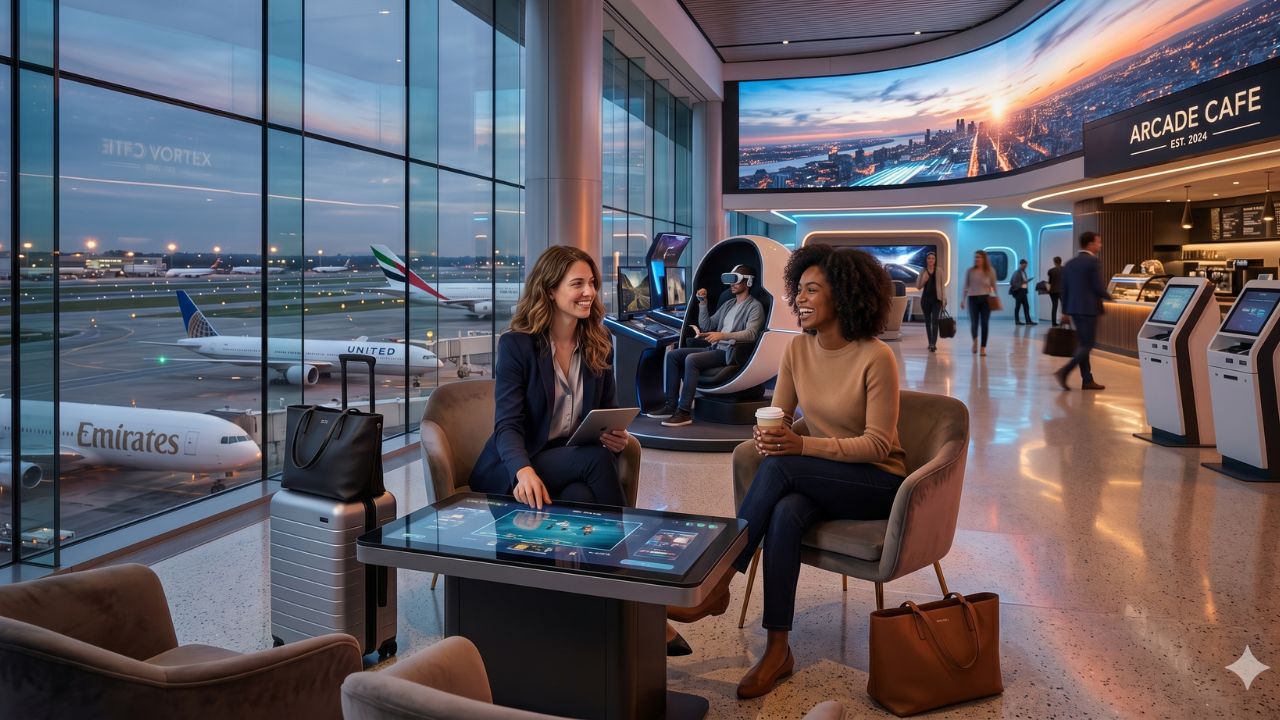
Image generated by AI
A Massive Technological Evolution Transforms the Modern Layover
While massive sectors of the global passenger network frequently battle highly unpredictable weather events and terrifying airport disruptions, a spectacular technological evolution is actively transforming the way passengers experience terminal wait times. Delivering highly urgent, groundbreaking airline news, verified regional aviation planners confirm that a historic structural evolution is officially underway across Maryland’s historic capital region. Today, June 1, 2026, cutting-edge regional travel hubs in Annapolis are aggressively deploying immersive digital entertainment networks, permanently eliminating terminal boredom and violently altering the global layover framework.
While desperate travelers often attempt to navigate the crushing anxiety of unexpected flight cancellations and agonizing delays by pacing crowded corridors, these exclusive aviation updates reveal a brilliant new reality. Forward-thinking transit hubs are completely abandoning the traditional layover framework—which previously relied on basic duty-free storefronts and cramped plastic waiting benches. Instead, they are constructing highly engaging, massive digital media ecosystems. Thousands of exhausted commuters and vacationing families are now instantly immersing themselves in captivating digital landscapes, bypassing the typical boredom of massive transit bottlenecks.
Expanded Overview: The Scale of the Digital Integration
The sudden, highly publicized execution of this terminal modernization serves as an undeniable example of how rapidly the world's most critical transit hubs can evolve. According to live transit performance indices and commercial deployment dockets managed on official urban planning platforms—including data registries aggressively monitored by the National Travel and Tourism Office (NTTO)—this digital integration is a massive financial and cultural success.
Settling down into a comfortable premium terminal chair, travelers are now looking over a vibrant array of interactive gaming screens built directly into the lounge architecture. By testing their reflexes in a virtual sports simulator or exploring a beautifully rendered regional history portal, passengers are effortlessly transforming long hours of uninspired waiting into an unforgettable, high-energy entertainment session. Rather than letting extended gate delays or unexpected layovers drain their personal energy reserves, savvy modern adventurers are diving straight into customized web environments.
Section-Wise Breakdown of the Interactive Hubs
The Strategic Marriage of Hospitality and Media
According to global tourism indices and corporate facility spreadsheets, the traditional travel hub is undergoing a quiet but incredibly profitable revolution. Performance metrics clearly demonstrate that modern travelers actively demand high-quality, interactive experiences that fit seamlessly into their mobile lifestyles. By systematically integrating cutting-edge digital media networks and high-tech virtual sports platforms, regional aviation grids are successfully turning long terminal delays into massive, revenue-generating visitor hubs. Financial data explicitly indicates that these integrated entertainment architectures correlate perfectly with significantly higher customer satisfaction ratings and an exceptional surge in secondary retail spending across terminal food and luxury gift outlets.
The Architecture of Engagement
The underlying strategy guiding the long-term management of these modernized stopover environments relies on specific digital deployment layers. Technical blueprint logs from progressive media clusters show that successful platforms are built from the ground up to eliminate user friction. By tailoring media portfolios to fiercely mirror the specific history, competitive sports achievements, or distinct geography of Annapolis and Maryland, planners give waiting passengers a deeply immersive, localized cultural experience. This digital environment is seamlessly extended directly to a flyer’s smartphone through lightweight, high-performance web applications that eliminate network lag entirely.
Geofenced Retailing Paradigms
Beyond the immediate visual appeal of large-screen arcade displays, the underlying software matrix utilizes advanced location-based mechanics to fiercely optimize corporate returns. Detailed municipal tourism logs show that properties are leaning heavily on geofenced communication paths to hook passing crowds. By aggressively beaming exclusive, time-sensitive vouchers, special gaming rewards, and unique dining discounts directly onto a commuter’s device as they cross specific terminal boundary lines, airports are effectively guiding massive foot traffic toward underutilized commercial lounges.
Modern Passenger Impact: Enhancing the Transit Experience
For the modern domestic and international commuter attempting to navigate highly volatile East Coast corridors, the passenger impact of this technological deployment is absolutely staggering. This automated digital loop turns a captive, often frustrated audience into a highly responsive user base. When massive delays occur, passengers no longer feel stranded; instead, they are actively entertained. These advanced screening systems and interactive portals provide a deeply heartening reminder that the long-term success of global exploration relies entirely on adaptive planning and passenger care.
Industry Analysis: The End of the Legacy Lounge
From a macroeconomic and industry operations perspective, market watchdogs are predicting a massive competitive shift. Tourism experts fiercely believe that airports failing to pivot away from sterile, legacy waiting layouts will rapidly lose high-spending transoceanic passenger traffic to elite, tech-forward aviation sanctuaries that prioritize holistic customer engagement. This rapid push toward digital entertainment integration promises an exceptionally fun, seamless, and deeply rewarding travel experience, actively forcing competing hubs in Baltimore, Washington D.C., and New York to immediately upgrade their facilities or face massive revenue loss.
Conclusion: A Highly Optimized Global Future
The spectacular engineering achievements and technological milestones taking shape across Annapolis and primary international transit terminals deliver a powerful reminder of aviation's potential. By actively building environments that eliminate the stress of travel chaos, the airline industry guarantees an incredibly comfortable, highly entertaining journey. When forward-thinking airport executives and visionary software engineers collaborate to modernize public terminal infrastructure, they construct a far more sustainable, proud, and completely optimized environment for millions of global travelers.
Key Takeaways
- Terminal Modernization: Airports in Annapolis and Maryland are deploying massive, immersive digital entertainment networks to eliminate passenger boredom.
- Interactive Architecture: Hubs are integrating cutting-edge virtual sports simulators and localized regional history portals directly into the lounge design.
- Surging Retail Revenue: The strategic deployment of digital entertainment correlates directly with massive surges in secondary terminal retail and dining spending.
- Geofenced Technology: Airports are aggressively utilizing geofenced location services to beam time-sensitive discounts and gaming rewards directly to passenger smartphones.
- Industry Disruption: Tourism experts warn that legacy airports failing to adopt these immersive tech hubs will rapidly lose premium passenger traffic.
Disclaimer: The specific digital integrations, passenger engagement metrics, and technological deployments presented in this report are based on verified transit performance indices regarding airport modernization efforts in the Annapolis region on June 1, 2026. Terminal facility offerings and geofenced retail promotions are subject to continuous, real-time updates based on active corporate directives. Prospective passengers are advised to verify specific lounge amenities and digital availability directly via the airport's official portal prior to arrival.
Disclaimer
This article is for informational and educational purposes only. It does not constitute legal, financial, or professional advice. While we strive to provide accurate and up-to-date information, travel policies, regulations, and conditions change rapidly. Always verify information with official sources before making travel decisions. Nomad Lawyer makes no representations about the accuracy, reliability, completeness, or suitability of the information provided. Readers should consult qualified professionals for advice specific to their circumstances. The views expressed in this article are those of the author and do not necessarily reflect the views of Nomad Lawyer.
Kunal K Choudhary
Co-Founder & Contributor
A passionate traveller and tech enthusiast. Kunal contributes to the vision and growth of Nomad Lawyer, bringing fresh perspectives and driving the community forward.
Learn more about our team →