
Anantara Angkor Resort Unveils Green Season Temple and Lotus Package
Anantara Angkor Resort in Siem Reap is offering a curated green season experience combining sunrise temple tours with sustainable lotus farming workshops.

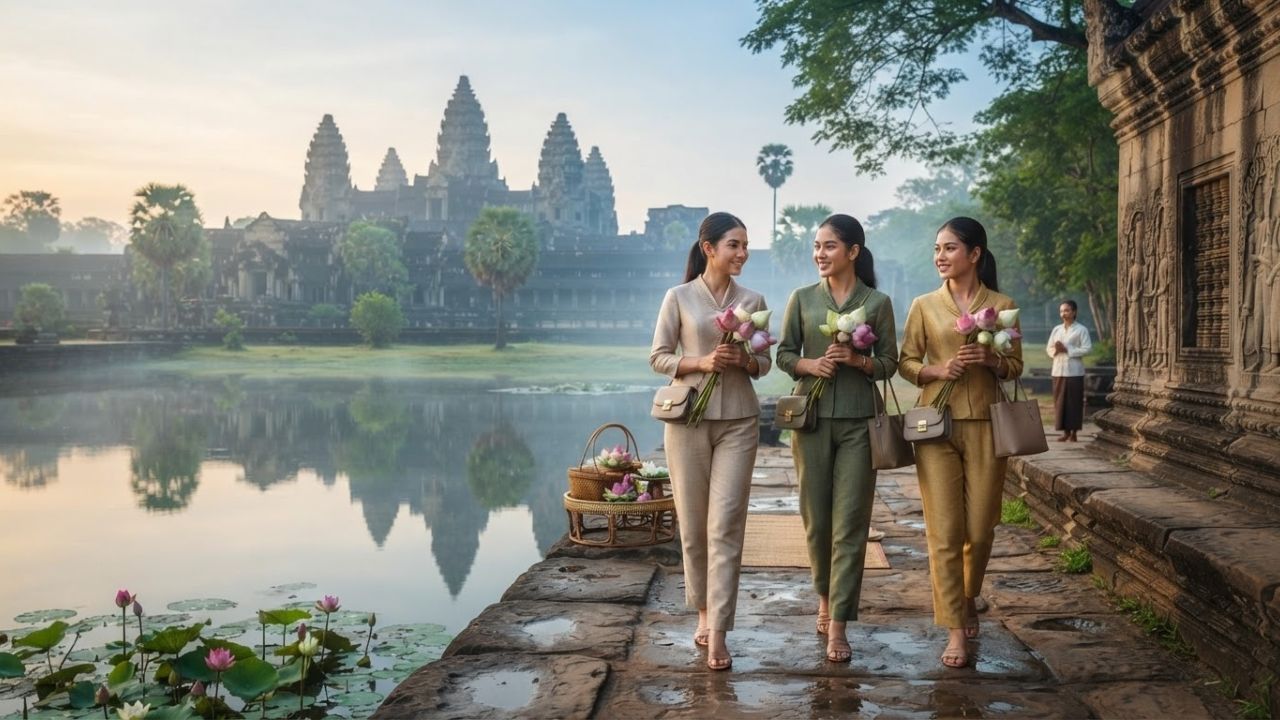
Image generated by AI
Anantara Angkor Resort in Siem Reap has introduced a new experiential package that pairs dawn explorations of the Angkor temples with immersive workshops at a local lotus eco-farm. The Angkor & The Lotus offer, launched to mark the parent brand's 25th anniversary, starts at US$415 per night for a minimum three-night stay. By highlighting Siem Reap's green season from June to October, when tourist volumes are lower, the boutique resort seeks to promote a slower, more culturally integrated travel experience that showcases both Cambodia's ancient stone monuments and its contemporary agricultural heritage.
Siem Reap's Green Season and Heritage Tourism
The structure of the anniversary package aligns with a broader trend in luxury hospitality, where boutique properties compete through curated destination access and storytelling rather than room discounts. In Siem Reap, this experience-focused approach is being utilized to encourage travel during the quieter green season, which runs from June to October. While the dry season from November to March remains the peak period, the wet months offer visitors lush, green surroundings and fewer crowds around the ancient ruins. During the green season, daily monsoon showers fill the ancient moats and reservoirs (barays) of Angkor, creating mirror-like reflections of the stone temples that are highly sought after by photographers.
This seasonal contrast is supported by official ticketing statistics:
- July Arrivals: Angkor Enterprise, the government-run ticketing authority, recorded 40,451 foreign tourists purchasing temple passes in July 2026, generating approximately US$1.85 million in revenue.
- Year-to-Date Volume: About 450,000 foreign tourists purchased Angkor passes between January 1 and August 13, 2026.
- Peak vs. Off-Peak Crowd Density: During the spring equinox on March 22, 2026, the APSARA National Authority reported that over 30,000 visitors gathered at Angkor Wat on a single day. In contrast, the modest July statistics show why the green season offers visitors greater space and a more peaceful environment to appreciate the archaeological monuments.
To help distribute demand across the year, the resort's package encourages travelers to spend at least three nights in Siem Reap. Extending visitor stays helps generate economic support for local tour guides, transport providers, and restaurants, reducing the local economy's dependence on the traditional winter peak and supporting the Ministry of Tourism’s goal of establishing Siem Reap as a year-round cultural capital.
Ancient Temples and Sustainable Lotus Craft
The package’s itinerary connects Cambodia’s archaeological heritage with contemporary rural life through two signature destination experiences. The morning begins before dawn, with guests traveling to the Angkor Archaeological Park for sunrise at Angkor Wat, followed by guided tours of other significant monuments along the Small Circuit:
- Bayon Temple: Famous for its 54 towers adorned with over 200 giant stone faces carved into the rock, representing the Bodhisattva Avalokiteshvara and King Jayavarman VII.
- Ta Prohm Temple: Left in much the same condition as it was found, with the massive root systems of strangler figs and silk-cotton trees growing out of the ancient stone blocks, showcasing the power of nature reclaiming ruins.
- Srah Srang: A grand royal bathing reservoir measuring 700 by 350 meters, which offers an excellent spot for quiet reflection.
In the evening, the focus shifts to a living element of Cambodian culture. Guests visit a local lotus eco-farm at dusk, participating in activities that explore the plant's practical and spiritual significance:
- Fiber Extraction: Travelers learn how to harvest lotus stems and manually extract the delicate inner fibers. These fibers are washed, dried, and spun on traditional wooden wheels to create a unique eco-textile that resembles a blend of linen and silk, a process that provides direct employment for rural women.
- Eco-Farming Workshops: The farm demonstrates how the lotus plant contributes to soil health and water purification, highlighting sustainable farming practices.
- Culinary Integration: The experience concludes with an eight-course tasting menu at the resort, incorporating lotus seeds, roots, and stems in refined Cambodian dishes.
By connecting an internationally famous archaeological site with regional agriculture, the package highlights how contemporary Khmer culture remains linked to the country’s natural resources, encouraging visitors to view heritage as a living practice.
Intentionally Small-Scale Boutique Hospitality
Between excursions, guests stay at Anantara Angkor Resort, an all-suite property with 39 suites arranged around a courtyard swimming pool. The resort’s small inventory supports the emphasis on personalized travel rather than high-volume resort tourism. Located approximately 10 minutes from central Siem Reap and 15 minutes from Angkor Wat, the property provides easy access to the temples, local markets, and dining districts.
The resort's suites measure between 46 and 59 square meters, while larger luxury suites expand from 78 to 235 square meters, featuring private terraces or plunge pools. Dining at the resort is centered around Chi, which specializes in Khmer-influenced cuisine, while the Anantara Spa offers wellness treatments rooted in traditional Cambodian massage practices. This combination of boutique accommodation, cultural storytelling, and environmental focus highlights how luxury tourism can grow while supporting local cultural values.
Visitor Insider Tips: Traveling Siem Reap in the Green Season
For travelers planning a green-season journey to Siem Reap, destination specialists suggest the following guidelines:
- Prepare for Afternoon Showers: The green season brings rain, typically in the form of short, heavy afternoon downpours. Pack lightweight waterproof jackets, umbrellas, and shoes with good grip for wet temple pathways.
- Utilize the Early Opening Hours: Angkor Wat opens for sunrise entry at 5:00 am. Arrive early to enjoy the cooler morning air and capture soft light for photography before the heat rises.
- Observe Strict Temple Dress Codes: When visiting the sacred sites of the Angkor park, dress respectfully by covering your shoulders and knees. Note that wraps or scarves are not accepted as substitutes at the final tier of Angkor Wat (the Bakan Sanctuary), where proper shirts and trousers or skirts are mandatory.
- Hire Local Eco-Friendly Transport: Choose local motorized tuk-tuks (remorques) or rent electric bicycles to explore the archaeological park, supporting local drivers and reducing your carbon footprint.
- Explore Srah Srang at Dawn: Srah Srang, the royal bathing pool, offers a quiet, scenic sunrise view that is often less crowded than the main reflecting ponds in front of Angkor Wat.
- Choose Eco-Certified Souvenirs: When shopping in Siem Reap markets, purchase lotus-fiber scarves or traditional handicrafts from verified social enterprises, ensuring your spending directly supports local artisans.
Outlook: The Future of Experiential Tourism in Cambodia
The introduction of experience-led packages like Angkor & The Lotus reflects the evolving goals of Cambodia’s tourism sector. By prioritizing longer stays, sustainable agricultural tours, and off-peak travel, Siem Reap is demonstrating how to balance conservation with economic development.
Long-term developments in the regional tourism industry will focus on expanding digital ticketing, supporting community-based eco-tourism initiatives, and improving green transport links within the archaeological park. The collaboration between the Ministry of Tourism, the APSARA National Authority, and local hospitality operators remains essential to achieving these goals, ensuring that Cambodia’s cultural assets are preserved for future generations while providing meaningful travel experiences today. By prioritizing cultural integration and community support, travel operators are helping to build a more resilient and sustainable future for Cambodia's heritage tourism.
Related Travel Guides
Disclaimer
This article is for informational and educational purposes only. It does not constitute legal, financial, or professional advice. While we strive to provide accurate and up-to-date information, travel policies, regulations, and conditions change rapidly. Always verify information with official sources before making travel decisions. Nomad Lawyer makes no representations about the accuracy, reliability, completeness, or suitability of the information provided. Readers should consult qualified professionals for advice specific to their circumstances. The views expressed in this article are those of the author and do not necessarily reflect the views of Nomad Lawyer.
Kunal K Choudhary
Co-Founder & Contributor
A passionate traveller and tech enthusiast. Kunal contributes to the vision and growth of Nomad Lawyer, bringing fresh perspectives and driving the community forward.
Learn more about our team →