
Amsterdam Schiphol Bus Strikes and easyJet Italy Disruptions: October 2026 Travel Alerts
Regional transport strikes at Amsterdam Schiphol and easyJet crew walkouts in Italy are creating a high-risk travel window this October, demanding strategic planning beyond the boarding pass.

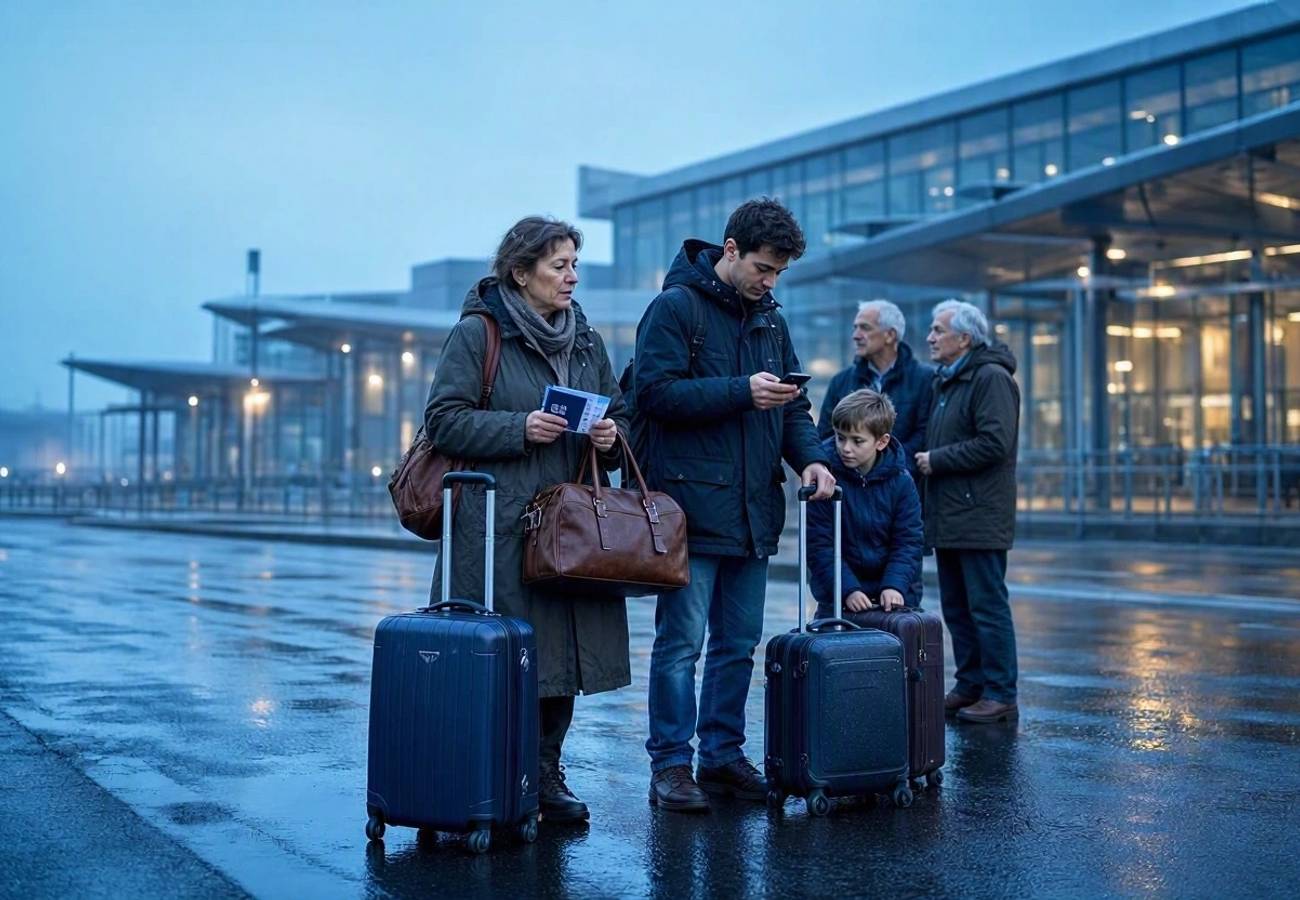
Image generated by AI
A flight can be perfectly on schedule, yet you can still miss it if the "first mile" of your journey fails. In the Netherlands, the real bottleneck for October departures isn't happening at the security gate or the runway, but at the regional bus stops leading to the terminal.
The First-Mile Crisis at Amsterdam Schiphol
The current pressure point for European travelers is not a systemic airline collapse, but a breakdown in regional connectivity. Amsterdam Schiphol has issued a critical alert regarding a nationwide regional transport strike. This industrial action is set to disrupt or cancel bus services to and from the airport starting at 04:00 on Wednesday, 14 October, and lasting until 04:00 on Thursday, 15 October, local time.
For the uninitiated, this creates a dangerous blind spot. Most travelers monitor their flight status via apps but ignore the logistics of reaching the terminal. While the airport remains open and flights are scheduled to operate, the sudden removal of regional bus options will likely trigger a surge in demand for taxis and private cars. This shift typically results in gridlocked access roads and ballooning taxi queues, potentially trapping passengers miles away from their gates.
Navigating the easyJet Industrial Action in Italy
While the Netherlands faces a ground transport crisis, Italy is dealing with a sky-bound dispute. A national industrial action involving easyJet flight crew is scheduled for 16 October, running from 00:00 until 23:59.
It is a common mistake to assume a "national strike" means a total airspace shutdown. This is a specific workforce dispute within one airline. However, the ripple effect is significant. A 24-hour crew walkout disrupts aircraft rotations and crew positioning; a delay in Rome can easily cascade into a cancellation in Milan or Naples later in the day.
To mitigate total isolation, Italian aviation authorities have implemented a "protected flight" system. These are specific routes deemed essential for regional connectivity, particularly for those traveling to and from islands.
Protected Routes and Windows (October 16)
| Protected Time Windows | Protected Routes | Priority Status |
|---|---|---|
| 07:00 – 10:00 | Naples $\leftrightarrow$ Olbia | High (Essential Link) |
| 18:00 – 21:00 | Milan Malpensa $\leftrightarrow$ Lampedusa | High (Essential Link) |
| Variable | Milan Malpensa $\rightarrow$ Sharm el-Sheikh | Intercontinental Priority |
Note that "protected" does not mean "guaranteed on time." It simply indicates that these flights have a higher operational priority under the strike agreement.
Visitor Insider Tips
Having navigated European transport strikes, I can tell you that the "obvious" backup plan is usually the worst one. When the buses stop, everyone calls a taxi at the same time.
- The Rail Pivot: In Amsterdam, trains, metros, and city trams are remaining operational. If your hotel is not within walking distance of a train station, book a ride-share or taxi for the leg to the station, rather than the leg to the airport.
- The Buffer Rule: For the October 14-15 window at Schiphol, add a minimum of 3 hours to your usual commute time.
- Digital Vigilance: Do not trust third-party flight aggregators during the easyJet strike. Use the official airline app or check Airports Europe for real-time movement.
- The Documentation Trail: If you are delayed, take photos of the strike notices at the station or screenshots of the cancellation emails. This is non-negotiable for later compensation claims.
Cultural and Environmental Context
These disruptions highlight the fragility of the "hub-and-spoke" transport model used in Europe. Schiphol is not just an airport; it is a massive economic engine for the Netherlands. When regional transport fails, the environmental cost spikes as thousands of passengers switch from collective bus transport to individual carbon-heavy taxi trips.
Furthermore, the "protected flights" in Italy reflect a deep cultural commitment to preventing the isolation of island communities like Lampedusa and Olbia. In these regions, aviation is not a luxury for tourists but a lifeline for medical supplies, workers, and family connectivity.
Passenger Rights: Compensation vs. Care
Understanding the legal nuance of European aviation law is where most travelers lose money. Under EU regulations, there is a sharp distinction between internal and external strikes.
- Internal Strikes: A dispute between an airline and its own staff (like the easyJet crew strike) is generally not considered an "extraordinary circumstance." This means passengers are more likely to be eligible for monetary compensation.
- External Strikes: A strike by third-party air traffic controllers or airport ground staff may be viewed as an extraordinary circumstance, potentially exempting the airline from paying compensation.
- The Right to Care: Regardless of the cause, if you are stranded, the airline must provide "care." This includes meals, refreshments, and hotel accommodation if an overnight stay is required. This is a separate right from financial compensation.
FAQ: Visiting Europe October 2026
How do I get to Schiphol if the buses are striking? Stick to the rail network. Trains and the metro are continuing to operate. If you are in a suburb not served by rail, arrange a private transfer at least 24 hours in advance.
Is my easyJet flight cancelled if I'm not in Italy? Not necessarily, but it's possible. If your aircraft was scheduled to arrive from an Italian city before picking you up elsewhere in Europe, you could face a delay or cancellation.
Do I need a visa for the Netherlands or Italy? This depends on your nationality. Most non-EU citizens require a Schengen Visa. Check the official European Union portal for current entry requirements.
Is it safe for solo travelers during these strikes? Yes, but be wary of "opportunistic" transport scams. Only use licensed taxis or official ride-sharing apps. Avoid individuals offering "private lifts" to the airport during the chaos.
Plan for the failure of the first mile, or you'll never reach the flight.
Related Travel Guides
Disclaimer
This article is for informational and educational purposes only. It does not constitute legal, financial, or professional advice. While we strive to provide accurate and up-to-date information, travel policies, regulations, and conditions change rapidly. Always verify information with official sources before making travel decisions. Nomad Lawyer makes no representations about the accuracy, reliability, completeness, or suitability of the information provided. Readers should consult qualified professionals for advice specific to their circumstances. The views expressed in this article are those of the author and do not necessarily reflect the views of Nomad Lawyer.
Naina Thakur
Contributor & Travel Specialist
Travel enthusiast and legal writer covering visa regulations, responsible tourism, and cultural journeys across global destinations.
Learn more about our team →