
Oregon’s Lost Lake Named America’s Most Peaceful Nature Spot 2026

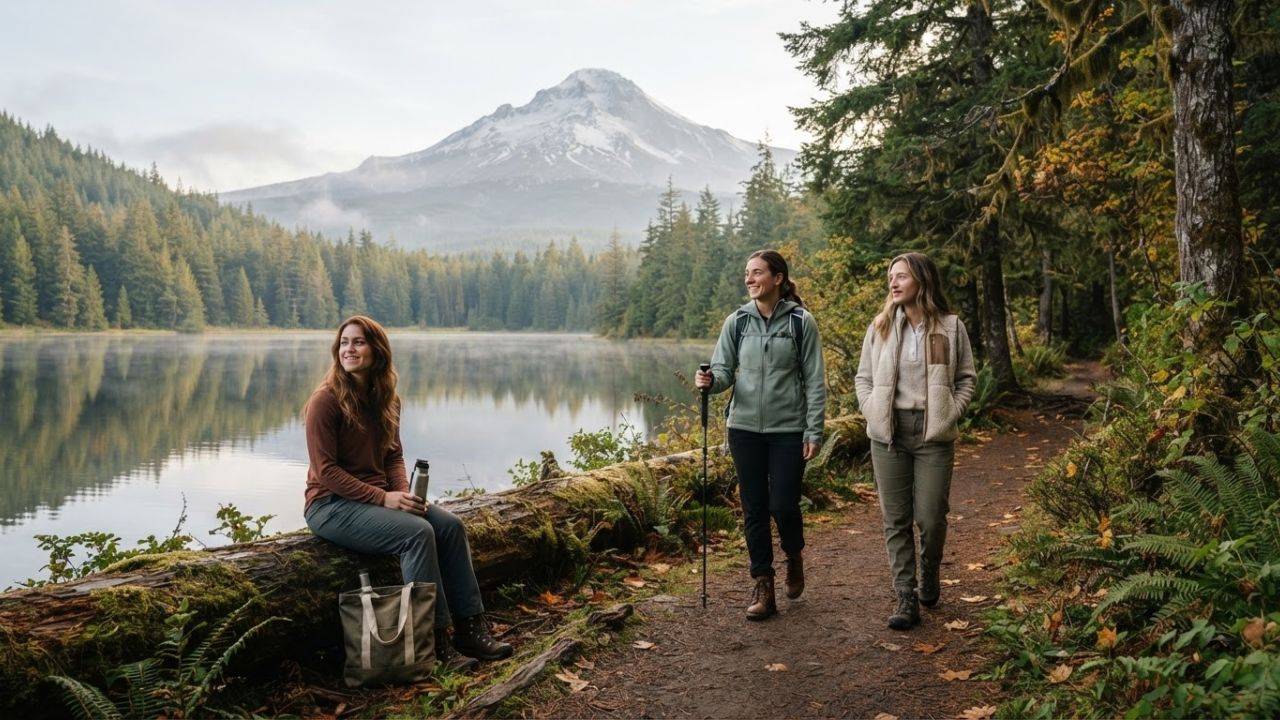
Oregon’s Lost Lake Loop in Mount Hood National Forest has been identified as the most tranquil outdoor retreat in the United States, logging 307 relaxation-related mentions in an extensive nationwide acoustic sentiment study of traveler reviews. Outranking iconic national park landmarks including Jordan Pond in Maine’s Acadia National Park (230 mentions) and Emerald Lake in Colorado’s Rocky Mountain National Park (200 mentions), the findings highlight an accelerating shift toward quiet wellness travel, forest immersion, and restorative autumn escapes.
Conducted through a large-scale semantic evaluation of thousands of visitor reviews tracking terms such as "peaceful," "quiet," "relaxing," and "relax," the research reveals how post-pandemic travel behaviors increasingly prioritize natural soundscapes over high-density sightseeing. By analyzing protected wildlands across 10 diverse states, the index provides nature enthusiasts with a definitive road map for unhurried, low-impact exploration as the autumn shoulder season unfolds.
The Local Trend Revealed: America’s Top 10 Acoustic Sanctuaries
The study maps a balanced geographic distribution across the Pacific Northwest, Northern Rockies, Great Lakes, coastal Maine, and Southern bottomlands:
- 1. Lost Lake Loop, Mount Hood National Forest, Oregon (307 mentions): Encircling the reflective waters of Lost Lake, the accessible 3.1-mile Lakeshore Trail winds through ancient western red cedar, Douglas fir, and mountain hemlock woodland, offering unhindered vistas of Mount Hood without motorized watercraft disturbances.
- 2. Jordan Pond, Acadia National Park, Maine (230 mentions): Formed by prehistoric glacial carving, this pristine water body is flanked by the twin granite domes of the Bubbles. Walkers along the Jordan Pond Path experience crystal-clear waters framed by northern hardwoods and coastal breezes.
- 3. Emerald Lake, Rocky Mountain National Park, Colorado (200 mentions): Ascending from the Bear Lake trailhead past Nymph Lake and Dream Lake, the trail culminates at an alpine basin cradled beneath the dramatic sheer face of Hallett Peak.
- 4. Hoh Rain Forest, Olympic National Park, Washington (149 mentions): Celebrated for housing one of the quietest acoustic soundscapes in North America, this temperate rainforest features hanging mosses, massive Sitka spruce, and deep moss carpets along the Hall of Mosses Trail.
- 5. Bear Lake, Rocky Mountain National Park, Colorado (134 mentions): Situated at 9,450 feet elevation, its gentle subalpine loop delivers immediate immersion in golden autumn aspen groves and mirrored granite reflections.
- 6. Sleeping Bear Dunes National Lakeshore, Michigan (118 mentions): Towering freshwater sand dunes rise 450 feet above Lake Michigan, combining quiet beach wilderness with quiet hardwood forests.
- 7. Congaree National Park, South Carolina (109 mentions): Protecting the largest contiguous tract of old-growth bottomland hardwood forest in the southeastern United States, accessible via elevated boardwalks and silent paddling routes down Cedar Creek.
- 8. Tuolumne Meadows Trails, Yosemite National Park, California (104 mentions): High-altitude granite domes and subalpine river valleys along the Tioga Road provide a serene escape from crowded valley floors.
- 9. Gooseberry Falls State Park, Minnesota (97 mentions): Located along the rocky North Shore of Lake Superior, dramatic multi-tiered river gorges mask manmade noise with rushing glacial cascades.
- 10. Trail of the Cedars, Glacier National Park, Montana (88 mentions): An accessible boardwalk threading through 500-year-old western red cedars alongside the turquoise glacial melt of Avalanche Creek.
| Rank | Destination | Location & Protected Area | Study Mentions | Defining Terrain & Environment |
|---|---|---|---|---|
| 1 | Lost Lake Loop | Mount Hood National Forest, OR | 307 mentions | 3.1-mile trail, Douglas firs, Mount Hood view |
| 2 | Jordan Pond | Acadia National Park, ME | 230 mentions | Glacial tarn, The Bubbles, carriage roads |
| 3 | Emerald Lake | Rocky Mountain National Park, CO | 200 mentions | Alpine cirque via Nymph & Dream Lakes |
| 4 | Hoh Rain Forest | Olympic National Park, WA | 149 mentions | Temperate rainforest, dense moss, acoustic quiet |
| 5 | Bear Lake | Rocky Mountain National Park, CO | 134 mentions | Subalpine lake loop, autumn aspens |
| 6 | Sleeping Bear Dunes | National Lakeshore, MI | 118 mentions | 450-foot coastal dunes, Lake Michigan vistas |
| 7 | Congaree Forest | Congaree National Park, SC | 109 mentions | Old-growth bottomland hardwoods, boardwalks |
| 8 | Tuolumne Meadows | Yosemite National Park, CA | 104 mentions | Subalpine meadows, high-elevation granite |
| 9 | Gooseberry Falls | State Park, North Shore, MN | 97 mentions | Lake Superior gorge, layered waterfalls |
| 10 | Trail of the Cedars | Glacier National Park, MT | 88 mentions | 500-year-old cedars, Avalanche Creek gorge |
Cultural & Environmental Value: Acoustic Ecology and Natural Soundscapes
The growing popularity of quiet retreats supports international conservation efforts to safeguard natural acoustic environments:
- Protecting Natural Soundscapes: The National Park Service Natural Sounds and Night Skies Division actively monitors decibel baselines in locations like the Hoh Rain Forest and Glacier National Park. Preserving natural soundscapes is vital for wildlife communication, mating rituals, and predatory alert systems among elk, owls, and black bears.
- Promoting Low-Impact Slow Travel: Slow travel emphasizes longer, contemplative stays that minimize carbon-heavy vehicle movement. Visitors who hike, paddle canoes, or sketch along lake perimeters generate negligible trail erosion while reducing park carbon footprints.
- Spreading Foot Traffic to Shoulder Seasons: Directing travelers toward tranquil autumn windows reduces overcrowding during peak July and August vacation periods, easing strain on parking capacity, campground waste systems, and ranger staff.
Visitor Insider Tips: Finding Solitude at America’s Most Peaceful Trails
- Master the Early Morning Window: High review sentiment for "peaceful" does not mean these spots remain empty midday. Arrive at Jordan Pond or Bear Lake before 07:30 a.m. or after 17:00. In Rocky Mountain National Park, remember that Bear Lake Road requires a timed-entry reservation permit between late May and late October.
- Practice Acoustic Trail Etiquette: Mute electronic notifications and avoid using external Bluetooth speakers on trails. Keep talking voices low and step aside quietly on boardwalks to allow wildlife watchers and photographers unobstructed views.
- Savor Distinctive Local Produce Along the Route:
- In Oregon’s Hood River Valley near Lost Lake, stop at farm stands for freshly harvested Honeycrisp apples, fresh-pressed cider, and warm marionberry pastries.
- In Maine, pair your walk with traditional afternoon tea and warm, oven-fresh popovers served with strawberry jam at the historic Jordan Pond House.
- In Estes Park near Rocky Mountain National Park, warm up with hearty local bison chili and Palisade peach cobbler.
- Paddle for Deeper Seclusion: Rent a non-motorized canoe or kayak at Lost Lake or Congaree's Cedar Creek. Drifting silently away from shoreline launch points offers immediate solitude and unmatched birdwatching for bald eagles, ospreys, and river otters.
Tourism Outlook for America's Quiet Destinations
As urban congestion and screen fatigue intensify, destinations that intentionally preserve their natural peace, clean air, and acoustic clarity will command increasing loyalty from mindful travelers. By integrating quiet-zone stewardship with sustainable trail maintenance, America’s premier parks and national forests demonstrate that natural silence is one of the most valuable resources in modern tourism.
Related Travel Guides
Disclaimer
This article is for informational and educational purposes only. It does not constitute legal, financial, or professional advice. While we strive to provide accurate and up-to-date information, travel policies, regulations, and conditions change rapidly. Always verify information with official sources before making travel decisions. Nomad Lawyer makes no representations about the accuracy, reliability, completeness, or suitability of the information provided. Readers should consult qualified professionals for advice specific to their circumstances. The views expressed in this article are those of the author and do not necessarily reflect the views of Nomad Lawyer.
Raushan Kumar
Founder & Lead Developer
Full-stack developer with 11+ years of experience and a passionate traveller. Raushan built Nomad Lawyer from the ground up with a vision to create the best travel and law experience on the web.
Learn more about our team →