
American Eagle Bombardier CRJ700 Diverts to Philadelphia After Nose Gear Malfunction
American Eagle Bombardier CRJ700 Flight 5422 diverted to Philadelphia International Airport on April 2, 2026, after experiencing nose gear steering issues minutes after departing Washington D.C. bound for Maine. All passengers safely disembarked.

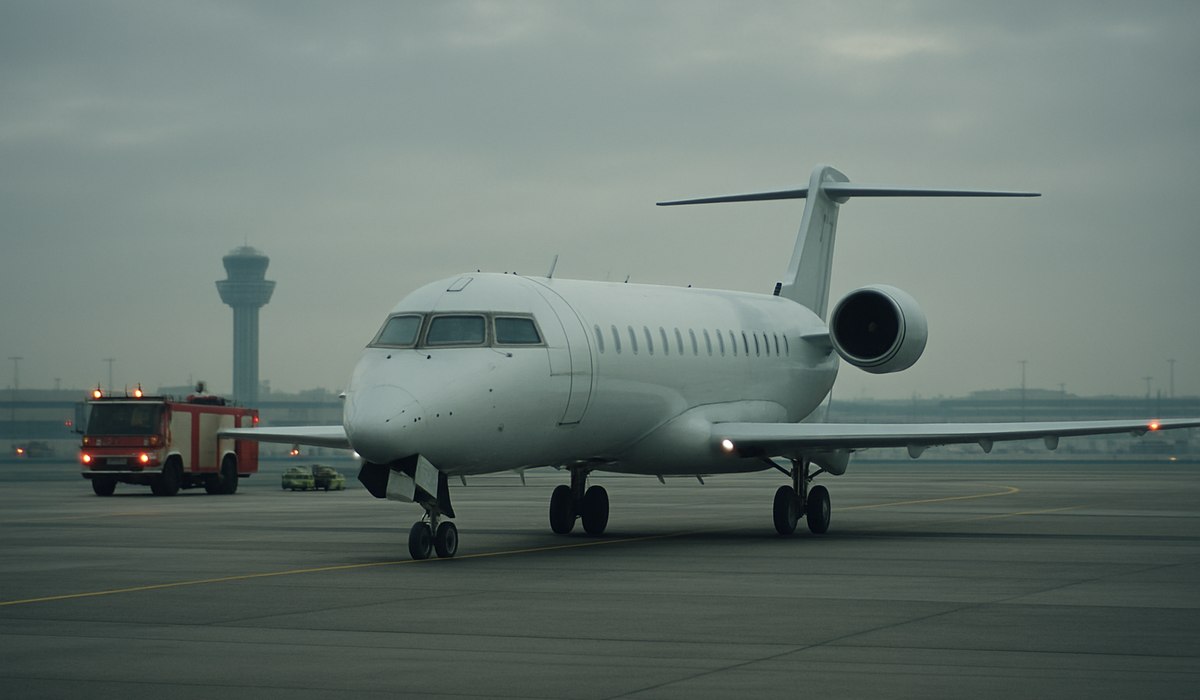
Image generated by AI
American Eagle Flight 5422 Diverts to Philadelphia After Nose Gear Steering Issue
American Eagle Flight 5422, operated by a Bombardier CRJ700 regional aircraft, diverted to Philadelphia International Airport (PHL) on April 2, 2026, after the flight crew reported nose gear steering problems shortly after departure. The flight had originated from Ronald Reagan Washington National Airport (DCA) en route to Portland International Jetport (PWM) in Maine when the mechanical issue prompted pilots to declare an emergency and redirect to the nearest suitable airport. All 76 passengers and crew members aboard the regional service safely disembarked without reported injuries following the emergency landing at Philadelphia.
What Happened During the Flight
American Eagle flight 5422 departed Washington D.C. during morning operations on a scheduled service to Portland, Maine. Within minutes of takeoff, the flight crew detected steering malfunction indicators related to the aircraft's nose gear system. The nose gear steering mechanism is critical for directional control during taxiing and ground operations, though primary flight control systems remained fully operational.
Upon recognizing the mechanical issue, the flight crew immediately initiated standard emergency procedures and notified Air Traffic Control. Pilots declared an emergency landing requirement and requested diversion to Philadelphia International Airport, the nearest major airport capable of handling the regional jet. The Bombardier CRJ700, a twin-engine aircraft commonly operated by American Eagle on regional routes throughout the eastern United States, successfully completed the emergency descent and landing at PHL without further incident.
Ground crews at Philadelphia International Airport prepared for the emergency arrival. The aircraft landed safely, and all occupants deplaned normally at the gate. Emergency services stood by as a precaution, though their intervention proved unnecessary. Maintenance technicians subsequently inspected the nose gear steering system to identify the root cause of the malfunction.
Emergency Response and Diversion Procedure
Philadelphia International Airport, located approximately 140 miles northeast of Washington D.C., served as the ideal diversion point for this emergency. The airport's modern facilities and experienced ground personnel ensured a smooth emergency response. Air Traffic Control coordinated the diversion with minimal delay, and the airport's runway infrastructure accommodated the regional jet without operational complications.
American Eagle's flight crew demonstrated proper emergency response protocols throughout the incident. The nose gear steering issue, while requiring immediate attention and diversion, did not compromise the aircraft's primary flight control systems or safety margins. The crew's early detection and decisive action prevented any potential complications that might have arisen from continued flight to the original destination.
The Federal Aviation Administration (FAA) was notified of the emergency landing and mechanical issue. Investigators may examine the nose gear steering system to determine whether a component failure, sensor malfunction, or other mechanical factor caused the steering indication. Such investigations are standard procedure following any emergency landing involving aircraft system anomalies. You can track FAA investigations and safety directives through the official FAA website.
Bombardier CRJ700 Safety Record
The Bombardier CRJ700 maintains a solid safety record across commercial aviation operations. This regional jet has been in service since 2001 and is widely operated by major U.S. carriers, including American Eagle, Delta Connection, and United Express. Over 1,300 CRJ700 aircraft have been delivered globally, making it one of the most successful regional jet platforms in aviation history.
Nose gear steering issues, while uncommon, occasionally arise on aging aircraft due to component wear or hydraulic system variations. The CRJ700's design includes redundant systems and safety features specifically engineered to handle such mechanical anomalies. Modern nose gear assemblies incorporate fail-safe mechanisms that allow pilots to land safely even when steering functionality is compromised.
Regional aircraft like the Bombardier CRJ700 operate under rigorous maintenance schedules and inspections. American Eagle, as the operating carrier, maintains strict adherence to all manufacturer recommendations and FAA requirements. This April 2, 2026 incident exemplifies the aircraft's ability to handle unexpected mechanical issues while maintaining passenger safety—the aviation industry's paramount concern. Learn more about aircraft maintenance requirements at FlightAware.
Impact on Passengers and Operations
The 76 passengers scheduled for Portland, Maine faced disruption to their travel plans following the diversion to Philadelphia. American Eagle arranged rebooking options for affected travelers, including available flights to Portland later that day or the following morning, depending on passenger preferences. Some passengers may have qualified for meal vouchers, hotel accommodations, or ground transportation as per airline policy.
The emergency diversion to Philadelphia created minor operational ripple effects for American Eagle's schedule at Washington D.C. and Portland. Typically, airlines absorb such diversions into their network operations with minimal cascading delays. The aircraft remained at Philadelphia for inspection and maintenance following the incident, potentially affecting subsequent rotations scheduled for that regional jet.
Passengers traveling on regional carriers should understand their rights during emergency diversions and mechanical delays. The U.S. Department of Transportation provides comprehensive consumer protection guidelines through its Air Consumer Protection Division. Affected passengers can file claims for compensation or reimbursement of expenses through the U.S. DOT website.
| Incident Details | Information |
|---|---|
| Flight Number | American Eagle Flight 5422 |
| Aircraft Type | Bombardier CRJ700 (Twin-engine regional jet) |
| Departure Airport | Ronald Reagan Washington National Airport (DCA) |
| Intended Destination | Portland International Jetport (PWM), Maine |
| Diversion Airport | Philadelphia International Airport (PHL) |
| Passengers Aboard | 76 (including flight crew) |
| Mechanical Issue | Nose gear steering malfunction |
| Date of Incident | April 2, 2026 |
| Injuries Reported | None |
| Status | All passengers safely deplaned; aircraft grounded for maintenance |
What This Means for Travelers
This incident underscores several important considerations for passengers traveling on regional carriers:
-
Mechanical issues can occur suddenly—remaining calm and following crew instructions ensures your safety during emergency situations. Flight crews receive extensive training for various mechanical scenarios.
-
Regional airports like Philadelphia provide excellent emergency landing facilities—modern airport infrastructure supports safe emergency procedures regardless of aircraft type or severity of mechanical issues.
-
Know your passenger rights—American Eagle and all U.S. carriers must provide meals, ground transportation, and potential rebooking at no cost for diversions or cancellations caused by mechanical issues. Document all expenses for reimbursement claims.
-
Flight delay insurance can provide additional protection—some travel insurance policies cover hotel accommodations, meals, and ground transportation during unexpected diversions or extended delays.
-
Monitor your airline's communication channels—sign up for flight alerts through the airline's app or website, enabling you to receive real-time notifications about schedule changes or mechanical issues.
-
Verify aircraft maintenance history—while not publicized, you can inquire about aircraft type before booking. Established regional jets like the Bombardier CRJ700 operate under stringent maintenance protocols.
Frequently Asked Questions
Q: What causes nose gear steering issues on aircraft like the Bombardier CRJ700?
Nose gear steering malfunction typically results from hydraulic system anomalies, actuator component failures, or sensor errors. Regular maintenance and pre-flight inspections help identify potential issues before they impact flight safety. Pilots can land safely using alternative steering methods if steering systems experience problems.
Q: Are Bombardier CRJ700 aircraft safe despite this mechanical issue?
Absolutely. The CRJ700 maintains an excellent safety record across over 1,300 aircraft in global service.
Disclaimer
This article is for informational and educational purposes only. It does not constitute legal, financial, or professional advice. While we strive to provide accurate and up-to-date information, travel policies, regulations, and conditions change rapidly. Always verify information with official sources before making travel decisions. Nomad Lawyer makes no representations about the accuracy, reliability, completeness, or suitability of the information provided. Readers should consult qualified professionals for advice specific to their circumstances. The views expressed in this article are those of the author and do not necessarily reflect the views of Nomad Lawyer.
Preeti Gunjan
Contributor & Community Manager
A passionate traveller and community builder. Preeti helps grow the Nomad Lawyer community, fostering engagement and bringing the reader experience to life.
Learn more about our team →