
Breaking Airline News: American Airlines Executes Massive Widebody Fleet Expansion to Shield Long-Haul Routes from Travel Chaos
Breaking airline news: Amidst a terrifying era of severe regional hub congestion and aging aircraft failures, American Airlines aggressively launches a massive widebody fleet expansion to shield international travelers from debilitating travel chaos.

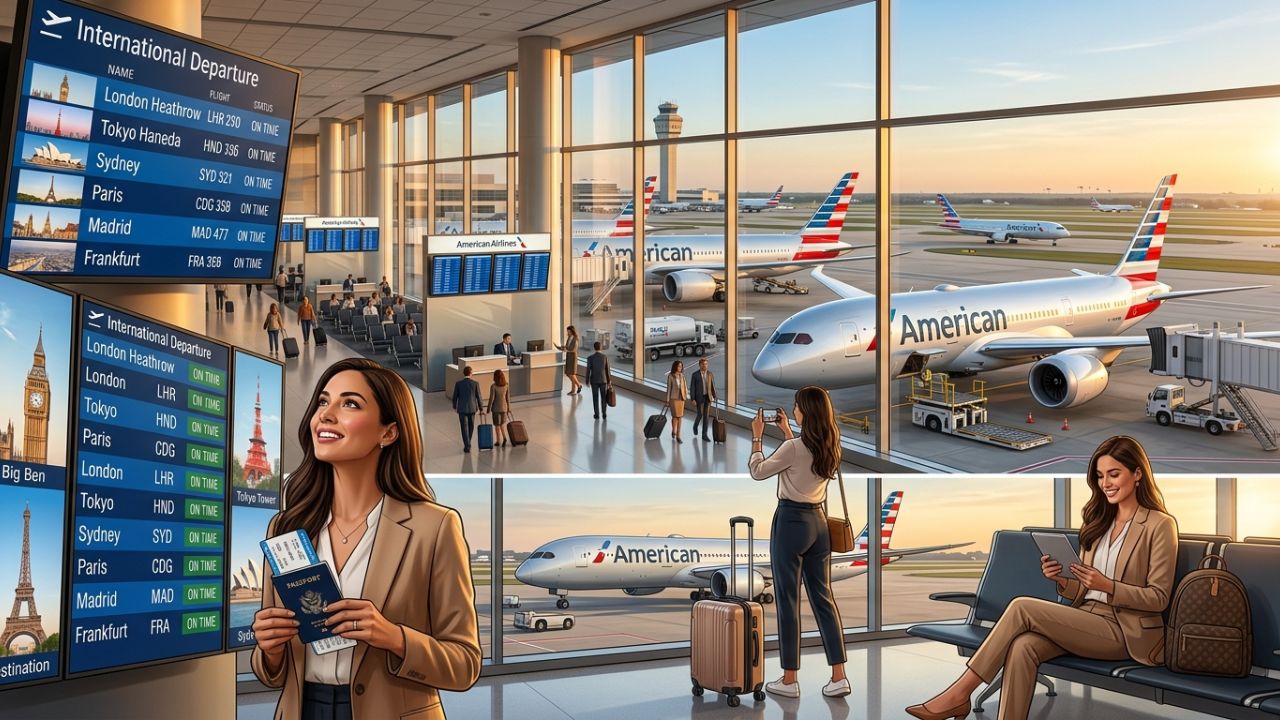
Image representing the intense strategic battle as global aviation authorities desperately deploy massive fleet modernization initiatives to combat severe transit friction and bypass paralyzing flight cancellations caused by aging aircraft.
Breaking Airline News: American Airlines Executes Massive Widebody Fleet Expansion to Shield Long-Haul Routes from Travel Chaos
As paralyzing terminal congestion, terrifying connection delays, and severely aging aircraft violently threaten to completely choke highly complex global itineraries, United States aviation planners have executed a brilliant high-stakes infrastructural maneuver. In a desperate bid to physically and psychologically rescue intercontinental travelers from the terrifying threat of extreme travel chaos triggered by mechanical flight cancellations, American Airlines has aggressively launched a massive widebody fleet expansion strategy. Officially confirming a highly aggressive request for proposal (RFP) targeting both Airbus and Boeing, CEO Robert Isom is violently injecting massive modernization directly into the carrier's long-haul network. By systematically moving to replace aging aircraft before they trigger severe logistical nightmares, this massive deployment allows furious corporate travelers and vacationing families to completely bypass the threat of terminal strandings. This operational paradigm shift is transforming modern long-haul logistics, proving that actively out-scaling passenger demand with brand-new, highly reliable widebody jets is the absolute ultimate defense against the agonizing misery historically defining major airport disruptions.
In a harrowing display of modern aviation vulnerability, the sheer logistical nightmare of attempting to navigate essential corridors between the United States and global hubs during peak travel seasons has historically forced passengers into terrifying transit scenarios. For decades, enduring a multi-carrier intercontinental jump meant risking it all on aging metal—staring at departure boards in Dallas with intense anxiety as rolling mechanical delays virtually guaranteed a catastrophic flight cancellation. However, American Airlines is aggressively fighting back against this structural paralysis. Recognizing that forcing millions of passengers onto older airframes creates a massive, highly stressed captive audience, the airline is introducing a highly resilient, modernized alternative. Focusing heavily on critical international markets including the United Kingdom, Japan, and Australia, the carrier is offering travelers the absolute freedom to physically shield themselves from the devastating effects of paralyzed transport networks, ensuring that navigating from Dallas Fort Worth to Tokyo or London is protected by a highly reliable operational umbrella.
Expanded Overview: The Massive Scale of the Transit Shield
The terrifying crisis of overwhelming passenger stress currently gripping complex global itineraries brutally exposes the severe limitations of flying aging fleets without a replacement strategy. Recognizing that aggressively forcing travelers to endure rolling mechanical delays leads directly to severe psychological friction, American Airlines has fundamentally rewritten its procurement rules. The sheer scale of this strategic realignment is immense. During the pandemic, the airline violently retired approximately 40 percent of its long-haul fleet, leaving it dangerously reliant on partner airlines and seasonal flying. By aggressively targeting key partner hubs such as London Heathrow, Tokyo Haneda, and Sydney from its massive domestic anchor at Dallas Fort Worth, the new widebody capacity acts as a massive pressure release valve. This strategic expansion violently pivots the airline away from the low-cost carrier models of Frontier Airlines and Spirit Airlines, firmly establishing a premium global brand specifically designed to shield elite passengers from system-wide meltdowns.
Section-Wise Breakdown: The Operational Realignment
Breaking the Long-Haul Gridlock: The Widebody RFP
To survive the terrifying surge in global travel demand without triggering immediate terminal meltdowns, American Airlines has anchored its defense through a massive procurement strategy. CEO Robert Isom officially confirmed the active RFP with both Airbus and Boeing. Currently holding 19 widebody aircraft on firm order, with aggressive options for an additional 28 units, the airline is targeting Airbus A330-900s and Boeing 787-10s. This deliberate strategy establishes a clear timeline to violently phase out its aging Boeing 777 fleet during the 2030s. Considering the airline last placed widebody orders eight years ago with the Boeing 787 (and fully retired its Airbus A330s), this massive replenishment is incredibly urgent to prevent massive travel chaos on international corridors.
Shattering the Narrowbody Bottlenecks
Looking beyond the immediate long-haul routing, the program executes a massive logistical defense strategy across the domestic grid. The network planning team, led by Brian Znotins, previously finalized a massive narrowbody defense shield two years prior. Securing a comprehensive order for 260 narrowbody aircraft—including 85 Airbus A321neos, 85 Boeing 737 MAX 10s, and 90 Embraer E175 regional jets (with options for 193 more)—the airline completely insulated its domestic frequencies. However, practical operational limitations remain: the airline's Airbus A321XLR order was forcefully reduced from 50 to 40 units due to severe range limitations, emphasizing the critical necessity of true widebody aircraft to execute transatlantic and transpacific routing.
Securing United States Travel Corridors
This massive infrastructural shift extends deep into the airline's long-term operational survival strategy. By actively engaging both Airbus and Boeing simultaneously, American Airlines violently mitigates delivery risks and supply chain bottlenecks. This dual-pronged strategy ensures that the airline will physically possess the massive widebody capacity required to dominate the skies, ensuring continuity of service and completely eradicating the threat of widespread mechanical flight cancellations on highly lucrative routes to Europe, Asia, and Australia.
American Airlines Strategic Fleet Matrix
To fully comprehend the massive logistical and strategic fallout of this new network integration, corporate travel managers and affected tourists must review the exact operational metrics defining the American Airlines expansion. The following matrix provides a granular breakdown of the specific, officially verified strategic procurement data driving this massive disruption mitigation effort.
| Strategic Fleet Execution | Verified Procurement Data |
|---|---|
| Airline Executive Leadership | CEO Robert Isom / Network Planning: Brian Znotins |
| Active Widebody RFP Targets | Airbus (A330-900 considered) & Boeing (787-10 considered) |
| Current Firm Widebody Orders | 19 Aircraft (With Options for 28 Additional Units) |
| Targeted Retirement Phase | Boeing 777s to be Phased Out During 2030s |
| Airbus A321XLR Adjustment | Order Reduced from 50 to 40 Units (Range Limitations) |
| Completed Narrowbody Orders | 260 Units (85 A321neos, 85 737 MAX 10s, 90 Embraer E175s) |
| Key International Hub Targets | London Heathrow, Tokyo Haneda, Sydney |
Passenger Impact: Surviving the Intercontinental Jump
For the millions of global tourists attempting to navigate the rapidly expanding international transit corridors, this massive fleet deployment represents a highly anticipated lifeline against severe operational delays. The brutal reality of enduring a terrifyingly sudden cancellation due to an aging aircraft's mechanical failure inflicts intense psychological stress—leaving the passenger entirely responsible for securing a rebooking. By aggressively investing in these next-generation widebody jets, American Airlines drastically reduces passenger exposure to these terrifying, high-stress environments.
Survival Guide for Transit Travelers
Travelers desperately preparing to navigate the modernized global network must immediately execute the following survival protocols:
- Leverage Modernized Metal: Passengers booking long-haul flights from Dallas Fort Worth to Tokyo Haneda or London Heathrow must aggressively check the aircraft type. As the new widebodies enter service, actively selecting these flights violently shields your itinerary from the mechanical delays associated with the aging Boeing 777 fleet.
- Exploit Direct Hub Routing: Utilize American Airlines' direct international flying strategy rather than relying on fractured, multi-carrier bookings. A direct widebody flight heavily protects travelers against lost baggage during complex international airport disruptions.
- Acknowledge Premium Expansion: Business travelers must actively secure premium cabin seats on these incoming widebody aircraft, leveraging the enhanced reliability to violently bypass the terminal congestion and stress associated with sudden cancellations.
Industry Analysis: The Economics of Tactical Fleet Surges
From a strategic aviation perspective, the travel turmoil currently threatening global hubs highlights the terrifying vulnerability of airlines operating obsolete, aging airframes. Industry observers confirm this widebody RFP is a highly aggressive, tactical response to rising transatlantic and transpacific demand. By systematically replacing older jets before they trigger massive operational meltdowns, American Airlines avoids the severe financial penalties associated with rolling flight cancellations and stranded passengers. This proactive modernization strategy expands global connectivity while ensuring the carrier can maintain operational reliability even when the broader aviation grid faces extreme congestion and supply chain disruptions.
Conclusion: A Strategic Retreat to Ensure Aviation Survival
As the extremely critical travel seasons accelerate, the massive deployment of American Airlines’ widebody fleet strategy represents a massive warning to legacy carriers attempting to force passengers to rely on outdated, breaking-down aircraft. The aggressive maneuvering proves that capturing market dominance requires terrifyingly swift and highly optimized procurement strategies, connecting passengers directly to their final destinations while shielding them from the brutal reality of mechanical unreliability. For the modern wandering family booking their tickets, utilizing this incoming unified widebody routing offers an incredibly secure, highly insulated way to execute international vacations. By acting aggressively to leverage this modernized fleet, travelers can successfully survive the intense travel surges and completely avoid the paralyzing threat of aircraft-induced travel chaos.
Key Takeaways
- Massive Tactical Bypass: American Airlines has aggressively launched a widebody RFP with Airbus and Boeing to protect passengers from the travel chaos of aging aircraft mechanical failures.
- Crushing the Fleet Friction: The airline currently holds 19 firm widebody orders with options for 28 more, explicitly targeting the total phase-out of the aging Boeing 777 fleet during the 2030s.
- Strategic Hub Defense: The new aircraft will forcefully inject massive capacity into key international markets, directly linking Dallas Fort Worth with London Heathrow, Tokyo Haneda, and Sydney.
- Massive Narrowbody Shield: This move follows the successful completion of a 260-aircraft narrowbody order (including A321neos, 737 MAX 10s, and Embraer E175s), alongside an adjustment of A321XLRs from 50 to 40 units.
- Traveler Advisory: Passengers must aggressively target flights operated by these highly reliable, modernized widebody jets to shield themselves from grueling financial penalties caused by sudden mechanical cancellations.
Related Travel Guides
Disclaimer
This article is for informational and educational purposes only. It does not constitute legal, financial, or professional advice. While we strive to provide accurate and up-to-date information, travel policies, regulations, and conditions change rapidly. Always verify information with official sources before making travel decisions. Nomad Lawyer makes no representations about the accuracy, reliability, completeness, or suitability of the information provided. Readers should consult qualified professionals for advice specific to their circumstances. The views expressed in this article are those of the author and do not necessarily reflect the views of Nomad Lawyer.
Kunal K Choudhary
Co-Founder & Contributor
A passionate traveller and tech enthusiast. Kunal contributes to the vision and growth of Nomad Lawyer, bringing fresh perspectives and driving the community forward.
Learn more about our team →