
Breaking Airline News: Severe Travel Chaos Looms as American Airlines Violently Pauses 6 Major Domestic Routes Amidst Global Jet Fuel Crisis
Breaking airline news: Terrifying travel chaos strikes the US domestic market as American Airlines aggressively suspends six major routes due to a catastrophic surge in jet fuel costs.

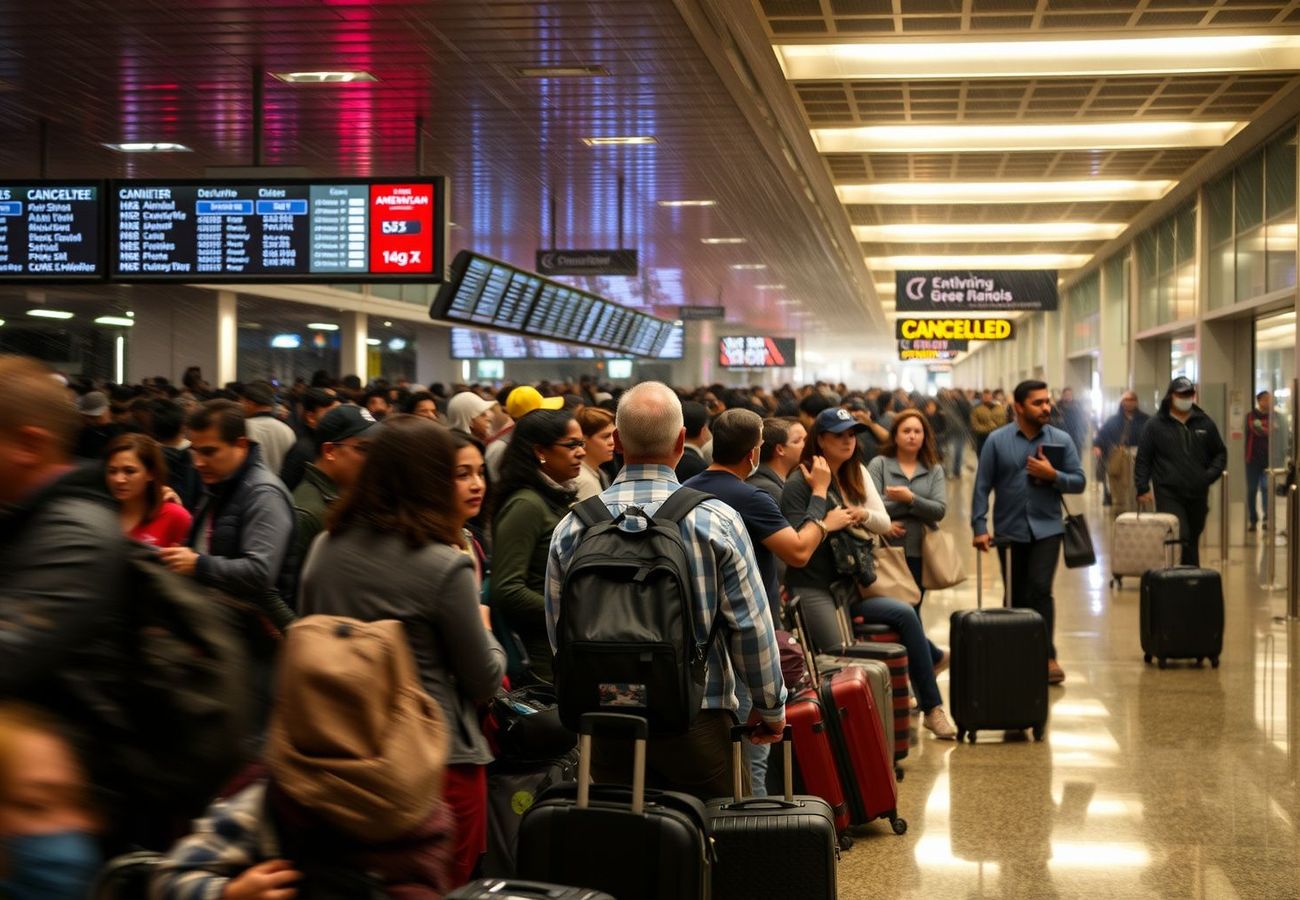
Image representing the severe flight disruptions and route suspensions impacting American Airlines.
Breaking Airline News: Severe Travel Chaos Looms as American Airlines Violently Pauses 6 Major Domestic Routes Amidst Global Jet Fuel Crisis
A sudden, catastrophic surge in international aviation fuel costs has aggressively plunged the United States travel sector into severe logistical panic, forcefully triggering American Airlines to completely abandon six vital domestic routes.
In a highly terrifying and completely unexpected display of industrial vulnerability, massive financial disruptions have violently swept across the United States aviation sector, actively plunging innocent passengers into a severe wave of impending travel chaos. Delivering highly urgent, breaking airline news, official corporate mandates actively confirmed that a catastrophic, uncontrollable spike in global jet fuel prices has aggressively forced American Airlines into sudden, terrifying schedule adjustments. The incredibly busy domestic airspace will suffer the complete suspension of six highly utilized passenger routes during the absolute peak of the August and September 2026 travel season. This devastating logistical breakdown has generated incredibly significant challenges for the massive legacy carrier, forcing them to violently execute temporary flight cancellations that will absolutely shatter late-summer travel itineraries. Innocent passengers relying on crucial connections through major hubs in Los Angeles and Charlotte are violently facing terrifying regional gridlock and completely ruined holiday plans.
Expanded Overview: The Massive Scale of the Aviation Fuel Meltdown
The highly publicized execution of these mass route suspensions serves as an absolutely undeniable example of how rapidly domestic commercial transit can completely collapse under severe, external economic strain. The American aviation network operates as the absolute core engine of national corporate mobility. However, the sudden, violent surge in energy expenses—tied directly to massive global crude oil disruptions and severe geopolitical tensions involving Iran—aggressively focused its devastation directly onto the operational budgets of massive legacy carriers.
While these 6 outright route pauses are officially labeled as temporary, they mathematically guarantee a massive volume of airport disruptions and completely shattered outbound schedules. Travelers frantically navigating the sprawling terminals of Charlotte and Los Angeles now face incredibly stressful rebooking procedures, ruined itineraries, and absolute uncertainty as the deadly combination of skyrocketing fuel costs and rigid profitability models forcefully dictates this aviation disaster. Passengers connecting through these incredibly vital domestic pipelines are violently facing devastating logistical dead-ends, permanently impacting summer leisure and corporate travel.
Section-Wise Breakdown of the Terrifying Route Suspensions
Los Angeles International Airport (LAX): The Transcontinental Collapse
Situated precisely at the massive crossroads of West Coast travel, American Airlines' operations out of Los Angeles violently buckled under the immense fuel pressure. Because highly extended transcontinental routes burn incredibly massive volumes of increasingly expensive fuel, the airline forcefully targeted these sectors for immediate suspension. Operations linking LAX to critical Midwest and East Coast destinations were violently severed. The highly vital pipelines connecting Los Angeles directly to Cleveland, Columbus, Pittsburgh, and Washington Dulles were completely abandoned for the late summer, ensuring massive, terrifying travel chaos for transcontinental commuters.
Charlotte Douglas International Airport (CLT): The Regional Network Severance
The logistical pressure severely compromised massive domestic networks operating out of the Southeast as well. Charlotte serves as one of the airline's absolute largest connecting strongholds. However, the terrifying fuel crisis actively spilled over, forcing American Airlines to violently sever incredibly crucial cross-country links. Flights actively bridging the massive geographical gap between Charlotte and Ontario (California), as well as Charlotte to Sacramento, were completely suspended. This violent network severance guarantees that thousands of passengers will be forced into agonizing, multi-stop alternative routings.
Verified Flight Details: The Route Suspension Matrix
To completely comprehend the incredible scale of this violent national aviation crisis, the following data table accurately reflects the exact domestic routes aggressively suspended by American Airlines for the late summer of 2026:
- Los Angeles (LAX) to Cleveland (CLE)
- Los Angeles (LAX) to Columbus (CMH)
- Los Angeles (LAX) to Pittsburgh (PIT)
- Los Angeles (LAX) to Washington Dulles (IAD)
- Charlotte (CLT) to Ontario (ONT)
- Charlotte (CLT) to Sacramento (SMF)
(American Airlines says affected travelers will be offered alternative flights or full refunds to minimize the terrifying terminal friction resulting from these deliberate cancellations.)
Industry Analysis: What Triggered the Aviation Fuel Meltdown?
While official sources prioritize profitability and network efficiency above all else, industry experts point to a terrifying matrix of highly complex, intersecting global factors. Severe route collapses of this specific magnitude are frequently linked directly to the catastrophic rise in jet fuel prices. Fuel often represents the absolute second-largest expense for major carriers. The table below flawlessly summarizes the exact average US jet fuel prices over key time periods in 2025 and 2026, officially proving the terrifying financial strain destroying the industry:
| Period | Average Price ($ per Gallon) | Change (%) vs Previous |
|---|---|---|
| Q4 2025 | 2.60 | Base |
| Q1 2026 | 2.85 | +9.6% |
| Q2 2026 | 3.10 | +8.8% |
| Peak Summer 2026 Projection | 3.40 | +9.7% |
This deadly cocktail of skyrocketing operating budgets and unstable global markets violently forced American Airlines to prioritize aggressive network pruning over highly unprofitable schedule reliability, plunging the domestic grid into complete travel chaos.
Passenger Impact: Surviving the Terrifying Terminal Friction
For the desperate domestic commuter actively navigating this incredibly hostile environment, the severe passenger impact of this massive logistical failure is absolutely devastating. The 6 suspended routes mathematically guarantee profoundly shattered itineraries, violently forcing innocent tourists and highly crucial corporate travelers into agonizingly long layovers through alternative hubs. Passengers on affected flights were violently required to seek alternative travel arrangements, forcefully scrambling to secure highly scarce seats on surviving routes. This terrifying scenario inevitably forces severe financial hemorrhaging upon passengers who are forced to adjust massive, pre-booked summer vacations, absorbing the extreme psychological stress of sudden itinerary disintegration.
Conclusion: A Highly Disruptive Industrial Evolution
The massive, highly publicized American Airlines route suspension actively acts as an absolutely terrifying wake-up call regarding the incredible physical and economic fragility of the United States commercial aviation sector. The massive route pauses violently expose the extreme vulnerability of peak domestic operations to volatile global energy markets. To aggressively protect vital national connectivity and safeguard consumer confidence, the entire aviation industry must fiercely stabilize its economic forecasting; otherwise, travelers must brace for a terrifying future dominated by continuous route cancellations and permanent travel chaos.
What Guests Get: Immediate Passenger Ramifications
- Massive Carrier Suspensions: American Airlines violently severed 6 complete domestic routes, completely shattering transcontinental connectivity for August and September.
- LAX Network Collapse: Vital flights connecting Los Angeles directly to Cleveland, Columbus, Pittsburgh, and Dulles were completely abandoned.
- Charlotte Route Severance: Massive cross-country flights from Charlotte to Ontario and Sacramento suffered terrifying cancellations.
- Extensive Logistical Strain: Stranded tourists and massive corporate groups face exorbitant, unexpected travel time as they are violently forced onto agonizing, multi-stop connecting flights.
What This Means for Travelers: Navigating the Travel Chaos
If you are actively scheduled to travel on American Airlines during this highly volatile summer season, you must incredibly urgently prepare for severe operational disaster. Passengers are strongly advised to aggressively monitor their flight status digitally via official airline applications continuously, bypassing physical check-in assumptions completely. If your route has been completely suspended, aggressively demand immediate rebooking on partner airlines or claim a mandatory full refund. Flexibility and extremely proactive travel management are absolutely essential to survive the terrifying ripple effects of this severe global fuel crisis.
FAQ: American Airlines Route Suspensions 2026
Why did American Airlines suddenly suspend six domestic flights? The severe travel chaos was violently fueled by a terrifying, abrupt surge in global jet fuel prices, which completely destroyed the profitability models for these specific routes.
Which major hubs are most affected by these flight cancellations? Los Angeles International Airport (LAX) violently lost four routes, while Charlotte Douglas International Airport (CLT) suffered the aggressive suspension of two cross-country flights.
How much has the cost of jet fuel increased in 2026? The terrifying financial strain is undeniably highlighted by a massive 9.7% projected increase for Peak Summer 2026, driving the price up to a catastrophic $3.40 per gallon.
Related Travel Guides
- Orlando, Miami, Tampa, Jacksonville, and Naples Lead Major Shift to Heat-Smart Summer Travel to Prevent Flight Cancellations and Travel Chaos Across Florida Gateways: New Airline News and Aviation Updates
- Air India Suspends Ultra-Long-Haul US Routes Amid Middle East Airspace Disruptions and Rising Operating Costs
- Pilots Face Split-Second Life-or-Death Decision at V1: The Two-Second Window That Separates Safe Aborts From Runway Disasters
Disclaimer
This article is for informational and educational purposes only. It does not constitute legal, financial, or professional advice. While we strive to provide accurate and up-to-date information, travel policies, regulations, and conditions change rapidly. Always verify information with official sources before making travel decisions. Nomad Lawyer makes no representations about the accuracy, reliability, completeness, or suitability of the information provided. Readers should consult qualified professionals for advice specific to their circumstances. The views expressed in this article are those of the author and do not necessarily reflect the views of Nomad Lawyer.
Kunal K Choudhary
Co-Founder & Contributor
A passionate traveller and tech enthusiast. Kunal contributes to the vision and growth of Nomad Lawyer, bringing fresh perspectives and driving the community forward.
Learn more about our team →