
American Airlines Expands Miles for Heroes Program Allowing AAdvantage Members to Donate Miles to Veterans in 2026
American Airlines is enhancing its Miles for Heroes initiative, enabling AAdvantage members to donate unused frequent flyer miles to support U.S. veterans, active-duty military personnel, and their families.

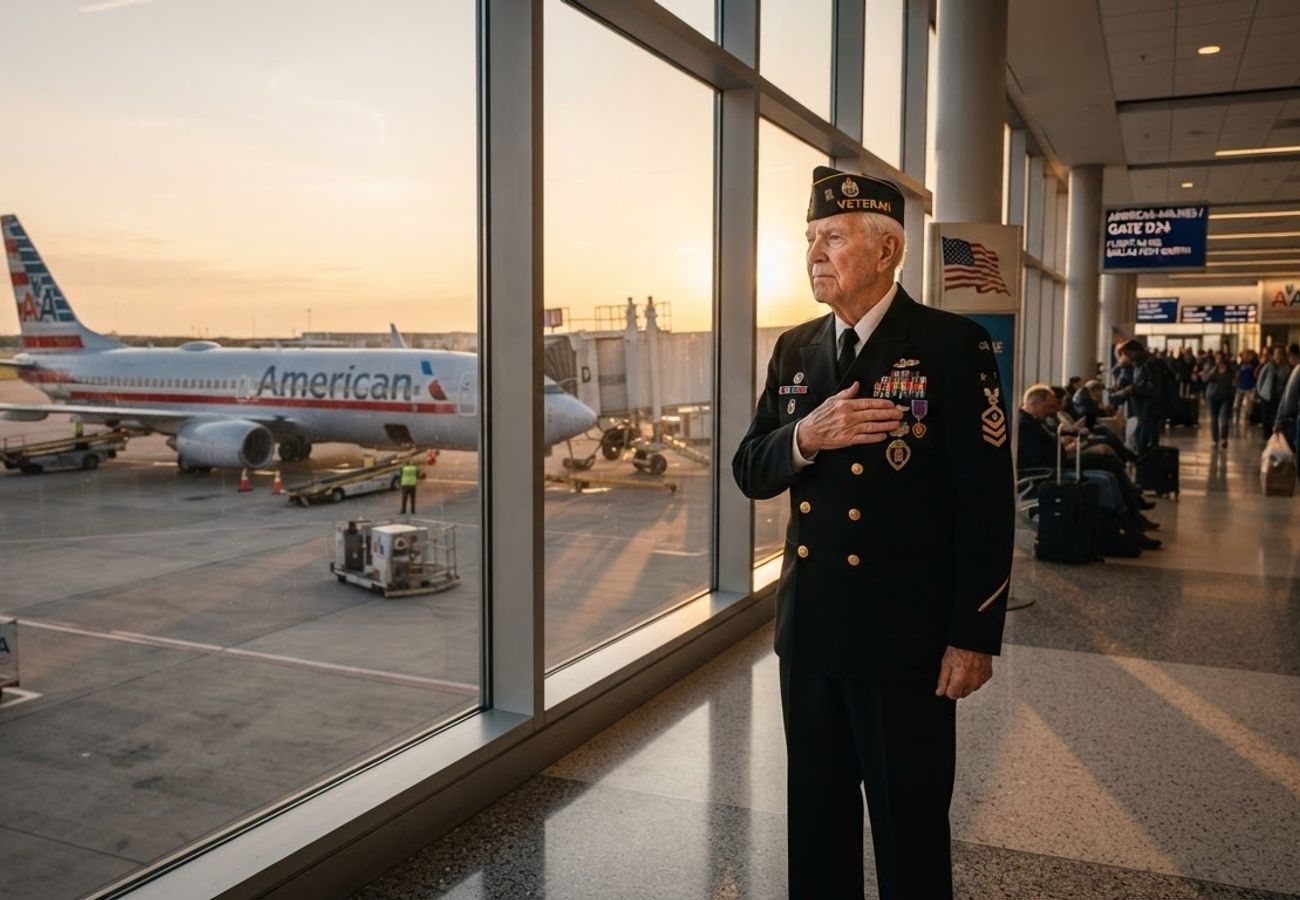
Image generated by AI
AAdvantage members can now convert unused frequent flyer miles into critical travel resources for U.S. veterans and active-duty military families through the expanded Miles for Heroes program. This initiative allows travelers to redirect their loyalty currency toward nonprofits that provide essential transport for mental health treatment, commemorative trips, and family reunification.
The program operates as a core component of the airline's "Let Good Take Flight" platform. This broader philanthropic framework categorizes mileage donations into specific pillars, including global health, environmental sustainability, and social good, with the "Heroes" pillar dedicated exclusively to the military community. By pooling individual contributions, the carrier creates a centralized resource that partner organizations can access to facilitate travel that would otherwise be financially inaccessible for many service members.
Centralized Mileage Giving via Miles for Heroes
The Miles for Heroes initiative functions as a strategic conduit, moving donated AAdvantage miles from personal accounts into a collective pool. Rather than allowing individual donors to send miles to specific people—which can be logistically complex—American Airlines manages the distribution. This ensures that partner nonprofits receive travel resources in a coordinated manner, maximizing the utility of every donated mile.
Industry reports indicate that this is a permanent fixture of the airline's corporate strategy rather than a temporary marketing campaign. The program is integrated with other military-centric benefits, such as specialized fare discounts and the provision of ceremonial flights for fallen service members. While the airline does not publicly disclose the exact annual total of miles donated, it frequently cites large-scale grants to specific partners as evidence of the program's impact.
Mechanics of AAdvantage Mileage Donations
For the individual traveler, the process of contributing to the military fund is integrated directly into the AAdvantage account management system. Members log in and select the "Heroes" giving option, specifying the amount of miles they wish to transfer. According to program guidelines, there is a minimum requirement of 1,000 miles per transaction.
Once a transfer is completed, the miles are permanently removed from the user's personal balance and converted into in-kind contributions. These are not cash grants; instead, they manifest as mileage certificates or direct flight bookings. This distinction is important for the nonprofit partners, as it provides them with direct access to the airline's inventory to move veterans to treatment centers or commemorative events.
To maintain the integrity of the program, the airline applies strict eligibility criteria to the nonprofits it partners with. Organizations must adhere to non-discrimination standards, ensuring that services are provided regardless of race, gender, or specific veteran status. Furthermore, the airline prohibits the donation of miles to entities that act as intermediaries by distributing funds to other organizations, ensuring the support reaches the end-user directly.
Strategic Partnerships with Veteran Nonprofits
The impact of the Miles for Heroes pillar is most visible through its partnerships with high-profile military organizations. Frequent beneficiaries include the USO, the Gary Sinise Foundation, and the Medal of Honor Foundation. These groups utilize the donated miles to support a wide array of services, ranging from morale-boosting activities for active-duty troops to providing adaptive housing and caregiver support for disabled veterans.
One of the most significant applications of these pooled resources is seen in the airline's support of the Honor Flight Network. This organization specializes in flying veterans to Washington, D.C., to visit memorials honoring their service. In a recent milestone, the airline highlighted a multimillion-mile donation that contributed to the 250,000th veteran being flown through the Honor Flight program.
Beyond ceremonial trips, the program provides a lifeline for those seeking medical assistance. Various mental health providers operating clinics for post-9/11 veterans utilize these resources to cover the cost of travel to specialized treatment facilities. By removing the financial barrier of transportation, the program helps ensure that veterans can maintain consistent access to critical counseling and psychiatric care.
Seasonal Drives and Awareness Campaigns
While the donation portal remains open year-round, American Airlines utilizes specific calendar events to drive higher participation rates. Giving Tuesday serves as a primary catalyst, where military causes are prominently featured alongside disaster relief and health initiatives.
The airline also synchronizes promotional pushes with national observances such as Independence Day and Veterans Day. Through social media and direct member communications, the carrier encourages flyers to view mileage donations as a tangible way to express gratitude to service members. These seasonal spikes often result in a surge of available travel capacity for nonprofits, allowing them to plan larger group excursions or expand their outreach during the latter half of the year.
The Evolution of Loyalty Currency in Social Impact
The shift toward using frequent flyer miles for philanthropic purposes reflects a broader trend in the aviation industry. While many airlines have long offered baggage allowances or discounted fares for military personnel, the creation of a structured donation pool represents a more sophisticated approach to corporate social responsibility.
By leveraging the "loyalty currency" of its millions of AAdvantage members, American Airlines effectively crowdsources its philanthropic reach. This model transforms a private benefit—miles that might otherwise expire—into a public good. In the context of the "Let Good Take Flight" ecosystem, veteran support often intersects with disaster response, as the airline frequently collaborates with military-led relief groups during national emergencies.
Converting unused miles into meaningful journeys ensures that those who served can access the care and recognition they deserve.
Related Travel Guides
Disclaimer
This article is for informational and educational purposes only. It does not constitute legal, financial, or professional advice. While we strive to provide accurate and up-to-date information, travel policies, regulations, and conditions change rapidly. Always verify information with official sources before making travel decisions. Nomad Lawyer makes no representations about the accuracy, reliability, completeness, or suitability of the information provided. Readers should consult qualified professionals for advice specific to their circumstances. The views expressed in this article are those of the author and do not necessarily reflect the views of Nomad Lawyer.
Preeti Gunjan
Contributor & Community Manager
A passionate traveller and community builder. Preeti helps grow the Nomad Lawyer community, fostering engagement and bringing the reader experience to life.
Learn more about our team →