
American Airlines, Delta, United Face July 4th Chaos as FAA Locks Down DC Reagan Airport for Military Flyovers
The FAA is shutting down Ronald Reagan Washington National Airport (KDCA) on July 3-4 for Independence Day military operations, triggering massive flight disruptions across American Airlines, Delta, and United networks.

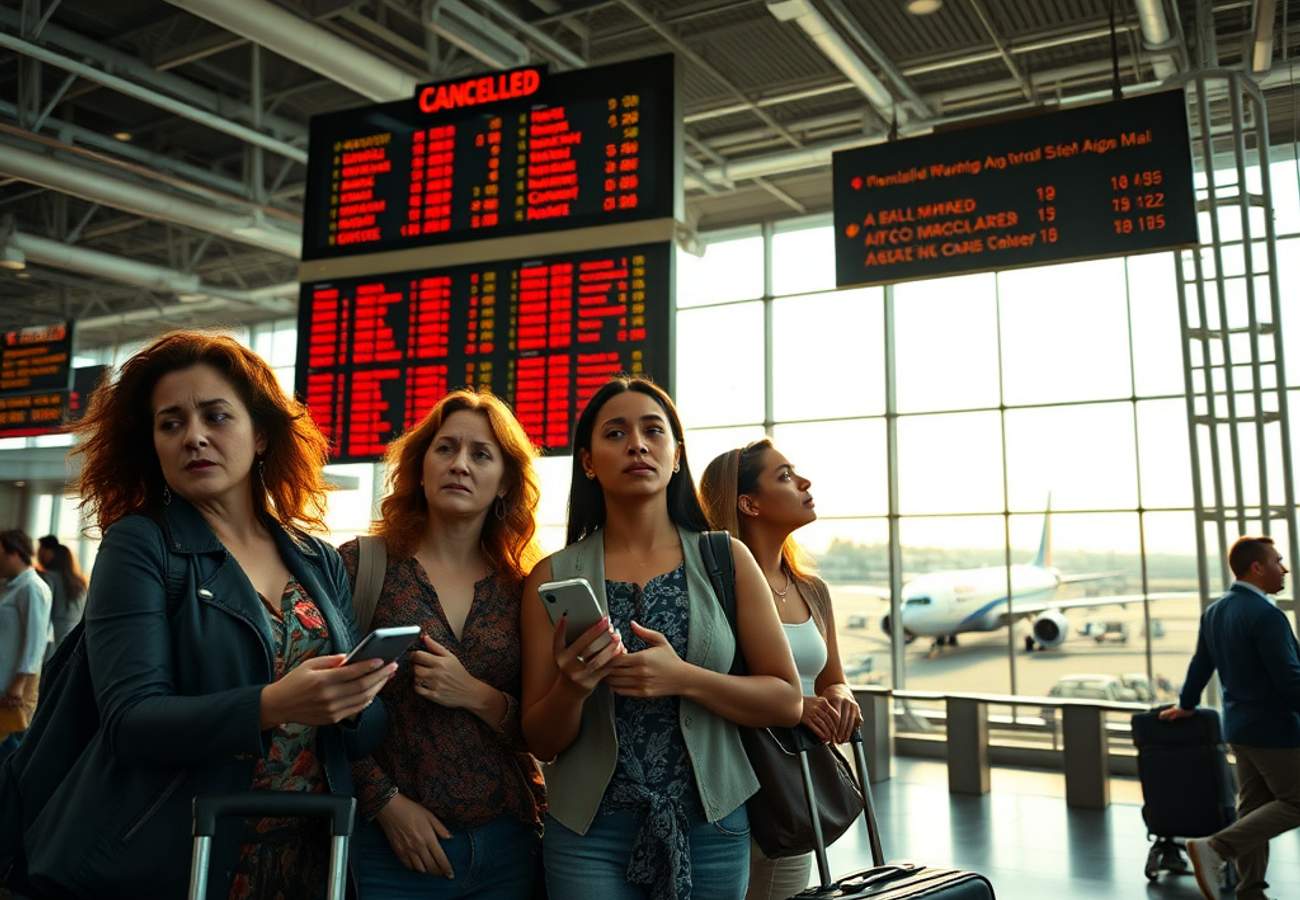
Image generated by AI
The July 4th Shutdown Nobody Wanted
On July 3-4, 2026, the Federal Aviation Administration (FAA) is pulling the plug on one of America's busiest airports. Ronald Reagan Washington National Airport (KDCA) will go dark during peak Independence Day travel—and it's going to hurt.
The closure isn't random. Military flyovers, large-scale fireworks, and national security operations tied to the 250th anniversary of Independence Day require a complete airspace lockdown over the nation's capital. The problem? Three major carriers—American Airlines, Delta Air Lines, and United Airlines—operate dense networks through DC. When KDCA shuts down, the ripple effect hits passengers nationwide.
Reddit: "I've got a connecting flight through DC on July 4th. This is going to be a nightmare." — r/travel
What the FAA Closure Actually Means
This isn't a full airport evacuation. The FAA has issued formal NOTAM alerts (Notices to Airmen) creating structured time-block restrictions rather than complete cessation.
Closure Windows: Mark Your Calendar
July 3: Daytime operational hours suspended for ceremony preparations July 4: Extended shutdown during peak celebration period (military aircraft prioritized)
The airspace above Washington DC becomes a no-fly zone for civilian traffic. Military aircraft operate at low altitude for flyovers while fireworks light up the National Mall. Commercial aviation simply cannot coexist with these operations.
The Airline Impact: Who Gets Hit Hardest
American Airlines Takes the Biggest Punch
American Airlines operates one of the densest domestic networks into DC, connecting to Dallas, Miami, Charlotte, and Chicago. The airline faces:
- Massive aircraft rotation delays
- Schedule compression across East Coast operations
- Reduced flexibility to absorb closure windows
- Cascading rebooking across connecting hubs
Expected impact: Missed connections, rerouted itineraries, passenger frustration.
Delta's Preemptive Moves
Delta has already begun shifting aircraft away from KDCA and advancing departure times before the blackout window. Early departures on July 3 aim to clear the deck. However:
- Connection protection activated for long-haul passengers
- Increased reliance on regional airports (BWI, DCA alternatives)
- Schedule compression creates boarding delays
United Airlines' Network Ripple
United Airlines operates significant DC-to-Newark, Chicago, and Houston routes. The carrier is:
- Adjusting peak-hour flights before and after closure
- Holding aircraft on tarmacs longer to manage rotations
- Extending total travel time for passengers with connections
Why This Matters: The Hub-and-Spoke Problem
Washington DC isn't just another airport. It's a critical junction in American aviation's hub-and-spoke network. According to the FAA's operational data, KDCA handles nearly 1,000 daily flights during normal operations.
When KDCA closes, the impact spreads instantly:
- Aircraft repositioning failures: Planes meant for subsequent flights get stranded
- Crew scheduling collapse: Flight attendants and pilots miss their next assignments
- Regional carrier cascades: Smaller airlines relying on feeder flights face highest delay rates (PSA, Envoy, Republic Air hit hardest)
- East Coast congestion: Nearby airports (BWI, IAD/Dulles, PHL) absorb overflow traffic, creating secondary delays
One analyst noted that airline network interdependencies mean a single airport closure can affect delays nationwide within hours.
The Disruption Spreads Fast
This isn't localized pain. Here's what happens across the US airline system:
Day 1 (July 3): Early morning departures from DC proceed normally. By midday, airlines stop scheduling departures as closure windows approach. Aircraft intended for DC routes get held at origin cities.
Day 2 (July 4): Complete shutdown. Military operations own the airspace. Civilian flights reroute through Baltimore (BWI) or Dulles (IAD), creating secondary gridlock.
Day 3 Spillover: Aircraft and crews are still out of position. July 5 flights face cascading delays as the system recovers.
What Passengers Actually Face
If you're traveling to, from, or through Washington DC on July 3-4, 2026, expect:
- Extended security lines (airports packed with rerouted passengers)
- Missed connections (the biggest risk for multi-leg trips)
- Gate hold delays (crews managing aircraft positioning)
- Last-minute rebooking (standby lists growing by the hour)
- No guaranteed timeline recovery (airlines will prioritize crew rest and aircraft maintenance)
Reddit: "Book refundable tickets or expect to eat the cost if you need to cancel. Airlines will be overwhelmed." — r/travel
Passenger Survival Guide
Before You Travel
- Check airline alerts daily starting July 1st for schedule changes
- Buy flexible/refundable tickets if traveling July 3-4 through DC
- Rebook immediately if your flight touches KDCA during closure windows
- Use alternate airports: Fly into Baltimore-Washington International (BWI) or Washington Dulles (IAD) instead
At the Airport
- Arrive 3+ hours early (not the standard 2 hours)
- Expect 90+ minute security lines due to system overflow
- Have backup connections ready for multi-leg journeys
- Keep phone charged for airline notifications
Smart Rerouting
Avoid DC entirely if possible. Direct flights to Atlanta, Charlotte, or Chicago hubs bypass the chaos entirely. Regional carriers flying from Philadelphia or Boston offer alternatives.
The Bigger Picture: Why Infrastructure Matters
This Independence Day scenario reveals a critical vulnerability in US aviation. The hub-and-spoke model—where airlines concentrate flights through major airports—creates systemic fragility. A single closure cascades across the entire national network within hours.
The FAA prioritizes safety and national security (correctly). But the cost is borne by millions of passengers who lose flexibility, miss family events, and experience travel chaos they can't control.
For travelers: Plan around major national events with military components. The airspace lockdown isn't negotiable.
For airlines: The July 3-4 disruptions will test network resilience. Expect operational fallout extending into July 5-6.
Final Word
Independence Day 2026 will go down as the year travelers learned the hard way: military flyovers beat commercial schedules every time. If you're flying through DC that weekend, start contingency planning now.
The skies over Washington DC belong to the military on July 4th—civilians better have a backup plan.
Related Travel Guides
Disclaimer
This article is for informational and educational purposes only. It does not constitute legal, financial, or professional advice. While we strive to provide accurate and up-to-date information, travel policies, regulations, and conditions change rapidly. Always verify information with official sources before making travel decisions. Nomad Lawyer makes no representations about the accuracy, reliability, completeness, or suitability of the information provided. Readers should consult qualified professionals for advice specific to their circumstances. The views expressed in this article are those of the author and do not necessarily reflect the views of Nomad Lawyer.
Preeti Gunjan
Contributor & Community Manager
A passionate traveller and community builder. Preeti helps grow the Nomad Lawyer community, fostering engagement and bringing the reader experience to life.
Learn more about our team →