
American Airlines Airbus A321XLR Faces Crew Challenges Despite Long-Haul Promise
American Airlines flight attendants report operational difficulties with the new Airbus A321XLR in 2026, citing crew fatigue and workspace constraints that complicate the aircraft's transatlantic mission despite its revolutionary range capabilities.

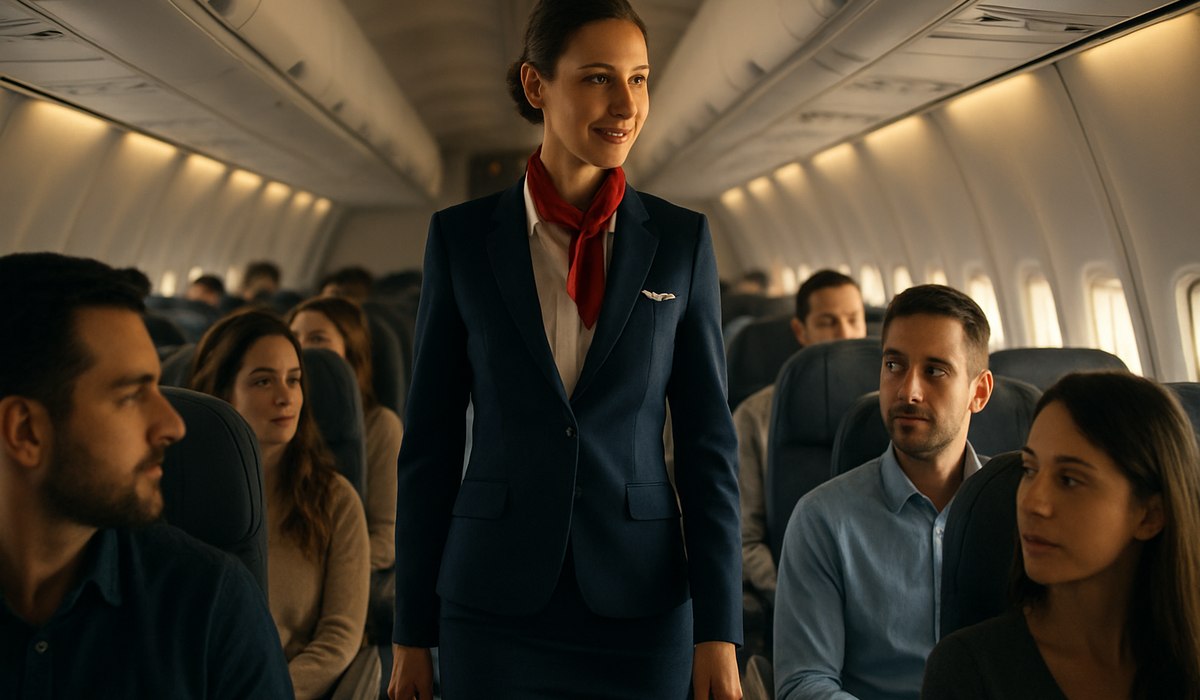
Image generated by AI
American Airlines A321XLR Operational Issues Emerge on Transatlantic Routes
American Airlines began deploying its fleet of Airbus A321XLR aircraft to open long-haul routes in 2026, including the high-profile transatlantic service from New York's John F. Kennedy International Airport (JFK) to Edinburgh Airport (EDI). The narrowbody jet promised to revolutionize international aviation by combining premium cabin configurations with extended range capabilities. However, veteran crew members now report significant challenges that undermine the aircraft's operational efficiency and crew welfare on these demanding long-haul missions.
The A321XLR represents a watershed moment for airlines american airbus partnerships. Yet frontline workers suggest the aircraft's design prioritizes capacity and range over practical crew comfort and functionality during extended flights across the Atlantic.
Promise vs. Reality: What the A321XLR Was Supposed to Deliver
The Airbus A321XLR entered service with extraordinary specifications: a maximum range of approximately 4,700 nautical miles, premium business and economy seating configurations, and fuel efficiency that outpaces legacy widebody aircraft on comparable routes. American Airlines envisioned deploying the jet on thin international routes previously deemed unprofitable for narrowbody operations. The aircraft opens new possibilities for connecting smaller European cities directly to major U.S. hubs without costly widebody inefficiency.
Industry analysts predicted the A321XLR would reshape transatlantic flying. For passengers, shorter flight times and direct routing promised convenience. For American Airlines, the narrowbody offered lower operating costs per seat-mile compared to widebody alternatives. The vision seemed transformative until crews actually began working extended missions in the aircraft's confined environment.
Crew Concerns: Flight Attendant Feedback on Working Conditions
Flight attendants operating the A321XLR on transatlantic routes report experiencing significant fatigue and workspace constraints not adequately addressed during certification. A veteran American Airlines crew member recently highlighted that the aircraft, while technically capable of seven-to-nine-hour flights, lacks the crew rest facilities and ergonomic provisions necessary for safe, sustainable long-haul operations.
The narrowbody A321XLR configuration offers limited galley space, compressed galley workflow areas, and minimal crew rest quarters compared to traditional widebody aircraft. Service aboard the jet during transatlantic crossings requires flight attendants to work continuously in confined conditions with minimal rest intervals. Beverage and meal service—essential for passenger satisfaction on long-haul flights—becomes physically challenging in the narrow fuselage environment, particularly during turbulence or high-altitude operations.
Additionally, crew members cite concerns about emergency procedure execution in the narrow cabin during potential medical incidents. The A321XLR's internal dimensions, while acceptable for medium-haul flights, create operational bottlenecks during full-service transatlantic missions. These challenges directly impact both crew safety and passenger service quality on American Airlines' new international routes.
Operational Challenges and Design Limitations
The Airbus A321XLR exhibits several design constraints that complicate crew operations on extended missions. The aircraft's single-deck narrowbody configuration means flight attendants cannot access upper-deck rest areas or crew relief zones during long flights. Unlike widebody jets with dedicated crew rest compartments, the A321XLR requires crew to rest in designated passenger seating areas—a suboptimal solution for the seven-to-nine-hour transatlantic crossing.
Lavatory availability represents another significant concern. The A321XLR features fewer lavatories than comparable widebody aircraft, creating bottlenecks for 180-200 passengers plus crew during extended missions. This limitation affects both passenger experience and crew efficiency during service cycles.
Technical and maintenance considerations also emerge. American Airlines mechanics report that servicing the A321XLR between back-to-back transatlantic flights requires expedited turnaround procedures, increasing pressure on ground crews and potentially compromising thorough maintenance inspections. The aircraft's specialized avionics and engine systems necessitate specialized technical training, straining maintenance department resources.
Impact on American Airlines' Long-Haul Strategy
Despite crew feedback, American Airlines remains committed to expanding its A321XLR fleet for specific transatlantic routes. The aircraft operates profitably on routes like JFK-EDI and other point-to-point transatlantic pairings where widebody deployment proves economically inefficient. The airline has ordered additional A321XLR aircraft slated for delivery through 2027 and 2028.
However, crew concerns may influence route planning and scheduling strategies. American Airlines might adjust flight frequencies, modify crew scheduling protocols, or enhance onboard facilities to address operational challenges. The airline has historically responded to crew feedback by implementing operational modifications on problematic aircraft. Whether similar adjustments will address A321XLR concerns remains uncertain.
The situation reflects broader aviation industry tensions between aircraft economics and crew welfare. Manufacturers and airlines increasingly chase efficiency gains, sometimes at the expense of working conditions for flight crews who execute daily operations. The A321XLR debate exemplifies this fundamental tension in modern aviation strategy. For travelers, these operational challenges may eventually influence service quality, schedule reliability, and route availability on American Airlines' transatlantic network.
Traveler Action Checklist
If you're booking or traveling on American Airlines A321XLR transatlantic flights, consider these practical steps:
-
Verify aircraft assignment before booking by contacting American Airlines directly or checking detailed flight specifications on FlightAware during the booking process.
-
Request preferred seating during online check-in, prioritizing seats that allow easier aisle access and proximity to functioning lavatories, particularly on extended overnight flights.
-
Monitor flight status using real-time tracking tools 24-48 hours before departure to confirm the assigned aircraft and identify any last-minute equipment changes.
-
Document service disruptions by photographing boarding passes and noting any service delays, lavatory unavailability, or crew-related issues for potential compensation claims.
-
Know your passenger rights under U.S. Department of Transportation regulations by reviewing DOT Consumer Protections before traveling.
-
File complaints directly with American Airlines and the FAA if you experience operational issues, using incident report numbers provided by the airline.
| Metric | Details |
|---|---|
| Aircraft Model | Airbus A321XLR (Extended Long Range) |
| Typical Configuration | 180-220 passengers (varies by American Airlines setup) |
| Maximum Range | 4,700+ nautical miles |
| Primary Routes | JFK-Edinburgh, future transatlantic expansions |
| Crew Concerns | Limited rest facilities, galley constraints, lavatory availability |
| Certification Status | Fully certified by FAA; operational since 2026 |
| Manufacturer | Airbus S.A.S. (European manufacturer) |
What This Means for Travelers
The A321XLR operational challenges carry direct implications for transatlantic travelers booking American Airlines flights. While the aircraft safely operates on extended routes, crew fatigue and workspace constraints may subtly affect service quality, meal timing, and beverage availability during long flights. Passengers shouldn't expect the same comprehensive service experience found on traditional widebody aircraft like the Boeing 787 or Airbus A350.
Flight delays may increase if crew scheduling adjustments become necessary, and route availability could shift as American Airlines recalibrates its deployment strategy. Transatlantic passengers should build additional schedule buffer time when connecting through American Airlines hubs. Additionally, ticket prices on A321XLR routes may remain higher than competitors if the
Disclaimer
This article is for informational and educational purposes only. It does not constitute legal, financial, or professional advice. While we strive to provide accurate and up-to-date information, travel policies, regulations, and conditions change rapidly. Always verify information with official sources before making travel decisions. Nomad Lawyer makes no representations about the accuracy, reliability, completeness, or suitability of the information provided. Readers should consult qualified professionals for advice specific to their circumstances. The views expressed in this article are those of the author and do not necessarily reflect the views of Nomad Lawyer.
Kunal K Choudhary
Co-Founder & Contributor
A passionate traveller and tech enthusiast. Kunal contributes to the vision and growth of Nomad Lawyer, bringing fresh perspectives and driving the community forward.
Learn more about our team →