
How the United States Is Overhauling the Global Visitor Journey to Reach 100 Million Travelers
Facing fierce competition from Spain, Japan, and France, the US tourism sector targets 100M international visitors by modernizing visa processing and airport arrivals.

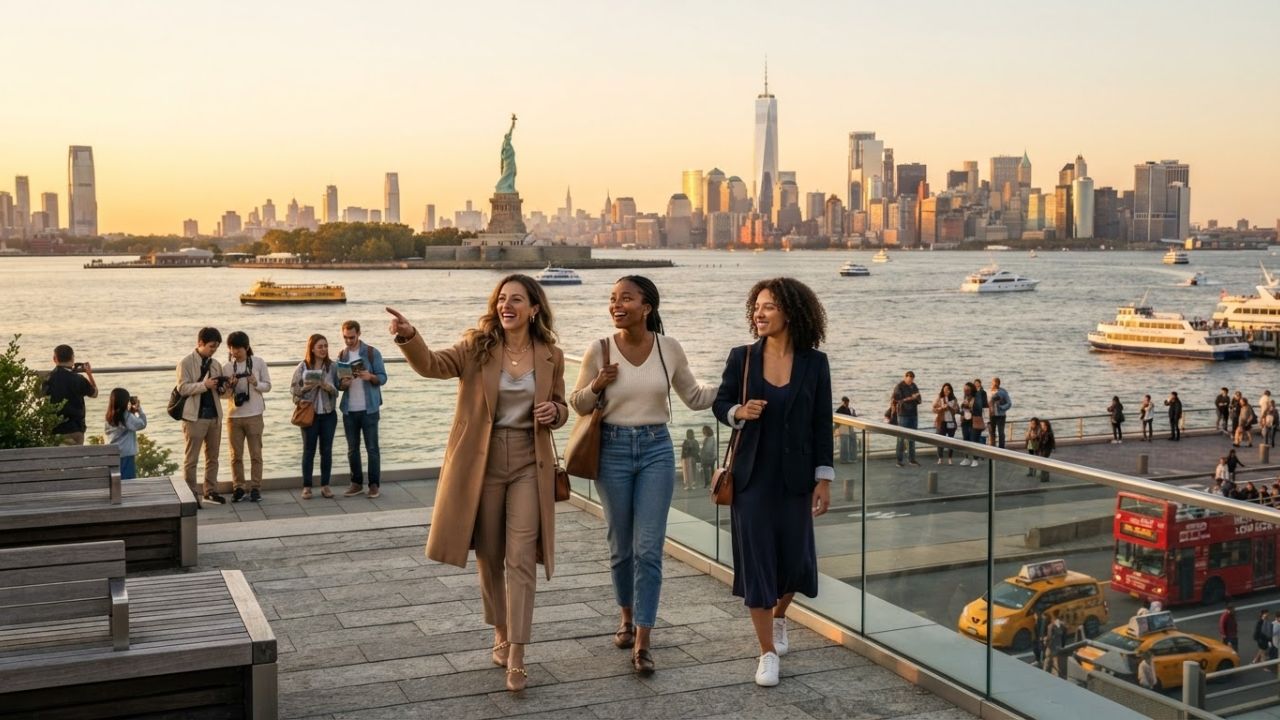
Image generated by AI
With overseas arrivals under continued pressure into 2026, American tourism authorities and hospitality leaders are executing an overarching operational overhaul—modernizing visa wait times and streamlining airport customs—to draw 100 million global visitors annually and counter aggressive campaigns from Europe and Asia.
Modernizing the American Visitor Experience
The competition for international leisure capital has entered an era defined by operational speed and traveler convenience. In response to prolonged softness in foreign arrivals, the United States travel sector is advancing a nationwide effort to welcome 100 million international visitors annually.
Rather than relying solely on traditional marketing, this initiative focuses squarely on dismantling systemic friction points across the traveler's journey. Industry leaders recognize that modern international travelers evaluate destinations through a holistic lens: how easily they can obtain travel authorization, how smoothly they clear border inspection, the purchasing power of their home currency, and the overall warmth of their reception.
[The Modern International Visitor Journey: Friction vs. Solutions]
• Traditional Friction: Extended consular visa wait times in key markets
  ↳ Modern Solution: Expanded digital processing & interview waiver programs
• Traditional Friction: Protracted primary passport inspection queues
  ↳ Modern Solution: Nationwide Mobile Passport Control & biometric gates
• Traditional Friction: Concentrated overcrowding in major gateway centers
  ↳ Modern Solution: Multi-city rail passes & regional destination dispersal
• Traditional Friction: Elevated metropolitan accommodation costs
  ↳ Modern Solution: Shoulder-season packages & neighborhood hotel districts
| Factor | Legacy US System | 2026–2030 Modernization Initiative | Traveler Impact |
|---|---|---|---|
| Annual Visitor Goal | 68.3M (2025 actual) | 100.0M international arrivals annually | Millions in new local commerce |
| Visa Application Interface | Multi-month wait times in select consulates | Digital scheduling & prioritized leisure processing | Reduced booking lead times |
| Port-of-Entry Processing | Physical paperwork & manual inspection lines | Expanded biometric kiosks & Mobile Passport Control | Faster airport terminal transit |
| Regional Travel Logistics | Car-dependent hub travel | Intercity passenger rail & urban tap-to-pay transit | Lower transport overhead |
| Global Market Targeting | Concentrated North America/Western Europe | Diversified: UK, Mexico, Latin America, Asia-Pacific | Greater international resilience |
The Global Competitive Arena: Learning from Europe and Asia
The global travel sector has shifted fundamentally. France continues to hold the premier position worldwide, consistently drawing more than 100 million foreign travelers each year through integrated high-speed rail lines, multilingual visitor services, and streamlined border administration.
Simultaneously, competing destinations across Southern Europe, the Middle East, and Asia have accelerated their infrastructure investments:
- Spain and Italy: Upgrading regional high-speed rail networks, allowing travelers to combine major cultural centers with coastal regions on single, affordable rail tickets.
- Japan: Expanding tax-free digital systems and regional train passes that distribute international visitors into rural prefectures.
- Thailand: Simplifying entry permits and pioneering cultural immersion corridors to maintain strong inbound momentum.
- United Arab Emirates: Developing hyper-efficient aviation transfer hubs in Dubai and Abu Dhabi that deliver effortless, technologically seamless airport transits.
To succeed against these nimble global competitors, American tourism leaders stress that iconic sights—from New York’s skyline to the Grand Canyon—must be matched by effortless logistics.
Streamlining Consular Visas and Port-of-Entry Infrastructure
Airport terminals and consular offices represent the true front door of the American tourism economy. Tourism associations and federal agencies are prioritizing four critical areas of operational reform:
- Accelerated Visa Processing: Addressing backlogs by expanding consular staffing in high-demand markets, increasing interview waivers for low-risk renewals, and adopting digital document verification.
- Contactless Biometric Air Gateways: Rolling out facial biometric exit and entry systems at major hubs like New York (JFK), Miami (MIA), Los Angeles (LAX), and Chicago (ORD), cutting average line waits during peak bank arrival windows.
- Expanded Mobile Passport Control (MPC): Educating international travelers on utilizing CBP's authorized digital app to register travel declarations before reaching border officers.
- Transit Infrastructure Upgrades: Investing in modern airport-to-city rail connectors, such as New York's AirTrain links, Miami's Metrorail, and the automated people mover systems at Los Angeles International Airport.
Diversifying Key Inbound Feeder Markets
Achieving the 100 million annual benchmark requires cultivating a broader international traveler portfolio:
The Essential Canadian Foundation
Canada remains America's foremost international tourism partner. Millions of Canadian travelers cross the border annually for self-drive road trips, seasonal warm-weather retreats, cross-border retail, and family visits. Re-establishing affordable border corridor packages and addressing currency disparities are central priorities for northern border states, Florida, and the American Southwest.
The United Kingdom and Continental Europe
Travelers from the United Kingdom, Germany, France, and Italy represent dependable, high-spending cultural tourists. American regional destination marketing organizations are packaging heritage road trips, jazz and blues music routes, and coastal historic tours to attract European visitors seeking authentic regional Americana beyond standard gateway hubs.
Mexico and Latin America
Mexico represents a powerhouse source market, generating massive retail, business, and leisure travel across Texas, California, and the Southwest. Further south, growing travel volume from Colombia, Brazil, and Argentina fuels hotel bookings and retail spending throughout Florida and New York.
The Asia-Pacific Corridor
As flight connectivity between East Asia and North America steadily rebuilds, visitors from Japan, South Korea, India, and Australia represent prime demographics for extended stays, luxury shopping, and national park expeditions.
Key Destination Powerhouses Driving Growth
The national revival strategy activates five premier geographic hubs:
- New York City: Anchoring inbound volume through Broadway theater, world-class museum exhibitions, diverse neighborhood dining across five boroughs, and renewed subway contactless payment infrastructure.
- Las Vegas: Continues its evolution from casino center to global sports and entertainment capital, staging international residencies, championship sporting events, and convention gatherings.
- Florida: Driven by Orlando’s global theme parks and Miami’s international cruise operations, seaside art districts, and vibrant culinary scene.
- California: Attracting visitors through the Pacific Coast Highway, renowned viticultural regions, and iconic national parks like Yosemite and Death Valley.
- Hawaii: Emphasizing regenerative stewardship and indigenous cultural education, encouraging visitors to respect fragile marine sanctuaries while enjoying island hospitality.
Sustainable Stewardship and Community-Based Tourism
A rapid surge toward 100 million international arrivals requires strict environmental and cultural sustainability to protect local communities from overtourism.
Leading regional conservation programs are implementing:
- Timed Reservation Entry Systems: Protecting heavily visited natural wonders such as Zion, Rocky Mountain, and Acadia from environmental degradation by capping vehicle entries during peak daytime hours.
- Decentralized Heritage Corridors: Directing visitors toward historic small towns, agricultural tourism trails, and indigenous tribal lands to ensure travel dollars directly support independent local families.
- Carbon-Reduced Urban Mobility: Encouraging international tourists to utilize municipal electric buses, bike-share networks, and intercity passenger rail rather than rental automobiles.
Local Insider Tips for International Travelers
- Take Advantage of Mobile Passport Control (MPC): Download the official CBP Mobile Passport Control app to your smartphone prior to departure. Eligible international visitors and visa holders can submit their customs declaration digitally upon landing at participating US international airports, often bypassing lengthy general inspection lines without subscription fees.
- Leverage Contactless Transit Systems: Avoid purchasing physical paper transit cards in major cities. New York City's subway (OMNY), Chicago's L-train (Ventra), and Washington D.C.'s Metro (SmarTrip) allow riders to tap directly at turnstiles using international contactless credit cards or smartphone wallets.
- Secure National Park Passes Early: If planning to visit three or more national parks, purchase the America the Beautiful Pass (US$80). It provides entrance for an entire private vehicle to more than 2,000 federal recreation sites for a full year, yielding substantial savings over individual park entrance fees.
- Understand Regional Dining Charges: In addition to standard 18% to 22% gratuities, select restaurants in California, New York, and Florida include an optional "wellness" or "hospitality" fee (typically 3% to 5%) to support back-of-house health insurance. These fees can generally be removed upon request, so review your itemized bill carefully before paying.
- Book Major Museum Tickets in Advance: High-demand cultural venues such as the National Museum of African American History and Culture in Washington, D.C., and the 9/11 Memorial Museum in New York require timed-entry digital passes. Reserve your entry slots online two to three weeks ahead of your visit.
Long-Term Tourism Outlook
The campaign to welcome 100 million international visitors by 2030 represents a profound transformation in how the United States welcomes the world. By modernizing visa appointments, digitizing border arrivals, expanding intercity transit options, and fostering authentic cultural experiences, the American travel industry is working to create an enduring, world-class visitor environment that inspires repeat journeys for decades to come.
Frequently Asked Questions
What is the primary goal of the United States travel revival plan?
The US travel industry and federal partners aim to attract 100 million international visitors annually by 2030, reversing recent arrival downturns and driving billions in spending into local economies.
How does the US compare to France in international tourism volume?
France attracts over 100 million foreign travelers annually, leading global tourism rankings through integrated rail travel and streamlined European border access. The US 2030 initiative aims to achieve comparable global volume.
What improvements are being made to the US international visitor experience?
Key improvements include reducing consular visa processing delays, deploying biometric arrival systems at international airports, expanding Mobile Passport Control, and promoting multi-city regional transit options.
Which international markets are essential to US tourism recovery?
Canada remains the primary source market, followed by the United Kingdom, Mexico, continental Europe, and expanding traveler segments from Latin America and the Asia-Pacific region.
What is the benefit of the Mobile Passport Control app for international visitors?
The free Mobile Passport Control app allows eligible arriving passengers to digitally submit passport information and customs forms at more than 30 major US international airports, significantly speeding up border processing.
Related Travel Guides
Disclaimer
This article is for informational and educational purposes only. It does not constitute legal, financial, or professional advice. While we strive to provide accurate and up-to-date information, travel policies, regulations, and conditions change rapidly. Always verify information with official sources before making travel decisions. Nomad Lawyer makes no representations about the accuracy, reliability, completeness, or suitability of the information provided. Readers should consult qualified professionals for advice specific to their circumstances. The views expressed in this article are those of the author and do not necessarily reflect the views of Nomad Lawyer.
Naina Thakur
Contributor & Travel Specialist
Travel enthusiast and legal writer covering visa regulations, responsible tourism, and cultural journeys across global destinations.
Learn more about our team →