
Bypassing the Mega-Hubs: How Florida’s Gulf and Central Coasts Are Opening to Point-to-Point Travel in 2027

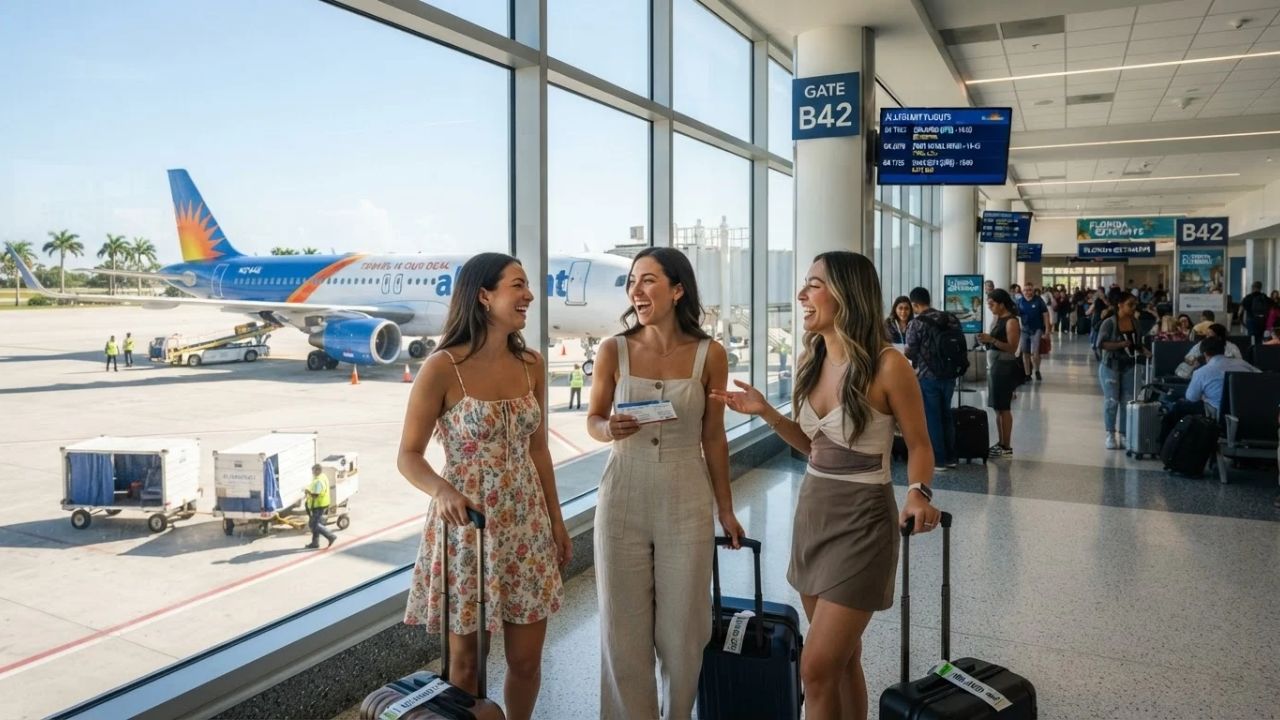
While legacy airlines continue routing millions of sun-seeking passengers through congested mega-hubs like Atlanta and Charlotte, a quiet decentralization is reshaping access to Florida's shores as low-cost carrier Allegiant Air launches direct point-to-point connections linking secondary northern cities like Flint, Michigan, straight to regional Gulf and Central Florida airports beginning in February 2027. Combined with the spring 2027 rollout of 'Allegiant First'—an exclusive eight-seat premium cabin offering a generous 37-inch pitch—and an integrated network with Sun Country carrying approximately 22 million passengers annually across more than 650 routes, travelers can now skip multi-hour layovers to touch down minutes from barrier island beaches and historic coastal downtowns.
For generations, escaping northern winters meant enduring marathon layovers, frantic gate sprints, and tedious highway toll jams outside massive international airports. By steering direct flights into secondary airfields like Punta Gorda, St. Pete-Clearwater, and Orlando Sanford, this transit shift bypasses regional friction. For travelers who view Florida not as a generic theme park strip but as a coastal ecosystem of mangrove estuaries, historic sponge docks, and shell-strewn sandbars, direct regional access changes the entire rhythm of an island escape.
The 2027 Florida Network Expansion: Direct Routes and Premium Cabin Comfort
The latest development in Allegiant’s network strategy centers on Mid-Michigan, providing Flint travelers with unprecedented non-stop access to Florida’s most sought-after winter sanctuaries. On 10 February 2027, the airline inaugurates a new year-round nonstop link between Flint and Orlando. Just twenty-four hours later, on 11 February, a second year-round route takes flight, connecting Flint directly to Fort Myers.
Complementing these new links, Allegiant is ramping up frequencies on its existing Flint connections. Increased service to Sarasota begins from 10 February, while flights to St. Pete-Clearwater gain additional weekly departures starting 11 February. For communities across Mid-Michigan, these flights remove the necessity of driving south to Detroit Metro Airport, offering hassle-free departures from local tarmac gates directly to the white sands of the Gulf of Mexico.
This Michigan expansion builds upon a wider nine-route package announced on 17 August 2026, where seven services were specifically tailored to capture peak spring-break and late-winter holiday demand. Scheduled to begin operations between 10 and 20 February 2027, these seasonal flights establish direct corridors from New England and the Upper Midwest to Central and Southern Florida:
- Boston secures non-stop links to Orlando Sanford, Punta Gorda, and St. Pete-Clearwater.
- Providence gains direct seasonal flights to Fort Lauderdale, Orlando Sanford, and Sarasota.
- Portsmouth connects directly to Fort Lauderdale.
- Grand Forks secures a vital southern winter escape to Orlando Sanford.
- Cincinnati adds a permanent, year-round connection into Orlando.
Alongside these route additions, the passenger cabin environment is undergoing a notable upgrade. Premiering on select aircraft in spring 2027, Allegiant First introduces a dedicated premium cabin featuring eight seats arranged in a spacious 2–2 configuration. Designed to challenge the cramped perceptions of budget travel, each premium seat delivers a 37-inch seat pitch, five inches of recline, dedicated calf rests, adjustable headrests, and expanded legroom.
Travelers booking Allegiant First receive priority check-in and expedited boarding privileges, alongside a baggage allowance that includes one personal item, one carry-on bag, and a checked bag weighing up to 70 pounds. This premium cabin evolution follows an earlier passenger comfort enhancement introduced on 1 August 2026, when the carrier began providing complimentary non-alcoholic beverages across every scheduled flight.
On a broader scale, Allegiant’s strategic combination with Sun Country forms a massive leisure-focused airline network serving nearly 175 cities. In addition to extensive domestic links, the partnership unlocks access to 18 international destinations across Mexico, Central America, Canada, and the Caribbean, creating an expansive network for independent vacationers.
What Makes Florida's Gulf and Central Outposts Different
Landing at regional gateways like Sarasota-Bradenton, Punta Gorda, or St. Pete-Clearwater offers a radically different welcome than arriving at sprawling transport hubs. Instead of cavernous terminals and miles of rental car shuttles, these coastal outposts place you within a twenty-minute drive of tranquil barrier islands, historic waterfront districts, and thriving arts communities.
The Gulf Coast of Florida is distinguished by its serene maritime geography. Unlike the pounding Atlantic surf on the eastern coast, the Gulf of Mexico features gentle, shallow waters that lap against barrier beaches composed of pulverized quartz crystal. At Siesta Key near Sarasota, the sand stays cool underfoot even in the midday August heat because it consists of 99% pure quartz washed down from the Appalachian Mountains millions of years ago.
Culturally, this region blends Old Florida heritage with maritime grit. North of St. Pete-Clearwater sits Tarpon Springs, an authentic Greek community founded by Mediterranean sponge divers in the late 19th century, where working wooden boats still dock along the Anclote River and bakeries serve fresh honeyed baklava and spanakopita. To the south, Punta Gorda and Charlotte Harbor retain the pastoral quietude of traditional fishing villages, framed by coastal pine flatwoods and tidal creeks where wild tarpon roll in the brackish shallows.
Even Central Florida arrivals through Orlando Sanford provide a distinct geographic advantage. Located northeast of the metropolitan core, Sanford borders the tranquil shores of Lake Monroe and the historic timber homes of Celery City. Arriving here allows travelers to steer clear of Interstate 4 congestion, providing a peaceful launchpad toward the freshwater springs of Seminole County or the tranquil coastal dunes of New Smyrna Beach.
Visitor Insider Tips: Navigating the Gulf Coast and Central Sanctuaries
Experiencing the true character of Florida's west coast requires local insights that guidebooks rarely share. Coordinated through Visit Florida, the state’s regional routes reward travelers who venture beyond standard hotel strips.
- Dodge the Airport Traffic by Basing at Regional Outposts: If your target is the barrier islands of Anna Maria, Longboat Key, or Siesta Key, booking into Sarasota (SRQ) or Punta Gorda (PGD) cuts hours off your journey. Avoid renting cars at major international hubs during peak February and March spring seasons, where lines can exceed ninety minutes. Regional terminals allow you to clear baggage claim and reach your vehicle within fifteen minutes of touchdown.
- Savor Local Cracker and Gulf Seafood Traditions: Skip commercial seafood chains along major highways. Head instead to Cortez, one of Florida’s last surviving commercial fishing villages located just west of Bradenton. Stop at dockside shacks for smoked mullet dip, blackened grouper sandwiches, and stone crab claws served with tangy mustard sauce. For breakfast, explore Pinecraft, the quiet Amish and Mennonite enclave tucked into Sarasota, where family-owned kitchens serve homemade buttermilk biscuits and fresh strawberry rhubarb pie.
- Timing the Barrier Island Causeways: The drawbridges connecting mainland Florida to coastal keys—such as the Cortez Bridge or the Ringling Causeway—frequently open on the hour and half-hour for maritime traffic, creating sudden bottlenecks. Time your movements across these spans during early morning hours before 10:00 AM or in late evening after sunset to avoid waiting behind idling boat traffic.
- Paddle the Mangrove Tunnels at High Tide: Rent a touring kayak to explore the protected mangrove tunnels of Lido Key or the shallow estuaries of Charlotte Harbor Preserve State Park, maintained by Florida State Parks. Always plan your paddling excursions during incoming high tides; low tides leave coastal lagoons shallow and muddy, trapping rudders and exposing fragile seagrass beds to propeller damage.
Cultural and Environmental Context: Protecting Vulnerable Coastal Ecosystems
The steady expansion of seasonal flight capacity brings economic vitality to coastal communities, but it also increases pressure on Florida’s fragile coastal ecosystems. The Gulf Coast represents a delicate biological corridor where inland freshwater rivers meet salty marine shallows, supporting sprawling seagrass meadows, oyster reefs, and essential manatee winter refuges.
Increased coastal tourism directly impacts seagrass health. Seagrass meadows provide nursery habitats for juvenile sportfish, sea turtles, and West Indian manatees. When recreational boaters navigate outside marked navigation channels in shallow bays, outboard propellers carve scars into the marine vegetation that take decades to recover. Local conservation bodies urge visiting boaters to observe "idle speed, no wake" zones, especially around sensitive estuaries like Lemon Bay and Tampa Bay.
Coastal communities are also actively navigating the complex balance between historic preservation and luxury development. Neighborhoods like Pietermaai in Willemstad or the fishing cottages of Cortez face rising property values and real estate redevelopment pressures. Preserving working waterfronts—where commercial fishermen still dock nets beside pleasure yachts—is essential to maintaining the authentic maritime culture that drew visitors to Florida in the first place.
Responsible tourism along the Gulf Coast means engaging with conservation directly. Visitors are encouraged to support community nature centers, respect shorebird nesting sanctuaries along the coastal wrack line, choose eco-certified charter guides, and participate in shoreline cleanups. By honoring these delicate ecological and cultural boundaries, travelers help ensure that Florida’s wild coasts retain their timeless allure for future generations.
FAQ: Visiting Florida’s Gulf and Central Coasts 2027
When do the new Allegiant flights from Flint and Boston begin operating? Flint flights to Orlando and Sarasota begin on 10 February 2027, followed by Fort Myers and St. Pete-Clearwater on 11 February. The broader nine-route expansion from Boston, Providence, Grand Forks, Portsmouth, and Cincinnati rolls out between 10 and 20 February 2027.
What features are included in the new Allegiant First cabin? Premiering in spring 2027 on select aircraft, Allegiant First includes eight seats with a 37-inch pitch, five inches of recline, calf rests, priority check-in and boarding, plus a personal item, carry-on bag, and checked bag up to 70 pounds.
What are the key advantages of flying into regional airports like Punta Gorda or Sanford? Regional airports provide faster baggage claim, shorter security queues, and quick rental car pick-up, while placing travelers closer to serene barrier islands, nature preserves, and historic downtowns without interstate gridlock.
What is the best time of year to visit Florida's Gulf Coast? Mid-February through April offers pleasant weather with mild sunny days, low humidity, and warm water temperatures, perfectly coinciding with the spring flight schedule expansion.
When you bypass the crowded terminals of the mega-hubs, Florida sheds its commercial veneer to reveal the gentle, untamed beauty of its authentic coasts.
Related Travel Guides
Disclaimer
This article is for informational and educational purposes only. It does not constitute legal, financial, or professional advice. While we strive to provide accurate and up-to-date information, travel policies, regulations, and conditions change rapidly. Always verify information with official sources before making travel decisions. Nomad Lawyer makes no representations about the accuracy, reliability, completeness, or suitability of the information provided. Readers should consult qualified professionals for advice specific to their circumstances. The views expressed in this article are those of the author and do not necessarily reflect the views of Nomad Lawyer.
Raushan Kumar
Founder & Lead Developer
Full-stack developer with 11+ years of experience and a passionate traveller. Raushan built Nomad Lawyer from the ground up with a vision to create the best travel and law experience on the web.
Learn more about our team →