
Albania, Latvia, Bulgaria, Slovenia and Montenegro Emerge as Europe's Top Affordable Coolcation Destinations in 2026
Travelers are abandoning Mediterranean heatwaves for 'coolcations' in Albania, Latvia, Bulgaria, Slovenia, and Montenegro, prioritizing affordable mountain retreats and forest escapes over crowded beaches.

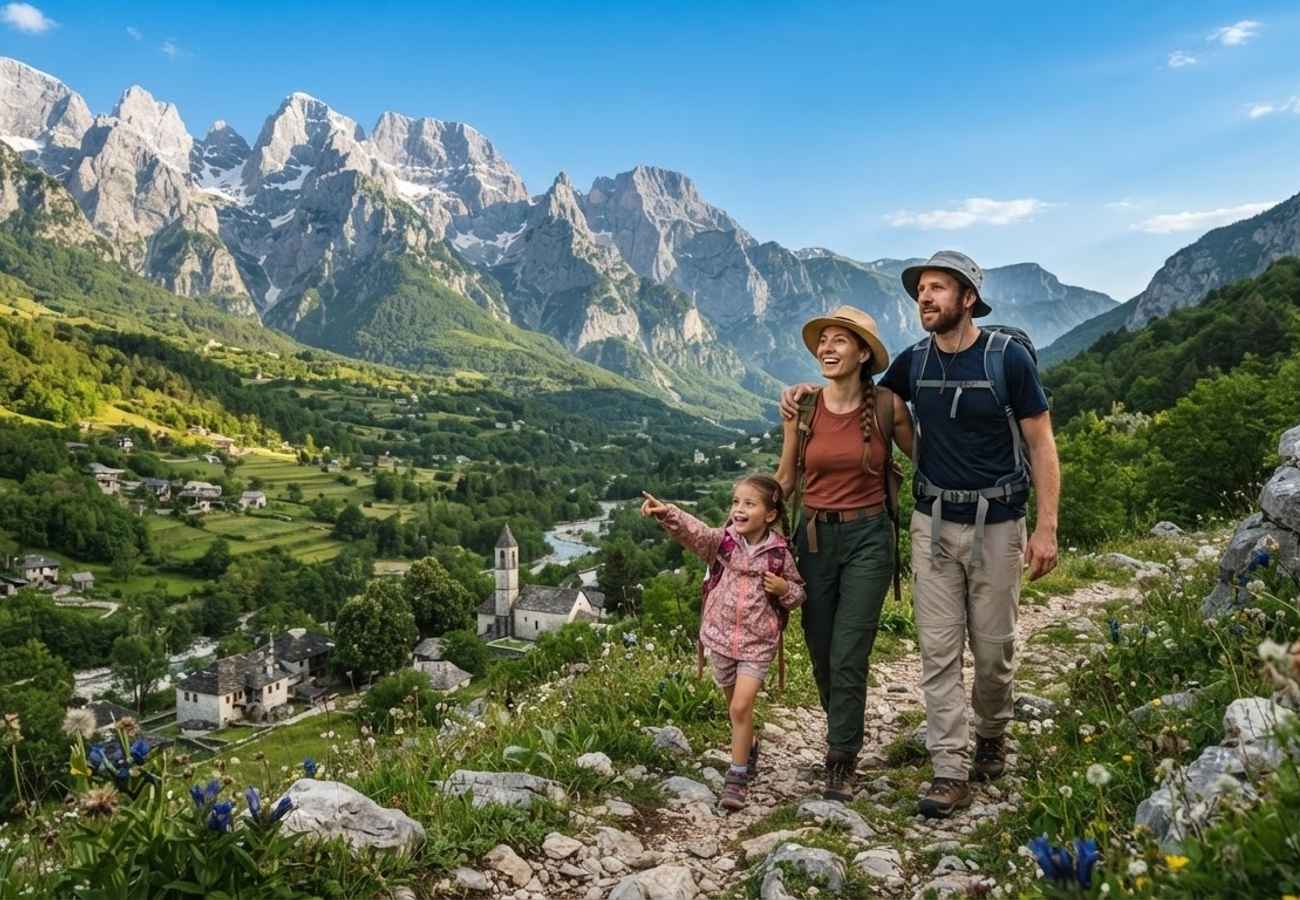
Image generated by AI
The traditional European summer holiday is undergoing a fundamental shift. As Mediterranean heatwaves become more intense and crowded, a growing number of travelers are opting for "coolcations"—trips designed to prioritize milder temperatures, natural landscapes, and lower price points.
This trend is driving a surge in demand for destinations that offer high-altitude retreats, dense forests, and scenic lakes. Albania, Latvia, Bulgaria, Slovenia, and Montenegro have emerged as the primary beneficiaries of this shift, providing budget-friendly alternatives to the expensive and overheating hubs of Western Europe.
These regions are not merely offering a temperature drop; they are providing a move toward slower, more sustainable, and experience-driven tourism. By shifting focus from coastal resorts to national parks and rural villages, travelers are discovering authentic cultural experiences without the premium costs associated with traditional summer hotspots.
Albania: The Rise of the Balkan Alps
Albania has transitioned from a hidden gem to a leader in the coolcation movement. While its Ionian coast remains popular, the country's northern highlands are now the primary draw for those escaping the summer heat.
The Albanian Alps, specifically the regions of Theth and Valbona, offer a stark contrast to the lowland humidity. These areas provide high-altitude hiking, traditional stone-village architecture, and a climate that remains refreshing throughout July and August.
The Albanian government is actively pivoting its tourism strategy to protect these ecosystems while encouraging adventure tourism. Key areas for nature-seekers include:
- Lura National Park: Known for its glacial lakes and dense forests.
- Vjosa River National Park: A sanctuary for river exploration and biodiversity.
- Llogara National Park: Where mountain peaks meet the sea, offering cooler breezes and dramatic vistas.
Affordability remains Albania's strongest competitive edge. Family-run guesthouses and local eateries provide a level of value that is increasingly rare in the Eurozone, allowing visitors to extend their stays.
Latvia: The Baltic Forest Escape
In Northern Europe, Latvia is positioning itself as a serene alternative to the expensive Scandinavian markets. The appeal here lies in a milder, more stable climate characterized by vast forests and a clean Baltic coastline.
Latvia’s tourism model focuses on regional development and responsible growth. Rather than focusing on mass tourism, the state emphasizes nature-centric experiences that allow visitors to disconnect from urban stress.
Budget-conscious travelers are gravitating toward:
- Gauja National Park: The country's largest protected area, offering extensive hiking and kayaking.
- Ķemeri National Park: Famous for its unique bog landscapes and boardwalks.
- The Vidzeme Coastline: Providing a cooler, quieter seaside experience compared to the Mediterranean.
By utilizing public transport and staying in rural accommodations outside the capital, travelers can maintain a high quality of experience while keeping expenses significantly lower than in neighboring Nordic countries.
Bulgaria: High-Altitude Value
Bulgaria has long been a bastion of affordability in Europe, but its inland mountain ranges are now seeing a spike in summer interest. Travelers are bypassing the Black Sea heat in favor of the country's rugged interior.
The Rila, Pirin, and Rhodope mountains serve as the backbone of Bulgaria's coolcation appeal. The Seven Rila Lakes, in particular, have become a focal point for those seeking alpine air and dramatic scenery.
The Bulgarian Ministry of Tourism is currently prioritizing infrastructure improvements to support this shift toward regional and sustainable tourism. For the traveler, this means better access to mountain communities like Bansko and historic centers like Veliko Tarnovo, where local guesthouses offer exceptional value for money.
Slovenia: Sustainable Alpine Luxury on a Budget
Slovenia bridges the gap between the high-end appeal of the Alps and the need for sustainable, accessible travel. It is widely regarded as a pioneer in "green" tourism, focusing on the preservation of its crystal-clear lakes and protected forests.
By offering a more affordable entry point than Switzerland or Austria, Slovenia attracts visitors who want the Alpine experience—complete with glacial rivers and mountain peaks—without the prohibitive price tags. The country's commitment to environmentally focused travel ensures that the growth in "coolcation" visitors does not compromise the integrity of its natural landscapes.
Comparative Overview of Coolcation Hubs
The following data summarizes the primary draws and value propositions of these emerging summer destinations.
| Destination | Primary "Cool" Attraction | Key Nature Sites | Primary Value Driver |
|---|---|---|---|
| Albania | Northern Highlands | Theth, Valbona, Lura NP | Low-cost rural guesthouses |
| Latvia | Baltic Forests & Coasts | Gauja NP, Ķemeri NP | Affordable nature access |
| Bulgaria | Balkan Mountain Ranges | Seven Rila Lakes, Pirin | High value for food & lodging |
| Slovenia | Julian Alps & Lakes | Triglav NP, Lake Bled | Sustainable, mid-range pricing |
| Montenegro | Durmitor Highlands | Durmitor NP, Tara River | Scenic mountain affordability |
Strategic Shift in European Travel
The move toward these destinations is not just a trend but a response to environmental and economic pressures. The European Union's recognition of tourism as a sector requiring long-term resilience is manifesting in the growth of these secondary markets.
By distributing tourist traffic away from the overcrowded Mediterranean "hot zones" and toward the forests of the Baltics or the mountains of the Balkans, Europe is creating a more balanced tourism ecosystem. This shift benefits the traveler through lower costs and better climates, and benefits the host nations through diversified economic growth.
The era of the mandatory beach holiday is ending, replaced by a preference for crisp mountain air and the quiet of the forest.
Related Travel Guides
Disclaimer
This article is for informational and educational purposes only. It does not constitute legal, financial, or professional advice. While we strive to provide accurate and up-to-date information, travel policies, regulations, and conditions change rapidly. Always verify information with official sources before making travel decisions. Nomad Lawyer makes no representations about the accuracy, reliability, completeness, or suitability of the information provided. Readers should consult qualified professionals for advice specific to their circumstances. The views expressed in this article are those of the author and do not necessarily reflect the views of Nomad Lawyer.
Raushan Kumar
Founder & Lead Developer
Full-stack developer with 11+ years of experience and a passionate traveller. Raushan built Nomad Lawyer from the ground up with a vision to create the best travel and law experience on the web.
Learn more about our team →