
Airports International Airport Status at Risk: DHS Proposal Targets 11 Major US Hubs in 2026
Eleven major US airports including JFK and LAX face potential loss of international airport status under a DHS proposal in 2026. The initiative targets sanctuary cities and could reshape global travel routes.

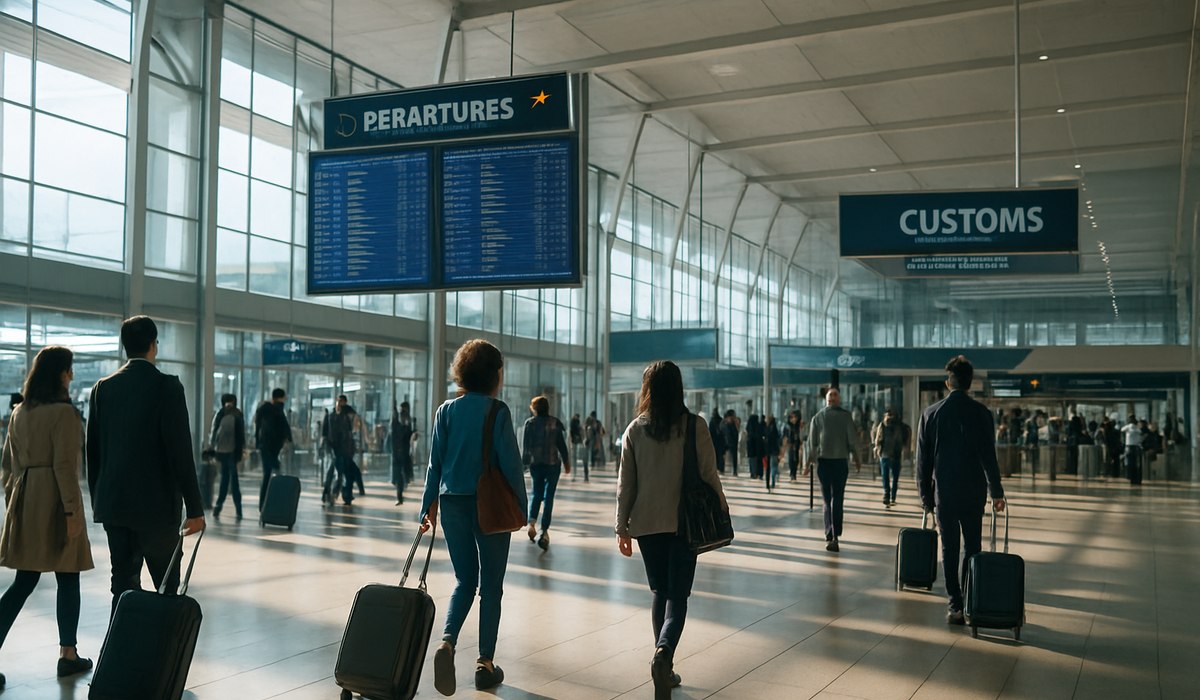
Image generated by AI
Major US Airports Face International Flight Status Loss Under New DHS Plan
Eleven prominent US airports including John F. Kennedy International (JFK) in New York and Los Angeles International (LAX) are facing potential loss of international airport designation under a controversial proposal from newly appointed Department of Homeland Security Secretary Markwayne Mullin. The initiative would withdraw Customs and Border Protection officers from airports located in sanctuary cities—municipalities that restrict cooperation with US Immigration and Customs Enforcement operations. This unprecedented move threatens to fundamentally alter international travel infrastructure and could disrupt thousands of daily cross-border flights beginning in 2026.
Which Airports Are Targeted?
The DHS proposal targets some of America's busiest and most economically significant international gateways. The complete list of airports international airport facilities under consideration includes:
San Francisco International (SFO), Seattle-Tacoma International (SEA), Portland International (PDX), Denver International (DEN), Chicago O'Hare International (ORD), Boston Logan International (BOS), New York JFK, Newark Liberty International (EWR), Los Angeles LAX, and two additional major metropolitan hubs pending final administrative review.
These airports collectively process over 450 million passengers annually and serve as critical connections for transatlantic, transpacific, and Latin American routes. JFK alone handles approximately 62 million passengers yearly, while LAX manages 88 million, making them among the world's busiest airports international airport facilities for global commerce and tourism.
Why Are Sanctuary Cities Under Fire?
Sanctuary cities maintain policies limiting local law enforcement cooperation with federal immigration authorities. These jurisdictions argue that such independence strengthens community trust and allows local police to focus resources on serious crimes rather than immigration enforcement. However, the DHS administration views these policies as obstructing border security and immigration compliance.
Secretary Mullin's proposal represents an escalation in federal pressure against sanctuary jurisdictions. By threatening to withdraw CBP personnel, the administration suggests it can leverage airport operations as leverage to compel policy changes. Legal experts anticipate constitutional challenges, as airports international airport operations involve complex federal, state, and local jurisdiction questions. The proposal has generated immediate opposition from airport authorities, airlines, and civil liberties organizations who argue the plan would create operational chaos and economic damage.
What Would Loss of International Status Mean?
Stripping international airport designation would eliminate the ability to process arriving international passengers, customs declarations, and immigration screening. Airlines would need to divert all international flights facing rerouting to approved airports international airport facilities, fundamentally altering service patterns developed over decades.
For passengers, consequences would include:
Significantly longer travel times due to connecting flights rather than direct service. Increased airfare costs as airlines absorb operational expenses for rerouted flights. Reduced airline competition on major routes, limiting consumer choice. Economic disruption in affected cities as tourism and business travel decline. Supply chain complications for cargo operations currently handled at these hubs.
The Port Authority of New York and New Jersey estimates JFK-focused disruptions alone could cost the regional economy $8 billion annually in lost business activity and tourism spending.
What's Next for Affected Airlines and Travelers?
Major carriers including American Airlines, United Airlines, Delta Air Lines, Southwest Airlines, and international operators like British Airways, Lufthansa, and Japan Airlines face operational restructuring if the proposal advances. These airlines have collectively invested billions in terminal infrastructure at threatened airports.
Airlines are reportedly preparing contingency plans including:
Establishing connecting hub arrangements through unaffected major cities. Increasing flights to approved gateway airports. Negotiating temporary operating agreements with CBP at alternative locations. Lobbying Congress and state legislatures for protective legislation.
The FAA has convened task forces to study operational feasibility, though officials privately acknowledge significant implementation challenges. Passenger disruption seems inevitable during any transition period lasting months or potentially years.
Traveler Action Checklist
Take these steps to protect your travel plans:
-
Monitor your airline's official website and email notifications for route changes or schedule modifications affecting your bookings.
-
Check flight status 72 hours before departure using FlightAware to identify any unexpected routing changes.
-
Review your airline's policy regarding connecting flights, seat assignments, and compensation eligibility if your direct flight is cancelled.
-
Contact your airline directly if you have existing bookings to San Francisco, Seattle, Portland, Denver, Chicago, Boston, New York area airports, or Los Angeles before final policy implementation.
-
Consider purchasing travel insurance that covers airline schedule changes and significant delays exceeding 6 hours.
-
Register for TSA PreCheck or Global Entry to minimize customs processing delays if your flight is rerouted to alternative gateways.
-
Bookmark the official FAA guidance at faa.gov and check weekly for updated announcements regarding implementation timelines.
-
Document any flight cancellations or involuntary rebooking incidents for potential compensation claims under Department of Transportation regulations.
Key Data: Airports International Airport Impact Analysis
| Airport | Annual Passengers | International Routes | Primary Markets | Sanctuary City Status | Risk Level |
|---|---|---|---|---|---|
| Los Angeles (LAX) | 88.2 million | 110+ | Asia, Europe, Latin America | Yes | Critical |
| New York JFK | 62.1 million | 180+ | Europe, Asia, Caribbean | Yes | Critical |
| San Francisco (SFO) | 58.7 million | 95+ | Asia-Pacific focus | Yes | Critical |
| Chicago O'Hare (ORD) | 84.6 million | 160+ | Global hub | Yes | High |
| Boston Logan (BOS) | 42.3 million | 65+ | Transatlantic | Yes | High |
| Seattle-Tacoma (SEA) | 51.8 million | 48+ | Asia-Pacific | Yes | High |
| Denver (DEN) | 69.3 million | 28+ | Latin America, Europe | Yes | Medium |
What This Means for Travelers
The potential loss of international airport status would fundamentally reshape how Americans access global travel. Direct flights accounting for approximately 35% of current international departures from affected hubs would face cancellation, forcing most passengers onto connecting itineraries requiring 4-8 additional hours of travel time.
Actionable implications for your 2026 travel planning:
Book international flights departing from unaffected airports when possible, prioritizing Houston, Miami, Dallas, or Atlanta as viable alternatives. If traveling from affected regions, expect ticket prices to increase 15-25% as airlines absorb rerouting expenses and reduce supply through fewer flights. Maintain flexibility in your schedules, as airports international airport disruptions could create cascading delays throughout connecting networks. Track legislative developments, as Congress may intervene to prevent implementation, making current uncertainty temporary.
International visitors to affected cities should anticipate difficulty securing direct inbound flights, potentially extending arrival procedures by 2-4 hours per connection. Tourism boards warn of reduced competitive positioning against Canadian and Mexican alternatives for international business travel.
FAQ: Airports International Airport and International Flight Status
Q: When would these changes actually take effect if approved?
A: The DHS has not announced a specific implementation date. Legal challenges could extend timelines by months or years. Airlines require 90-180 days notice to restructure operations responsibly.
Q: Could affected airports lose all international flights completely?
A: Complete elimination is unlikely but possible for smaller hubs. Major airports like JFK and LAX would likely retain some international service through connecting arrangements or emergency exemptions negotiated with federal authorities.
Q: Are there legal grounds to block this proposal?
A: Yes. Constitutional scholars identify separation-of-powers concerns, dormant commerce clause issues, and potential takings claims regarding airport authority property rights invested in international facilities.
**Q: Should I cancel existing book
Disclaimer
This article is for informational and educational purposes only. It does not constitute legal, financial, or professional advice. While we strive to provide accurate and up-to-date information, travel policies, regulations, and conditions change rapidly. Always verify information with official sources before making travel decisions. Nomad Lawyer makes no representations about the accuracy, reliability, completeness, or suitability of the information provided. Readers should consult qualified professionals for advice specific to their circumstances. The views expressed in this article are those of the author and do not necessarily reflect the views of Nomad Lawyer.
Raushan Kumar
Founder & Lead Developer
Full-stack developer with 11+ years of experience and a passionate traveller. Raushan built Nomad Lawyer from the ground up with a vision to create the best travel and law experience on the web.
Learn more about our team →