
Airlines Summer Expect Record Travel Despite Fuel Cost Pressures
U.S. airlines project another record summer travel season in 2026 despite elevated fuel costs squeezing margins. Early data suggests consumer spending momentum may be cooling as travelers remain price-conscious.

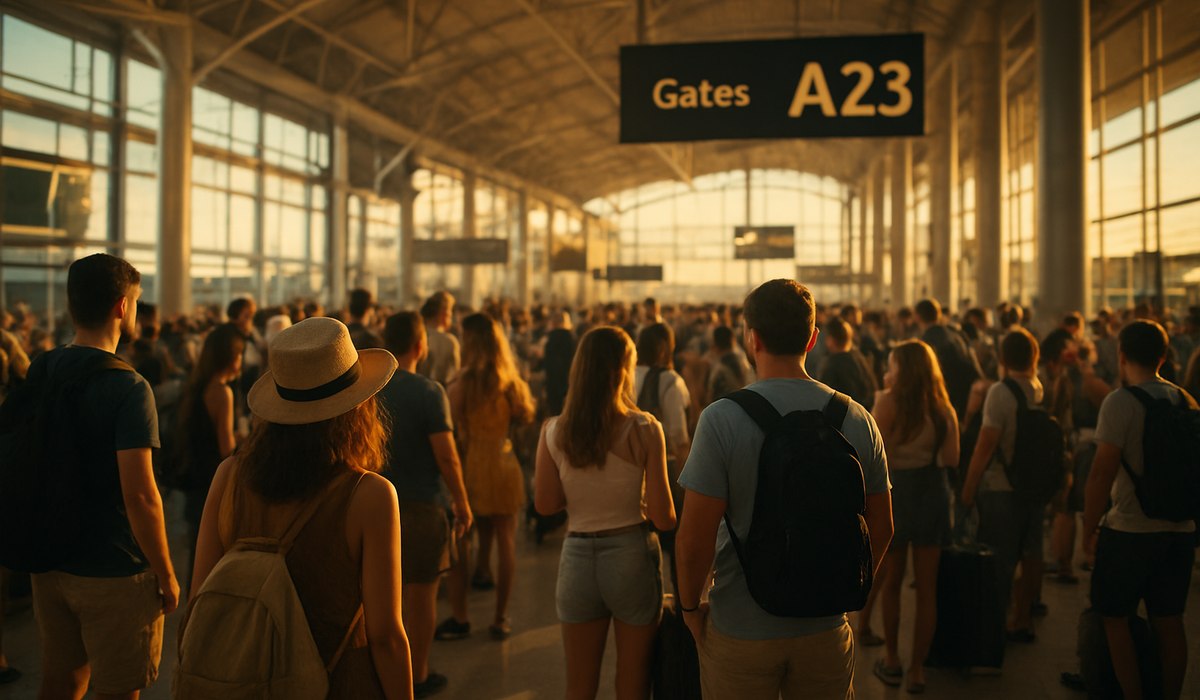
Image generated by AI
U.S. Carriers Brace for Banner Summer Travel Season
Major U.S. airlines are preparing for another record-breaking summer travel period in 2026, despite persistent headwinds from soaring fuel costs that threaten to compress profit margins across the industry. Carriers including American, Delta, United, and Southwest are deploying additional aircraft and expanding flight schedules to accommodate surging demand from leisure and business travelers. However, preliminary booking data and consumer spending indicators suggest that while passenger volumes will likely reach historic highs, the growth trajectory may be moderating compared to previous years. Airlines summer expect to move millions of passengers through major hubs like Atlanta, Dallas, Chicago, and Los Angeles, yet revenue per seat faces pressure from fuel price volatility and shifting traveler behavior.
Record Passenger Numbers Expected This Summer
Transportation analysts project that U.S. airlines will welcome 250+ million passengers during the peak summer months of June, July, and August 2026. This trajectory would represent the highest seasonal traffic volume in commercial aviation history, surpassing 2025's already-robust figures. Major carriers have increased domestic and international capacity by 3–5% year-over-year, with particular growth on leisure routes to Florida, Hawaii, Las Vegas, and Caribbean destinations. Regional airports are also experiencing expansion, with carriers adding service to secondary markets to distribute demand and optimize load factors. The Transportation Security Administration anticipates record screening volumes at U.S. airports, with peak travel days potentially exceeding 2.8 million passengers. Airlines summer expect this demand to remain relatively steady through Labor Day, though booking curves show some softening in advance purchases compared to historical patterns.
Fuel Price Pressures Mount for Airlines
Jet fuel prices have remained elevated throughout 2026, hovering 15–20% above five-year averages despite global economic uncertainties. This cost environment directly impacts airline profitability, as fuel typically represents 25–35% of operating expenses for U.S. carriers. Delta, American, and United have all cited fuel price volatility as a material risk factor in recent earnings guidance, though none have significantly altered summer flight schedules in response. Some carriers have accelerated retirement of older, less fuel-efficient aircraft and invested in fleet modernization to offset rising per-gallon costs. Hedging strategies employed by major airlines provide partial insulation from sudden price spikes, but sustained elevated fuel costs compress margins on competitive routes. Industry analysts suggest that without significant fuel price declines, airlines may need to implement modest capacity reductions or modest fare increases in fall 2026 to protect profitability while maintaining summer peak service levels.
Early Signs of Consumer Spending Slowdown
While airlines summer expect record passenger volumes, preliminary booking data and travel industry metrics reveal concerning trends in consumer expenditure patterns. Average ticket prices have risen 4–6% year-over-year, yet booking windows have compressed, suggesting travelers are delaying purchase decisions and price-shopping more aggressively. Ancillary revenue metrics—baggage fees, seat selection, and premium cabin upgrades—show modest growth rates below 2%, indicating that consumers are becoming more price-conscious despite strong overall demand. Regional leisure carriers report that budget-conscious travelers are increasingly selecting basic economy fares and consolidating trips, prioritizing value over premium experiences. Credit card spending data from major issuers suggests that discretionary travel budgets are tightening among middle-income households, though affluent travelers continue robust booking activity. Industry observers warn that if consumer spending momentum continues to decelerate through June and July, airlines may face revenue headwinds despite achieving record passenger counts, creating a challenging profit environment for summer 2026.
What This Means for Travelers
Summer 2026 presents both opportunities and challenges for air travelers navigating peak season dynamics. Abundant flight inventory should provide flexibility in booking, though demand on popular routes and dates will drive competitive pricing. Passengers can leverage current capacity by booking less-popular departure times or secondary airports to capture better fares. Travel insurance and flexible ticketing options become increasingly valuable given the high-traffic environment. Airlines will likely maintain strong service schedules to secondary destinations, offering alternatives to congested major hubs. Expect longer security lines at peak airports during summer Fridays and Sundays, requiring earlier arrival windows. Fuel price uncertainty may introduce occasional schedule adjustments or operational changes, making real-time flight tracking essential. Business travelers should monitor airline mileage programs and corporate travel partnerships, as award availability may tighten during peak demand periods.
Traveler Action Checklist
- Book off-peak flights – Select early morning or late evening departures to access lower fares and reduced airport congestion during summer 2026.
- Monitor fuel surcharge trends – Track energy markets and airline fuel hedging announcements to anticipate potential fare adjustments in coming weeks.
- Set price alerts early – Establish fare tracking on your preferred routes immediately; booking windows are compressing as consumers delay purchases.
- Choose secondary airports – Route through alternative hubs like Fort Lauderdale or Austin instead of saturated Miami or Dallas centers.
- Verify baggage allowances – Confirm current ancillary policies with your airline, as fuel costs may prompt fee restructuring mid-summer.
- Download flight tracking apps – Install FlightAware to receive real-time notifications of schedule changes or delays caused by operational pressures.
- Review TSA PreCheck status – Validate your PreCheck eligibility before peak summer dates to expedite security screening at major airports.
- Purchase trip insurance – Protect your investment with comprehensive coverage given potential for last-minute airline adjustments in volatile fuel environment.
Key Summer 2026 Airline Data
| Metric | Value | Year-over-Year Change |
|---|---|---|
| Projected summer passengers | 250+ million | +2.1% |
| Domestic flight capacity increase | 3–5% | Expansion phase |
| Current jet fuel premium vs. 5-year average | +15–20% | Sustained elevation |
| Fuel cost percentage of operating expenses | 25–35% | Structural impact |
| Average ticket price increase | +4–6% | Consumer pushback |
| Ancillary revenue growth rate | ~2% | Deceleration |
| Peak daily TSA screening volume | 2.8+ million | Record projection |
| Booking window compression | 5–7 days shorter | 2025 comparison |
FAQ
Q: Will airlines summer expect to maintain current flight schedules despite fuel costs? A: Yes, major carriers have committed to summer capacity levels despite fuel price headwinds. Profitability pressure exists, but schedule reductions are unlikely until fall 2026. Carriers are managing costs through operational efficiency, aircraft utilization optimization, and strategic pricing rather than capacity cuts during peak season.
Q: How do I find the best fares for summer 2026 travel? A: Book off-peak flights, use secondary airports, set price alerts immediately, and compare across multiple booking channels. Tuesday and Wednesday departures typically offer lower fares than weekend flights. Budget airlines and connecting itineraries often provide savings, though total travel time increases.
Q: What happens if my flight is cancelled due to operational issues? A: Under U.S. DOT regulations outlined at US DOT, you're entitled to rebooking on the next available flight at no charge, plus compensation if denied boarding due to overbooking. Review your airline's specific policy before travel to understand obligations.
Q: Are airlines summer expect to add flights to less-popular routes? A: Absolutely. Regional carriers are expanding secondary market service to distribute demand away from congested hubs. Smaller airports in secondary markets offer more flight options than previous years, providing alternatives and sometimes better pricing during peak summer 2026.
Related Travel Guides
Disclaimer
This article is for informational and educational purposes only. It does not constitute legal, financial, or professional advice. While we strive to provide accurate and up-to-date information, travel policies, regulations, and conditions change rapidly. Always verify information with official sources before making travel decisions. Nomad Lawyer makes no representations about the accuracy, reliability, completeness, or suitability of the information provided. Readers should consult qualified professionals for advice specific to their circumstances. The views expressed in this article are those of the author and do not necessarily reflect the views of Nomad Lawyer.
Raushan Kumar
Founder & Lead Developer
Full-stack developer with 11+ years of experience and a passionate traveller. Raushan built Nomad Lawyer from the ground up with a vision to create the best travel and law experience on the web.
Learn more about our team →