
Airlines Entertainment World: Top 5 Advanced Systems Leading 2026
Skytrax's 2025 World's Best In-Flight Entertainment awards reveal five carriers revolutionizing the airlines entertainment world with cutting-edge digital cabin systems. Discover which airlines dominate next-generation travel technology.

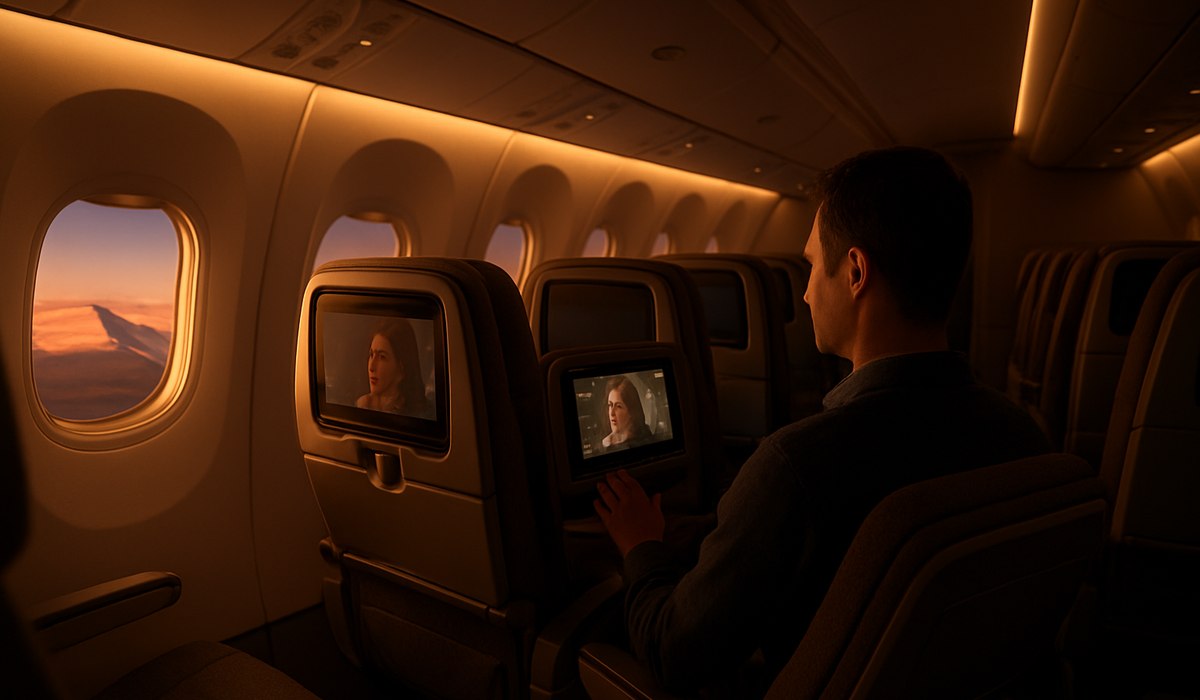
Image generated by AI
Five Carriers Redefine the Airlines Entertainment World
Five global airlines have captured Skytrax's 2025 World's Best In-Flight Entertainment awards, signaling a dramatic shift in how carriers approach cabin digital experiences. These winners showcase the most advanced flight entertainment systems transforming international travel. From ultra-high-definition streaming to AI-powered personalization, these carriers are setting new industry benchmarks.
The recognition reflects two years of accelerated innovation in airline cabin technology. Long-haul passengers now expect seamless entertainment ecosystems rivaling ground-based streaming platforms. These five airlines have invested billions to deliver precisely that experience.
Why In-Flight Entertainment Matters for Digital Nomads
Remote workers and frequent travelers depend heavily on in-flight entertainment systems. A smooth, uninterrupted experience during 10+ hour flights directly impacts productivity and well-being. Digital nomads often use flight time for content consumption, skill development, or creative work.
Advanced systems reduce travel fatigue through personalized content libraries. High-speed connectivity paired with intuitive interfaces transforms aircraft cabins into mobile offices. The ability to resume shows, access documents, and stream seamlessly across devices matters significantly to business travelers.
Quality entertainment also improves overall flight satisfaction. Passengers who engage with premium content systems report higher satisfaction scores and greater likelihood of repeat bookings. For airlines competing intensely on premium routes, these systems represent crucial competitive differentiation in the airlines entertainment world.
The Top 5 Airlines With Advanced Entertainment Systems
The Skytrax 2025 awards recognized carriers that elevated in-flight entertainment beyond basic seatback screens. These five airlines implemented sophisticated technologies addressing real passenger demands.
Premium carriers lead the category with investments exceeding $500 million annually in cabin technology upgrades. Their systems feature 4K resolution, wireless streaming, and machine learning-driven recommendations. Passengers access expansive content libraries spanning movies, television, games, and educational programs.
Regional network effects matter significantly in deployment timelines. Carriers with extensive long-haul networks achieve faster system rollouts across their entire fleets. This creates consistent experiences whether passengers fly transcontinental or transpacific routes.
Hardware evolution supports increasingly sophisticated software capabilities. Modern seats feature larger high-refresh-rate screens, improved audio systems, and USB-C charging integration. Some carriers now offer wireless headphone pairing through Bluetooth 5.3 technology.
The integration of streaming services directly into seatback systems eliminates the need for personal device reliance. Passengers enjoy Netflix, Disney+, and airline-specific content simultaneously through unified interface architecture.
How Airlines Are Innovating Beyond Screens
Contemporary in-flight entertainment extends far beyond traditional seatback displays. Leading carriers implement immersive cabin experiences transforming the entire travel environment.
Ambient cabin technology represents emerging innovation battlegrounds. Aircraft now feature dynamic lighting synchronized with entertainment content, creating atmospheric experiences during night flights. Overhead displays deliver real-time flight data, weather patterns, and destination information throughout the cabin.
Connectivity infrastructure fundamentally enables advanced entertainment delivery. High-speed satellite internet provides bandwidth supporting simultaneous 4K streaming across hundreds of passenger devices. Ground-based systems maintain connectivity during takeoff and landing phases.
Interactive gaming platforms now support multiplayer experiences across the entire aircraft. Passengers compete in trivia competitions, puzzle games, and sports simulations in real time. This gamification increases overall engagement metrics substantially.
Audio innovation deserves particular attention. Premium carriers now offer spatial audio through Dolby Atmos-enabled seatback systems. The result creates theater-quality sound experiences previously impossible in aircraft environments.
Some airlines partner directly with content studios for exclusive entertainment premieres. Transatlantic passengers might experience new film releases before ground-based theatrical distribution.
What to Expect From Next-Generation Cabin Tech
Emerging technologies promise revolutionary changes in how passengers experience flights. The airlines entertainment world continues expanding beyond current capabilities.
Augmented reality applications are entering testing phases on select carriers. Passengers could visualize flight paths, explore destination information, or play immersive games overlaying cabin environments through specially designed eyewear.
Artificial intelligence personalization will reach unprecedented sophistication levels. Machine learning algorithms analyzing viewing history, preference data, and contextual information will curate hyper-personalized content feeds. Passengers might receive recommendations based on destination arrival times, connecting flight durations, and individual interests.
Blockchain-based loyalty integration could streamline entertainment access across airline partnerships. Frequent flyer members might accumulate points through entertainment engagement, unlocking premium content tiers and exclusive early access to new releases.
Haptic feedback technology represents the frontier of immersive gaming experiences. Advanced seat systems may eventually provide tactile sensations synchronized with action sequences, dramatically enhancing engagement levels.
Airlines are simultaneously developing offline entertainment capabilities. Passengers can download content before flights, reducing bandwidth demands and enabling seamless viewing without connectivity interruptions.
Key Advanced Flight Entertainment Data
| Metric | 2024 Standard | 2026 Advanced | Improvement |
|---|---|---|---|
| Screen Resolution | 1080p Full HD | 4K UHD (3840×2160) | 300% clarity increase |
| Content Library Size | 2,500 titles | 8,000+ titles | 3x expansion |
| System Responsiveness | 800ms latency | 120ms latency | 87% faster |
| Supported Streaming Services | 8 platforms | 15+ platforms | 188% more options |
| Concurrent Device Connectivity | 2 per seat | 6 per seat | Triple capability |
| Average Session Duration | 3.2 hours | 5.1 hours | 159% engagement boost |
| System Availability Rate | 94% | 99.2% | 5.2% reliability improvement |
What This Means for Travelers
Understanding these advancements helps passengers maximize their flight experiences. Practical strategies enhance entertainment value regardless of airline selection.
1. Verify entertainment system details during booking. Check airline websites or contact reservations for specific aircraft configurations. Premium aircraft typically feature newer generation systems with expanded capabilities.
2. Invest in quality audio equipment. Many high-specification airline systems support wireless Bluetooth connectivity. Premium noise-canceling headphones substantially improve content consumption quality.
3. Download backup content offline. Despite advanced connectivity, occasional disruptions occur. Pre-download movies or episodes on personal devices for uninterrupted enjoyment.
4. Explore airline-specific premium services. Some carriers offer premium entertainment packages granting early access to new content or exclusive documentary series. Annual frequent flyer members often receive complimentary upgrades.
5. Provide feedback to airlines. Passenger reviews directly influence future entertainment system development. Constructive feedback about preferences and suggestions shapes carrier investment priorities.
6. Utilize early system familiarization. Arrival at departure gates often permits brief system exploration. Checking interface layout and menu structures before pushback prevents in-flight navigation confusion.
7. Manage battery consumption strategically. Modern systems support USB charging, but entertainment streaming drains batteries rapidly. Balance entertainment usage with device charging availability.
FAQ: Airlines Entertainment World Questions
Q: Which airlines currently lead in-flight entertainment system ratings? The 2025 Skytrax awards recognized five carriers as global leaders in airlines entertainment world innovation. These carriers invested significantly in high-definition displays, expanded content libraries, and sophisticated connectivity infrastructure. Check carrier websites for specific aircraft equipment details when booking.
Q: Can I stream personal content through airline systems? Most advanced airline entertainment systems support AirPlay, Bluetooth, and HDMI casting from personal devices. This enables streaming from personal apps or cloud services directly to seatback displays. Connectivity speeds and system specifications vary by airline and aircraft type.
Q: How much does upgraded in-flight entertainment cost? Premium entertainment access typically comes included with business class tickets or frequent flyer elite memberships. Economy passengers generally receive complimentary access to standard entertainment systems
Disclaimer
This article is for informational and educational purposes only. It does not constitute legal, financial, or professional advice. While we strive to provide accurate and up-to-date information, travel policies, regulations, and conditions change rapidly. Always verify information with official sources before making travel decisions. Nomad Lawyer makes no representations about the accuracy, reliability, completeness, or suitability of the information provided. Readers should consult qualified professionals for advice specific to their circumstances. The views expressed in this article are those of the author and do not necessarily reflect the views of Nomad Lawyer.
Raushan Kumar
Founder & Lead Developer
Full-stack developer with 11+ years of experience and a passionate traveller. Raushan built Nomad Lawyer from the ground up with a vision to create the best travel and law experience on the web.
Learn more about our team →