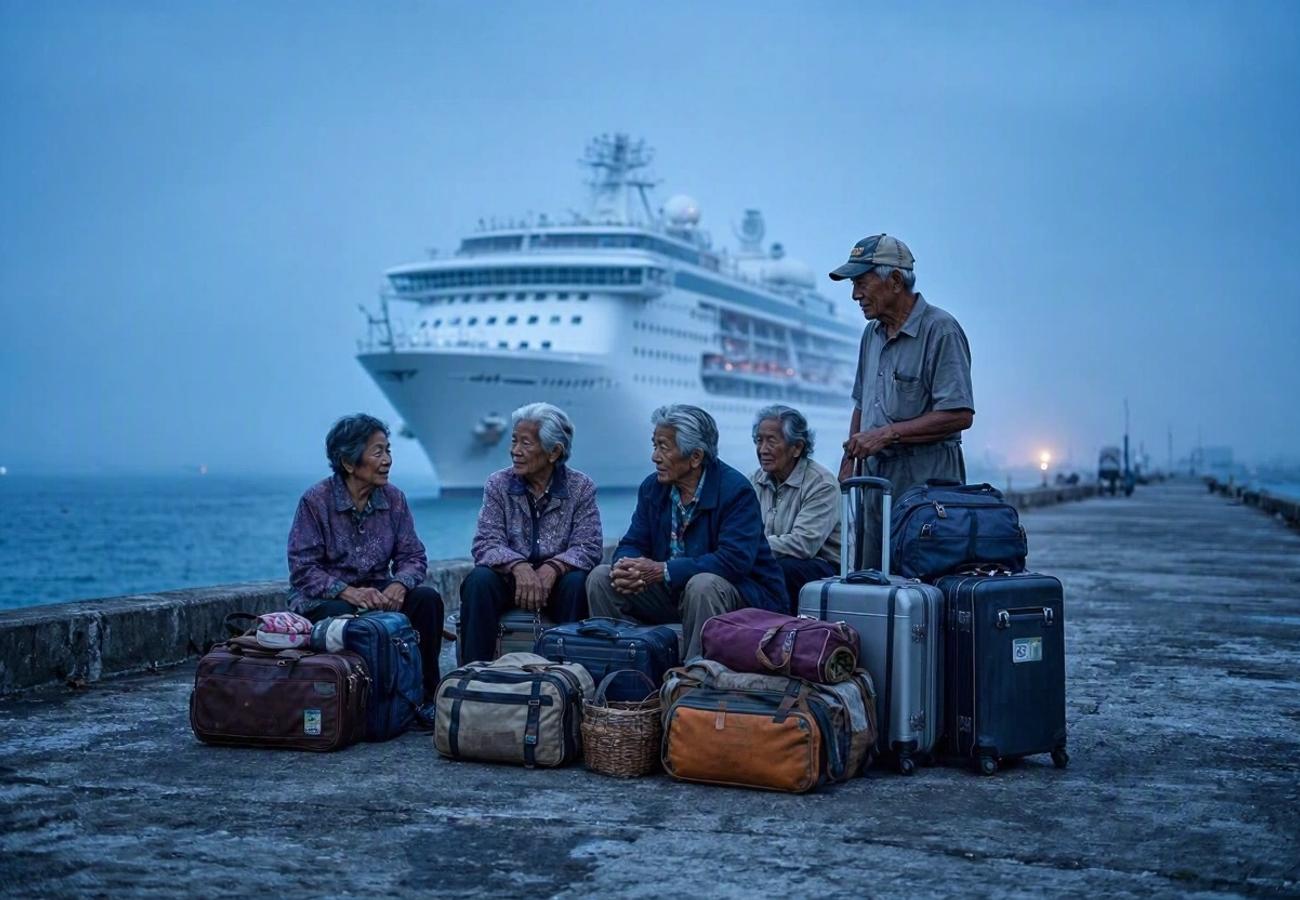
Air New Zealand Skynest Delayed to May 2027: Long-Haul Comfort and Arrival Day Guide

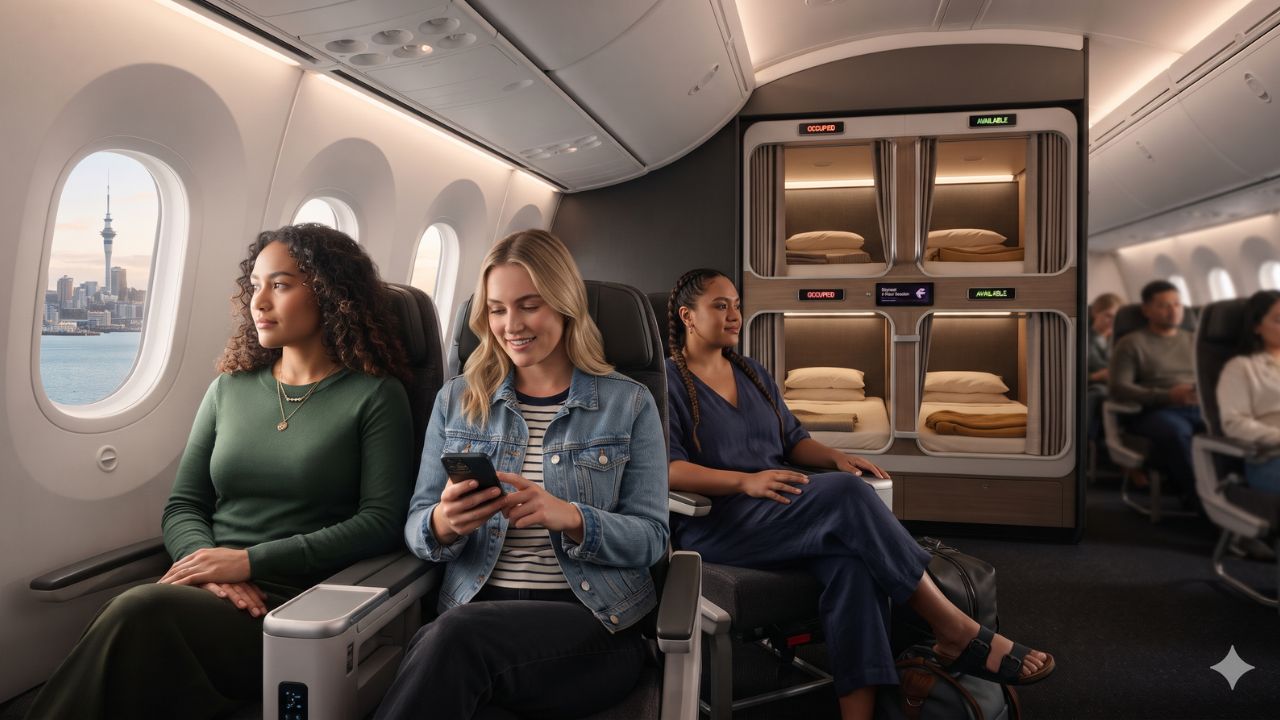
While New Zealand welcomed an influx of overseas visitors in August 2026 reaching 99 percent of pre-pandemic 2019 levels—boosted by a 32 percent surge from China and 4.9 percent growth from Australia—holidaymakers booking transpacific flights face an unexpected shift in comfort strategies as Air New Zealand moves its Skynest bunk pods from December 2026 to May 2027. By October 30, 2026, the national carrier's official booking channels updated service schedules on its premier Auckland–New York route, reminding travelers that an ultra-long-haul journey spanning 17 hours cannot rely on an anticipated onboard bed to cure opening-day exhaustion.
Skynest Rollout Pushed to May 2027: Shifting Flight Realities on the New York Route
Air New Zealand originally promoted December 2026 for the commercial debut of its world-first Skynest sleep system, engineered specifically for its Boeing 787 Dreamliner fleet. However, the airline's official reservations portal now lists May 2027 as the earliest departure month featuring the six-pod sleeping structure on flights between Auckland International Airport (AKL) and New York's John F. Kennedy International Airport (JFK).
For travelers planning southern hemisphere summer vacations across New Zealand between December and February, this revised timeline alters transit expectations. Skynest was designed not as an entire-flight upgrade, but as a separately purchased four-hour sleeping session available to ticketed Economy and Premium Economy passengers. Crucially, travelers booked in Skynest retain their regular allocated seats for takeoff, meal services, and landing.
Entering the two-tier bunk structure requires specific mobility. The airline's published operating rules establish a minimum passenger age of 15 years old, noting that climbing into upper pods or sliding into lower bunks involves bending, kneeling, and crawling. For families traveling with younger children, or visitors managing limited joint flexibility, standard seating configurations remain the primary reality regardless of equipment launch dates.
The Transpacific Arrival Reality: Why Auckland's Opening Hours Shape the Trip
Touching down at Auckland International Airport after crossing twelve to seventeen time zones exposes travelers to a common pitfall: assuming that enthusiasm can override circadian fatigue. Most long-haul flights from North America and Asia touch down between 5:30 AM and 8:30 AM. After proceeding through New Zealand's rigorous biosecurity screenings—where Ministry for Primary Industries detector dogs inspect luggage for undeclared fresh fruit, honey, and soiled hiking footwear—travelers emerge into the terminal long before standard 2:00 PM or 3:00 PM hotel check-in times.
Relying on an onboard sleep pod was never a substitute for an intentional first-day itinerary. Travelers who step off an aircraft and immediately collect a rental car to drive across unfamiliar rural highways face severe fatigue risks. The early hours spent transitioning from the aircraft cabin to central Auckland set the tone for the entire journey, making accommodation arrangements and transport pacing far more influential than four hours in a mid-flight bunk.
Critical First-Day Booking Checklist: Managing Hotels, Wheels, and Excursions
To safeguard the opening days of a New Zealand holiday, independent travelers should align their transport, lodging, and activity commitments before departing home:
| Journey Component | Operational Challenge | Recommended Traveler Strategy |
|---|---|---|
| Hotel Room Access | Standard 3:00 PM check-in leaves early morning arrivals stranded with heavy luggage | Pre-book the room for the preceding calendar night to guarantee immediate dawn room access, or request written confirmation of early luggage drop and club lounge access. |
| Vehicle Rental Pickup | Acute sleep deprivation combined with driving on the left side of unfamiliar roads | Postpone collecting a rental car until your second morning; use dedicated airport express transport into central Auckland for your first night. |
| Airport Transfers | Long taxi queues and high peak-hour fares along the Southwestern Motorway | Take the dependable SkyDrive express bus direct to SkyCity Auckland, or pre-arrange an executive transfer through your hotel concierge. |
| Day-One Excursions | Booking demanding scenic flights or hiking tours while fighting extreme circadian lag | Keep the first 24 hours unstructured; restrict activities to casual harbor walks, open-air park strolls, and early dinners. |
| Travel Insurance | Medical and trip delay coverage policies often exclude fatigue-related vehicle incidents | Verify that your policy provides comprehensive rental vehicle collision excess coverage and medical emergency care. |
Rather than attempting to pack major sightseeing into your arrival day, treat your first 24 hours as a deliberate decompression phase. This approach protects both personal well-being and travel investments.
Visitor Insider Tips for Auckland and Beyond: Timing, Etiquette, and Gentle Acclimatization
Navigating Auckland during your initial day requires hyper-local awareness to avoid rookie mistakes and embrace Kiwi living:
- Base Yourself in Pedestrian Neighborhoods: Reserve your initial nights around Britomart, the Viaduct Harbour, or Wynyard Quarter. These waterfront precincts offer flat, pedestrian-friendly strolling, high-density dining, and immediate ferry access, eliminating the need to drive in city traffic.
- The Morning Acclimatization Ferry Trick: To stay awake without exerting heavy physical effort, walk to the Downtown Ferry Terminal and take the scenic 12-minute ferry to the historic seaside village of Devonport. Grab a fresh pastry, stroll past Victorian villas, and wander gently up Mount Victoria (Takarunga) for sweeping 360-degree vistas of the Auckland skyline, Rangitoto Island, and the Waitematā Harbour.
- Embrace Kiwi Coffee Culture: Combat morning grogginess by seeking out local espresso bars rather than international coffee chains. Order a classic New Zealand flat white paired with a savory cheese scone at neighbourhood bakeries along federal street or Britomart place. Baristas take pride in temperature control and velvety micro-foam.
- Biosecurity and Kauri Protection Etiquette: When packing outdoor gear, thoroughly scrub hiking boots and walking poles before departure. New Zealand enforces strict biosecurity to protect native flora from kauri dieback disease, a soil-borne pathogen threatening ancient forest giants. Always clean footwear at wash stations installed at park trailheads.
- Local Dining Hours: Auckland kitchens close earlier than in southern Europe or Southeast Asia. Most top downtown restaurants complete evening dinner seatings between 8:30 PM and 9:00 PM, making an early 6:30 PM dinner reservation ideal for exhausted travelers eager for an early night.
Cultural and Environmental Context: The Tiaki Promise, Road Safety, and Tourism Balancing
New Zealand's tourism industry is experiencing a robust rebound. According to an official announcement issued on October 14, 2026, by Tourism and Hospitality Minister Louise Upston, overseas visitor arrivals in August reached 99 percent of the corresponding pre-pandemic 2019 levels. Inbound traffic from China expanded by 32 percent year-on-year, while Australian arrivals climbed 4.9 percent, alongside strong growth from the United States, Malaysia, Indonesia, and Japan. The government's stated goal is to fully restore and surpass 2019 visitor benchmarks during 2026.
This surge in visitor volume brings renewed focus to road safety and environmental guardianship. The NZ Transport Agency Waka Kotahi publishes comprehensive driving directives for international travelers, explicitly warning visitors to take sufficient rest before operating motor vehicles. New Zealand's highway network features narrow, two-lane rural roads with winding topography, one-lane bridges, and variable mountain weather. When jet-lagged tourists unfamiliar with left-hand traffic take the wheel immediately after long flights, collision risks escalate significantly.
Furthermore, Tourism New Zealand actively promotes the Tiaki Promise—a national cultural commitment rooted in indigenous Māori values of kaitiakitanga (guardianship and environmental preservation). The Tiaki Promise encourages international guests to act as guardians of the land, sea, and communities while visiting sacred landscapes, including the UNESCO World Heritage site of Tongariro National Park. Respecting the physical realities of travel by driving well-rested, protecting native forests, and treading lightly across coastal waterways ensures that the expansion of tourism enriches local communities rather than degrading fragile natural ecosystems.
FAQ: Planning Your New Zealand Long-Haul Arrival 2026–2027
When will Air New Zealand Skynest pods officially enter passenger service?
Air New Zealand's official reservations portal currently schedules the commercial launch of Skynest bunk pods on the Auckland–New York route beginning in May 2027.
Does a Skynest booking replace my Economy or Premium Economy seat?
No. Skynest is a four-hour sleep session reserved during flight. Passengers keep their dedicated aircraft seat for takeoff, meals, turbulence, and landing.
Is it safe to rent a car and drive immediately after landing in Auckland?
No. The NZ Transport Agency Waka Kotahi urges international arrivals to rest thoroughly before driving. Operating vehicles on unfamiliar roads while sleep-deprived creates severe safety hazards.
What is the minimum age to sleep in an Air New Zealand Skynest pod?
The published minimum age is 15 years old. Passengers must also possess the physical mobility to bend, kneel, and climb into bunk berths.
A rewarding journey across Aotearoa begins not with a hurried race down rural highways, but with crisp harbor breezes, mindful rest, and embracing the patient rhythm of the land.
Related Travel Guides
Air France Middle East Flight Suspensions: Dubai and Riyadh Travel Planning and Rights Guide
Singapore Stopover Holidays 2027: How the New Sustainable Aviation Fuel Levy Impacts Changi Fares
Top 10 Auckland Layover Spots and Coffee Houses for Exhausted Travelers, According To Reddit (Coming Soon)
This article is for informational purposes. Flight routes, passenger regulations, visa rules, and transit advisories are subject to change by airlines and aviation authorities. Readers are advised to verify schedules and travel documentation with relevant carriers and border agencies before departure.
Related Stories

Jin Air Data Security Concerns: What Happens to Passenger Information After Your South Korea Holiday
US-Bound Flights Face Global Boarding Delays as CDC Ebola Attestation Disrupts International Hubs