
Airlines Economy Class Seats Get Competitive Redesign in 2026
In 2026, major global airlines economy class offerings are evolving with superior seat designs, expanded legroom, and enhanced passenger comfort innovations as carriers compete for budget-conscious travelers.

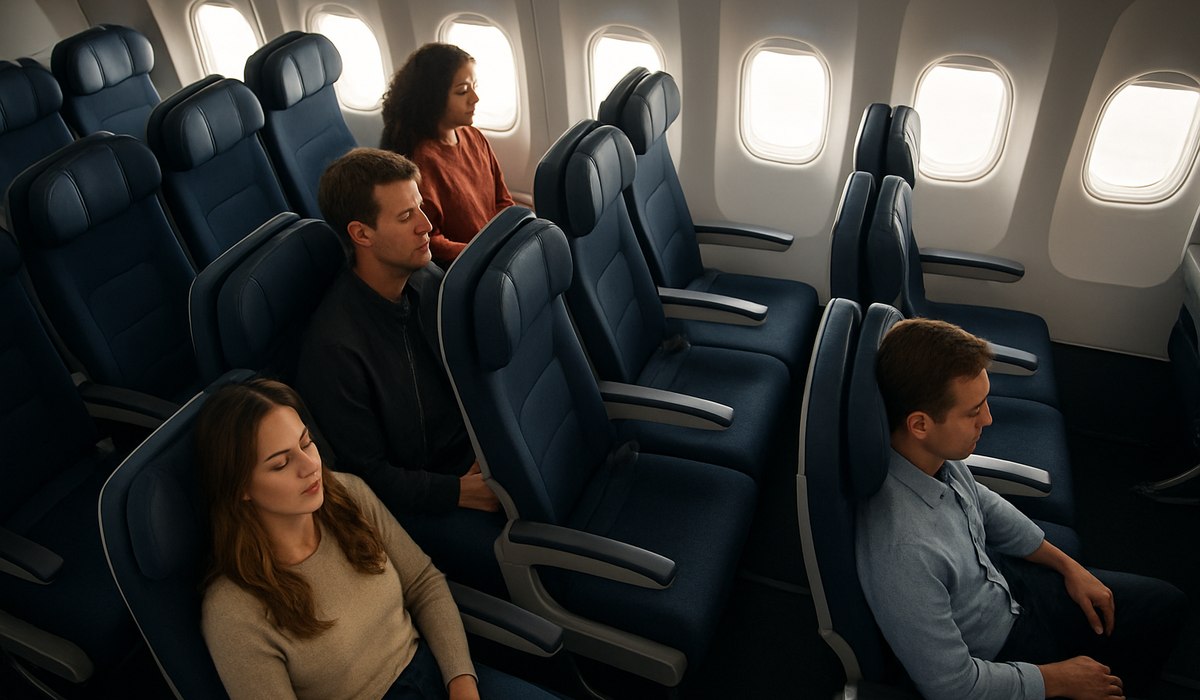
Image generated by AI
Economy Class Seats Get Competitive Redesign in 2026
Airlines worldwide are redefining what economy class means for passengers in 2026. While business and first class cabins have long dominated headlines with luxury innovations, economy class is where the majority of global travelers spend their flight time. Major carriers are now investing heavily in seat ergonomics, legroom specifications, and onboard service quality to differentiate themselves in an increasingly competitive market. The evolution reflects shifting passenger expectations and the recognition that comfort at all cabin levels drives airline loyalty and revenue growth.
The State of Economy Class in 2026
The landscape for airlines economy class has shifted dramatically compared to previous years. Industry analysts report that seat pitch, width, and recline functionality have become primary competitive battlegrounds among major global carriers. Airlines are no longer treating economy as a one-size-fits-all offering.
Instead, carriers differentiate through measurable improvements: enhanced seat padding, improved lumbar support, and adjustable headrests that reduce neck strain on long-haul flights. Screen integration, USB charging ports, and power outlets have become standard expectations rather than premium features. The average economy seat width has expanded to 17.6 inches on many carriers, up from 17 inches five years prior. Legroom offerings now range from 31 inches on budget carriers to 33+ inches on full-service airlines competing for premium economy passengers without the premium price tag.
Airlines recognize that passenger satisfaction directly correlates with repeat bookings and ancillary revenue. A comfortable economy experience reduces negative social media reviews and strengthens brand perception.
Top Airlines Redefining Economy Comfort
Several global carriers have emerged as leaders in economy class innovation for 2026. Scandinavian airlines have invested in adjustable armrests and enhanced ventilation systems that address common cabin discomfort issues. Singapore Airlines economy class now features premium-grade seat fabric designed for durability and comfort across ultra-long-haul routes exceeding 18 hours.
Emirates' economy offering includes seat-back entertainment systems with larger 12-inch screens and expanded movie libraries. ANA (All Nippon Airways) has introduced ergonomic seat designs with improved lower-back support specifically engineered for Asian and Western body dimensions. Japanese carriers have also focused on noise-canceling technology integrated into headrests, improving passenger rest quality.
European carriers like Lufthansa and Air France have upgraded seat recline mechanisms to allow up to 6.5 inches of recline—significantly more than competitors—while maintaining aisle accessibility. These improvements reflect carrier focus on passenger experience as a retention tool. Carriers investing in economy comfort report higher customer satisfaction scores and increased ancillary spending on premium seating selections.
Key Features Separating Premium Economy Experiences
Modern airlines economy class differentiation extends beyond basic seat dimensions. Contemporary seat design now incorporates multiple features that previously existed only in premium cabins.
Recline functionality has expanded significantly. Premium economy sections recline 6-8 inches, while enhanced economy seats now recline 4-6 inches—approaching business class comfort levels of prior decades. Seat-back technology has evolved, with carriers deploying larger touchscreen displays (10-15 inches), on-demand entertainment libraries, and USB-C charging integrated directly into seats.
Lumbar support systems now feature adjustable zones targeting lower and mid-back support. Seat width on full-service carriers has expanded to accommodate passenger comfort standards. Headrest design has become critical, with adjustable neck supports reducing fatigue on flights exceeding eight hours.
Aisle access and movement have been reconsidered, with airlines spacing middle seats more generously on certain aircraft. Meal service quality varies significantly—some carriers offer full meal service in premium economy sections, while others provide complimentary beverage and snack service. Amenity kits now include eyeshades, noise-reducing earplugs, and premium toiletries on international routes.
The cumulative effect of these innovations has created meaningful differentiation in what was historically a commoditized product.
How Airlines Differentiate Beyond Seat Design
While physical seat improvements matter, airlines competing for market share recognize that passenger experience encompasses broader service dimensions. Onboard service quality remains a primary differentiator, with crew training directly impacting passenger perception of comfort and value.
Airlines offering premium economy service include attentive crew attention, priority boarding, and personalized beverage service. Route-specific customization has emerged as competitive advantage—carriers flying over water or desert adjust cabin humidity levels and air circulation based on destination geography. Temperature control is increasingly individualized, with some aircraft permitting zone-based climate management.
Boarding procedures have been streamlined by leading carriers, reducing stress and allowing seated passengers earlier cabin access. Ground service coordination ensures efficient turnarounds, reducing overall journey stress. Loyalty program integration now offers economy passengers pathway upgrades through accumulated miles or status, incentivizing repeat bookings on the same carrier.
Technology integration extends beyond seat-back screens—mobile apps provide real-time seat selection, boarding priority information, and onboard connectivity details. Catering quality and dietary accommodation have improved substantially, with carriers offering more diverse meal options addressing global dietary preferences and restrictions.
These factors collectively determine passenger perception of airlines economy class value.
Economy Class Seat Innovation Data Table
| Airline | Economy Seat Width | Legroom (Pitch) | Recline Range | Screen Size | Notable Features |
|---|---|---|---|---|---|
| Singapore Airlines | 17.8 inches | 32 inches | 6.2 inches | 12 inches | Premium fabric, adjustable headrest |
| ANA (All Nippon Airways) | 17.7 inches | 31.5 inches | 5.5 inches | 10.6 inches | Ergonomic lumbar support, noise-canceling audio |
| Scandinavian Airlines | 17.6 inches | 32 inches | 5.8 inches | 11.6 inches | Adjustable armrests, enhanced ventilation |
| Emirates | 17.5 inches | 32 inches | 6 inches | 12 inches | Expanded entertainment library, on-demand service |
| Lufthansa | 17.9 inches | 32 inches | 6.5 inches | 11.1 inches | Enhanced recline, direct aisle access |
| Air France | 17.7 inches | 32 inches | 6.5 inches | 11 inches | Premium meal service, premium amenities |
What This Means for Travelers
The competitive improvements in airlines economy class create tangible benefits for budget-conscious and business travelers alike.
1. Enhanced comfort reduces physical strain. Expanded legroom and improved seat ergonomics mean fewer aches and fatigue on flights exceeding six hours. Travelers should prioritize airlines offering superior seat design when booking economy tickets on long-haul routes.
2. Technology integration increases in-flight productivity. Larger screens, improved entertainment systems, and onboard connectivity mean economy passengers can work, stream, or relax more effectively. Check airline specifications before booking if work capability matters for your journey.
3. Service differentiation affects perceived value. Airlines with superior onboard service quality justify economy fares through hospitality and attention. Read recent passenger reviews on independent travel forums before selecting carriers.
4. Loyalty programs offer upgrade pathways. Premium economy comfort is now accessible through airline loyalty programs, making elite status achievement worthwhile for frequent travelers.
5. Booking tools reveal seat selections early. Utilize airline websites to compare economy seat maps before purchasing, allowing informed carrier selection based on specific aircraft configurations.
FAQ: Airlines Economy Class Seating Questions
Which airlines offer the most legroom in economy class during 2026?
Singapore Airlines, ANA, and Scandinavian Airlines lead with 32-32.5 inch pitch measurements in economy cabins. Lufthansa
Disclaimer
This article is for informational and educational purposes only. It does not constitute legal, financial, or professional advice. While we strive to provide accurate and up-to-date information, travel policies, regulations, and conditions change rapidly. Always verify information with official sources before making travel decisions. Nomad Lawyer makes no representations about the accuracy, reliability, completeness, or suitability of the information provided. Readers should consult qualified professionals for advice specific to their circumstances. The views expressed in this article are those of the author and do not necessarily reflect the views of Nomad Lawyer.
Preeti Gunjan
Contributor & Community Manager
A passionate traveller and community builder. Preeti helps grow the Nomad Lawyer community, fostering engagement and bringing the reader experience to life.
Learn more about our team →