
Airline Flight Major Disruption: 323 Cancellations Hit US Hubs
An airline flight major disruption struck US hubs on March 25, 2026, with 323 cancellations and 750 delays affecting thousands of travelers across Chicago, Orlando, New York, and Houston.

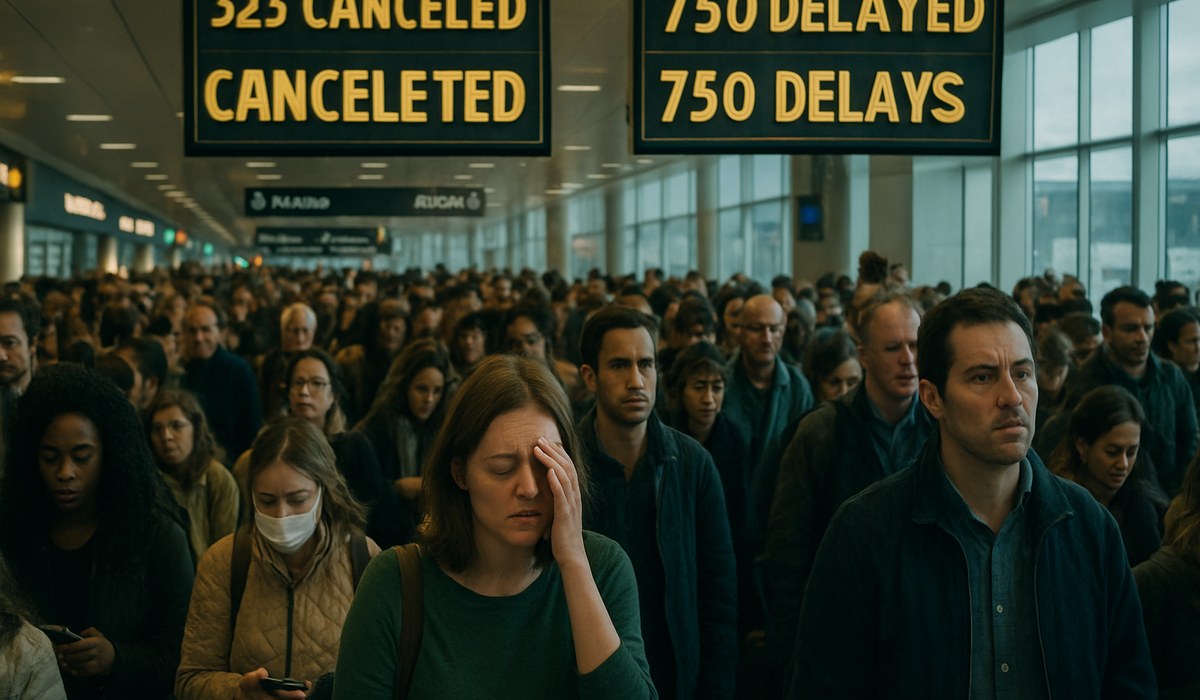
Image generated by AI
Breaking: Major Airline Flight Disruptions Paralyze US Air Network
United Airlines, Delta Air Lines, and American Airlines experienced a cascading network failure on March 25, 2026, triggering an airline flight major crisis across four of America's busiest hubs. The disruption spawned 323 flight cancellations and 750 delays, leaving thousands of exasperated travelers stranded at Chicago O'Hare (ORD), Orlando International (MCO), LaGuardia (LGA), and Houston Bush Intercontinental (IAH). Operations controllers identified a combination of weather systems and technical infrastructure failures as the primary culprits, though full root-cause analysis remains ongoing.
What Triggered This Airline Flight Major Event?
The airline flight major disruption originated from a perfect storm of operational challenges. A series of severe thunderstorms swept through the midwest and southeast corridors between 8:00 a.m. and 2:00 p.m. EST, forcing ground stops at multiple facilities. Simultaneously, Chicago O'Hare experienced temporary radar system degradation, compounding runway capacity limitations. The cascading effect rippled across network airlines within hours.
According to the FAA, weather-related delays constitute approximately 25% of all aviation disruptions annually. This particular system moved faster than anticipated, catching several carriers mid-schedule adjustments. Airlines struggled to reroute aircraft and reassign crews, creating bottlenecks that persisted even after conditions improved.
Chicago O'Hare and Orlando International Hit Hardest
Chicago O'Hare International Airport bore the brunt of operational strain. The facility processed over 180 cancellations as both terminals A and B experienced traffic gridlock. United Airlines, which operates 47% of O'Hare's domestic capacity, absorbed the largest passenger impact. Ground delay programs extended to 4+ hours during peak disruption windows, forcing thousands of travelers to endure extended waits in terminals.
Orlando International Airport similarly suffered, with 95 cancellations affecting spring break travelers. Delta Air Lines, the airport's largest carrier, suspended operations for two consecutive hours. Families heading to theme parks and beach destinations faced cascading rebooking challenges, with most available flights filled through March 27.
You can track real-time operational recovery efforts using FlightAware, which provides minute-by-minute updates on runway capacity and estimated recovery timelines.
Affected Airlines: United, Delta, and American Response
United Airlines canceled 145 flights system-wide, with heaviest concentrations at ORD hubs. The carrier activated its full rebooking protocol but faced inventory constraints. Delta Air Lines canceled 98 flights, predominantly affecting east-coast operations. American Airlines canceled 80 flights, maintaining relatively better network resilience through its robust crew positioning strategies.
All three carriers deployed crisis management teams to customer service counters. Hotel accommodations and meal vouchers were distributed to eligible passengers under DOT regulations. However, exasperated travelers reported 45-minute wait times at rebooking desks during peak afternoon hours, highlighting staffing limitations across ground operations.
Real-Time Flight Tracking and Status Updates
Travelers seeking current flight information should consult FlightAware for live tracking data. The platform displays estimated departure times, equipment changes, and gate assignments updated every 90 seconds. Major airports also posted recovery bulletins on their official websites:
- Chicago O'Hare (ORD): Expected to resume normal operations by 6:00 p.m. EST
- Orlando International (MCO): Estimated recovery by 5:30 p.m. EST
- LaGuardia (LGA): Resuming operations at 80% capacity
- Houston IAH: Operating normally with minor residual delays
Passengers should contact their carriers directly rather than relying on automated systems, which typically lag 15-20 minutes behind actual conditions during major disruptions.
Passenger Rights and Compensation Framework
Under Department of Transportation rules, affected passengers qualify for specific compensation based on flight duration and rebooking timeline:
- Flights under 250 miles: No compensation required if rebooking within one hour
- Flights 250-1,500 miles: $400 compensation if rebooking exceeds three hours
- Flights over 1,500 miles: $800 compensation if rebooking exceeds four hours
Airlines must also provide meals, beverages, and hotel accommodations when overnight delays become necessary. Passengers holding non-refundable tickets can request full refunds instead of rebooking without penalty during irregular operations events.
Document all expenses with receipts. The IATA recommends filing claims within 30 days of disruption dates, including airline confirmation numbers and rebooking documentation.
Network Recovery Timeline and Forecast
Operational forecasts suggest the airline flight major disruption will require 36-48 hours for complete network normalization. Airlines prioritize connecting passengers and international departures during recovery phases. Domestic regional flights typically restore last, often within 24 hours of initial disruption resolution.
The National Weather Service predicts favorable conditions by March 26 afternoon, enabling accelerated recovery operations. Airlines have pre-positioned additional aircraft at affected hubs to facilitate expedited scheduling. Crew scheduling systems were already releasing reserve personnel by 3:00 p.m. EST on March 25.
However, downstream effects will persist through March 27. Aircraft positioned incorrectly during the disruption create domino effects on subsequent rotations. Travelers booked for March 26-27 flights should anticipate minor delays averaging 30-45 minutes even after the primary disruption ends.
| Metric | Chicago ORD | Orlando MCO | LaGuardia LGA | Houston IAH |
|---|---|---|---|---|
| Cancellations | 180 | 95 | 38 | 10 |
| Delays (750+ total) | 285 | 210 | 180 | 75 |
| Peak Ground Hold | 4 hours | 3.5 hours | 2.5 hours | 1 hour |
| Estimated Recovery | 6:00 p.m. EST | 5:30 p.m. EST | 5:00 p.m. EST | On-time |
| Primary Carrier | United (47%) | Delta (52%) | American (38%) | United (41%) |
| Passenger Impact | ~98,000 | ~65,000 | ~34,000 | ~12,000 |
What This Means for Travelers
This airline flight major disruption underscores the fragility of interconnected flight networks. Thousands of travelers experienced cascading rebooking challenges that extended beyond initial cancellation times. Here's what you should do immediately:
-
Check your flight status on your airline's app or FlightAware before heading to the airport. Don't assume operations have normalized.
-
Contact your airline directly via phone rather than chat. Call centers prioritize voice calls during irregular operations events.
-
Document all receipts for meals, hotels, and ground transportation. You'll need them for compensation claims filed later.
-
Request confirmation numbers for every rebooking attempt. Airlines sometimes fail to properly document secondary rebookings in their systems.
-
File DOT complaints if your airline denies compensation you're legally entitled to receive. The Department of Transportation has jurisdiction over all US domestic carriers.
-
Monitor weather forecasts for your departure airport through March 27. Secondary disruptions could occur if severe weather returns.
-
Consider travel insurance for future bookings. Many policies provide rebooking assistance and expense reimbursement during irregular operations.
Frequently Asked Questions
What is causing this airline flight major disruption on March 25, 2026? Severe thunderstorms moving through the midwest and southeast, combined with temporary radar system degradation at Chicago O'Hare, created the perfect conditions for network-wide chaos. Ground delay programs and runway capacity constraints cascaded across United, Delta, and American Airlines simultaneously.
How many thousands of travelers were affected by these cancellations and delays? Approximately 209,000 passengers were directly impacted across the four primary hubs. Chicago O'Hare alone affected 98,000 travelers, while Orlando International, LaGuardia, and Houston combined impacted 111,000 additional passengers. Indirect effects rippled through secondary destinations throughout the afternoon.
When will operations return to normal after this airline flight major disruption? Full network normalization requires 36-48 hours from the initial disruption resolution. Chicago O'Hare expects normal operations by 6:00 p.m. EST on March 25, but downstream effects will persist through March 27. Regional flights typically restore last, around 24 hours after primary disruption ends.
What compensation am I entitled to receive if my flight was cancelled or delayed? DOT regulations mandate $400 compensation for delays exceeding three hours on flights between 250-1,500 miles, and $800 for flights over 1,500 miles delayed beyond four hours. Airlines must also provide meals, beverages, and hotel accommodations. You can alternatively request full refunds instead of rebooking without penalty.
Related Travel Guides
- Kuwait Aviation Network Expands with New Phuket and Aswan Direct Routes
- Ryanair, British Airways, Iberia, Vueling, Lufthansa, EasyJet and Air Europa Cancel 200+ Flights as Santiago–Rosalía de Castro Airport Shuts for 35 Days — Travelers Warned to Reroute via Madrid, Porto, Vigo and A Coruña During Peak Camino Season
- Bypassing Transatlantic Travel Chaos: airBaltic Celebrates 10 Years of Riga-Reykjavík Flights Shielding Passengers from Severe European Hub Disruptions
Disclaimer
This article is for informational and educational purposes only. It does not constitute legal, financial, or professional advice. While we strive to provide accurate and up-to-date information, travel policies, regulations, and conditions change rapidly. Always verify information with official sources before making travel decisions. Nomad Lawyer makes no representations about the accuracy, reliability, completeness, or suitability of the information provided. Readers should consult qualified professionals for advice specific to their circumstances. The views expressed in this article are those of the author and do not necessarily reflect the views of Nomad Lawyer.
Raushan Kumar
Founder & Lead Developer
Full-stack developer with 11+ years of experience and a passionate traveller. Raushan built Nomad Lawyer from the ground up with a vision to create the best travel and law experience on the web.
Learn more about our team →