
Aircraft Routes Push Commercial Aviation to Its Absolute Limits in 2026
Ultra-long-haul aircraft routes push commercial aviation to its extreme edge in 2026. Explore how airlines operationalize flights exceeding 18 hours, where winds, payload, and crew fatigue determine realistic capabilities.

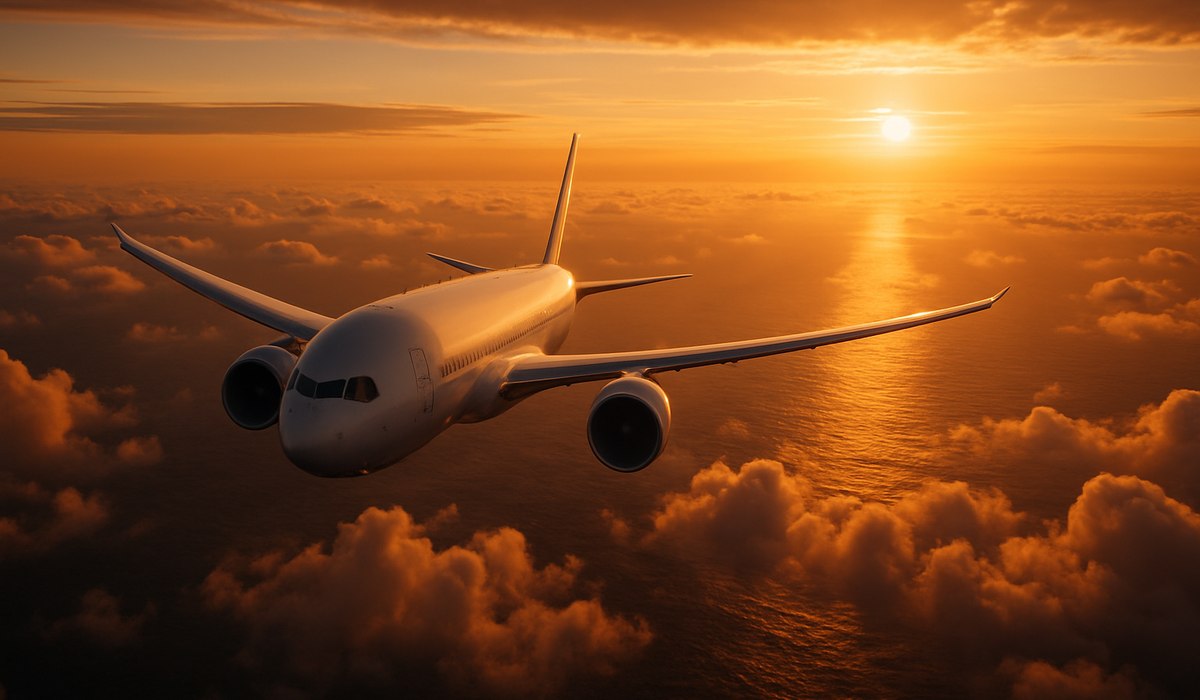
Image generated by AI
Ultra-Long-Haul Flights Operate at Aviation's Competitive Edge
Aircraft routes push the boundaries of what commercial aviation can sustain. Ultra-long-haul operations spanning 16, 17, or even 18+ hours represent some of the most technically complex and economically demanding services in global aviation. Airlines operating these routes navigate a delicate intersection of engineering limits, operational protocols, and passenger comfort—all while managing variables that shift with each departure. Wind patterns, payload restrictions, crew-rest requirements, and mandatory fuel reserves collectively determine whether a scheduled flight can depart on time, reach its destination safely, and maintain profitability. This operational reality underscores why the world's most ambitious routes command such intense focus from carriers pushing aircraft range capabilities to their absolute limits.
The Physics and Economics of Ultra-Long-Haul Operations
Ultra-long-haul routes demand precision engineering and financial discipline. When airlines schedule flights exceeding 17 hours, they operate in a space where marginal improvements in fuel efficiency translate directly to operational viability. Aircraft like the Boeing 787 Dreamliner and Airbus A350 were specifically designed to handle extended-range missions, yet even these purpose-built platforms face real constraints.
Headwinds can reduce effective range by 5-10%, forcing airlines to calculate alternative routing or reduce passenger loads. Payload weight—including fuel, passengers, cargo, and catering—must be optimized continuously. A single-degree variance in atmospheric conditions can determine whether a flight carries 300 or 280 passengers and still maintains required fuel reserves. Crew fatigue regulations mandate specific rest cycles, limiting which pilots can operate consecutive ultra-long-haul segments. These interdependencies explain why airlines investing in aircraft routes push operational complexity to unprecedented levels.
Economic viability depends on load factors exceeding 85% and premium-cabin pricing strategies that subsidize economy yields. Routes like Singapore to Newark or Sydney to London require near-perfect execution across fuel management, crew scheduling, and revenue optimization. One mechanical delay cascades through crew duty cycles and subsequent flights, creating operational friction that impacts profitability across an entire network.
Five Routes That Define Commercial Aviation's Limits
The world's most demanding aircraft routes push carriers to operationalize flights where every variable matters. Singapore to Newark (17 hours 45 minutes) represents the eastern gateway's most ambitious transatlantic extension. Singapore Airlines operates this route with Boeing 777-300ER aircraft, requiring precise fuel planning and favorable wind patterns to maintain viability.
Sydney to London (17 hours 25 minutes) via Qantas connects Australia's east coast to Europe's primary hub. This route navigates polar routing, extreme weather zones, and requires coordinated crew rest arrangements across multiple time zones. Payload optimization determines whether the aircraft can carry competitive passenger loads while maintaining required fuel reserves.
Auckland to New York (16 hours 40 minutes) operated by Air New Zealand tests southern-hemisphere ultra-long-haul operations. Seasonal wind patterns over the Pacific significantly affect actual flight times, fuel consumption, and operational reliability.
Johannesburg to Atlanta (15 hours 30 minutes) by South African Airways extends southern Africa's connectivity westward. Routing flexibility around weather systems and adequate diversion airports become critical operational considerations.
Doha to Auckland (17 hours 50 minutes) via Qatar Airways pushes Pacific routings southward, requiring strategic fuel planning and crew management across the longest air distances in regular commercial service.
How Airlines Manage Range, Payload, and Passenger Experience
Airlines operationalizing aircraft routes push complexity across three interconnected systems: technical capacity, economic viability, and customer satisfaction.
Range optimization starts with route planning. Airlines employ meteorological specialists who analyze seasonal wind patterns, jet streams, and atmospheric conditions months in advance. Favorable high-altitude winds can reduce fuel burn by 8-12%, effectively extending aircraft range without engineering modifications. Conversely, headwind seasons force route adjustments, increased fuel uplifts, or reduced payload configurations.
Payload management involves sophisticated load planning. Airlines calculate maximum zero-fuel weight (the aircraft's structural limit before fuel), then subtract minimum required fuel reserves to determine available payload. On ultra-long-haul routes, airlines often deliberately reduce passenger loads or cargo to optimize fuel efficiency and ensure profitable operation.
Passenger experience receives increasing focus as ultra-long-haul flights extend beyond 18 hours. Airlines invest in premium cabin reconfiguration, enhanced catering programs, and rest facilities. Staggered meal services, extended entertainment libraries, and cabin humidity controls address physiological challenges of extreme-duration flights. Premium-cabin passengers subsidize economy yields, making these premium experiences essential revenue drivers.
Crew management becomes operationally critical. ICAO regulations mandate specific rest periods for flight crews operating ultra-long-haul services. Airlines deploy rotating crew models where multiple pilot pairs share flight duty, requiring careful scheduling to manage both regulatory compliance and crew efficiency.
Key Data: Ultra-Long-Haul Operations at a Glance
| Route | Airline | Aircraft | Flight Duration | Distance (nm) | Load Factor Target |
|---|---|---|---|---|---|
| Singapore to Newark | Singapore Airlines | Boeing 777-300ER | 17:45 | 8,765 | 87% |
| Sydney to London | Qantas | Boeing 787-9 | 17:25 | 8,945 | 89% |
| Auckland to New York | Air New Zealand | Boeing 777-300ER | 16:40 | 8,320 | 84% |
| Johannesburg to Atlanta | South African Airways | Boeing 777-200ER | 15:30 | 7,640 | 81% |
| Doha to Auckland | Qatar Airways | Boeing 777-200LR | 17:50 | 8,960 | 86% |
| Johannesburg to São Paulo | TAAG Angola | Boeing 777-300ER | 14:15 | 7,180 | 79% |
The Future of Extended-Range Aircraft Technology
Next-generation aircraft promise to expand aircraft routes push capabilities further. The Boeing 777X and Airbus A350-1000 introduce structural improvements, advanced materials, and aerodynamic refinements that incrementally extend range while reducing fuel consumption.
Hydrogen-powered concepts remain theoretical for ultra-long-haul applications but represent aviation's longer-term sustainability pathway. Current battery electric technology cannot support routes exceeding 3-4 hours, making conventional turbine engines mandatory for ultra-long-haul aviation through 2035+.
Sustainable aviation fuels (SAF) already reduce carbon intensity by 50-80% compared to conventional jet fuel, though cost premiums currently limit adoption. As SAF production scales, airlines may extend their aircraft routes push strategies to previously uneconomical destinations.
Blended-wing aircraft concepts under development by Airbus and Boeing promise 20% efficiency gains, potentially enabling new ultra-long-haul services. However, certification, manufacturing scale, and capital deployment suggest these platforms won't enter commercial service before 2030.
What This Means for Travelers
Ultra-long-haul flights offer convenience and time savings but require passenger preparation and awareness.
Traveler Action Checklist:
-
Book 90+ days in advance to secure seats on premium cabins where ultra-long-haul routes offer superior cabin pressure, humidity, and rest facilities that mitigate flight fatigue.
-
Select airlines with optimized cabin products like Singapore Airlines, Qatar Airways, and Qantas that have invested specifically in ultra-long-haul passenger experience enhancements.
-
Verify aircraft assignment before booking confirmation. Boeing 787 Dreamliners and Airbus A350 aircraft offer superior cabin pressure and humidity compared to older Boeing 777 variants.
-
**Arrange
Disclaimer
This article is for informational and educational purposes only. It does not constitute legal, financial, or professional advice. While we strive to provide accurate and up-to-date information, travel policies, regulations, and conditions change rapidly. Always verify information with official sources before making travel decisions. Nomad Lawyer makes no representations about the accuracy, reliability, completeness, or suitability of the information provided. Readers should consult qualified professionals for advice specific to their circumstances. The views expressed in this article are those of the author and do not necessarily reflect the views of Nomad Lawyer.
Kunal K Choudhary
Co-Founder & Contributor
A passionate traveller and tech enthusiast. Kunal contributes to the vision and growth of Nomad Lawyer, bringing fresh perspectives and driving the community forward.
Learn more about our team →